Understanding Gender Equality from Everyday Life
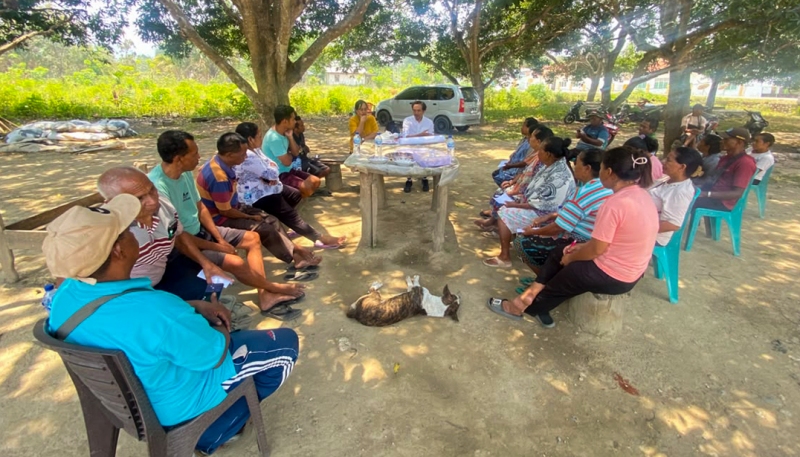
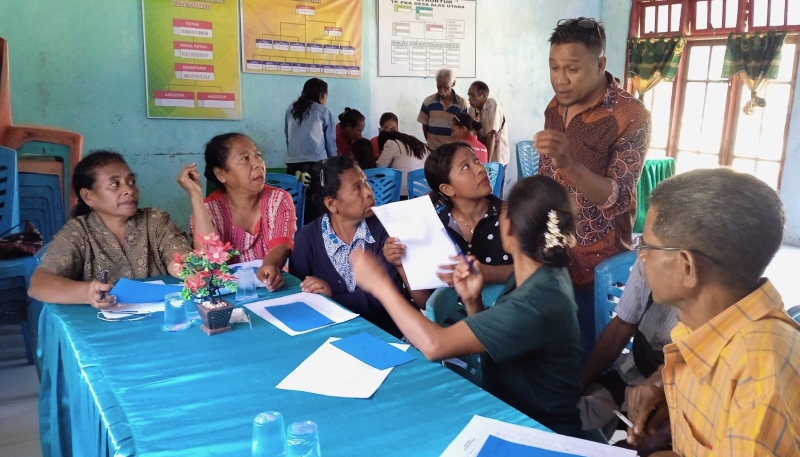
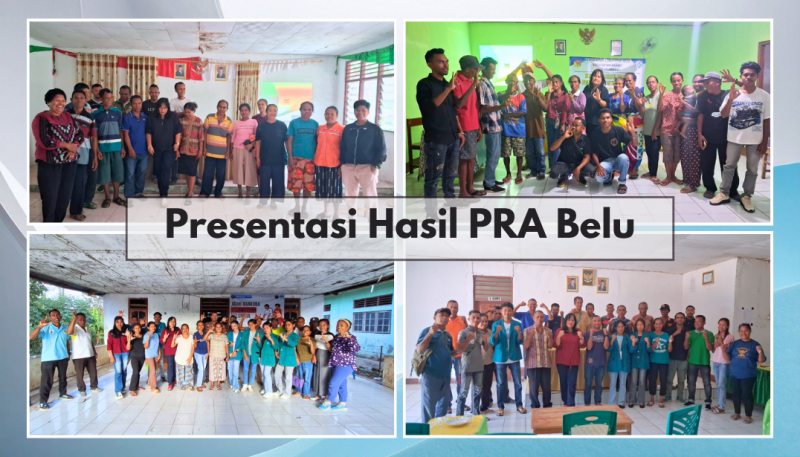
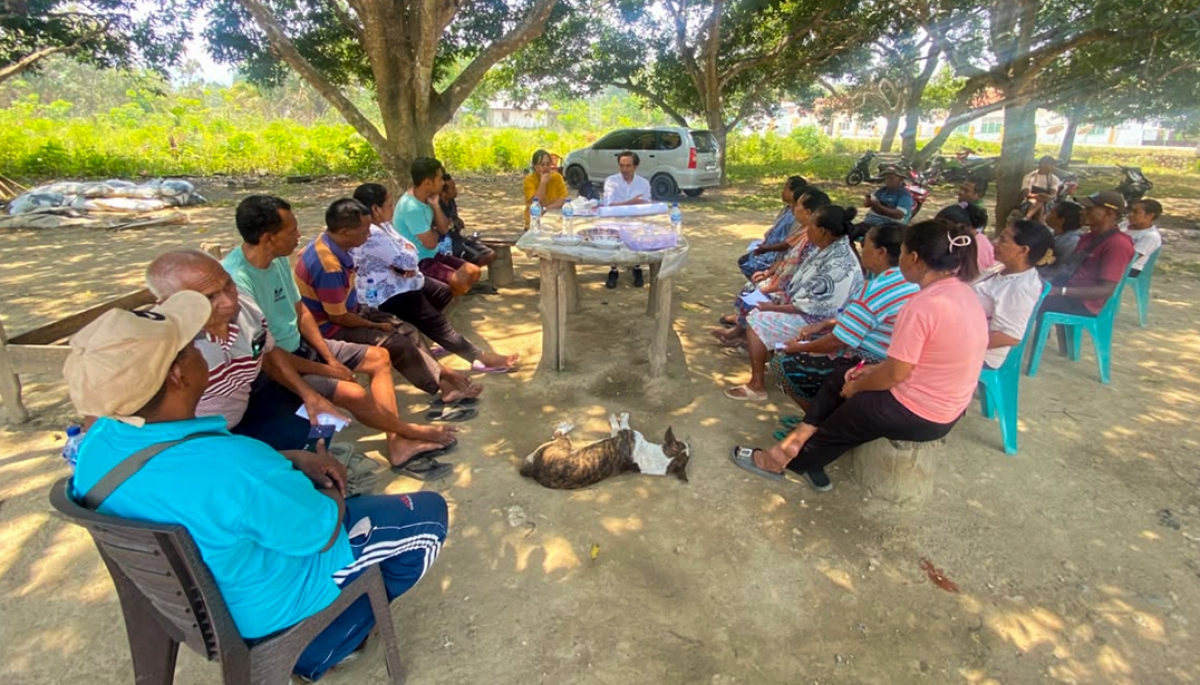
Who does the most homework? Who earns a living? And who has the opportunity to participate in community activities or be involved in decision-making? These simple questions are part of the learning in the Basic Gender Awareness Training held in eight villages in Belu and Malaka Regencies. Through discussions, games, and simulations of activities for 24 hours, participants were invited to look back at the division of male and female roles that have been taking place in the family and society.
The training in Belu Regency took place on October 8–13, 2026, followed by Malaka Regency on October 14–17, 2026. Facilitated by Augustinna Tuty Indrawaty and Singgih Purnomo and assisted by Lydiana Taek and Welem Andi Tana, this activity uses a participatory method so that participants can share experiences, express opinions, and reflect on the habits they encounter on a daily basis.
Learning began by perceiving between sex, which is related to biological conditions, and gender, which is formed through people's values, habits, and expectations. Participants then mapped domestic work, livelihood activities, and involvement in community life. From this exercise, they were able to see how work and responsibilities were divided, who had less time, and who had the opportunity to participate and make decisions. For some participants, the exercise opened up new perspectives. In Tohe Village, Belu Regency, most of the participants were previously unfamiliar with the concept of gender. Simulations of daily activities showed that most women had longer working hours because they worked domestic jobs while earning a living (productive roles). These findings made a number of participants, including men, start to reflect again on the division of responsibilities in the family that had been considered normal, after realizing that women often bear a greater workload
Similar experiences emerged in discussions in other villages in Belu. For participants who had been familiar with gender issues before, the training was an opportunity to strengthen understanding. The discussion also showed that efforts to achieve equality need to confront local values and customs, including views on the position of men and women in the belis (traditional bride price or marriage dowry) tradition. These differences in experience show that understanding of gender is not formed in the same way. Some participants are learning it for the first time, while others need to review their existing understandings. Through participatory discussions and activities, participants were invited to recognize five forms of gender injustice: labeling, subordination, marginalization, double burden, and violence. They also discussed how injustice can arise when work and responsibilities are considered obligations based on gender, rather than shared by mutual agreement, ability, and need.
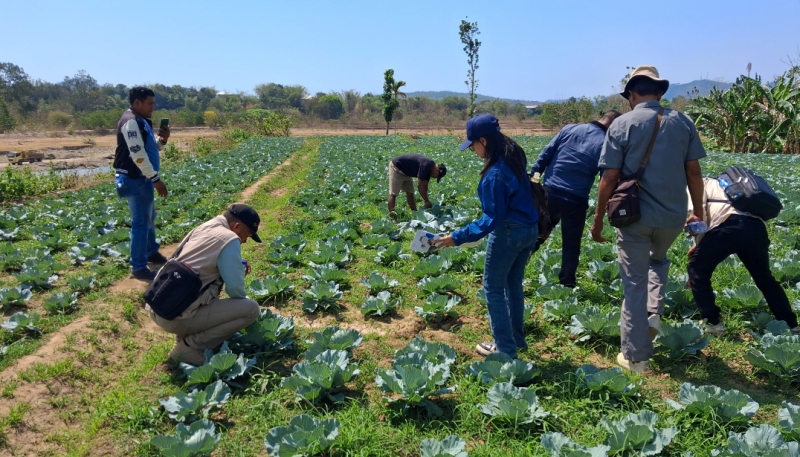
In Malaka Regency, learning is also associated with people's experiences in family, work, and village life. A number of participants previously understood gender in a limited way as a women's issue. After participating in the training, they began to see that equality is related to the rights, obligations, opportunities, and responsibilities of men and women. The open discussion room helped participants express their views, including when they found differences between the training materials and the habits that prevailed in their environment. The discussion on the division of roles became more concrete when participants reflected on their experiences in households and agricultural businesses. In Alas Selatan Village, a participant realized that women have a great contribution to supporting family life. He also expressed his desire to learn to make cakes, not just help prepare the equipment. Another participant told about his wife's involvement in the management of a horticultural demonstration plot. This experience shows that a more balanced division of roles can start from daily activities, both at home and in productive work.
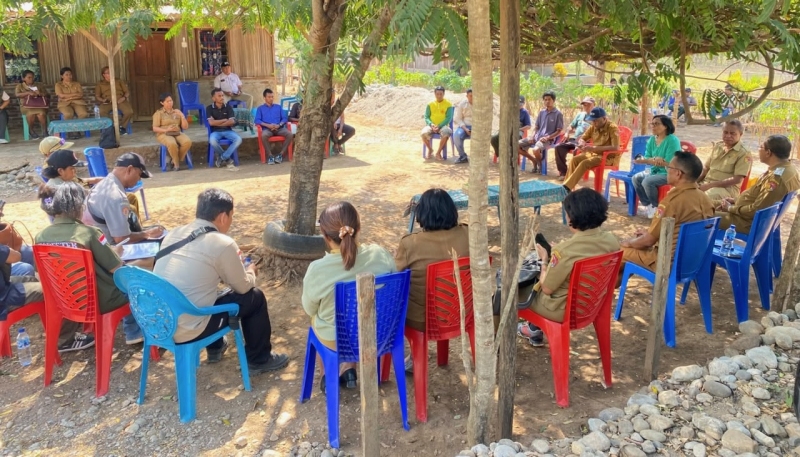
Meanwhile, in Alas Utara Village, Malaka Regency, a participant assessed that the training material complemented learning about previous conflict management and resolution. Understanding of equal rights and obligations is considered important to help the community solve problems by considering the position of each person, regardless of male and female differences. The involvement of village officials, traditional leaders, community leaders, youth, and male and female representatives also opens up opportunities for this understanding to be continued in their respective environments.
Gender equality is also related to opportunities to access resources and be involved in village development. Women who carry out household chores while earning a living can have limited time to participate in training or community activities. To support the participation of participants who bring children, this training also provides child-friendly activities so that parents can still follow the learning process. This effort is in line with the importance of creating an activity space that considers the needs of participants, so that the responsibility of parenting does not become a barrier to learning and participating. Therefore, women's involvement is not enough to be measured by their presence in an activity. The opportunity to express opinions, participate in decision-making, and benefit from activities also needs to be considered. The timing of the implementation of activities also needs to consider the workload of women, especially during the rainy season when agricultural activities increase.
The follow-up to this gender equality training in the future is to ensure that people are able to translate this understanding into daily practices: sharing household chores, opening up wider opportunities for women to participate in community activities, and involving men and women in decision-making. This is because family and community development that aims to improve livelihoods requires the contribution of both. Gender equality does not mean that everyone should do the same work, but rather ensures that rights, obligations, opportunities, and responsibilities are not determined solely by gender. (InTI)