From Understanding Conflict to Finding Solution
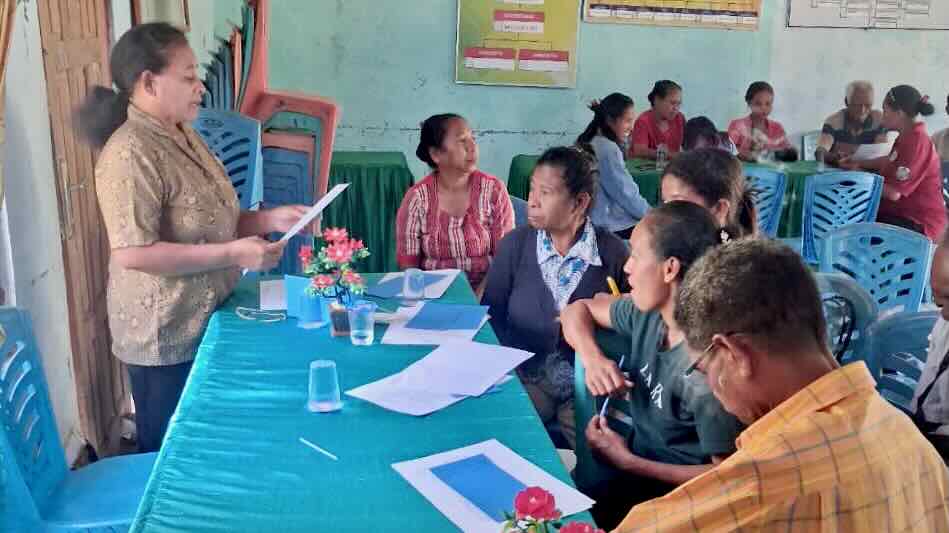
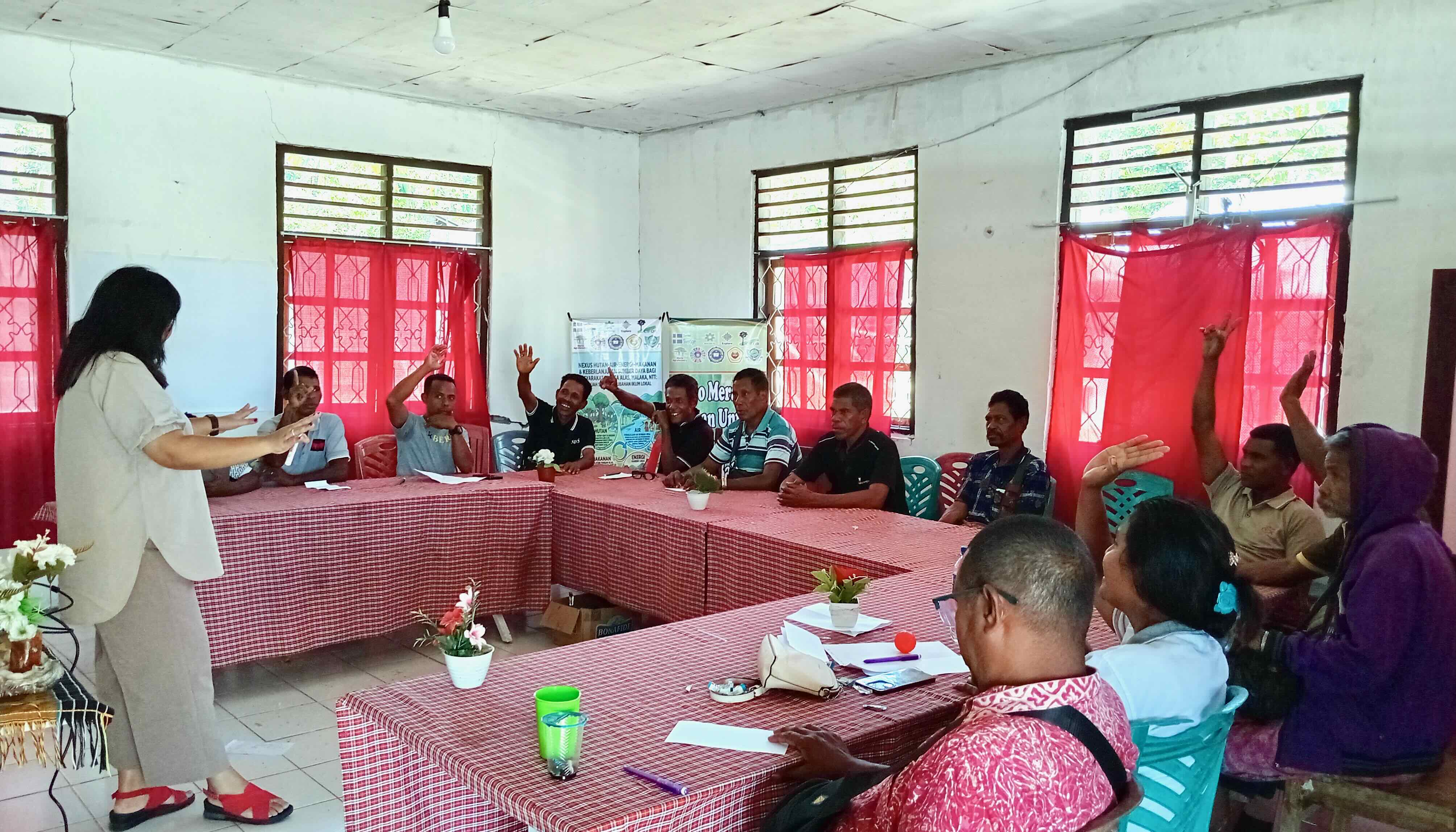
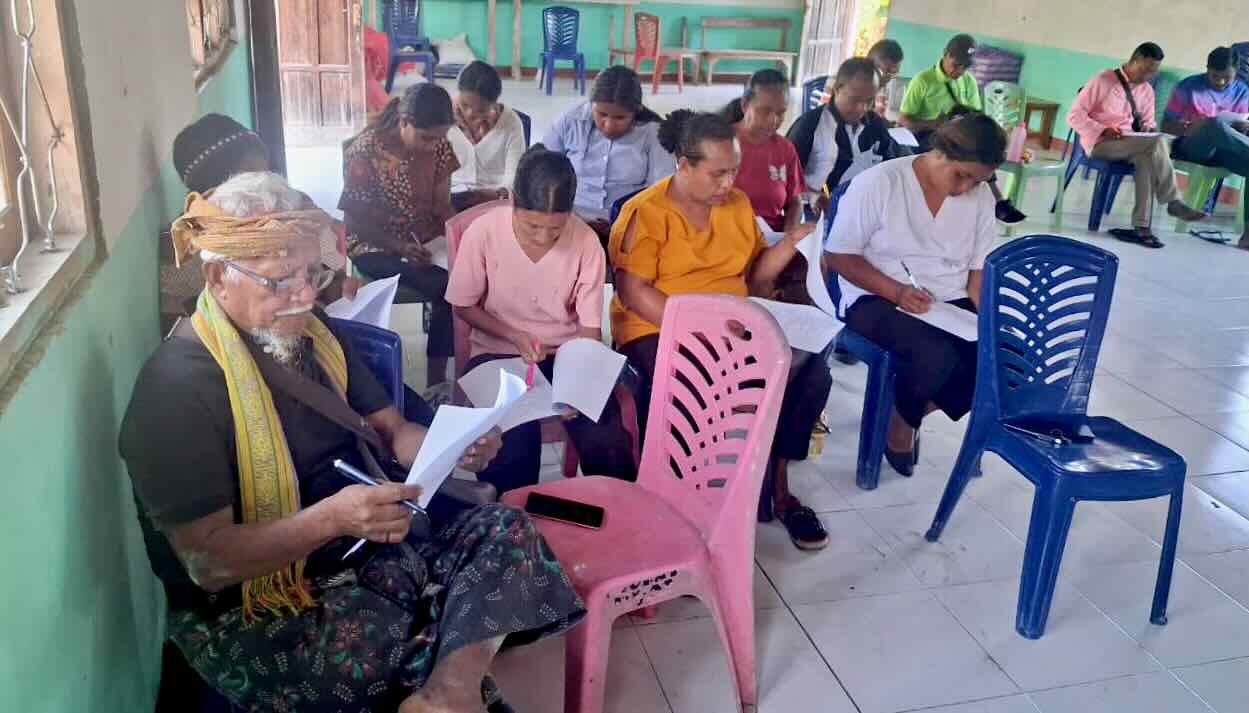
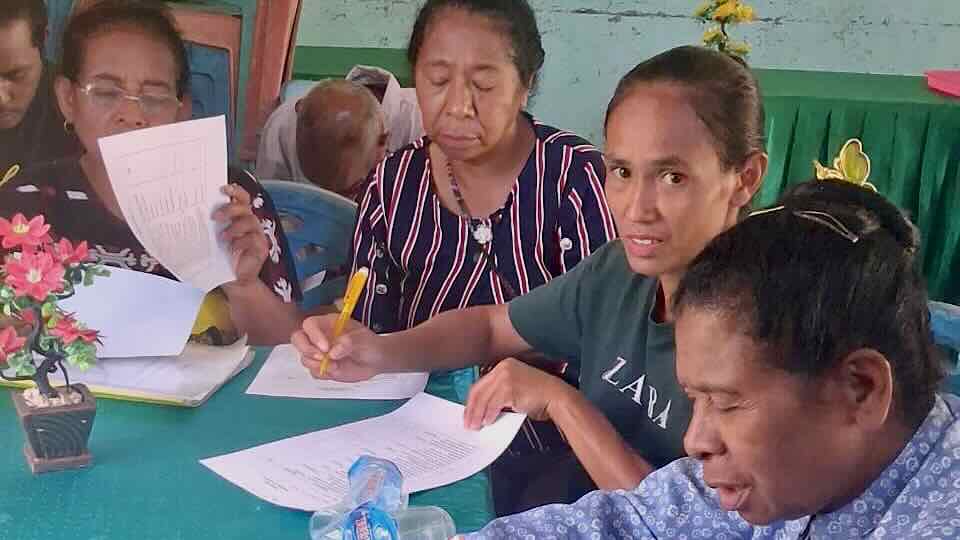
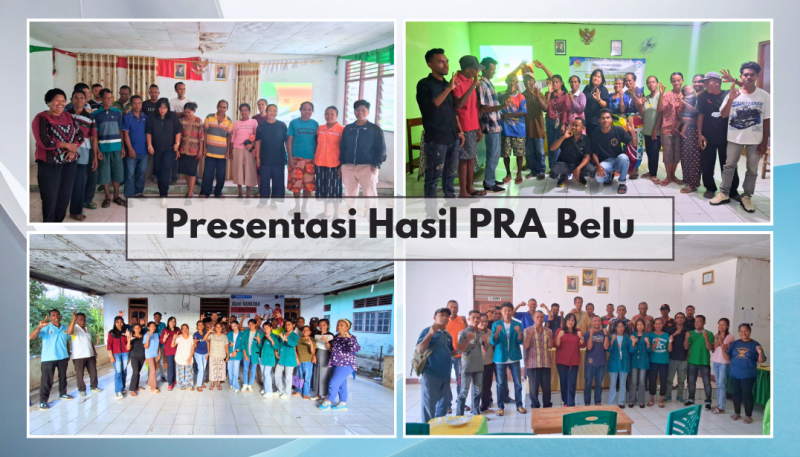
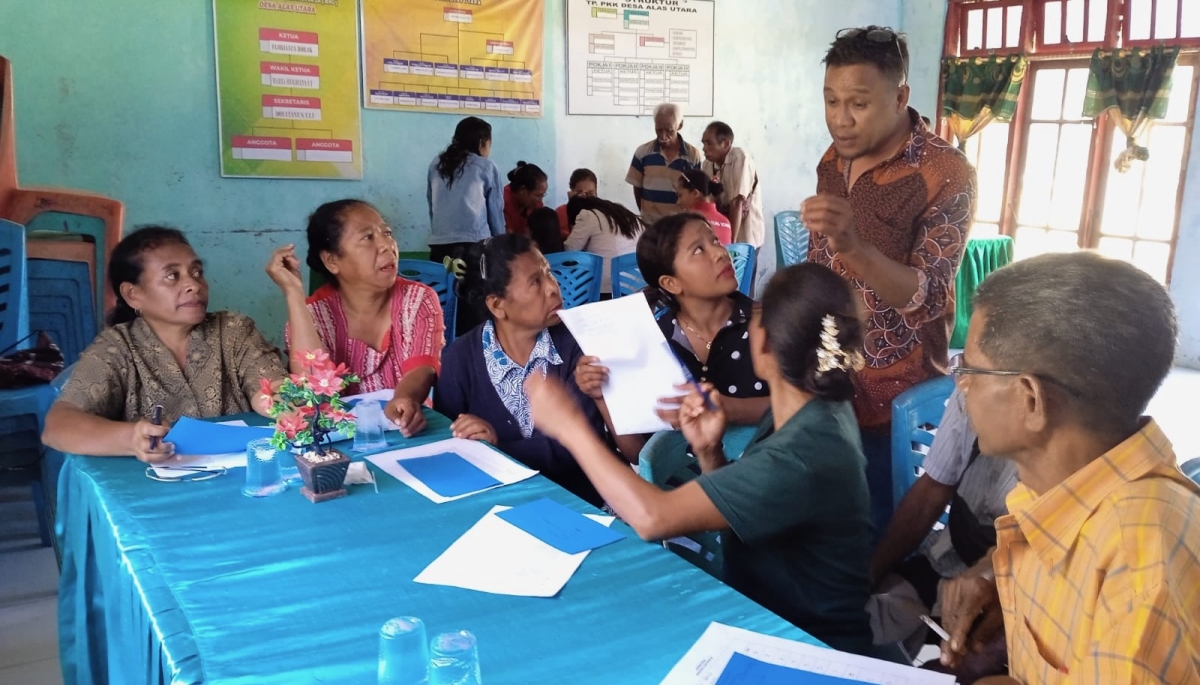
NTT, August-September 2026 — Conflict does not always exist in the form of open conflict. Conflicts can start from differences in interests, values, goals, perceptions, and resource limitations. In the context of watershed governance across borders, differences in interests, goals and perceptions and limitations on resources in border communities if not managed properly have the potential to become conflicts. Departing from the needs of the village community obtained from the Participatory Rural Appraisal (PRA) process that has been carried out, Inovasi Tangguh Indonesia (InTI) through the Timor Island Watersheds (TIWA) Program supports capacity building of communities at the borders in managing potential conflicts through Basic Conflict Resolution Training for Community Task Forces (GTK) in eight program target villages in the Talau-Loes and Mota Masin watersheds area, from August 27 to September 5, 2026, with representatives of village communities, village governments, and village stakeholders.
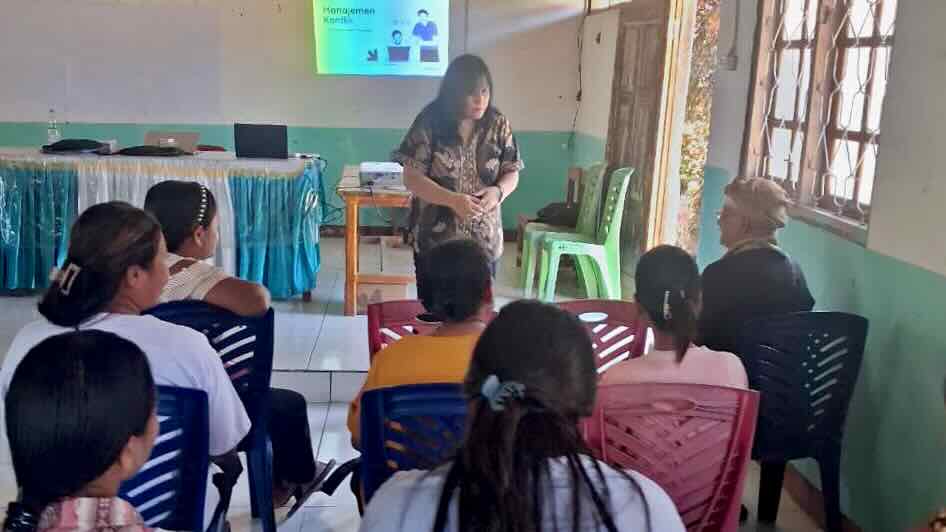
The training, which was facilitated by Augustinna Tuty Indrawaty and assisted by Lydiana Taek and Welem Andi Tana, invites the community in the Talau Loes and Mota Masin watersheds area in Belu and Malaka, NTT to understand the various types of potential conflicts at the border as well as know how to resolve them.
Reading the Conflict Before Deciding on a Solution
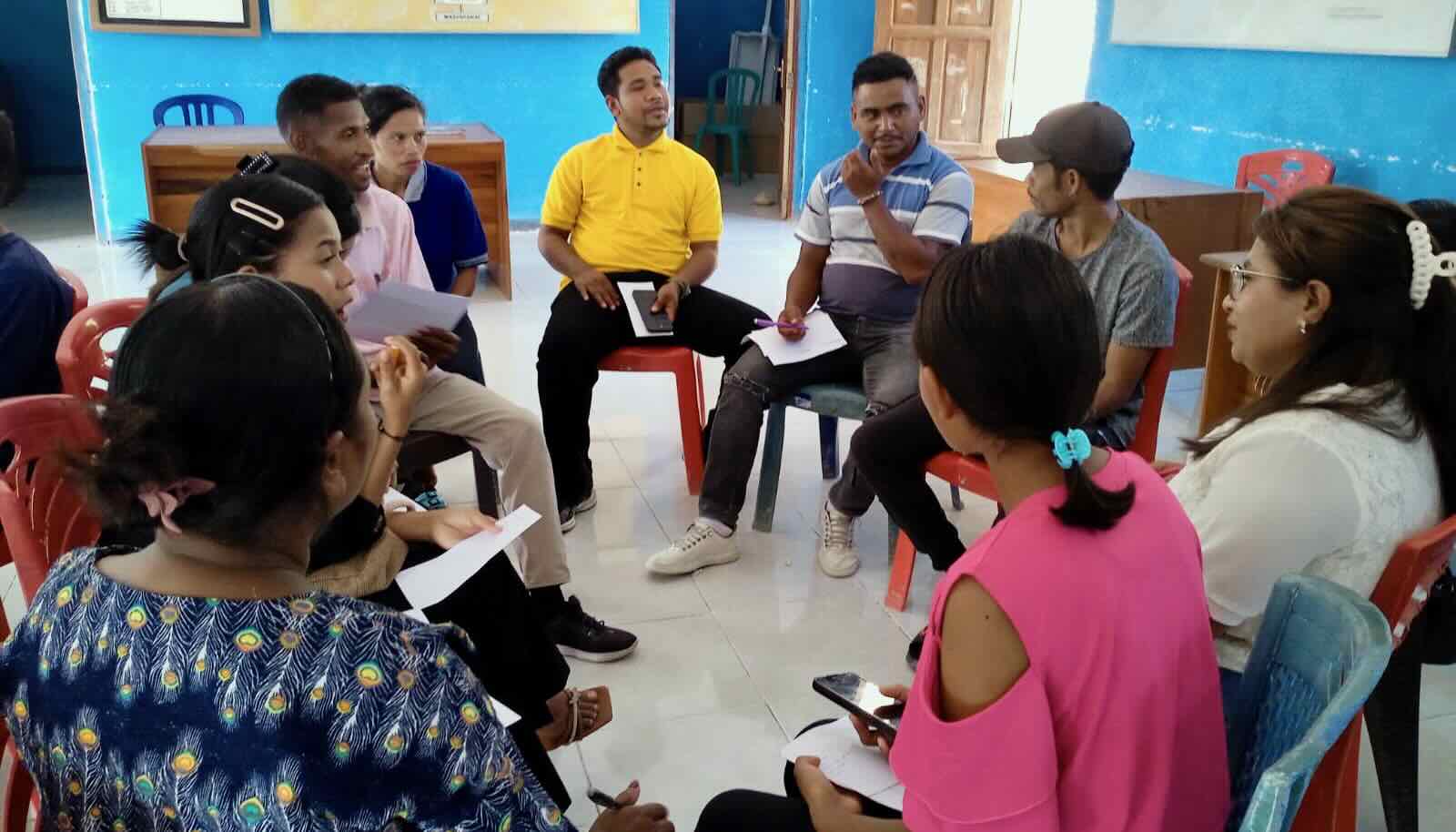
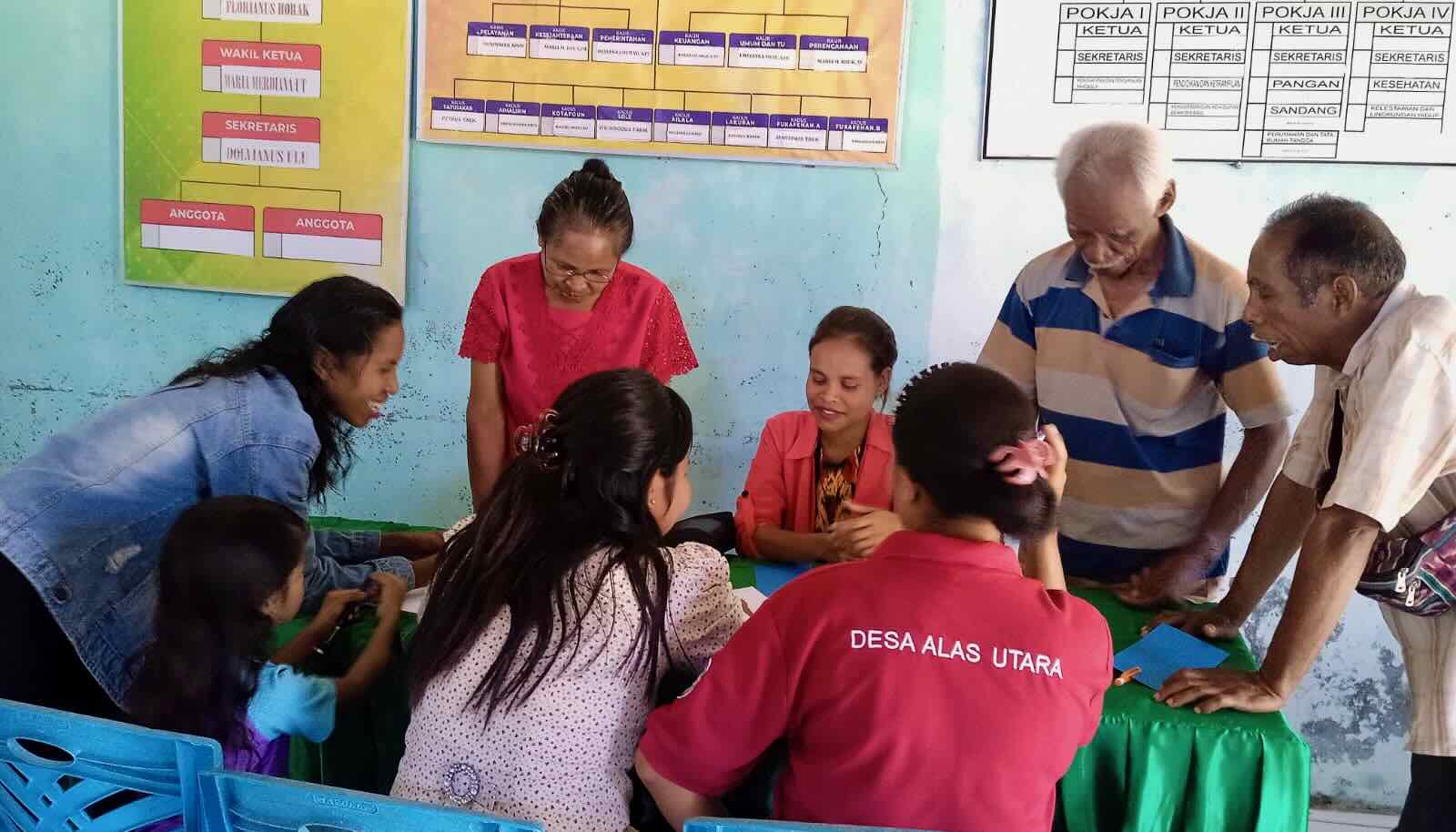
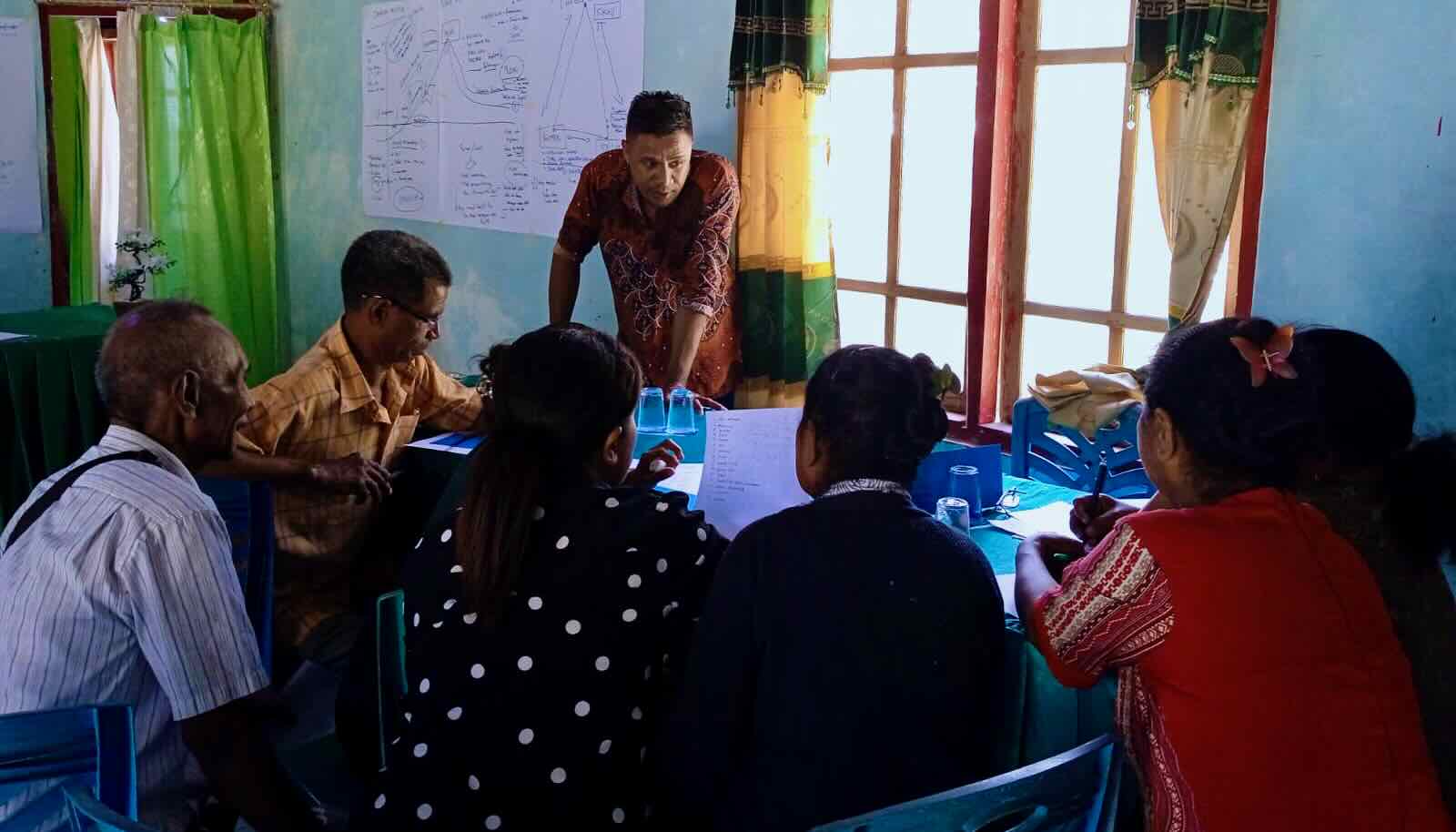
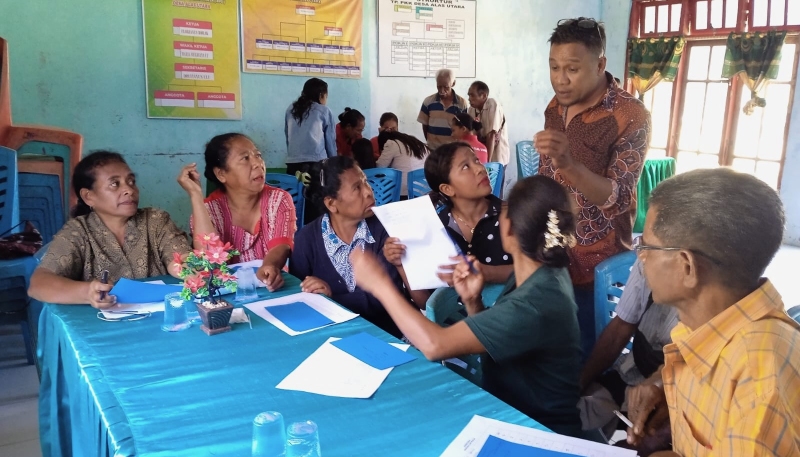
The training begins with understanding the conflict itself, starting from the definition, types, and styles of conflict to the steps of conflict resolution. Through participatory and simulation methodologies, participants not only passively receive material, but also share experiences and look back at the conflicts they encounter on a daily basis. One of the conflict analysis approaches introduced is the Triangle of Attitude, Behavior, and Context to help participants see a conflict more fully, not only from who is in dispute, but also to see what is behind the conflict and how the relationship between the parties in the conflict develops.
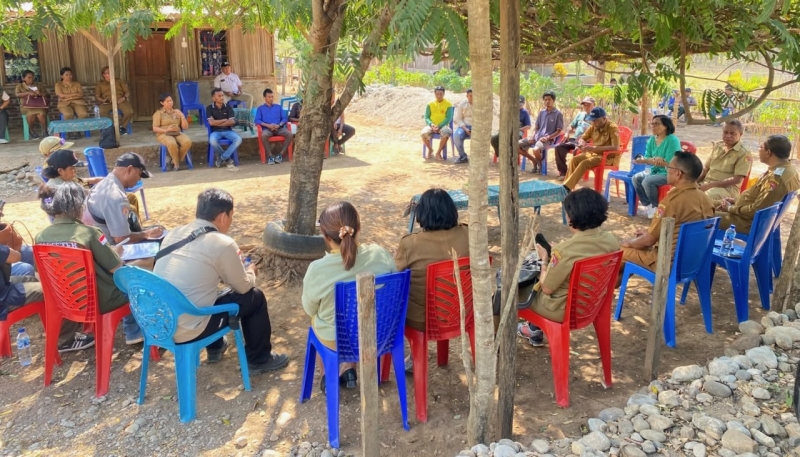
In the discussion process, for example, participants identified household conflicts triggered by economic problems, land disputes between residents, family conflicts that developed into conflicts between tribes, and other problems. Interestingly, not only is it an example of a case, but the training takes place when several similar problems are being faced by the community, so that the material feels like it answers the needs of the participants. The participants also saw that conflict resolution usually starts from the family sphere by dispersing the tribal head. If it cannot be resolved, the problem can be brought to the village level by involving the village government, Village Peace Judge (HPD), Babinsa (Village Supervisory Non-Commissioned Officer), Bhabinkamtibmas (Village Police Non-Commissioned Officer), or other security elements. When the same conflict occurs again, especially if it involves families from different tribes, the settlement can develop into mediation between families or between tribes, and in certain contexts accompanied by customary fines.
Understanding conflict also means understanding that there is no one strategy that is always right for all conflict situations. Therefore, five conflict management strategies were introduced in the training: avoidance, yield, competition, compromise, and collaboration. Each has its own advantages, and disadvantages. The strategy chosen depends on the context and the goals to be achieved. Collaboration, for example, is directed to find solutions that are mutually beneficial and meet the needs of the parties. However, this approach requires more time and effort. Meanwhile, avoiding or giving in can be an option in certain situations in a relatively short time. Understanding the choice of strategy becomes important when people are faced with conflicts of different character and level of complexity.
In the next stage, participants are introduced to a number of conflict resolution techniques, including mediation, negotiation, conflict counseling, communication skills, role-playing, and explaining about conflict resolution through consensus building. In mediation, for example, a neutral third party helps the conflicting party by opening communication and seeking agreement without imposing a solution. Meanwhile, through consensus building, the parties are encouraged to express their views and needs, find common ground, and build mutually acceptable solutions.
Another important thing introduced in the training is the conflict cycle. Conflict can start as a latent conflict, then develop into tension that begins to be felt, open confrontation, escalation, crisis, and enter the resolution and post-conflict stage. Understanding this cycle helps participants recognize the points when conflicts can be managed or resolved. Participants can also then find the root of the problem, determine more appropriate solutions, avoid escalation, and prevent similar conflicts from recurring. This material is considered relevant because participants are invited to understand the importance of self-control so that conflicts do not develop into confrontations. Not only is it important for the community, but it is also important for village governments and Village Peace Judges who often deal directly with conflicts at the household, family, and village levels.
For the village government and the Village Peace Judge, this learning can be a provision to strengthen their role in mediation. On the other hand, the same learning is a provision for the community to maintain relationships and find better solutions when conflicts arise. For the communities in the eight villages where the TIWA program is located, the basic knowledge of conflict resolution is part of capacity building carried out at the site level so that communities can manage border watersheds and their resources better and wisely by upholding the spirit of cooperation and peace. (InTI)