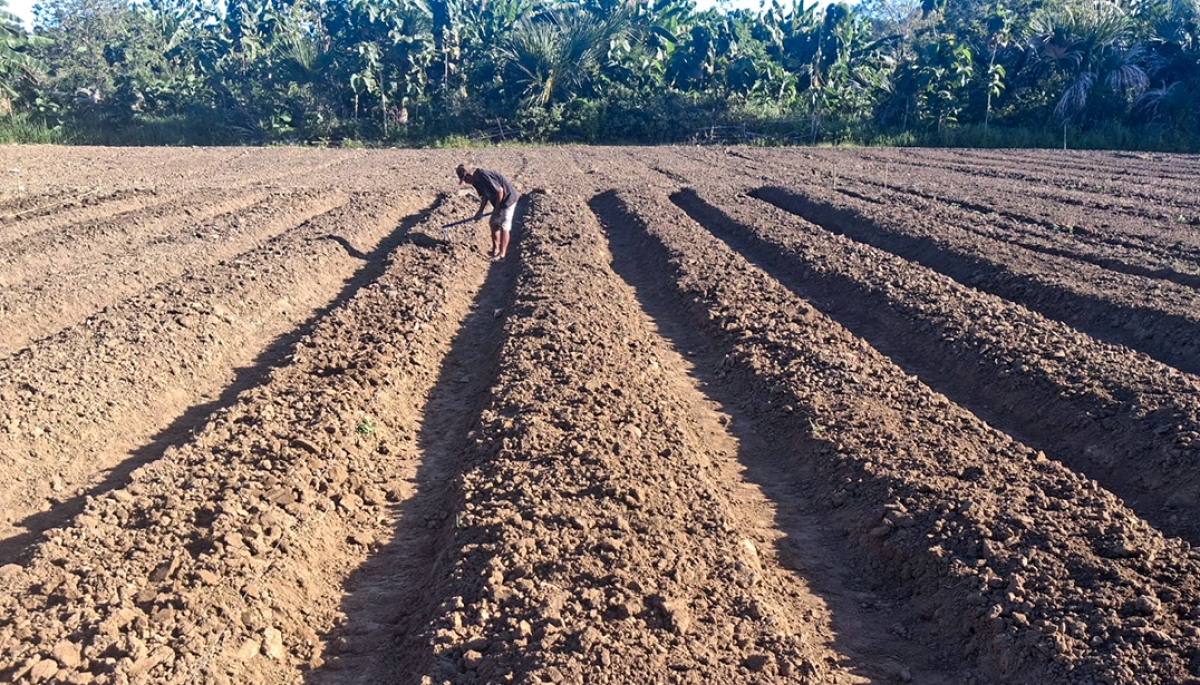
Real Steps in Sustainable Agricultural Practices in Belu and Malaka
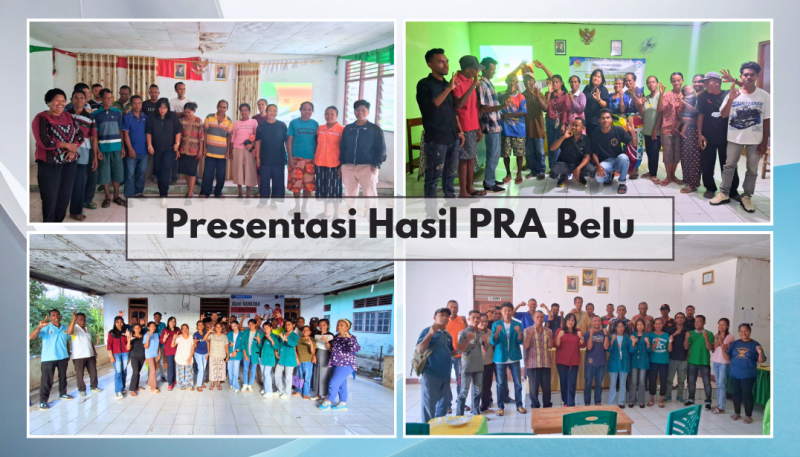
Finding the main problem of declining yields is the first step to improving the agricultural sector in the border region. The results of the Participatory Rural Appraisal (PRA) in eight target villages in two districts show that the majority of farmers have not implemented Good Agriculture Practices (GAP). Responding to these findings, the Indonesia-Timor Leste Transboundary Watershed Management Project (TIWA) involving Inovasi Tangguh Indonesia (InTI) and supported by Conservation International (CI) and the Global Environment Facility (GEF), immediately took action through agricultural pilot initiatives in the form of demonstration plots (pilot lands) for vegetable cultivation in a more environmentally friendly and sensitive manner to climate change risks.
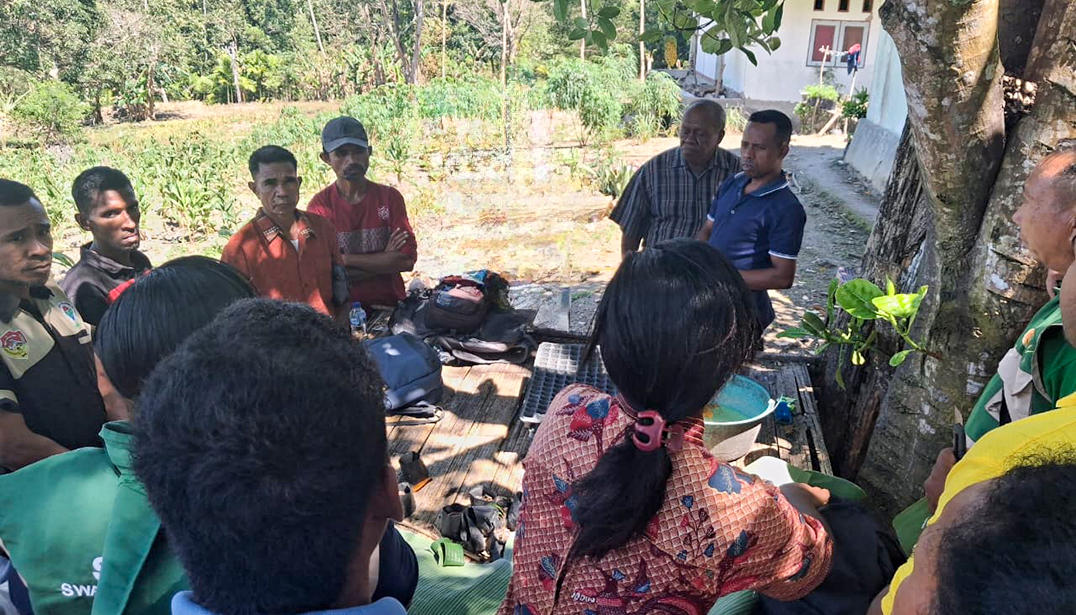
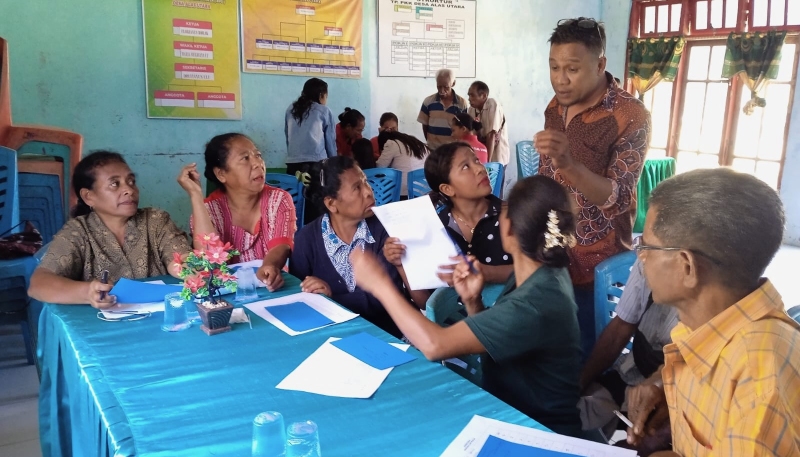
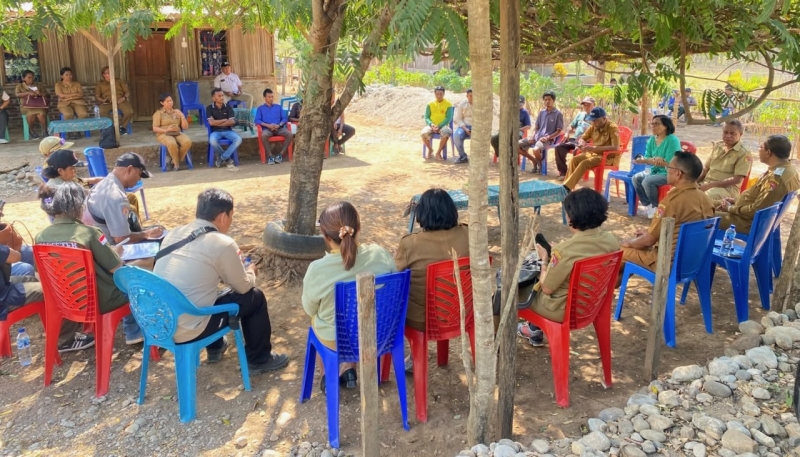
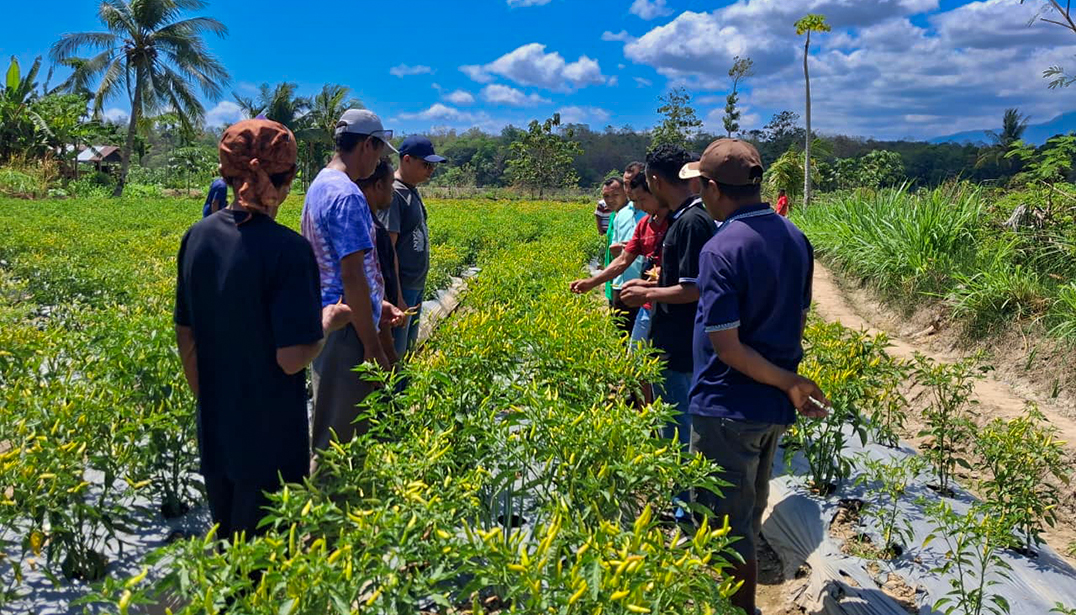 As a follow-up, the GAP Training was held from August 10 to 14, 2026. This activity involved around 15 farmer groups representing farmer groups from eight target villages of the TIWA Project. In addition to farmers, this training also embraced 10 Agricultural Extension Officers (PPL) from Raihat and Lasiolat Districts in Belu Regency, as well as East Kobalima District in Malaka Regency. The involvement of these PPLs is a strategic step considering the limited allocation of training from the government for them, the TIWA project provides capacity support so that the PPL can disseminate GAP practices to other villages along the watershed area. In this training, the participants were invited to learn more precise and efficient cultivation techniques.
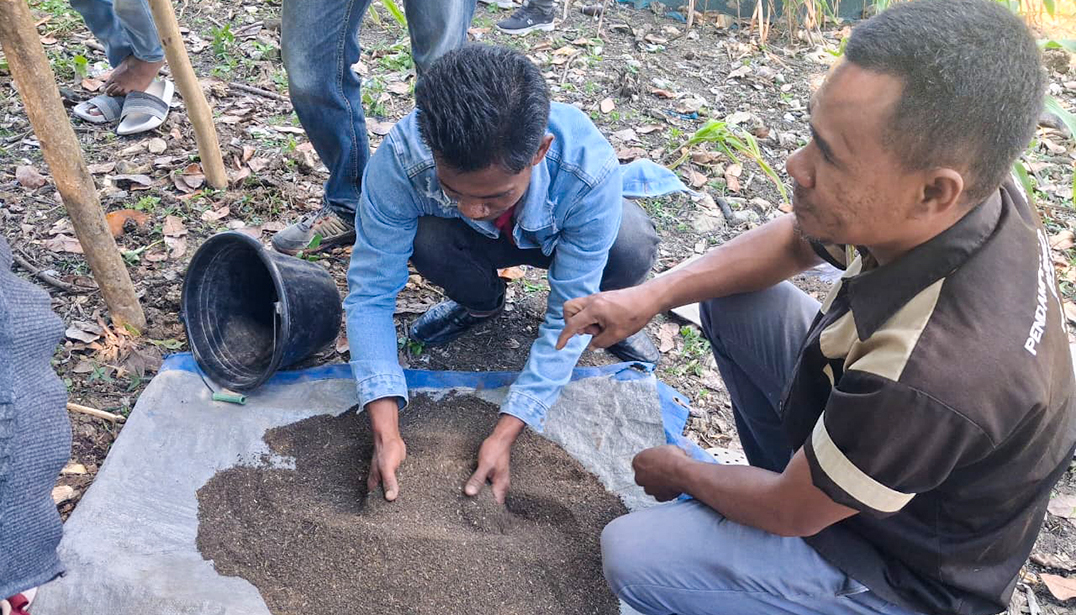
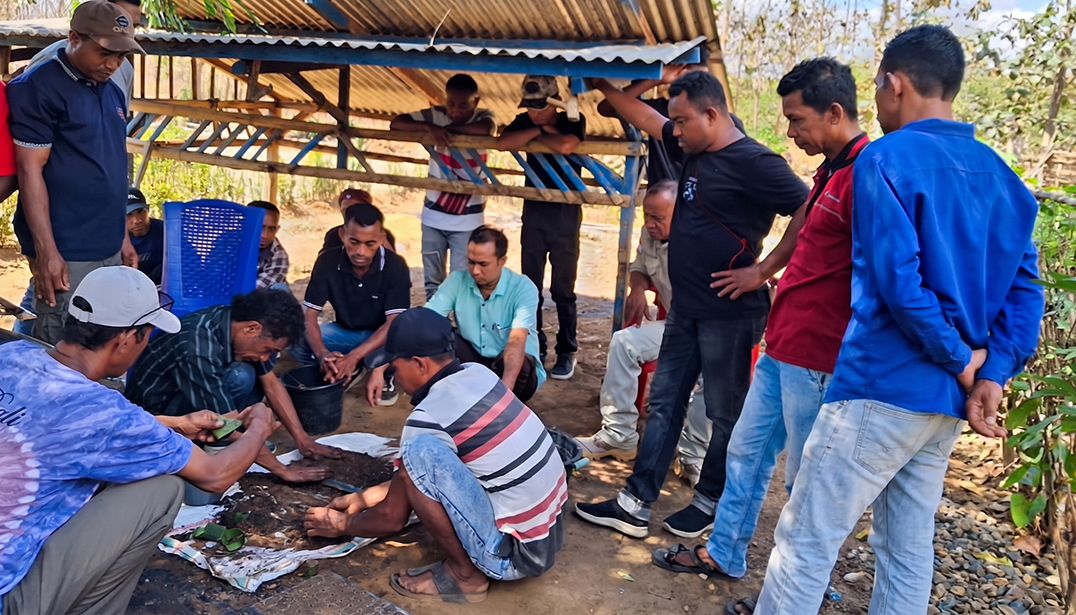
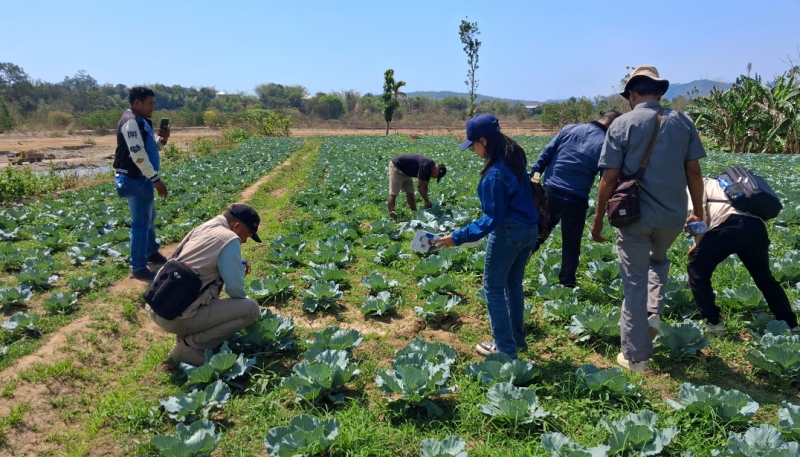
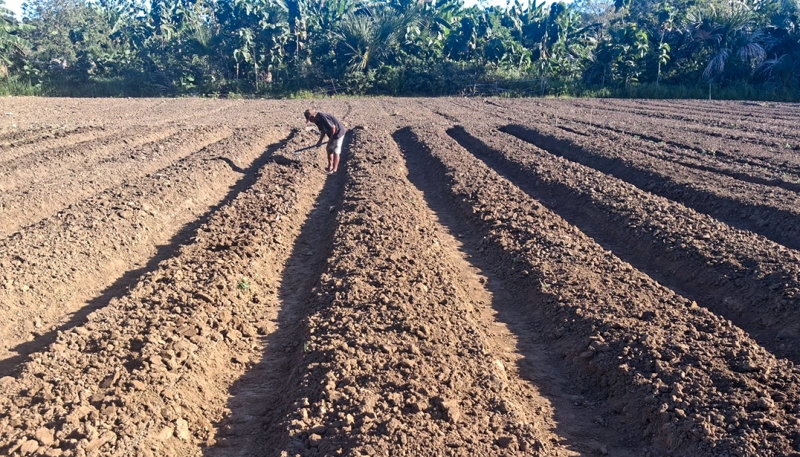
The training approach is designed to be more than just theory in the classroom. Participants received introductory materials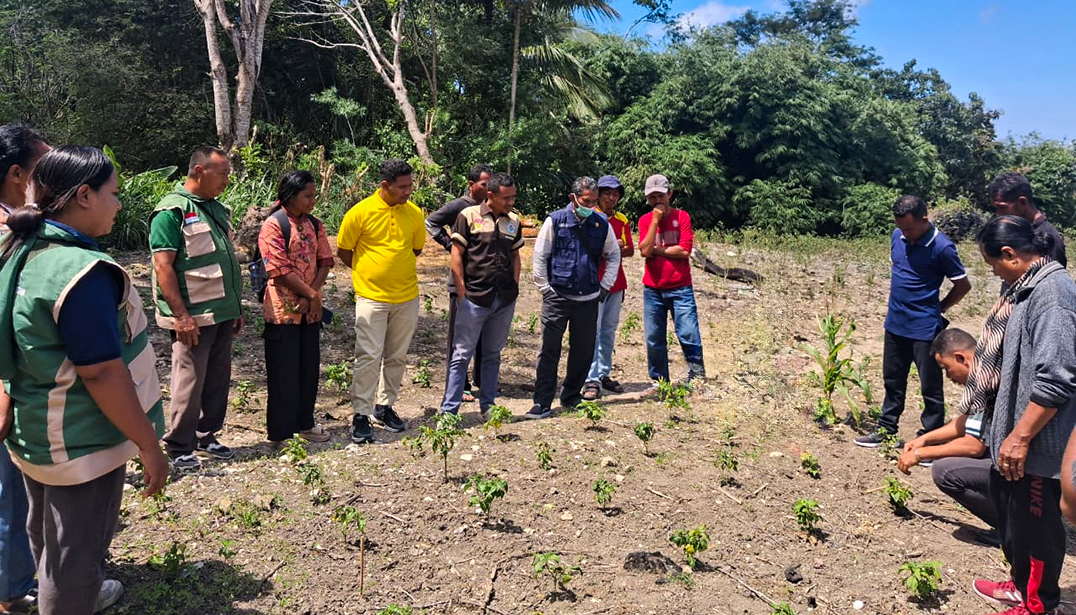 on cultivation, land preparation techniques and bedding making, to seedbed methods. They also learn to calculate fertilizer needs, a technical ability that is very important to maintain soil quality and avoid excessive use of chemical fertilizers that can disrupt both soil and water ecosystems. The application of learning results is directly carried out in the demonstration plot. This demonstration plot is also an effective interaction space, where resource persons provide direct assistance, answer questions, and provide technical input to farmer groups during practice on the field. The series of activities in mid-August is expected to improve community farming skills, maximize crop yields, and ultimately support economic independence in border areas.
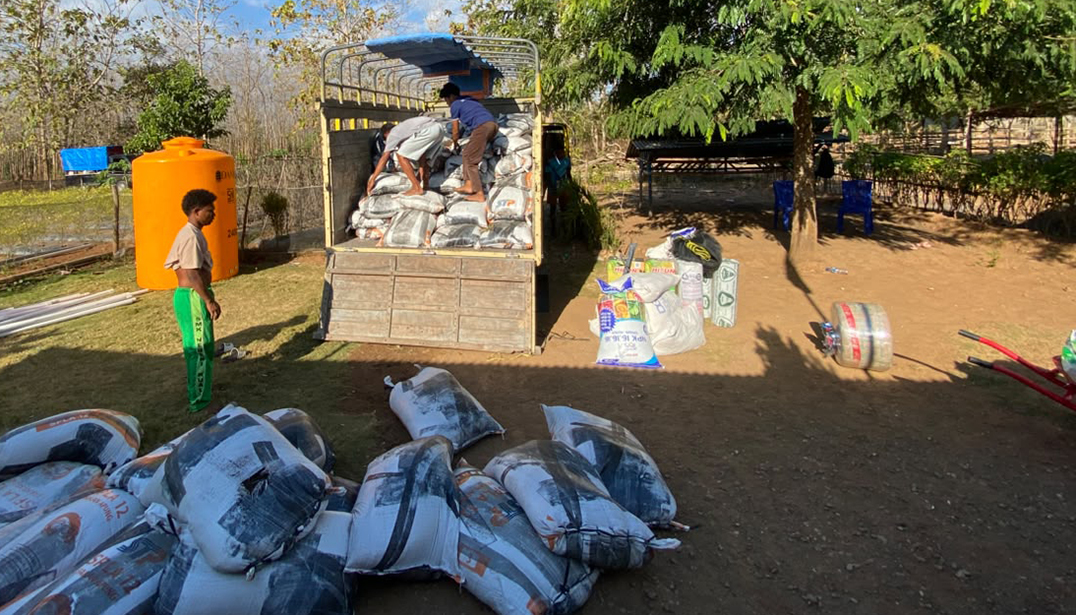
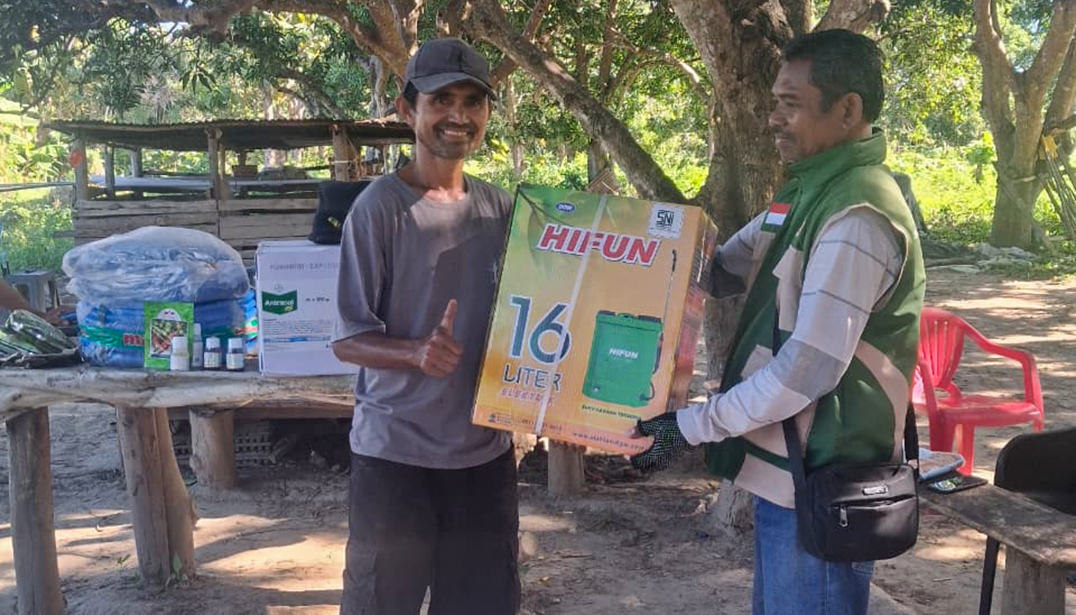
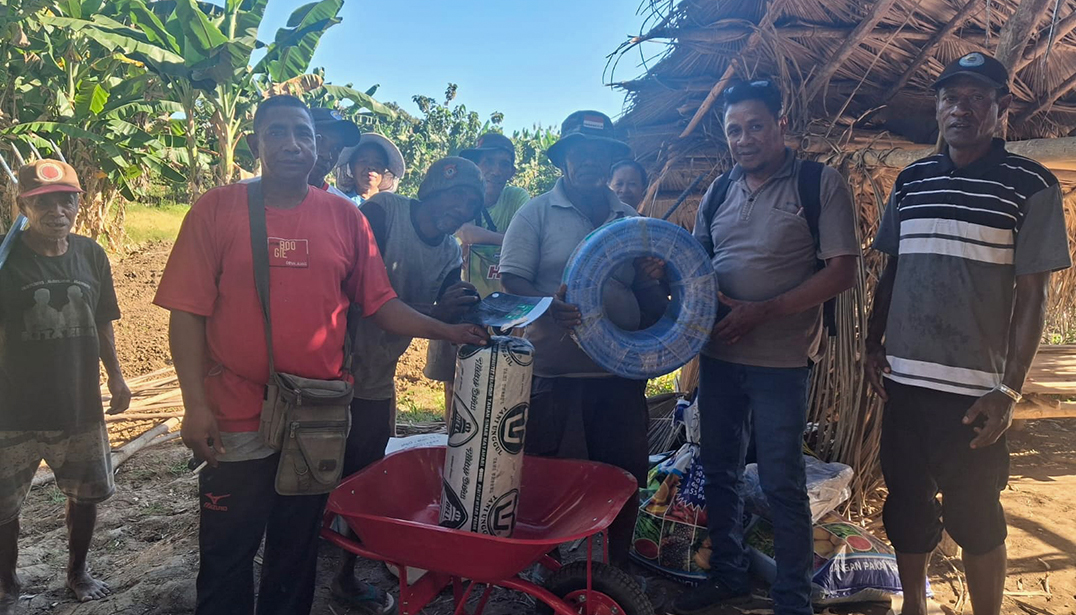
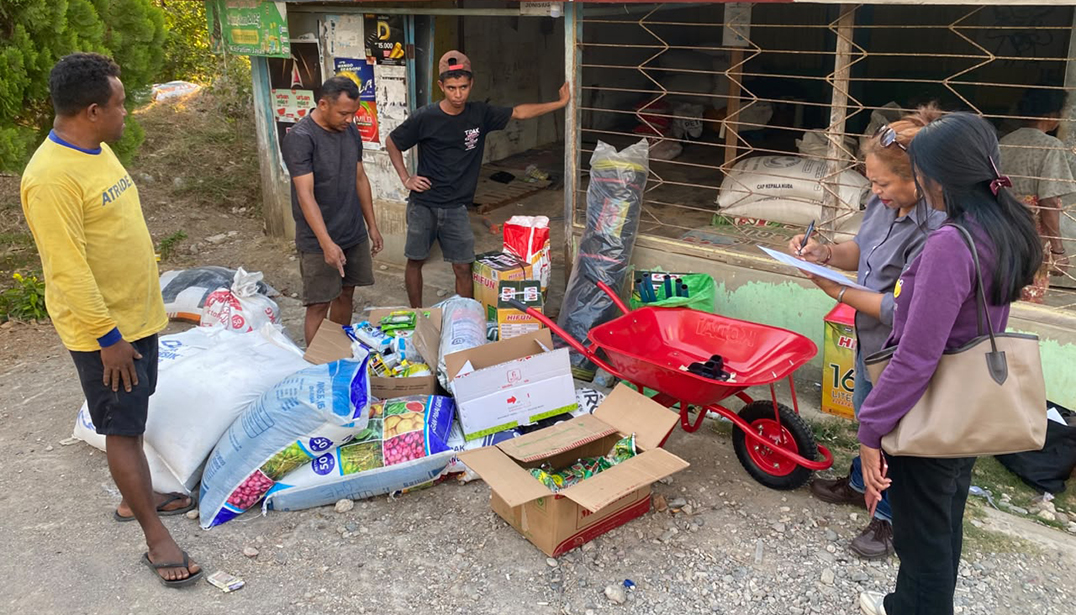 Following this GAP training activity, the Good Agriculture Practice pilot activity entered the stage that farmer groups were waiting for. A group of farmers who have built beds as a demo plot. Since August 21, they have received agricultural production facilities (saprotan) that they will use for the GAP practice which consists of equipment for seedbeds, seeds, fertilizers, pesticides. In addition, they also received tools to help farmer groups work on the land, such as mulch, hoses, drip irrigation hoses, water tanks, and other equipment. Farmer groups and InTI very much welcome this activity and look forward to the results of the GAP pilot in the next three to four months. (InTI)