Strengthening PPL as a Strategy to Develop Better Dryland Agricultural Practices in Watershed Areas
What to do when plants start to be attacked by pests? How much fertilizer is needed? How to prepare land and manage water when availability is limited? Questions like these are part of the work of Field Agricultural Extension Workers (PPL) when accompanying farmers. The answers are not always the same because every farmer's land, crops, seasons, and conditions have different challenges. Therefore, PPL needs to understand Good Agriculture Practice (GAP) in the context of dryland farming, in order to be able to translate it into practical knowledge that farmers can use.
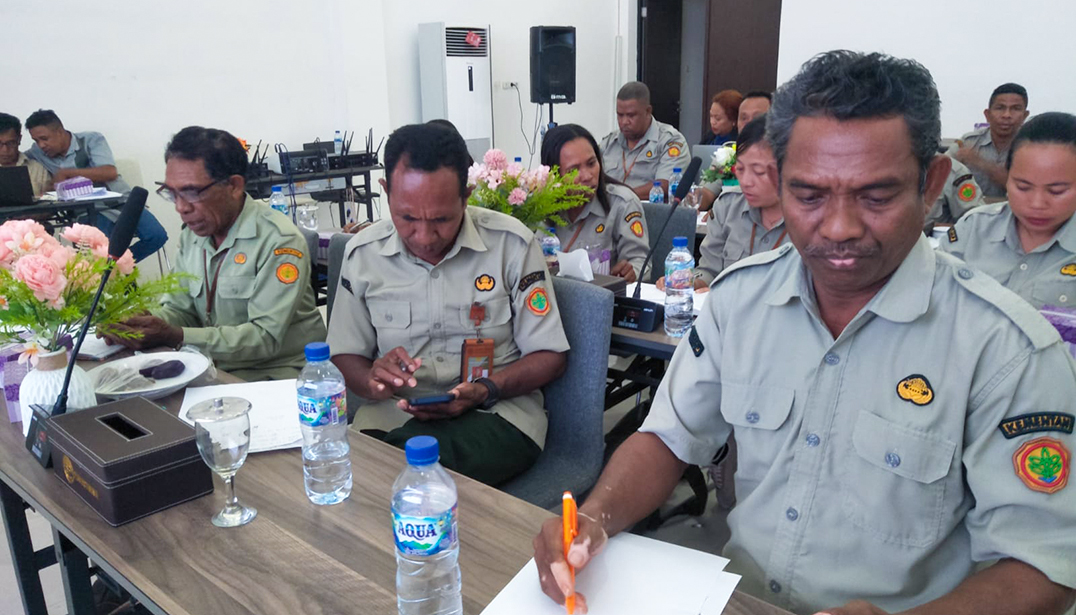
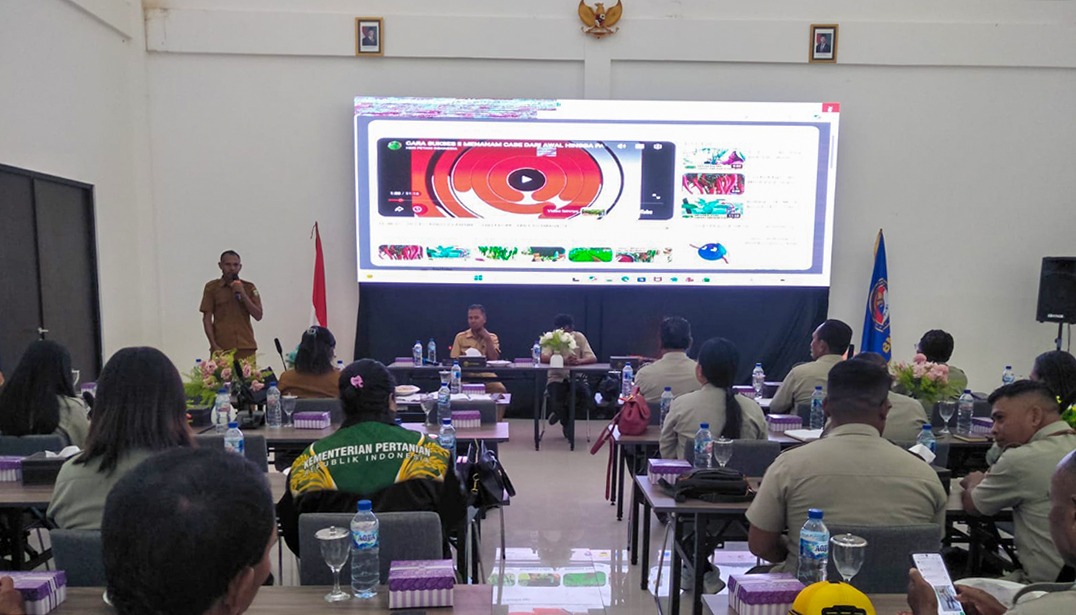
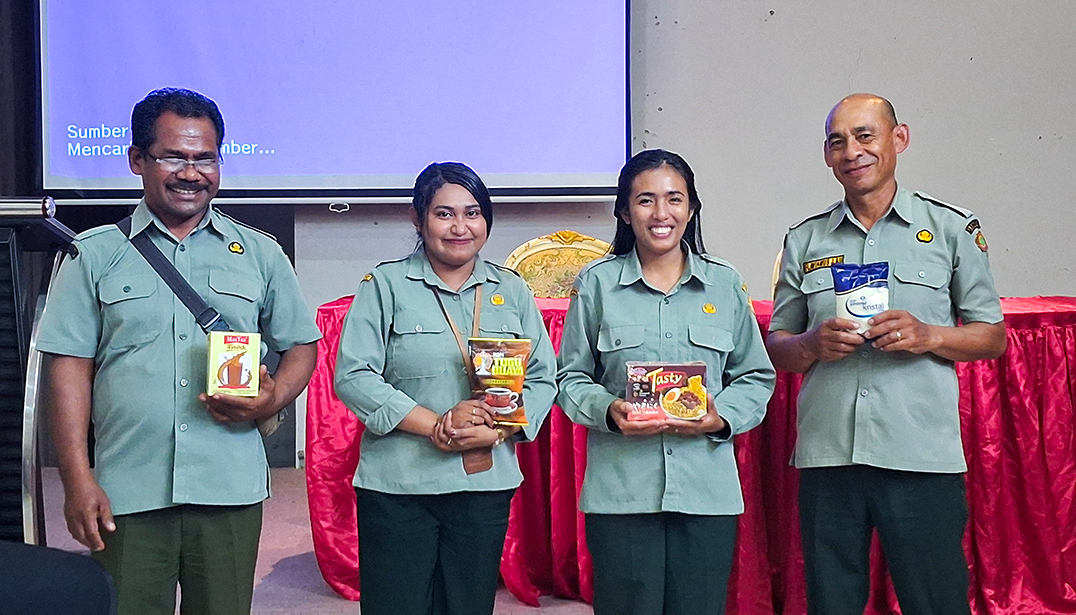
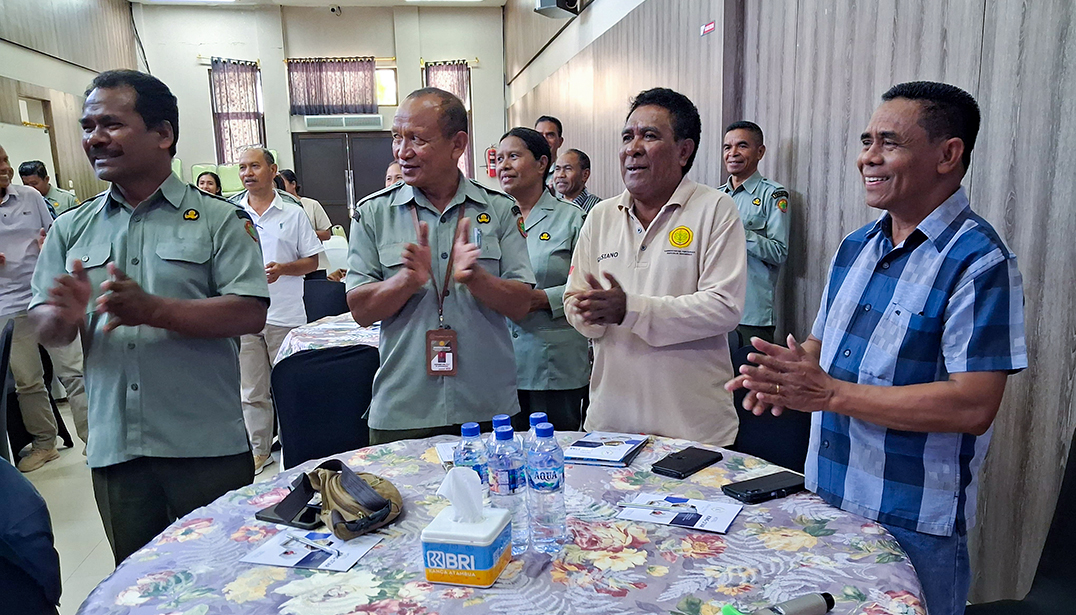
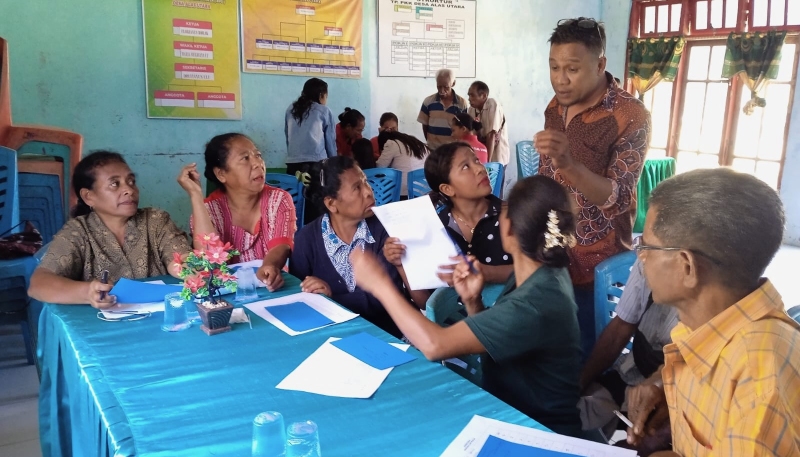
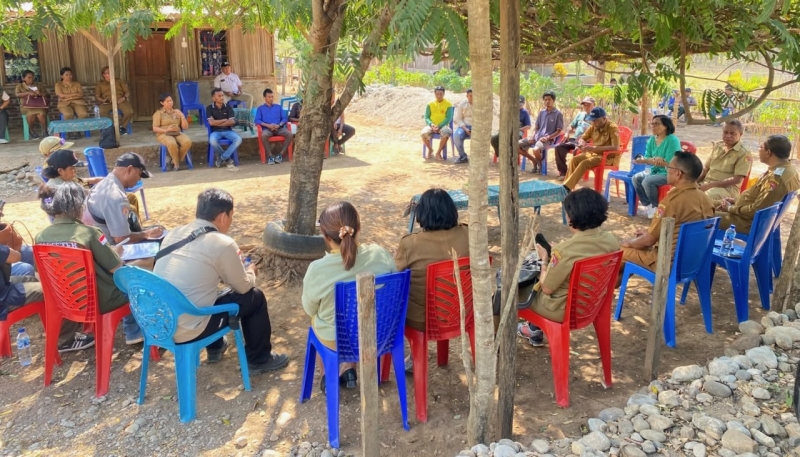
To meet these needs, Inovasi Tangguh Indonesia (InTI) facilitated the Training of Trainers (ToT) on GAP for PPL in Belu and Malaka Regencies through the TIWA Project. This activity supports sustainable land and water management in the Talau-Loes and Motamasin watersheds, while continuing to strengthen the capacity of farmer groups in eight projects assisted by the project.
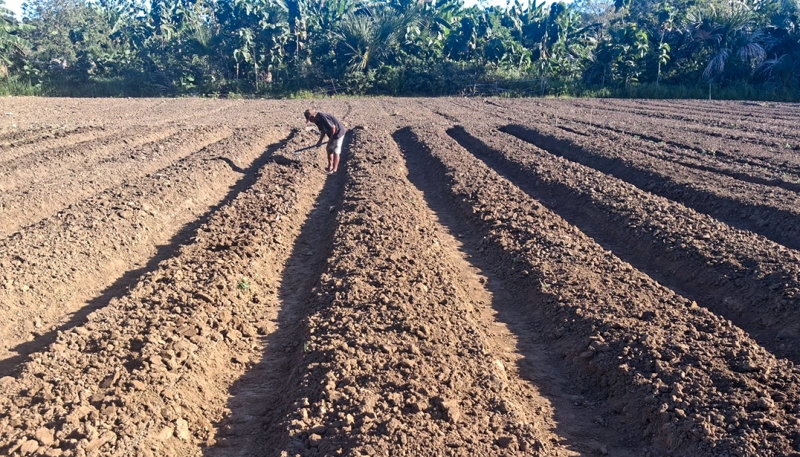
Learning starts from healthy plant cultivation, land preparation, making beds, seedlings, seed treatment, to fertilization. Participants also learn to calculate fertilizer needs. For some participants, calculating compost needs per hectare and measuring soil pH has not become a routine practice.
Horticultural material is one of the parts that attracts the attention of the participants, especially because most of them have been accompanying rice and corn more. The participants' experiences also vary, from those who have been PPL for 32 years to those who have only been accompanying farmers for about five months. Therefore, participants asked for a more detailed explanation so that the material can be used in mentoring.
"This can be a reference when we accompany farmers. Especially how to calculate the dose of fertilizer and fertilize appropriately," said a trainee from Malaka.
For participants, good agricultural practices are also related to food security. Properly managed production is expected to increase yields and productivity, while supporting food availability.
Learning from observations in the field
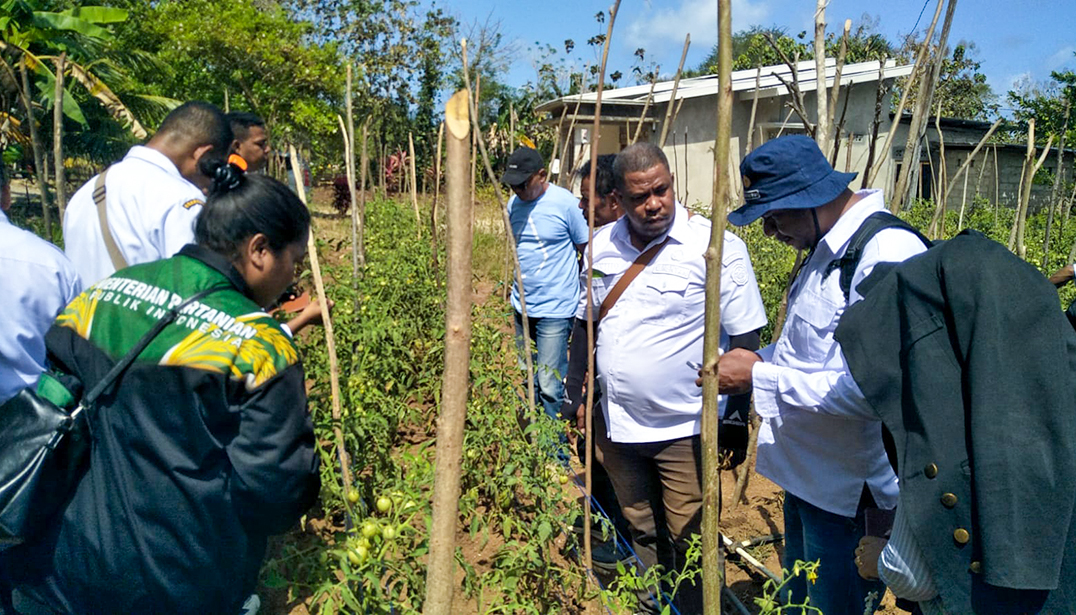
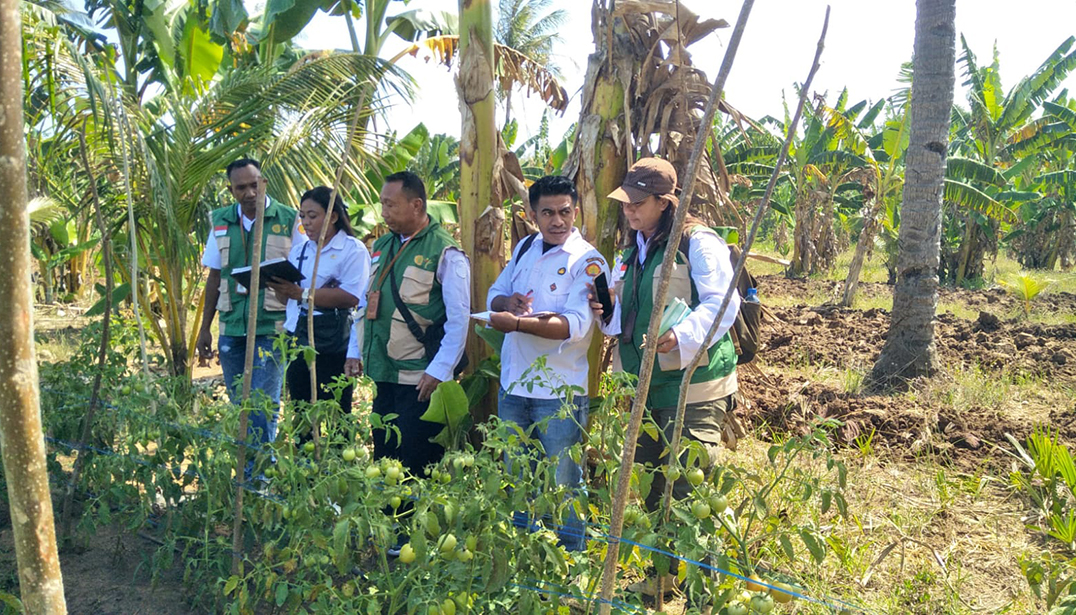
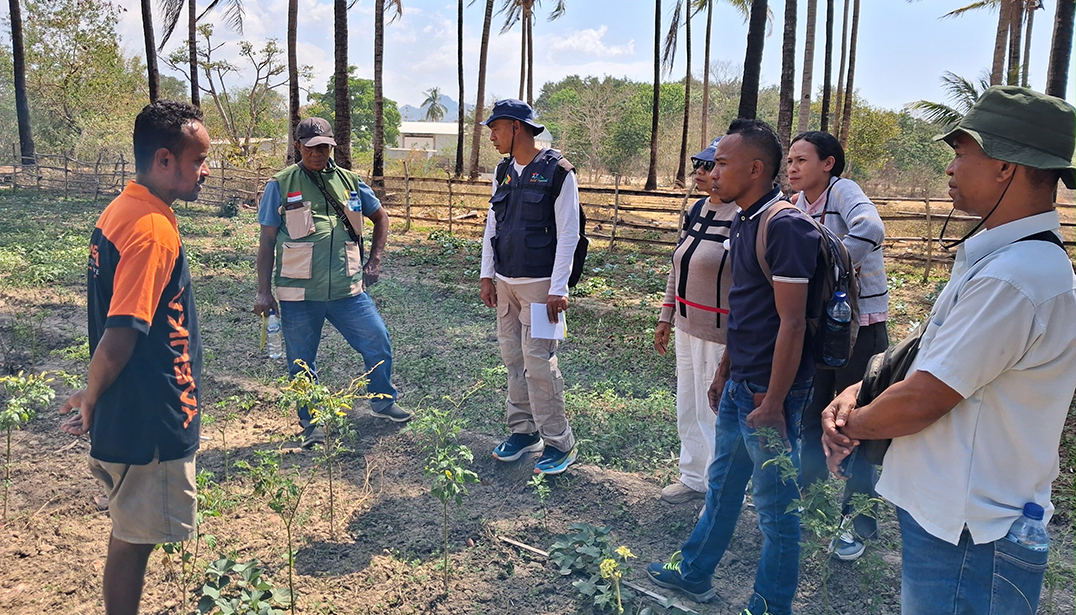
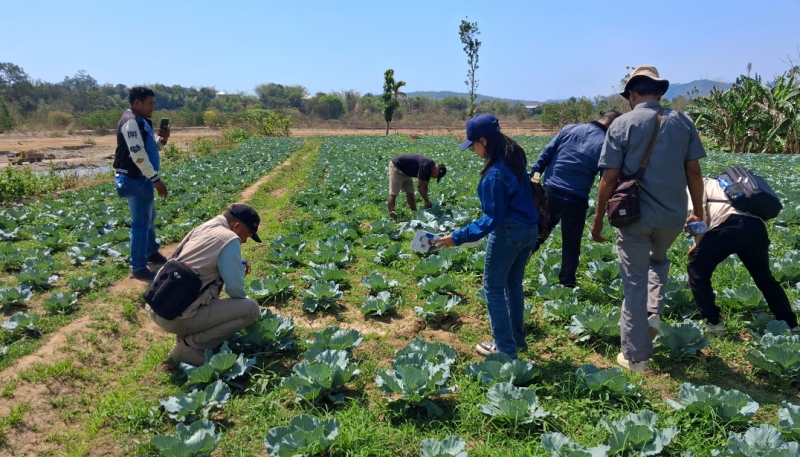
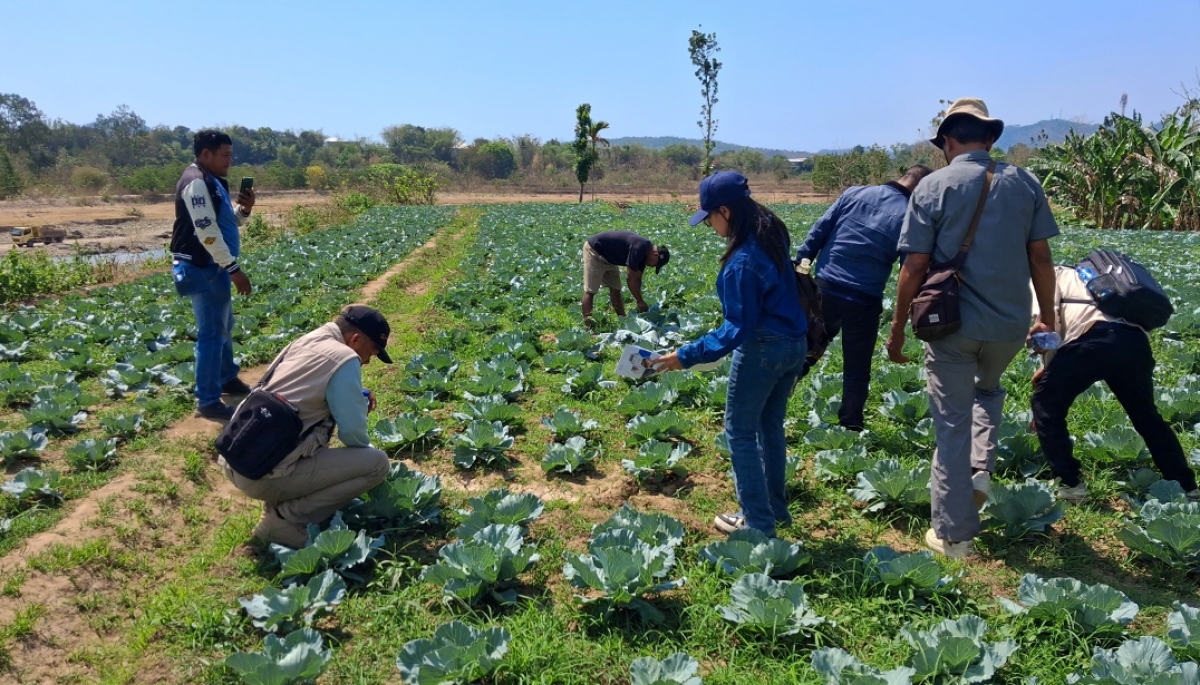
The learning continued with the practice of observing Plant Disrupting Organisms (OPT) in four gardens with cabbage, onions, chickpeas, and chili peppers. Participants observed plant conditions, recorded findings, and then discussed and presented the results. From these observations, various discussions emerged, ranging from plant conditions to participants' experiences in handling commodities they encountered in the field.
"This material is very applicable. Especially about OPT, this is a fundamental insight for us so that we can be more observant to see the symptoms found," said a trainee from Belu.
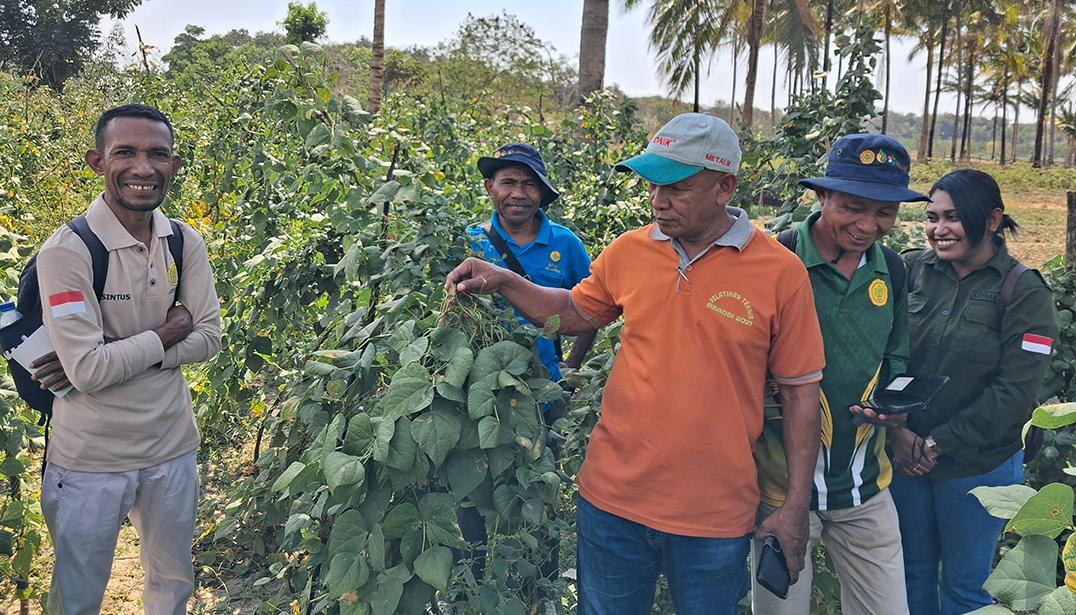
One of the interesting discussions arose when participants observed chickpea plants. They generally understood that chickpeas can only be harvested about seven to eight times. However, through observation and discussion, participants learned that with proper management, chickpea plants that are still in good condition can be maintained and produce the next harvest. These findings encourage the exchange of experiences and enrich understanding between participants.
For the PPL who accompany Alas Selatan Village, Malaka, this field practice is also an opportunity to connect the material learned with the activities they have done.
"What we learned today is still theory. But in Alas Selatan Village, we have practiced some of it. So this is not just knowledge, but real experience that we can apply in the future."
Knowledge for mentoring
Water management through the Recharge, Retention, and Reuse approach, which is often called the 3R, is a learning in dryland agriculture where PPL learns how water can be managed efficiently, effectively and sustainably to get a better harvest without causing the risk of environmental damage. The material obtained can be used by PPL to improve mentoring, as well as help provide insight, motivation, and awareness to farmers. The results of the pre-test and post-test show an increase in the knowledge of the training participants. However, they still see the need for deepening, especially to understand horticultural management more comprehensively.
"This material is very good and can really be a provision for us to improve mentoring, provide insights, and encourage the motivation and awareness of farmers," said another PPL member from Belu.
Training participants from the coordinator element or the agency will bring the training results to the coordination meeting to become material for capacity building planning for other PPLs. In this process, support and assistance from the InTI team are still needed so that learning can continue.
The GAP ToT for PPL will be held in Belu Regency on September 24–26, 2026 and Malaka Regency on September 28–30, 2026, with approximately 30 PPL people involved each. (InTI)