Story from Belu: Defining New Steps for Sustainable Agriculture in Four Villages
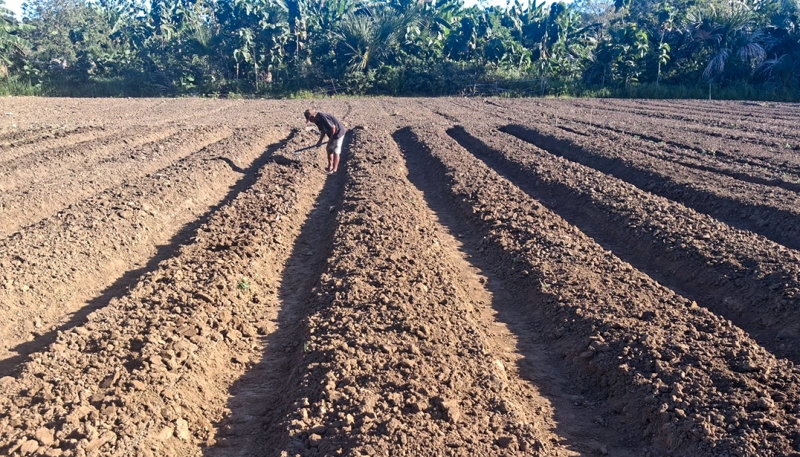
What really happens when yields in fields and rice fields continue to decline? This question is often answered with common reasons such as fertilizer scarcity or unpredictable weather. However, the people in Asumanu, Baudaok, Tohe, and Maumutin Villages, Belu Regency, found a deeper picture of the problem. Previously, through the Participatory Rural Appraisal (PRA) process, they mapped the condition of their village and realized that the decline in crop yields was part of a chain of interrelated problems. Behind the low agricultural production, there is the problem of inactive farmer groups, the lack of interest of young people in farming, and environmental threats such as landslides and droughts. Even so, these four villages still have the same potential, namely the availability of spring water sources, strong traditional wisdom, and a variety of local agricultural commodities.
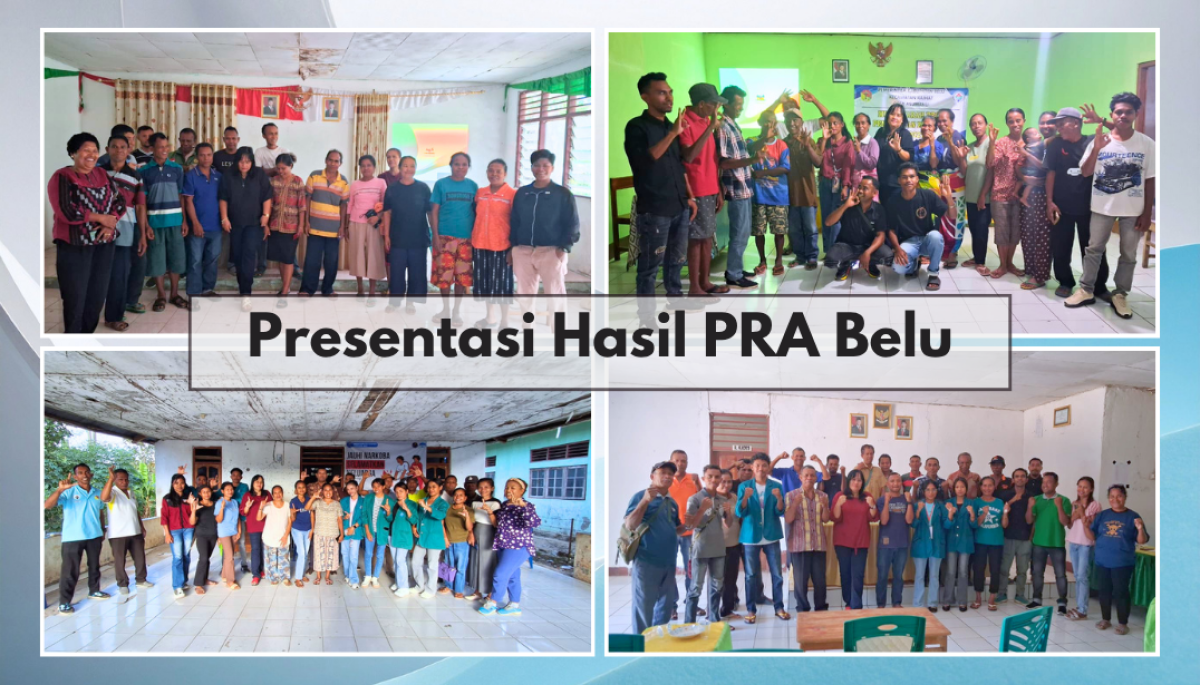
Despite facing challenges and having similar potential, the PRA results presented in early August 2026 show that each village needs a different approach to problem solving. In Asumanu, the main challenge is in the production stage due to pest infestations and delays in fertilizer distribution. Therefore, the agreed follow-up steps focus on improving cultivation practices and strengthening environmental mitigation in the Talau-Loes watershed area. This condition is different from Baudaok. The people there are actually able to produce well, but are often constrained by unstable prices and the permit system. For them, the improvement of the family economy can only be achieved if post-harvest skills are improved and youth are involved in processing crops into products with a higher selling value, not just selling raw commodities.
Meanwhile, the problems in Tohe and Maumutin Villages show a different dynamic. Tohe communities face the problem of a reduced productive workforce as many young people prefer to migrate, a condition exacerbated by the damage to the village's irrigation canals. This reality encourages Tohe communities to prioritize improving the water network, making cross-village irrigation governance agreements, and re-empowering young farmers. On the other hand, the problem that emerged in Maumutin was very related to the decline in compliance with local wisdom. The repeated use of local seeds without the support of adequate production facilities, coupled with land expansion that threatens water sources, makes Maumutin communities aware of the importance of restoring the buffer forest ecosystem and optimizing the function of village economic institutions such as Village-Owned Enterprise (BUMDes).
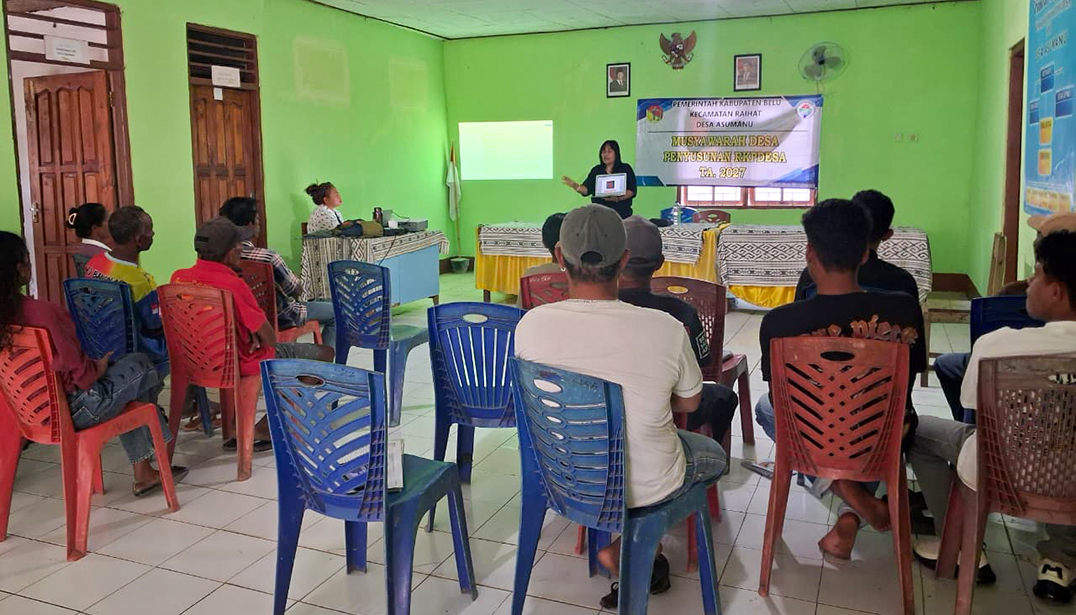
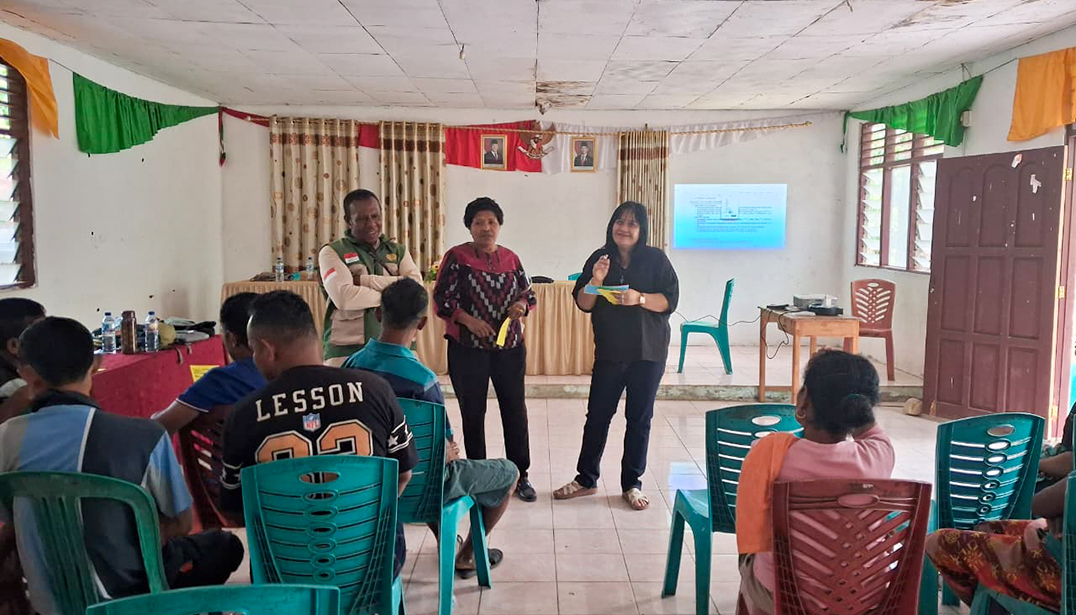
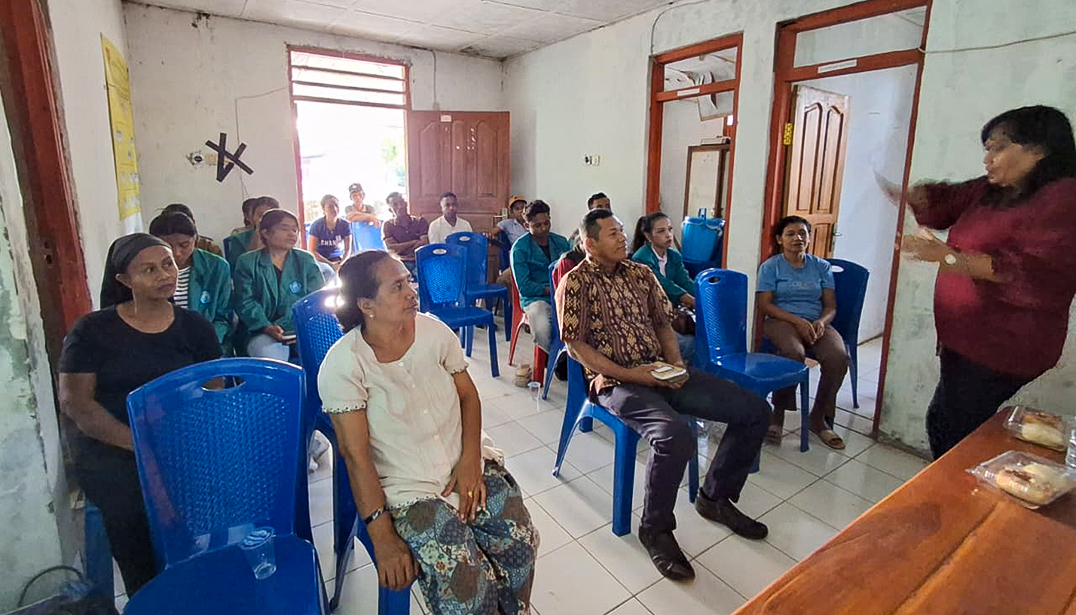
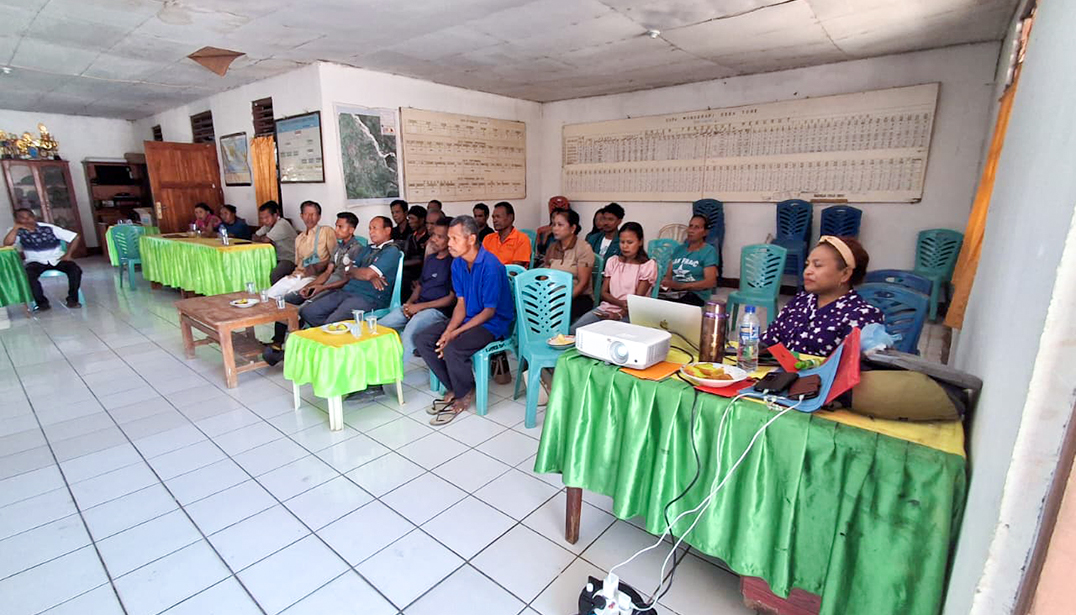
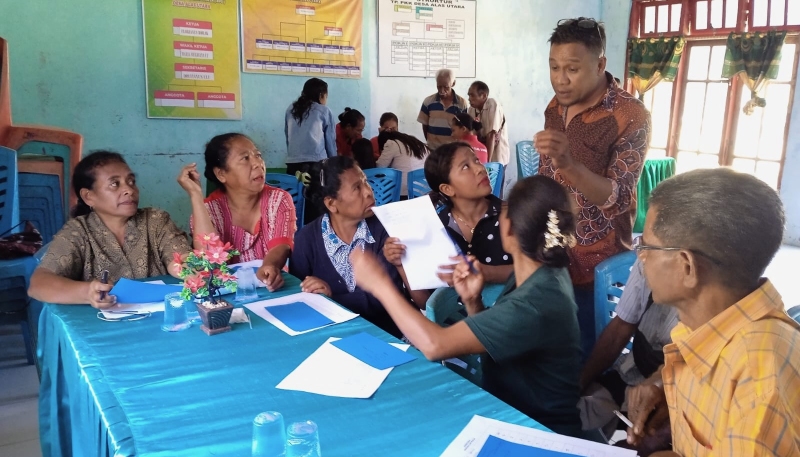
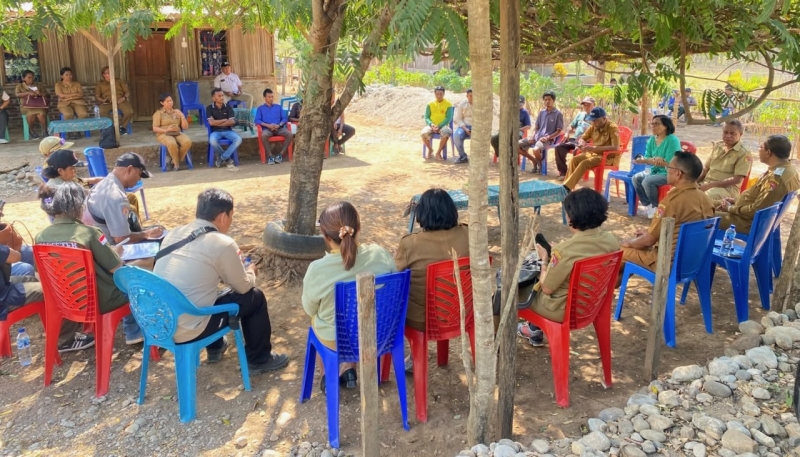
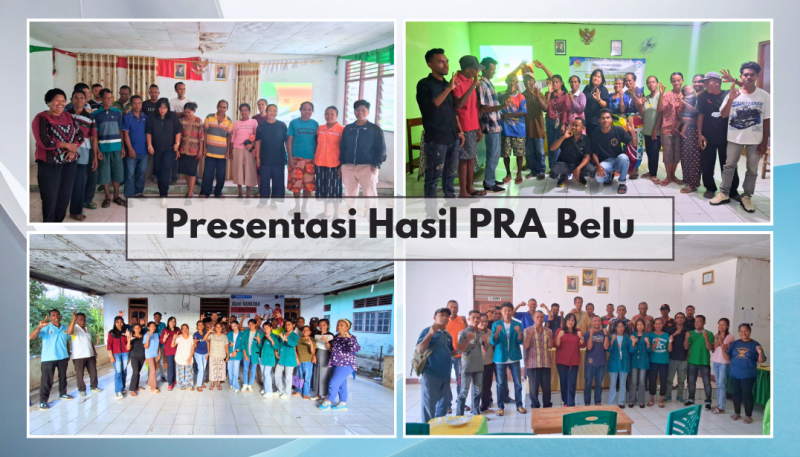
The presentation of the PRA results in early August was ultimately not just a chance to submit a study report. The presence of around 80 to 90 percent of people who were previously not involved in the initial mapping process, makes this forum an effective cross-village discussion and learning forum. From this process, a strong sense of community ownership emerges from the community because they succeed in assessing the real picture of the condition of their own village. The community has become more aware that better water management, environmental conservation, the application of local wisdom, and the meaningful involvement of the entire community are one effort that will greatly affect the future of the village, especially in realizing agriculture that is resilient to the risks of climate change and disasters.
It is at this point that the PRA process shows its important role. This study does not produce a single, generalized recommendation for all regions, rather, it fosters a forum for discussion so that communities can determine their own solutions. With a more structured understanding of the root of the problem, each village can now prioritize what steps should be taken and which parties need to be involved. In the future, the improvement of the agricultural sector in these four villages will not only focus on how to increase crop production, but also on efforts to build community capacity to be independent in protecting the environment, preserving traditions, and managing their own villages sustainably. (InTI)