Transboundary Watersheds Working Group Goes to Villages, Seeing Firsthand TIWA Project Activities
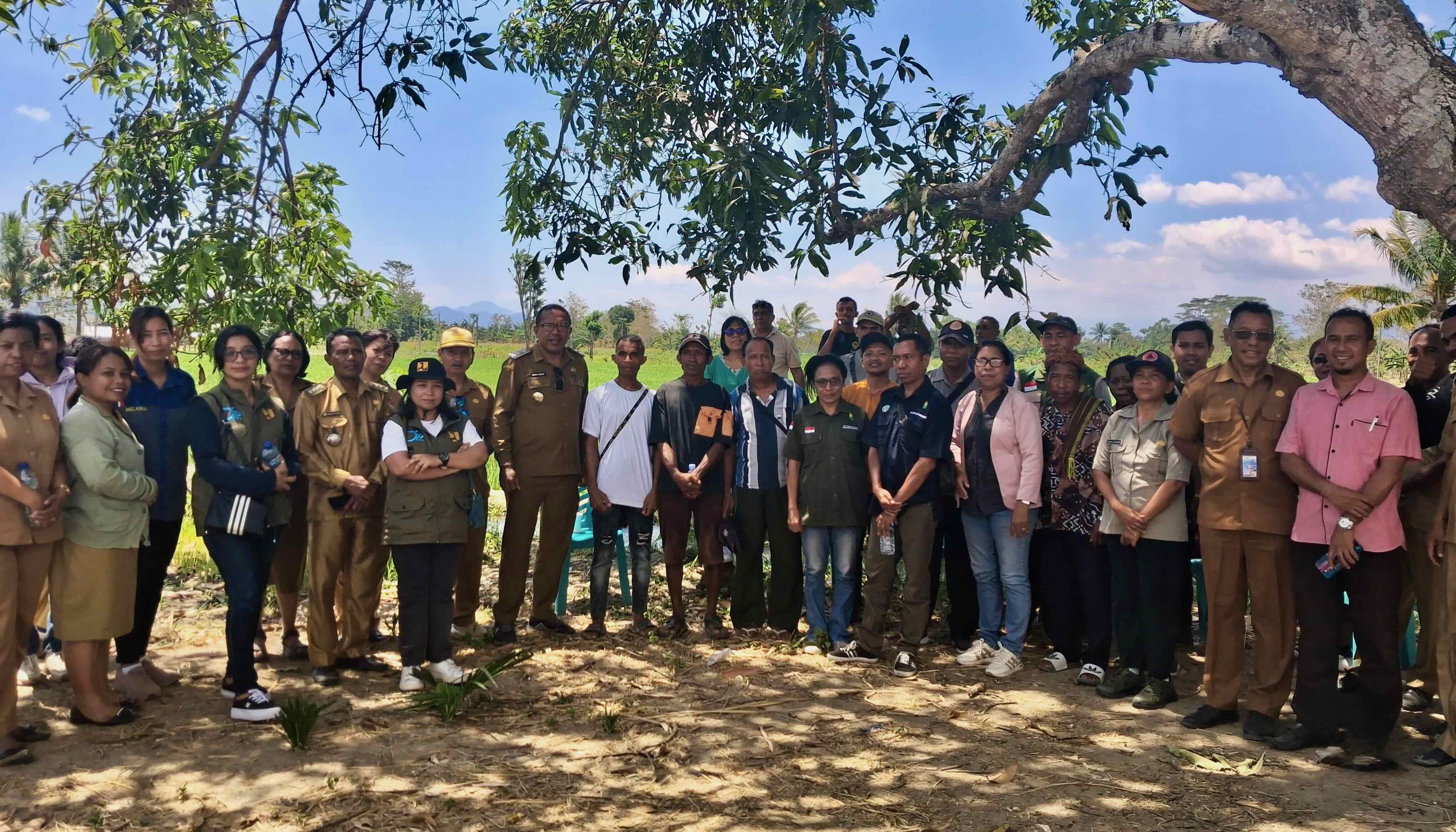
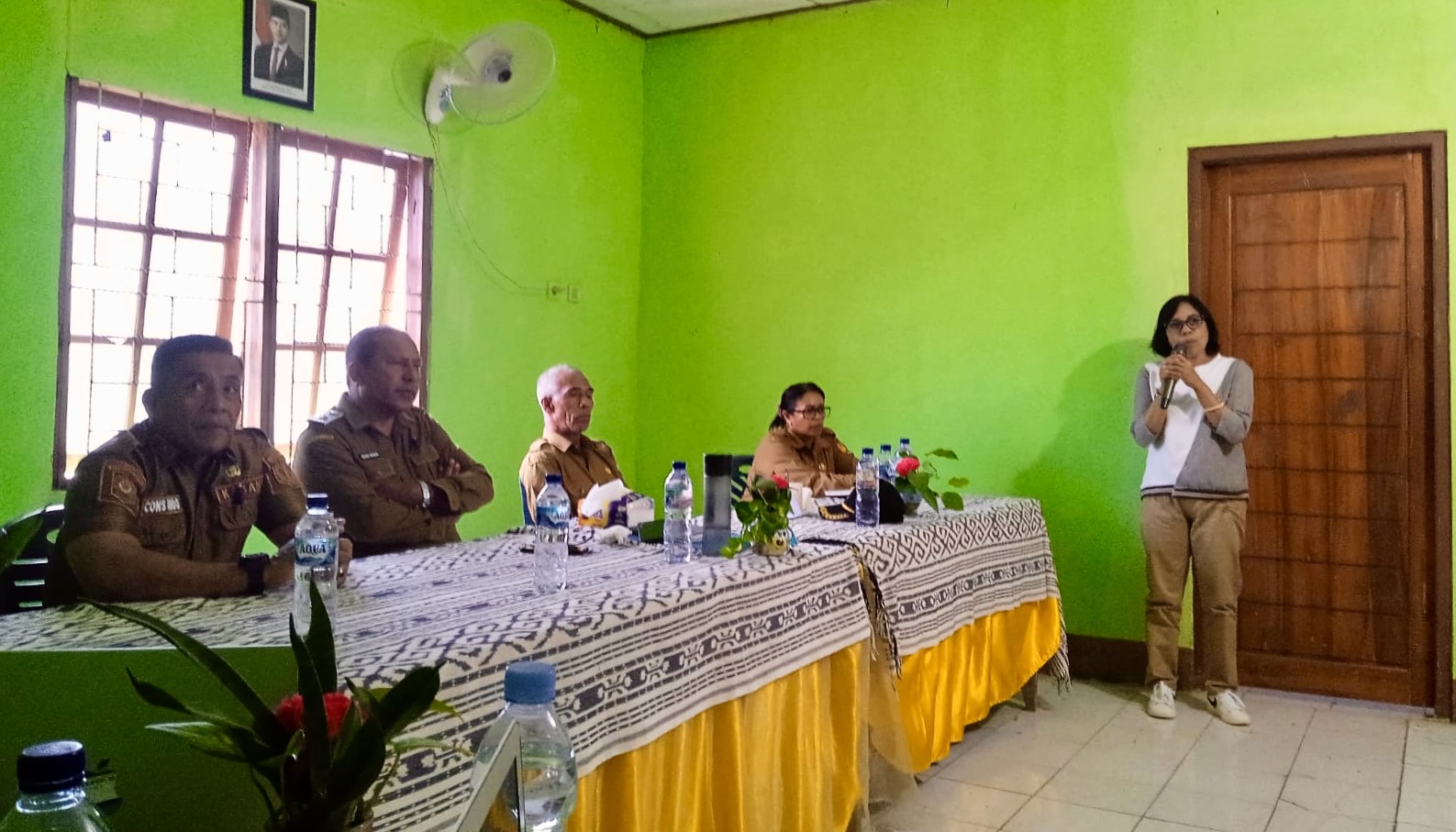
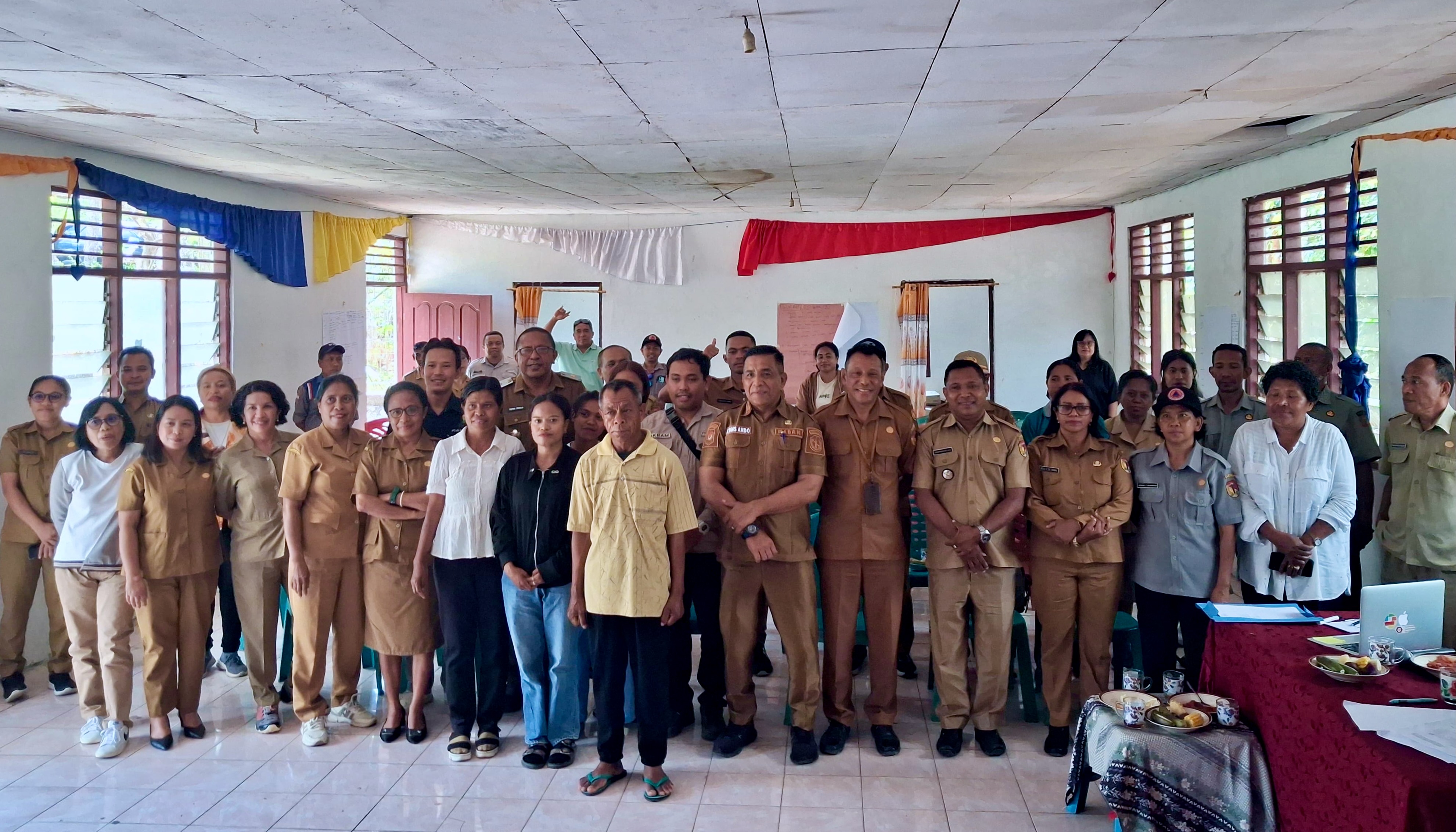
Watershed Management does not only require policies and coordination at the government level. Its implementation also needs to look at the conditions of the communities that live and depend on the watershed area. Therefore, the Transboundary Watersheds Working Group in Belu and Malaka Regencies visit the villages assisted by the TIWA (Timor Island Watersheds) Project this September 2026. This visit is an opportunity for the members of the Working Group (WG) to see firsthand the ongoing activities, meet with the village government, communities, and farmer groups, and discuss the conditions and needs in each village.
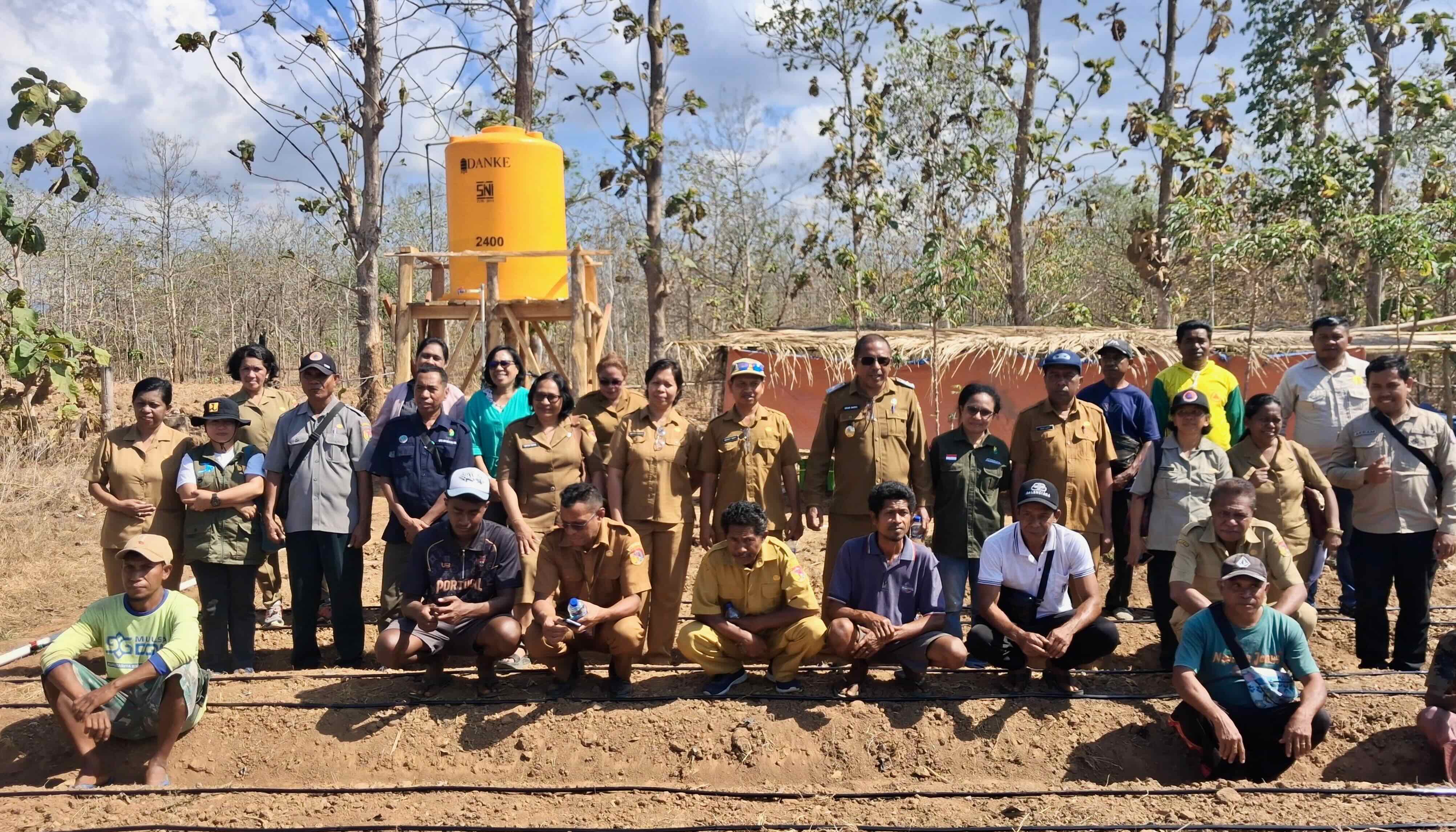
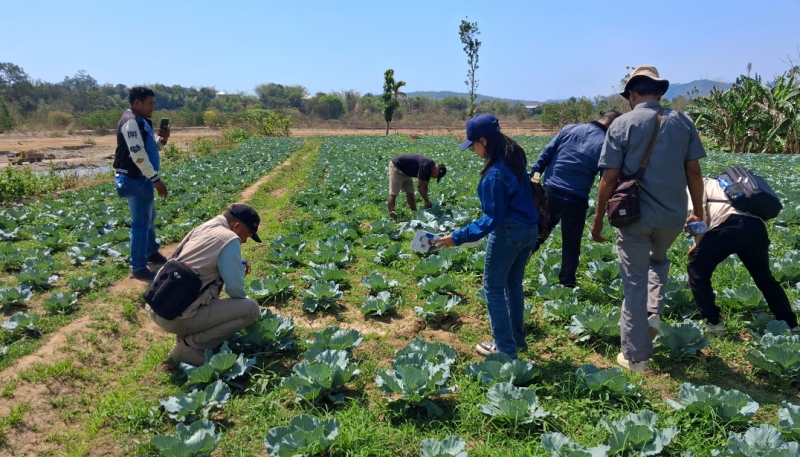
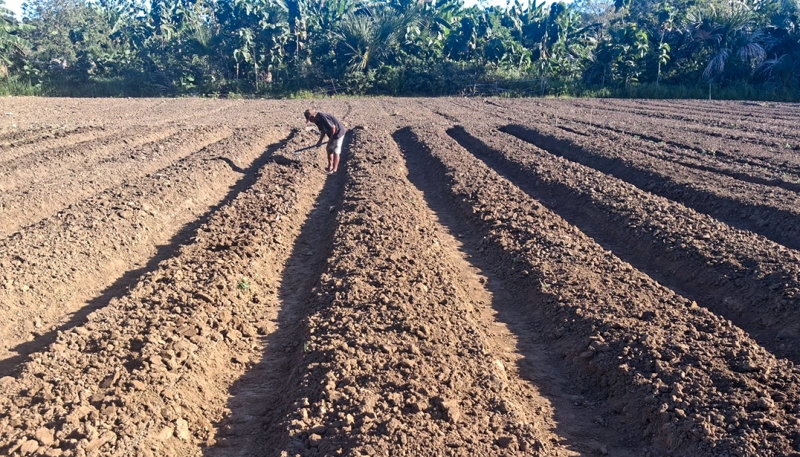
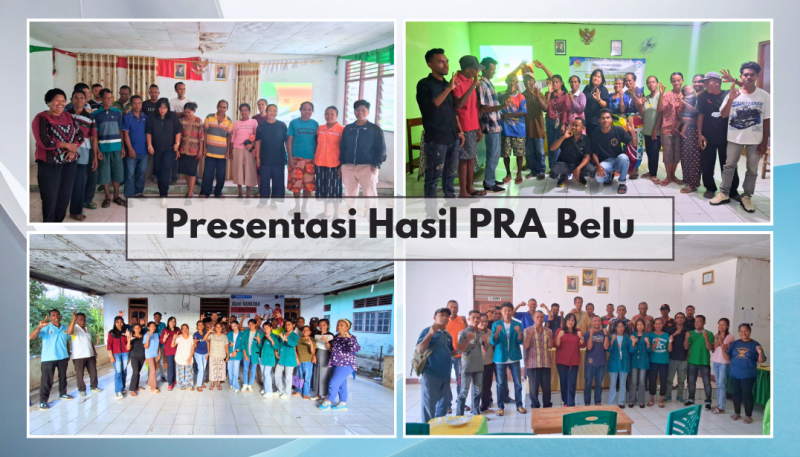
For the Transboundary Watershed Working Group, this visit is also the first step to get to know the project work area firsthand. Since it was formed in April 2026, this is the first opportunity for Working Group members to come to the target villages of the TIWA Project and see activities that were previously discussed more through coordination forums. One of the focuses of the visit was to see the implementation of pilot demonstration plots or demonstration plots that have begun to be developed in assisted villages. This activity departed from the results of a preliminary study and Participatory Rural Appraisal (PRA) conducted by Inovasi Tangguh Indonesia (InTI) some time ago. One of the problems found was the livelihood of the community. Most people work in the agricultural sector, but still face limited knowledge in sustainable agricultural practices that are friendly to the ecosystem and the environment. This condition has an impact on less production, both in terms of quantity and quality.
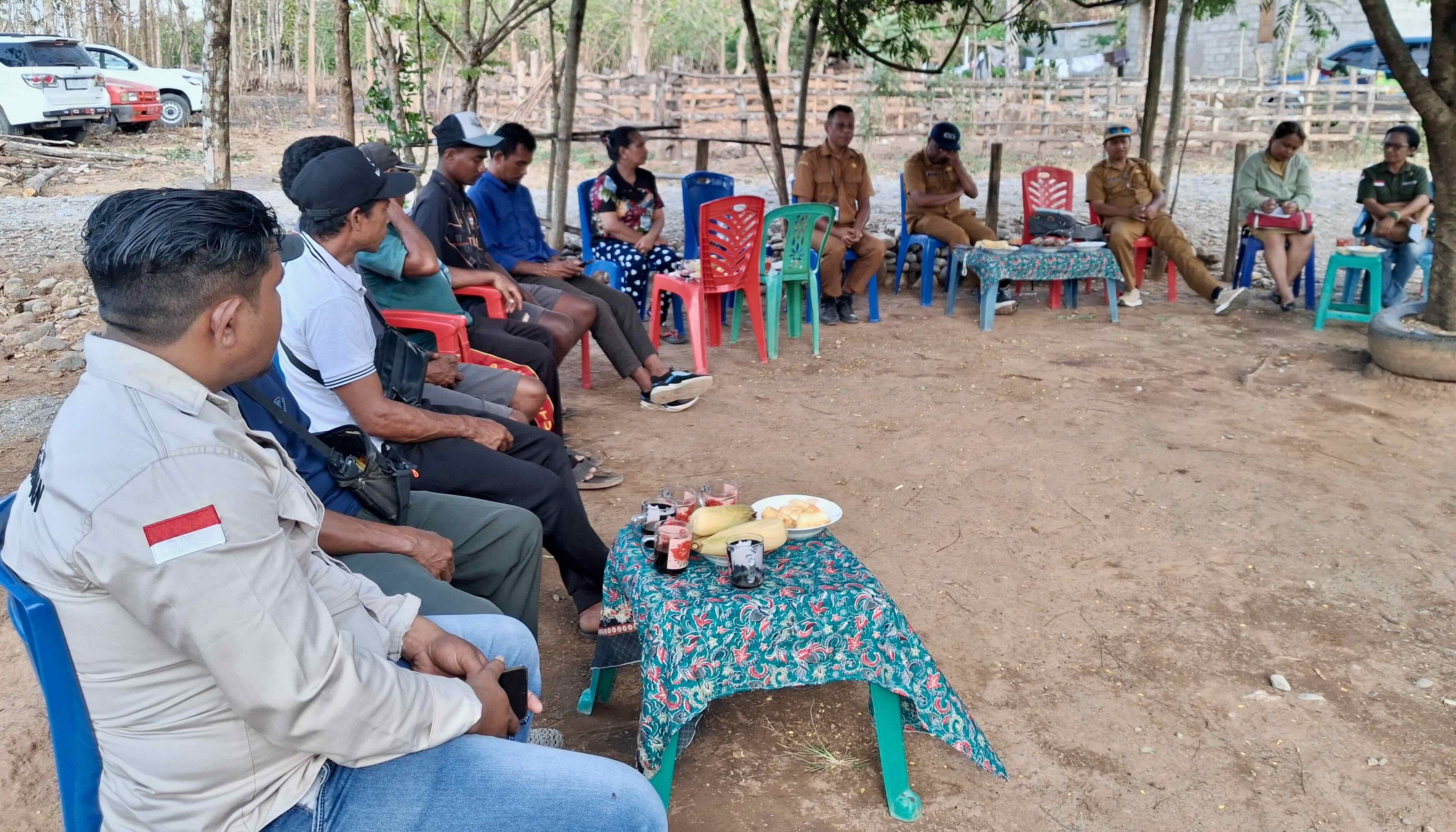
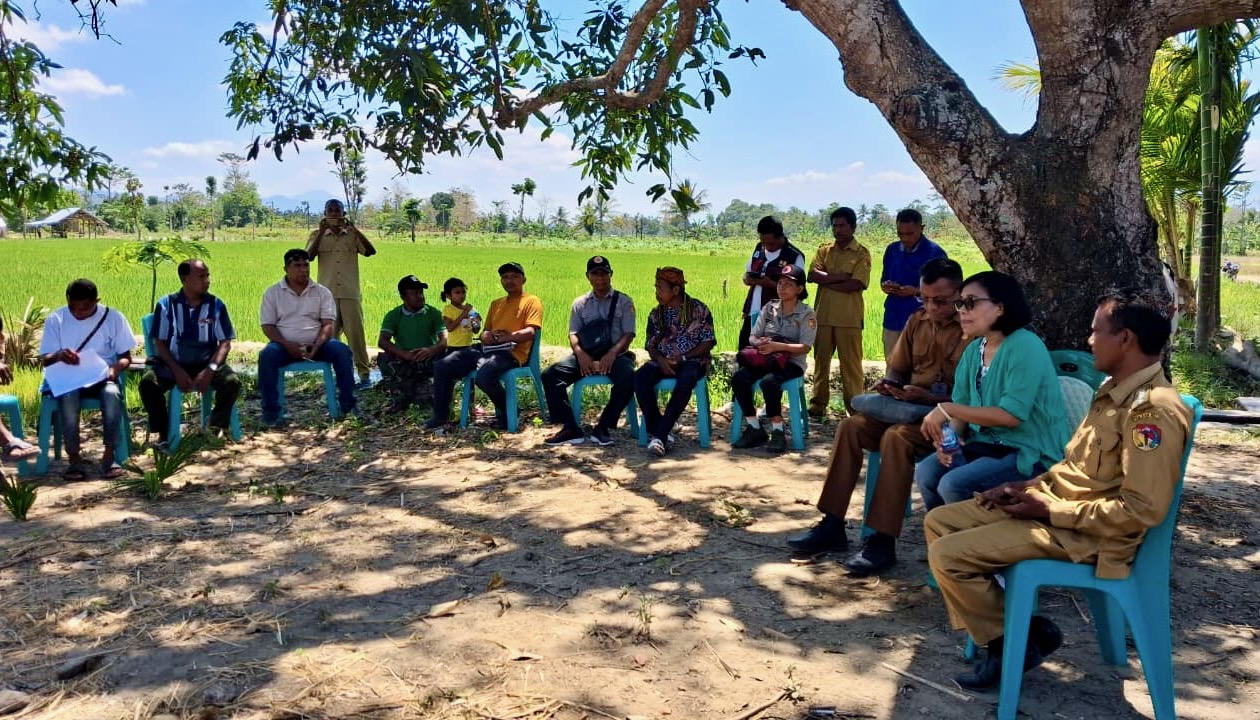
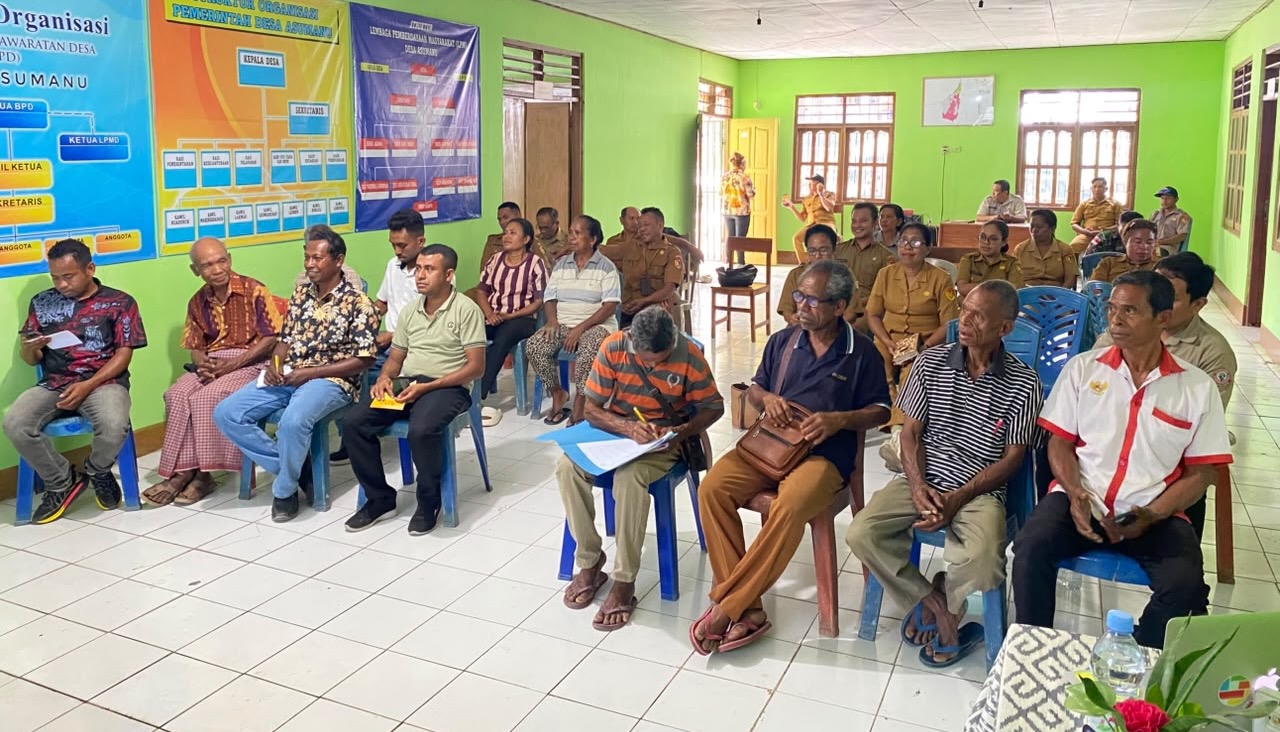
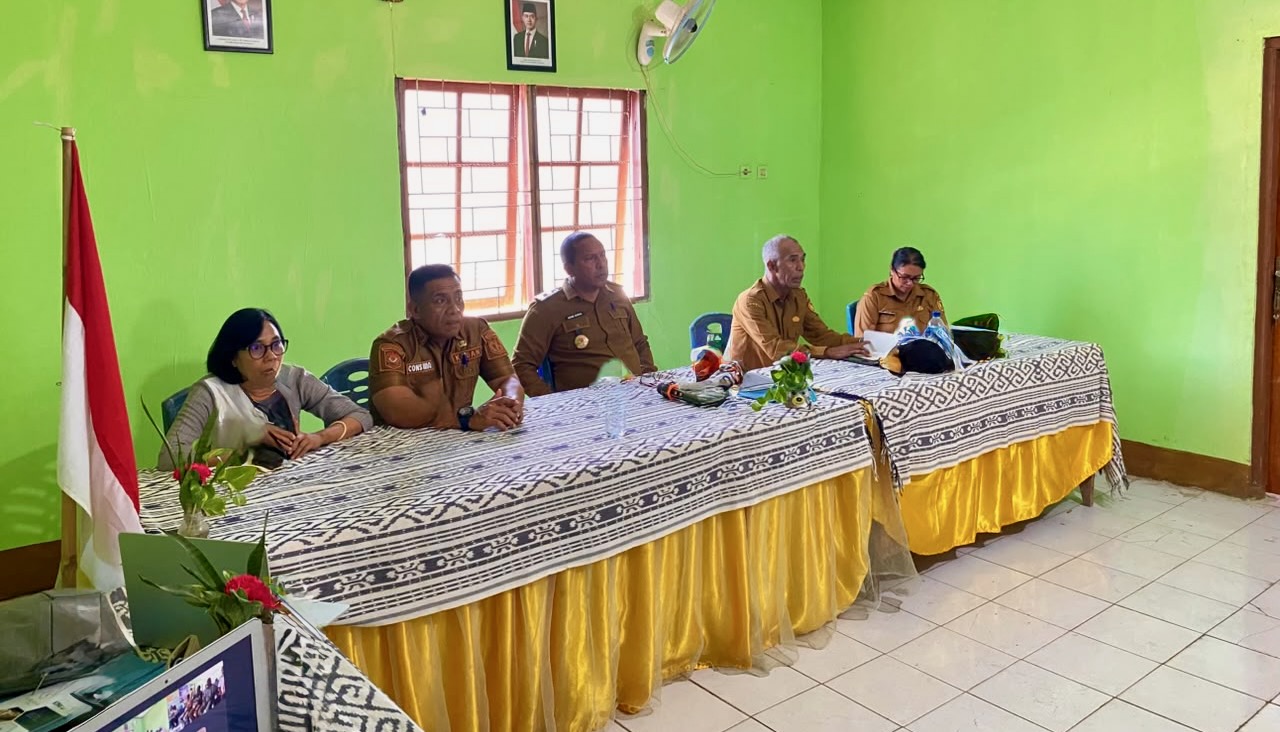
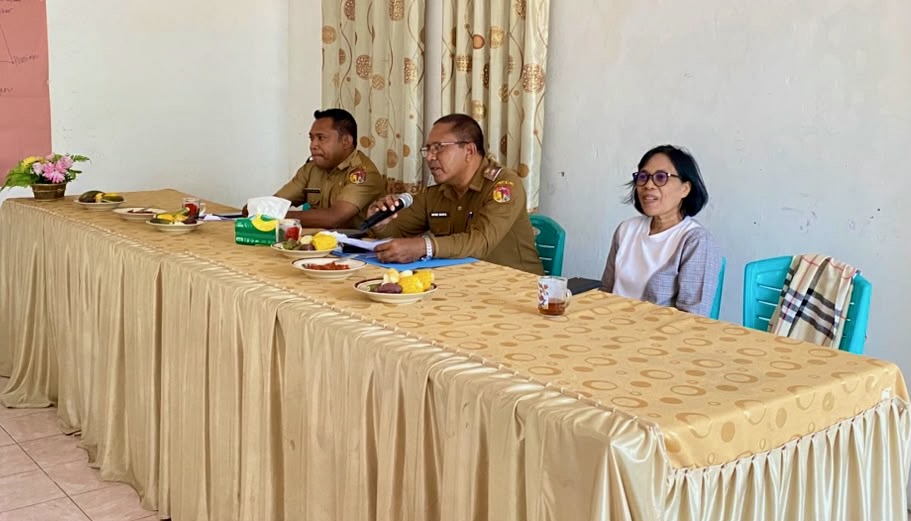
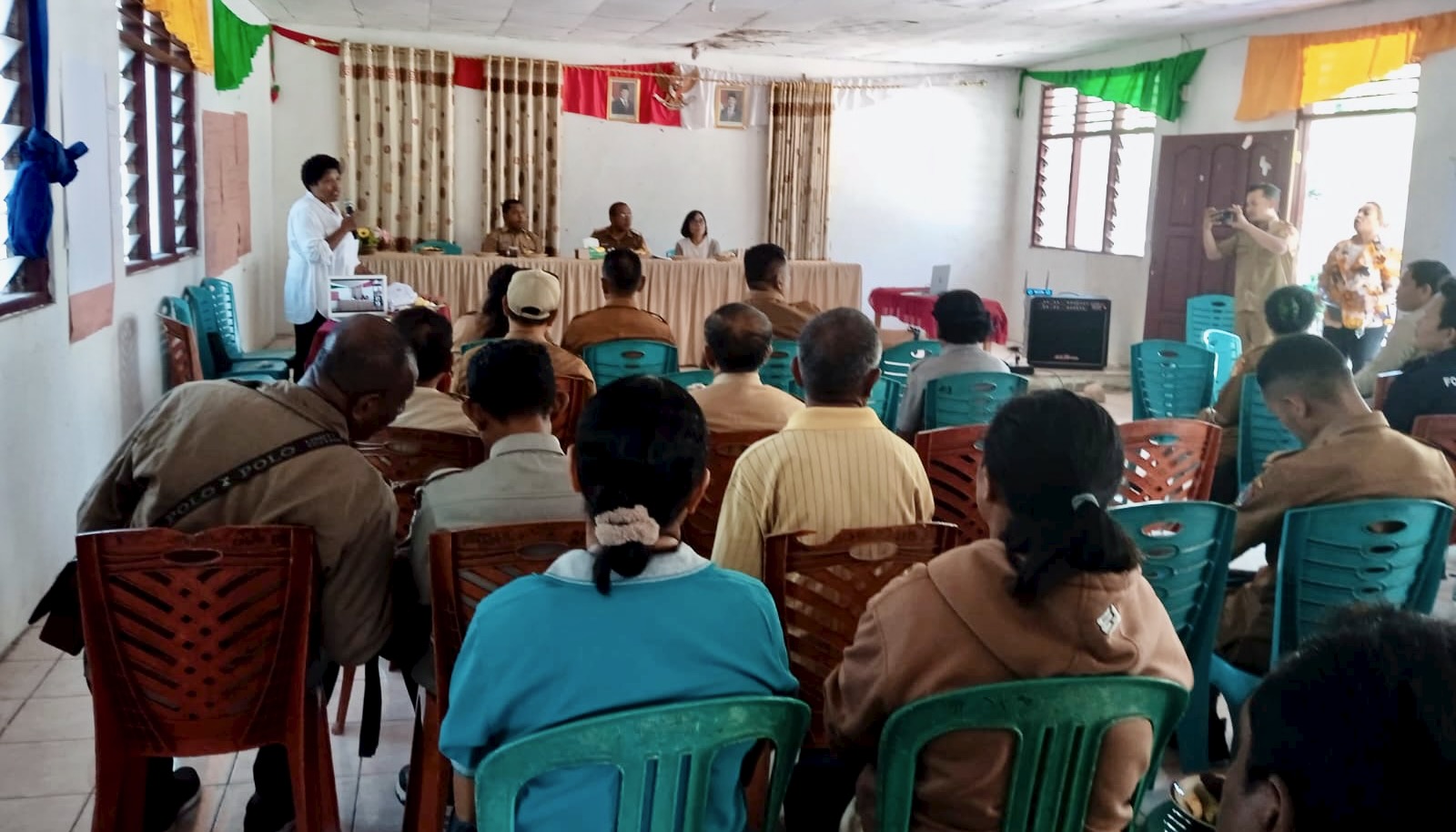
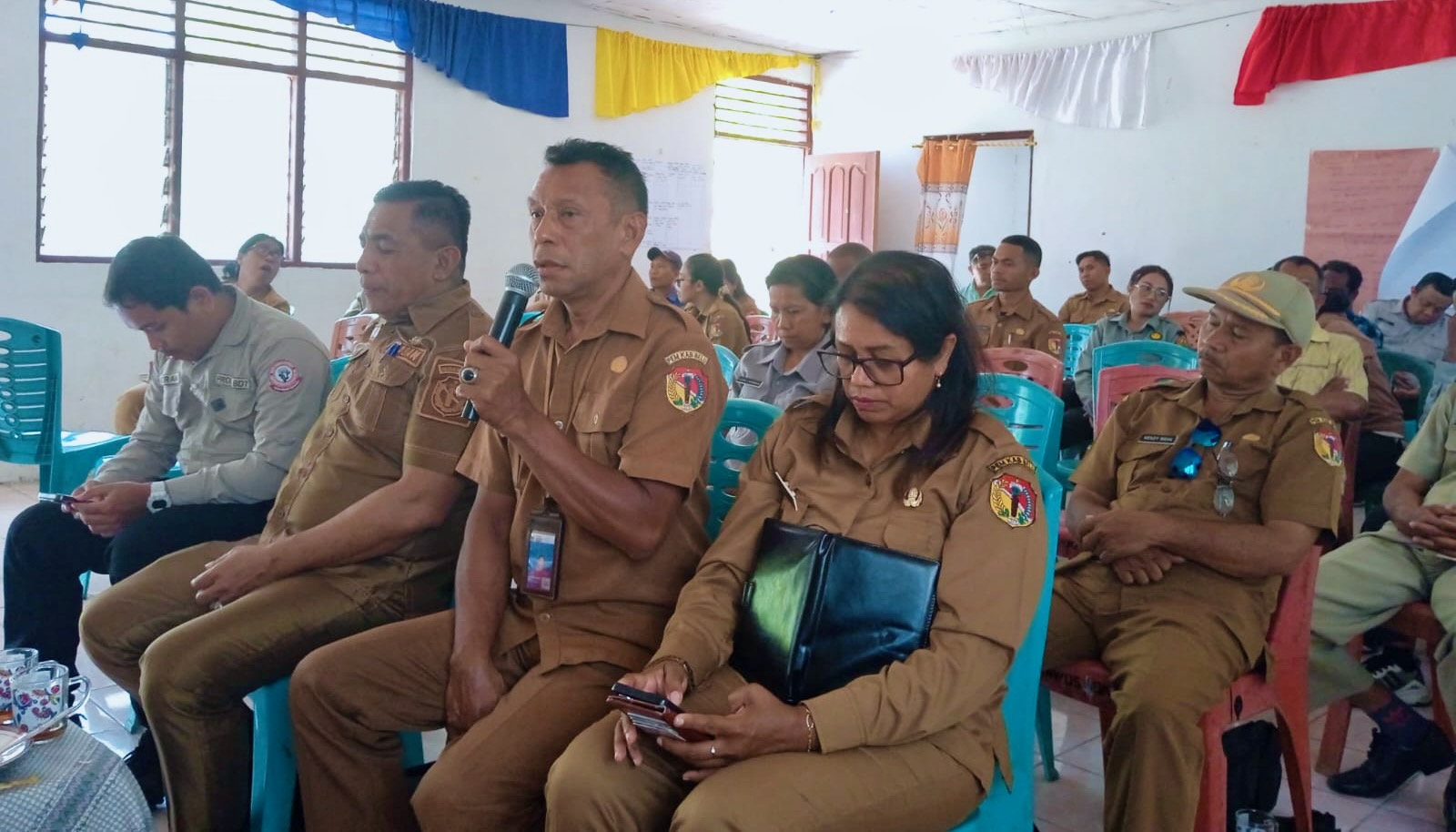
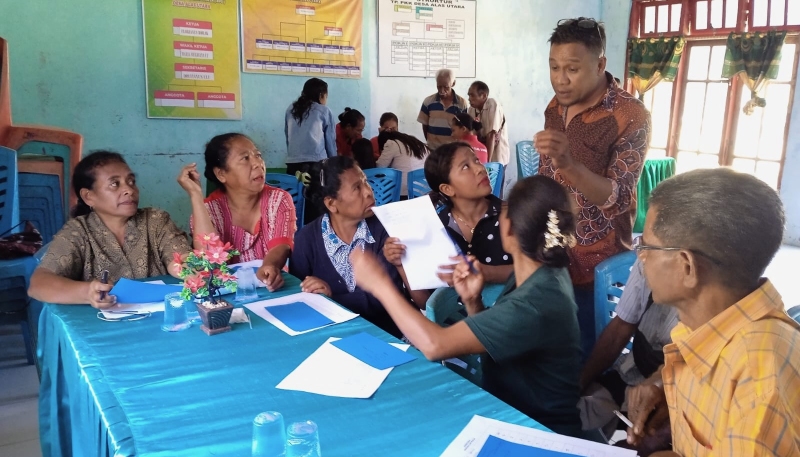
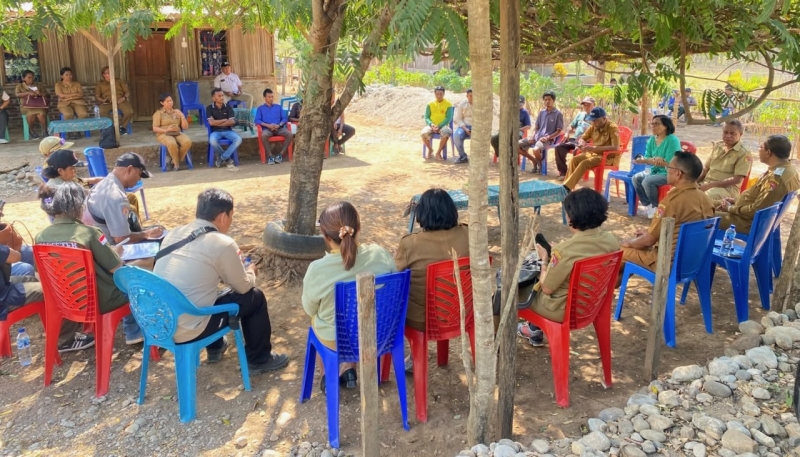
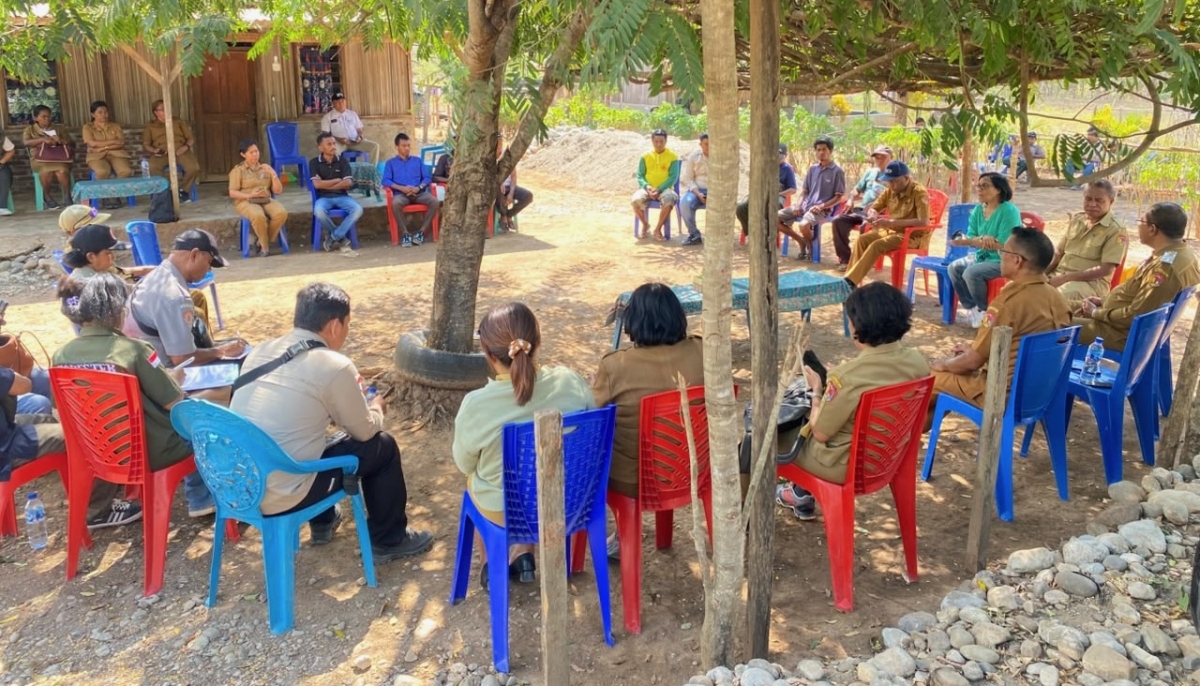
By seeing the location of the activity firsthand, WG members can understand the development of the demonstration plot as well as discuss with farmer groups about the activities they are running. Not only focusing on agricultural land in each target village of the program, WG members met with the village government as well as representatives of communities and farmer groups. This meeting became a space to exchange information and discuss various conditions, problems, and needs in the village. This visit also opened a space to strengthen communication between the WG, the Community Task Force (GTK), the village government, the community, and farmer groups. In the meeting in Baudaok, there was hope that in the future the community could be more involved in forums like this so that their needs could be conveyed directly. This is important because watershed management does not only rely on one activity in one sector. Water conditions and governance, agricultural practices, infrastructure support, food availability, and community livelihoods are interrelated in watershed perspective-based development.
During a visit to the villages, the Transboundary Watershed Working Group also observed firsthand the agricultural demonstration plots developed in collaboration with farmer groups through the implementation of Good Agricultural Practices (GAP). In addition to observing the progress of activities in the fields, the visit also included discussions with subdistrict and village officials, agricultural extension officers, community members, and farmer groups to hear about the various challenges still being faced and the needs that require attention in the future. Through this visit, the Working Group was able to see firsthand how the TIWA Project’s activities are implemented at the community level while gaining an understanding of the conditions and needs on the ground. Therefore, input from villages is needed by the Working Group so that development plans with a watershed governance perspective in the future can truly answer the needs of the community in the field. In Belu Regency, visits were carried out on September 7-8 in Baudaok, Asumanu, Tohe, and Maumutin Villages. Meanwhile, in Malaka Regency, visits are scheduled for September 10-11 in North Alas, Kotabiru, Alas, and South Alas Villages.
For the TIWA Project, which is supported by Conservation International (CI) and the Global Environment Facility (GEF), the involvement of many parties, including the government and the community, is an important part of sustainable watershed management. The Working Group's visit aims to strengthen the collaboration of many parties in better watershed governance in the future on the border between Indonesia and Timor-Leste.
There is one thing that is of concern in the discussions carried out during this visit: the mutual hope of the Working Group and the community that the activities of the TIWA program need to continue even after the project is completed. New knowledge, good practices and livelihood asset support obtained from the activities of the TIWA program are expected to continue to be used and developed in the future by farmer groups in the future. In addition, the approach carried out in all project target villages is expected to be an experience that can later be developed in other villages in the same watershed or in other border watersheds. Watershed management that aims to preserve the watershed environment is expected to concretely contribute to improving the quality of life of border communities through sustainable land and natural resource management, therefore the process of gaining experience and input from grassroots communities as well as field observations conducted by the Belu and Malaka Transboundary Watershed Working Group is a strategic step to strengthen development planning policies with a border watershed perspective in the future. (InTI)