Building the Foundation for Transboundary Watersheds Management
Kupang, East Nusa Tenggara — Watersheds (DAS) acknowledge no national borders. What happens in the upstream area will affect the downstream area, even though it is in a different administrative area. Therefore, watershed management across regional or national boundaries cannot be carried out by one sector or one country alone. Integrated governance across sectors and multi-stakeholder collaboration is needed that is able to unite various interests in the same direction.
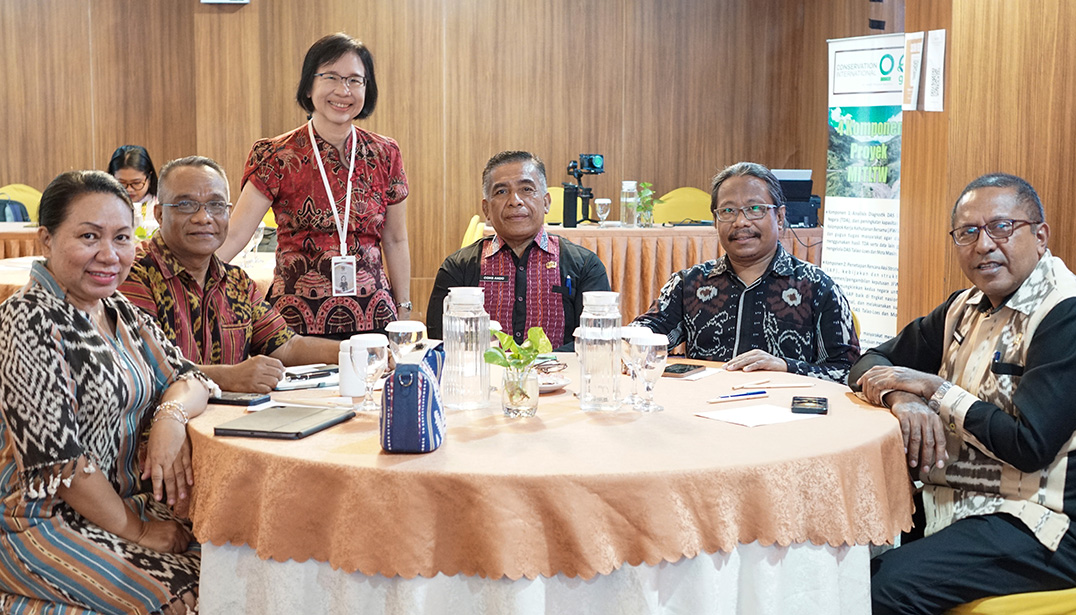
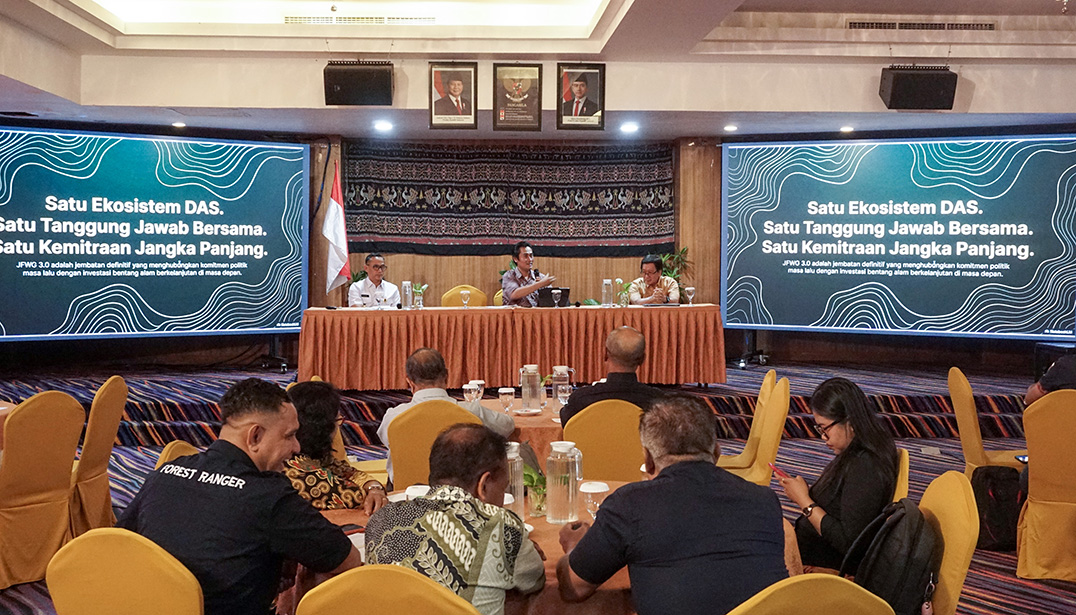
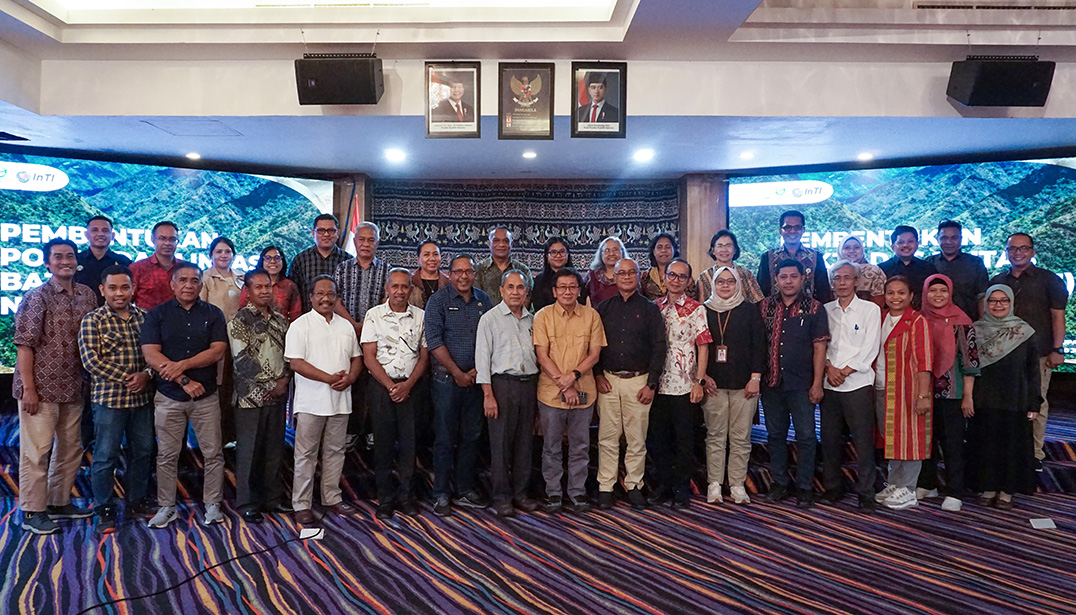
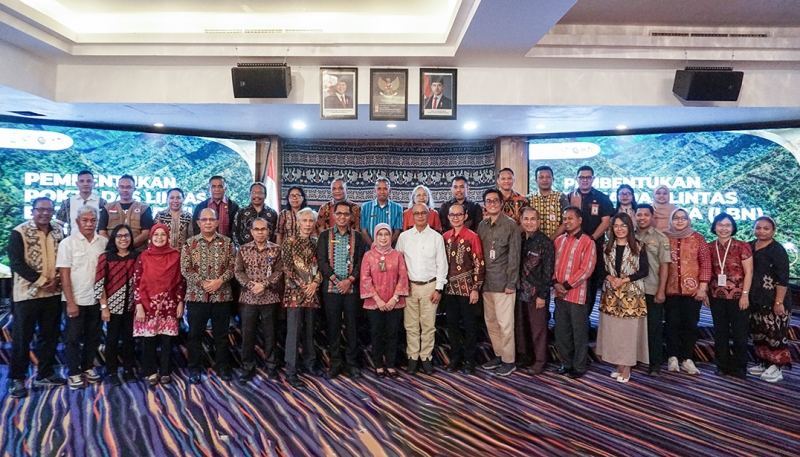
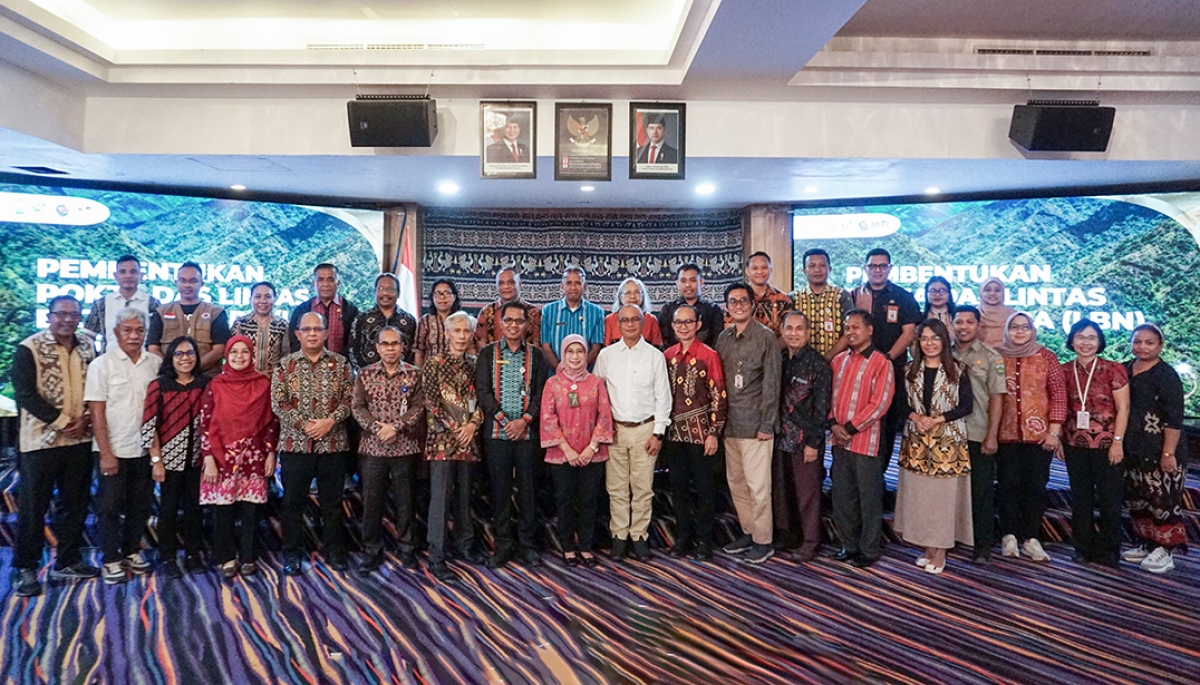
That awareness is the basis for the implementation of the National Level Workshop on the Formation of the Transboundary Watershed Working Group (Pokja), which took place on July 9-10, 2026 in Kupang, East Nusa Tenggara. Organized by Inovasi Tangguh Indonesia (InTI) as an co-executing agency of the Ministry of Forestry's Directorate General of Watershed Management and Forest Rehabilitation (PDASRH) for the Timor Island Watersheds (TIWA) Program, the workshop brought together representatives of ministries and agencies, local governments, and non-governmental stakeholders such as academics, as well as civil society organizations.
A Follow-up of Shared Commitment
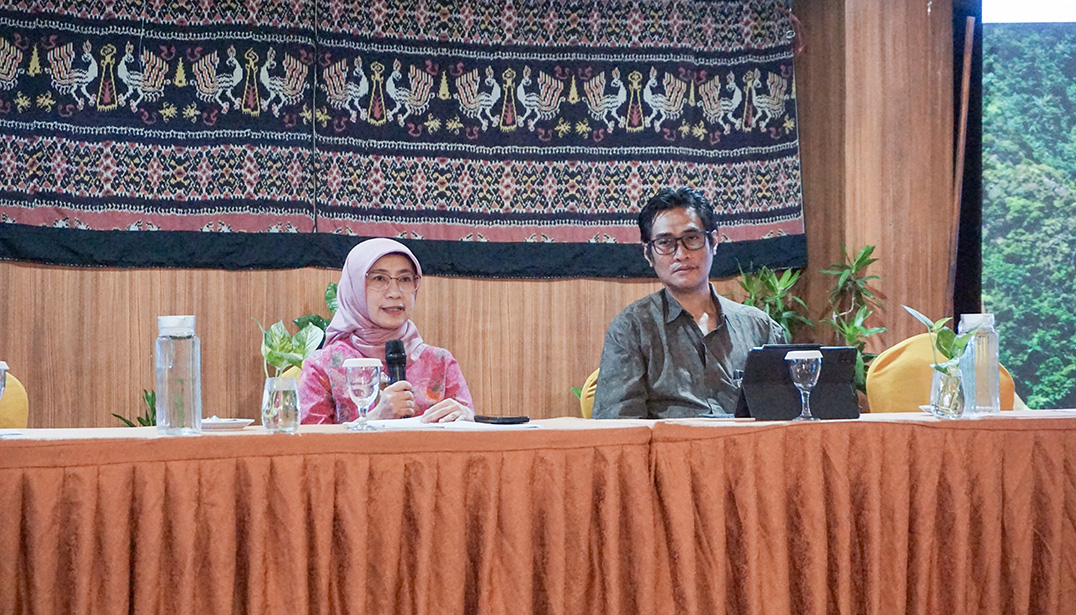
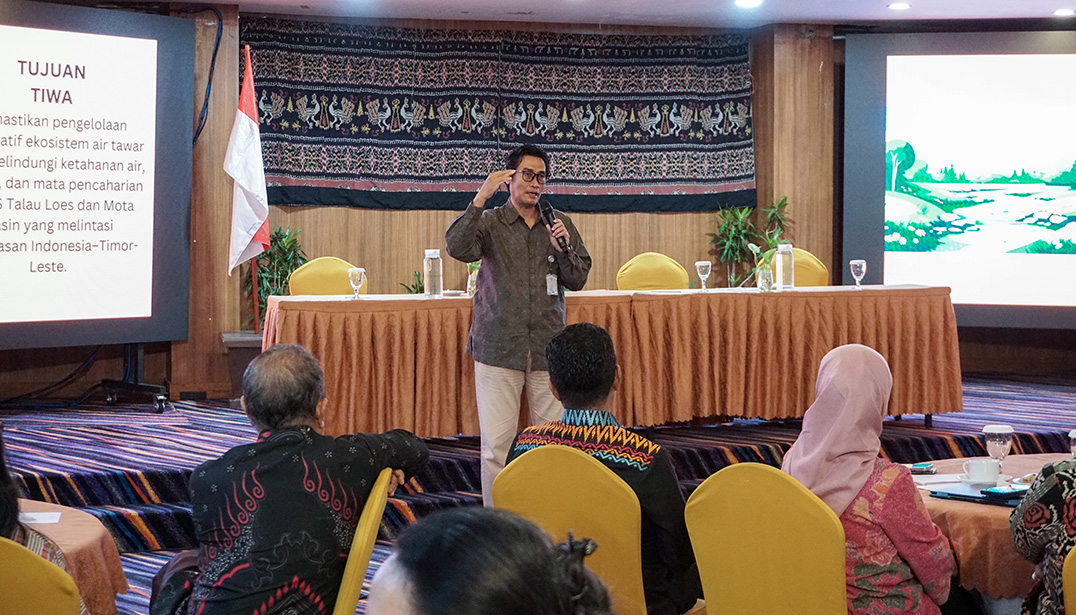
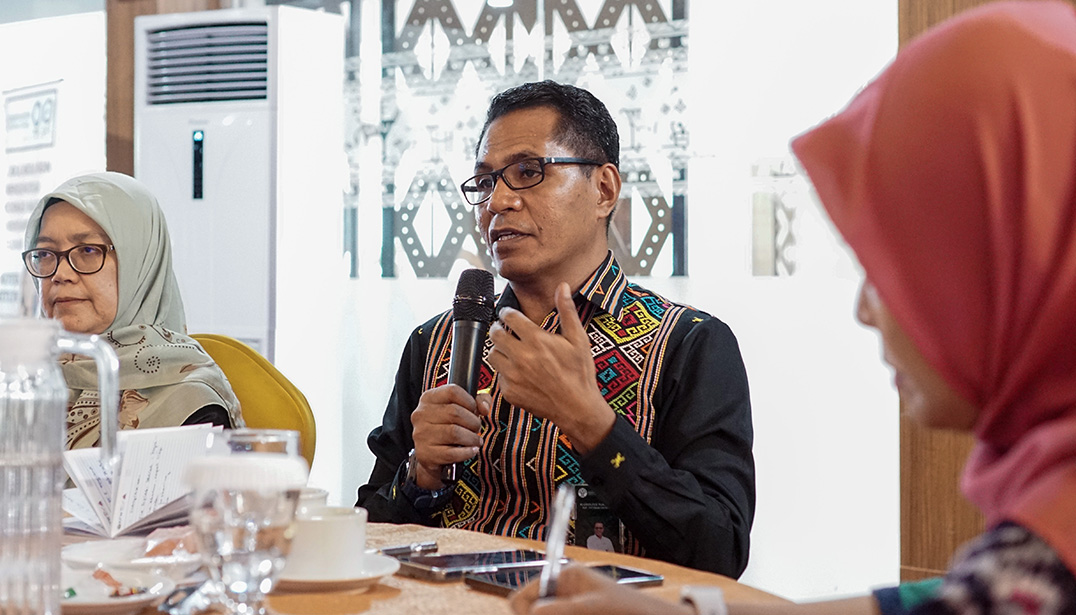
Opening the series of activities, Johan Rachmat Santosa, Technical Lead Indonesia from Inovasi Tangguh Indonesia (InTI), said that this workshop is part of the implementation of the Timor Island Watersheds (TIWA) Program as well as a follow-up to the establishment of the Transboundary Watershed Working Group at the East Nusa Tenggara Province level as well as Belu and Malacca Regencies. According to him, the establishment of the National Level Transboundary Watershed Working Group is also a form of implementation of the MoU in the forestry sector, especially in terms of watershed governance between the Government of Indonesia and Timor-Leste that already exists as well as supporting Indonesia and Timor-Leste in achieving the target of SDGs 6.5.2 regarding cooperation in the management of freshwater resources across borders. Johan hopes that this workshop can produce an agreement on the legal basis, institutional structure, work mechanism, and operational direction of the follow-up National Transboundary Watershed Working Group which will be carried out in the formation of the Transboundary Watershed Working Group in the future along with Timor-Leste at the bilateral level of the 2 countries.
In his presentation, Johan explained the progress of the implementation of the Management of Indonesia and Timor-Leste Transboundary Watersheds (MITLTW)/Timor Island Watersheds (TIWA) Program during the period from January 2025 to June 2026. The program supported by Conservation International (CI) and the Global Environment Facility (GEF) has progressed through various stages ranging from the formation of a program management structure, the implementation of the Inception Workshop, the preparation of joint work plans, stakeholder and policy mapping, the study of local wisdom, the establishment of the Transboundary Watershed Working Group at the provincial and district levels, the establishment of a Community Task Force (GTK), and the preparation of Transboundary Diagnostic Analysis (TDA).
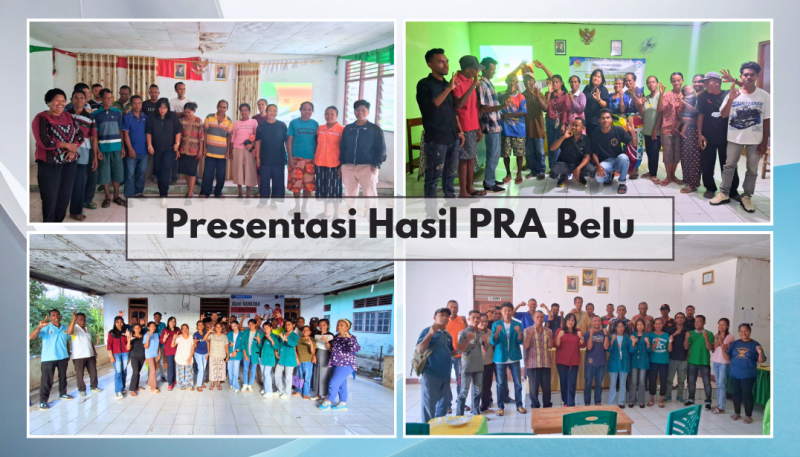
He also explained various capacity building efforts that have been carried out through Participatory Rural Appraisal (PRA) training, the preparation of monitoring and evaluation frameworks, as well as strengthening reporting and program coordination mechanisms and strengthening conflict governance. Entering the next fiscal year, the TIWA Program will prioritize the completion of TDA and the preparation of a Strategic Action Program (SAP) based on TDA results, strengthening the capacity of the Transboundary Watershed Working Group and the Community Task Force, policy advocacy to support the operationalization of the Working Group, and strengthening financing support for the implementation of sustainable cross-border watershed management. The presentation showed that the establishment of the National Level Transboundary Watershed Working Group is not a stand-alone step, but part of a gradual process to build stronger governance of the Indonesia-Timor-Leste cross-border watershed, starting from capacity building at the site level, compiling databases and scientific studies, to developing institutions that are able to coordinate various stakeholders.
Watershed Management is a Shared Responsibility
The workshop was officially opened by Nurul Iftitah, S.Hut, M.Si, Director of Watershed Management Planning and Evaluation, Directorate General of PDASRH, Ministry of Forestry. In her remarks, she emphasized that transboundary watershed management cannot be seen solely as a matter of forest conservation or the forestry sector. Watershed management is a cross-sectoral effort that is closely related to water security, food security, disaster risk reduction, environmental protection, and community welfare.
She also reminded that the Indonesia - Timor-Leste border area faces various challenges, ranging from land degradation, limited hydrological data, to suboptimal coordination mechanisms and information exchange between countries. Therefore, an institution is needed that is able to connect various ministries, local governments, academics, and other stakeholders in one effective coordination system. Furthermore, Nurul emphasized that transblundary watershed management is a long-term investment to maintain the sustainability of environmental functions while improving the welfare of communities in border areas.
Why does the National Level Transboundary Watershed Working Group Need to Be Formed?
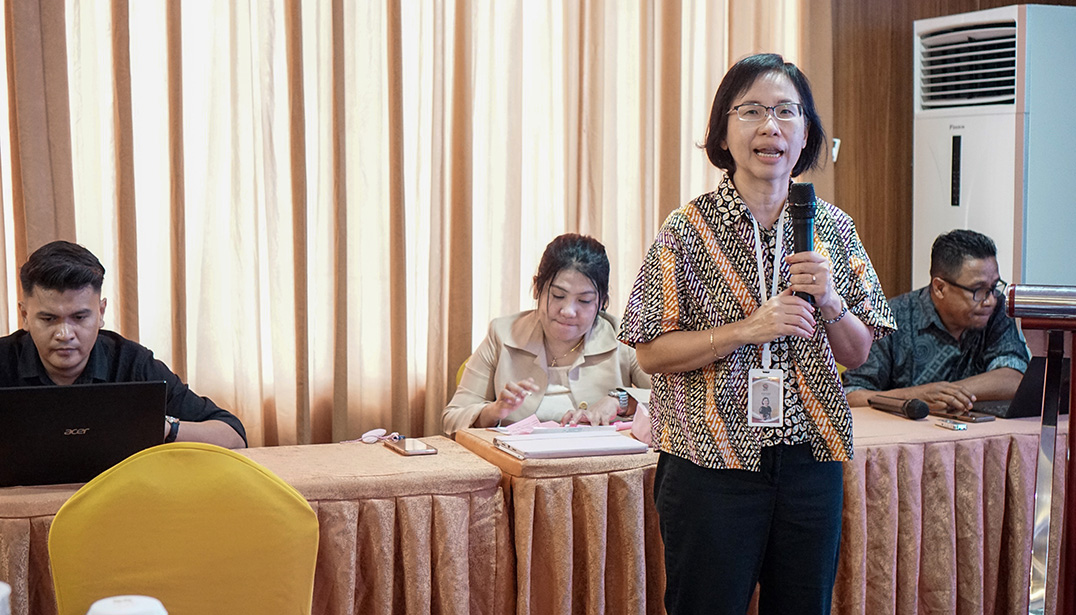
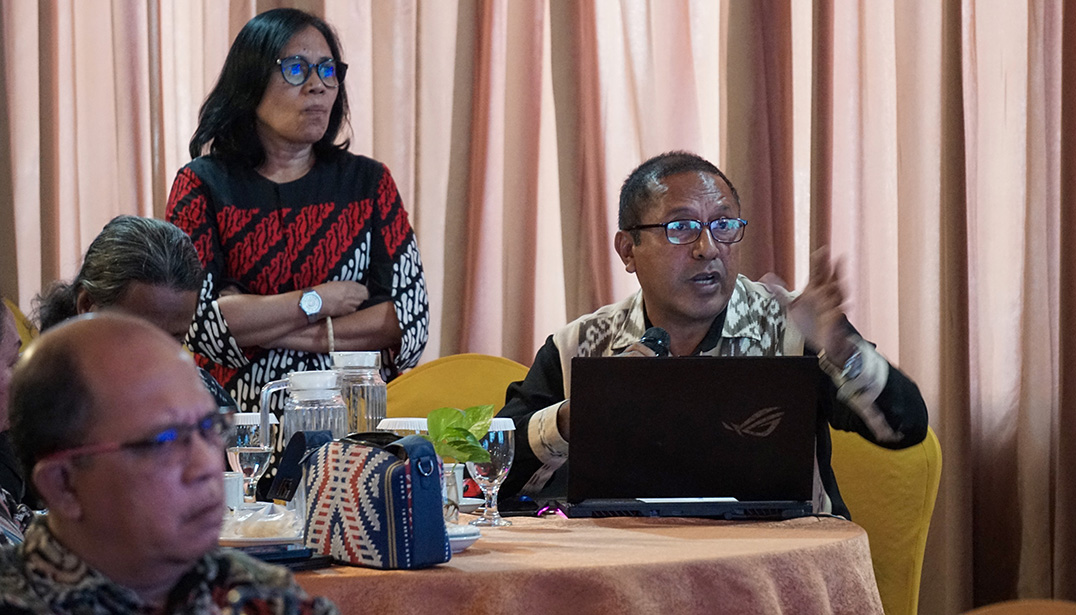
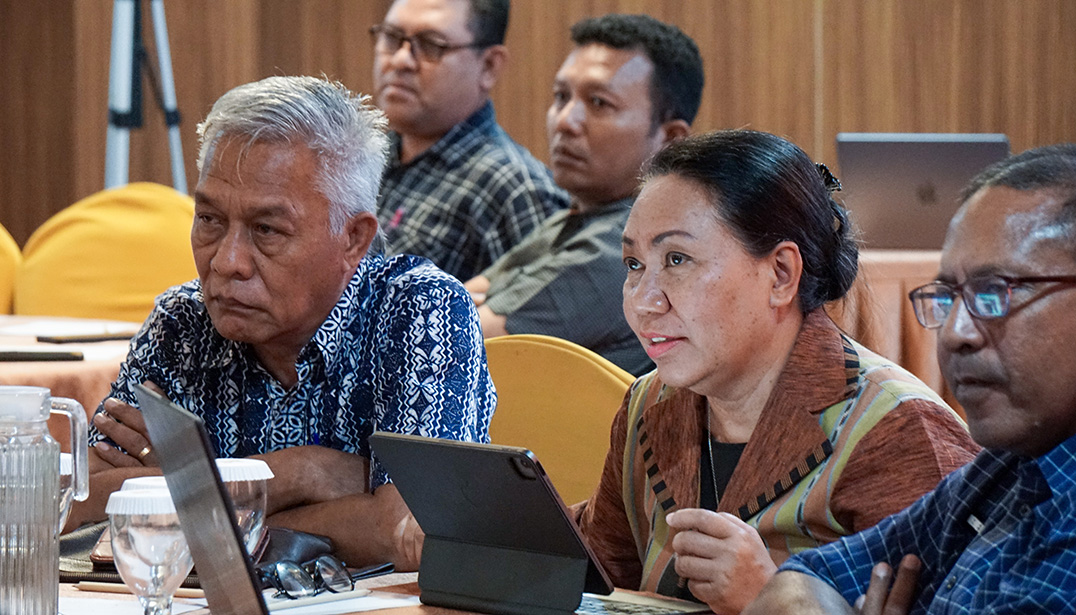
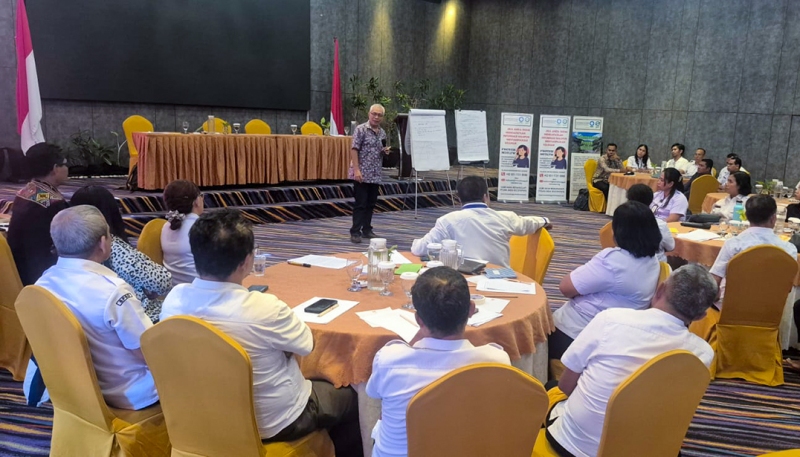
The question became a common thread in two discussion sessions that lasted throughout the first day. Facilitated by Dr. Ir. Ida Bagus Putera Parthama, M.Sc., the participants discussed various aspects that need to be the basis for the formation of the Transboundary Watershed Working Group, ranging from the legal basis, institutional structure, coordination mechanism, to the role of each stakeholder.
The discussion showed that there is a common view that the main challenge for transboundary watershed management is not only a technical issue on the ground, but also how to build a governance that is able to integrate various sectors, authorities, and interests into one clear working mechanism. Transboundary watershed management is seen as covering the dimensions of legal, institutional, environmental, social, cultural, and bilateral relations between Indonesia and Timor-Leste. This complexity requires a coordination forum that is able to bridge various actors in formulating policies, strengthen communication, and encourage more integrated decision-making.
Optimizing Existing Mechanisms
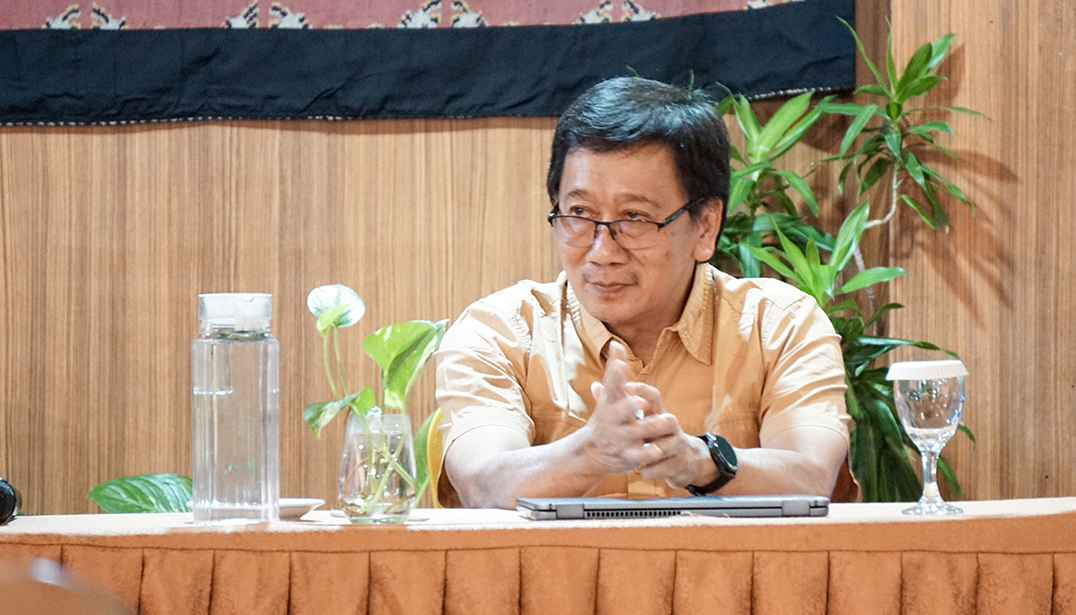
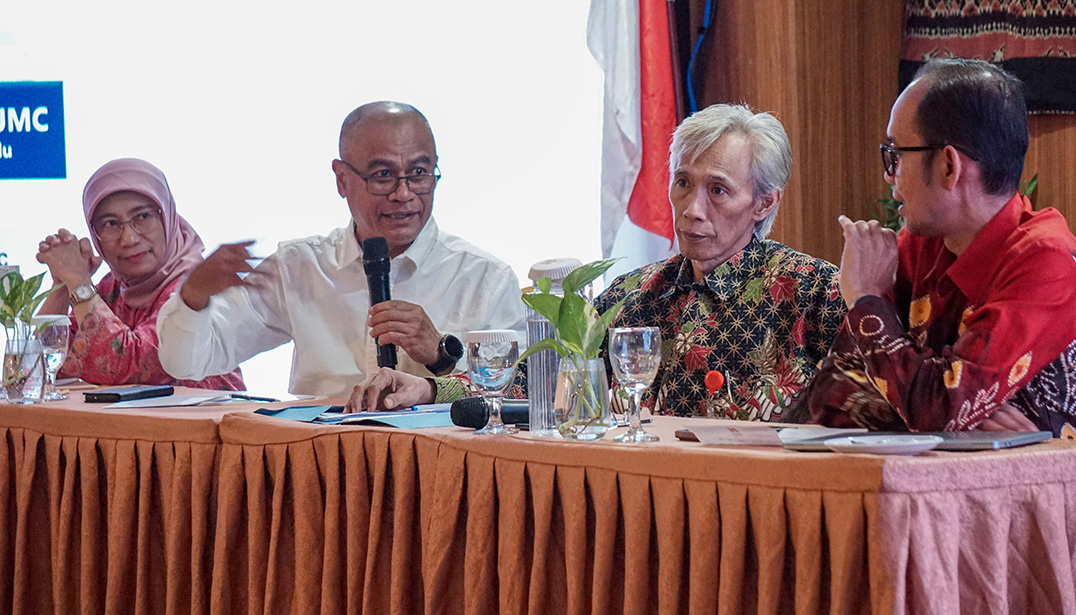
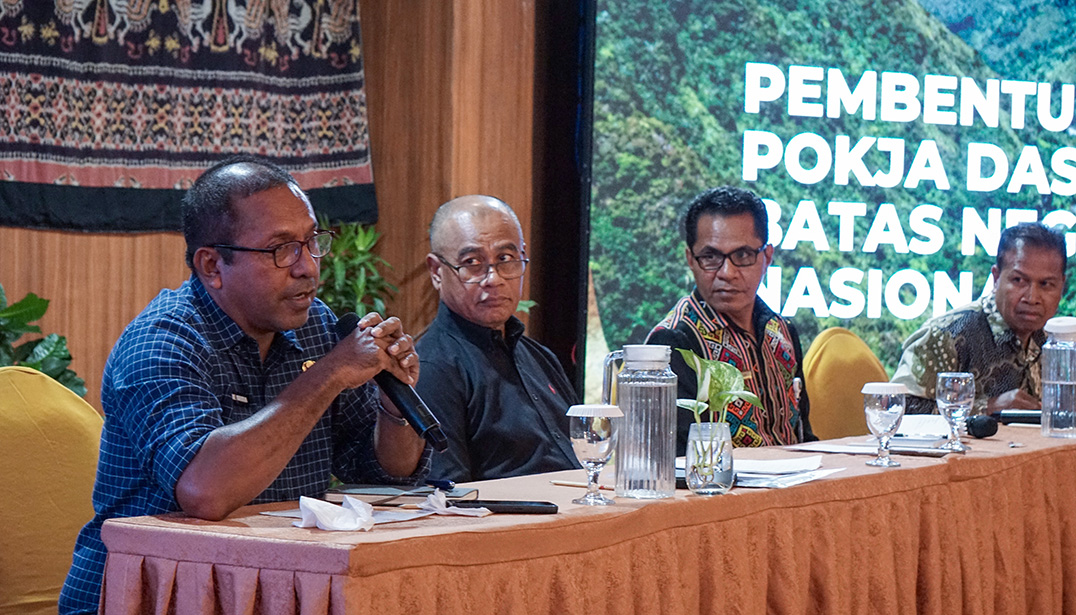
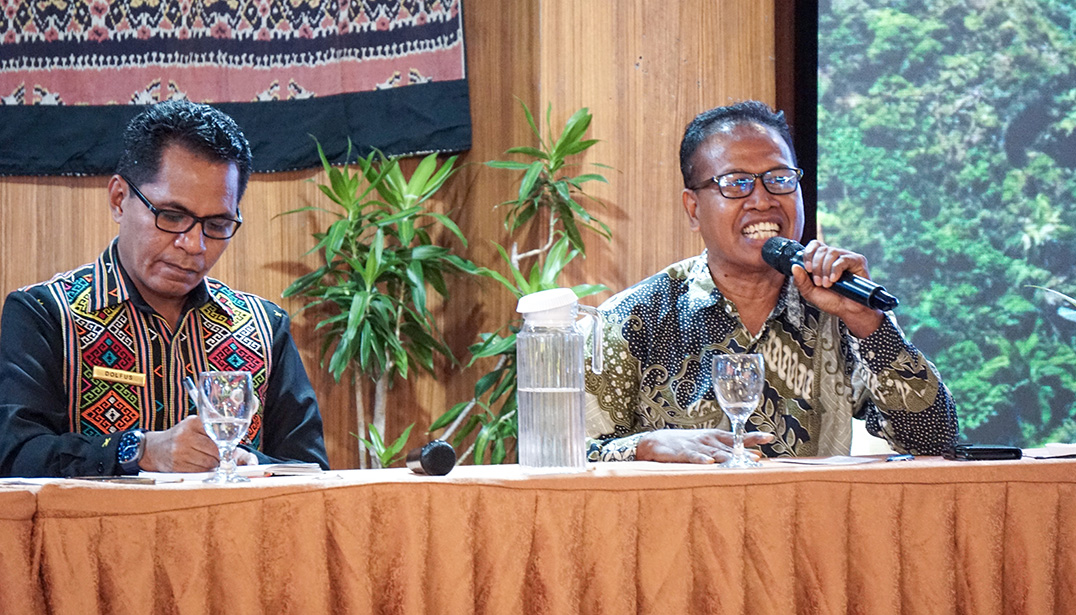
One of the discussions that received widespread attention was the proposal to optimize the Joint Border Committee (JBC) as an institutional umbrella for cooperation in transboundary watershed management. The proposal was submitted by Nursyah Rizal, Head of the Sub-Directorate of State Boundaries and Outer Islands at the Directorate of Regions, Cities, and State Boundaries, Directorate General of Regional Administration Development, Ministry of Home Affairs of the Republic of Indonesia. According to him, Indonesia and Timor-Leste actually have a cooperation mechanism through JBC. Therefore, rather than forming a new institution, the Transboundary Watershed Working Group can be developed as part of the mechanism so that it has stronger legitimacy, both in national coordination and bilateral cooperation.
Rizal also emphasized the importance of strengthening data and information exchange mechanisms, building more regular communication between the central and regional governments of the two countries, and making natural resource management a space to strengthen bilateral cooperation. This view received support from various participants. The discussion then developed on the importance of building a Working Group that has an effective institutional structure but remains inclusive, and is able to accommodate cross-sector coordination without adding bureaucratic complexity. Participants also emphasized that watershed management needs to use an Integrated Watershed Management approach, so that the discussion does not only focus on river bodies, but also includes natural resource conservation, forest and land rehabilitation, land use, environmental management, food security, strengthening community livelihoods, and disaster mitigation in border areas.
Broadening Perspectives, Maturing Institutions
Entering the second day, the discussion shifted from the urgency of the establishment of the National Level Transboundary Watershed Working Group to efforts to finalize the institutional direction and work mechanism that will support the management of the Indonesia-Timor-Leste cross-border watershed. The various presentations delivered in the opening session enriched the participants' perspectives as well as a foothold for discussions in preparing a draft Working Group that is effective, adaptive, and able to answer challenges in border areas.
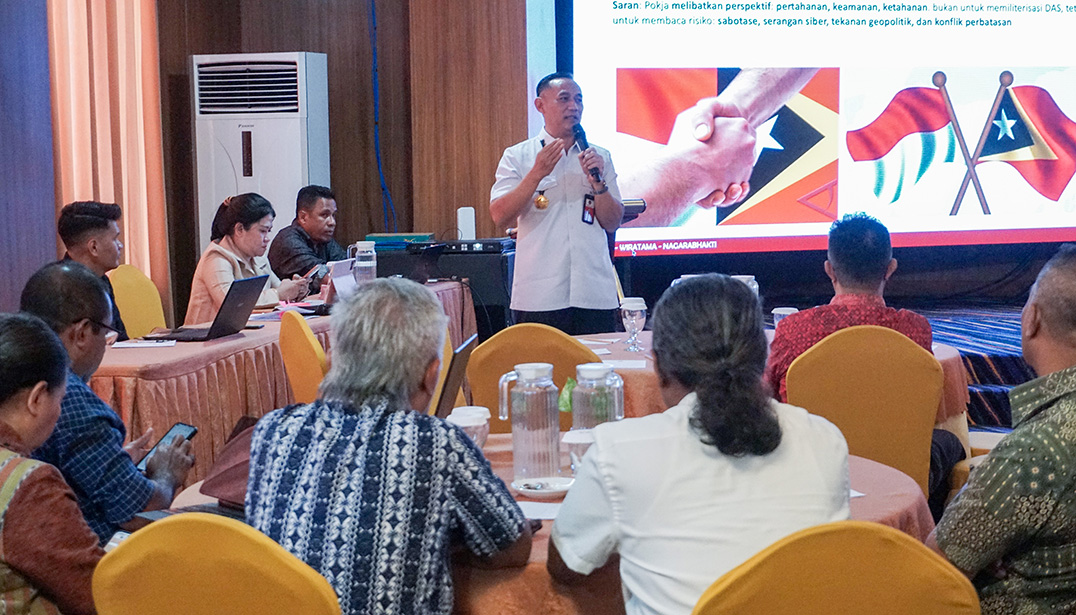
Starting the session, the resource person from the Defense University of the Republic of Indonesia, by the Deputy Dean 1 of the Vocational Faculty of Military Logistics Unhan RI, Marsma TNI Dr. Ir. Hikmat Zakky Almubaroq, S.Pd., M.Sc., CIQaR., CIQnR., MCF. inviting participants to see transboundary watershed management as an issue that is not only related to environmental and water resource conservation, but also has a strategic dimension for national resilience. Good watershed management is considered to contribute to the stability of border areas, reduce disaster risk, and strengthen cooperation between countries in facing increasingly complex challenges. This perspective broadens the participants' perspective that watershed sustainability cannot be separated from efforts to maintain state sovereignty while improving the welfare of people living along border areas.
The presentation was continued by Dr. Muchamad Saparis Soedarjanto, S.Si., M.T., Director of Forest Rehabilitation, Directorate General of Watershed Management and Forest Rehabilitation (PDASRH) of the Ministry of Forestry, who emphasized the importance of maintaining the direction of the formation of the Working Group to remain in line with the goals and corridors that have been set in the program document, one of which is to prepare and implement the Strategic Action Plan (SAP) from the results of the TDA of the watershed. He reminded that the various ideas and recommendations developed during the workshop need to be translated into realistic work mechanisms and can be immediately implemented in an integrated manner, so that the Working Group is not only a coordination forum, but also able to strengthen the synergy of work and programs between agencies in supporting the sustainable management of transbondary watersheds. Various issues related to the decline in environmental carrying capacity due to land use and climate change need to be seen in the future TDA because it will direct the work priorities of the Working Group in the SAP that will be prepared. An agreement to use the perspective of the Integrated Watershed Management Plan in the preparation of the Regional Spatial Plan (RTRW) can be reviewed if necessary.
In a more in-depth review, Saparis highlighted that regional spatial planning policy should not be just an administrative document on paper, but should be a dynamic instrument born from simulations and real needs in the field. He recounted the historical process behind the formulation of the policy, where spatial simulations based on disaster mitigation were carried out in strategic watersheds such as Cimanuk and Tondano. This synergy was born because there is a common awareness about the high risk of disasters and environmental damage in these areas, which encourages the environmental management instrument (RPDAST) to finally be accepted by spatial planning authorities as an inseparable element in regional spatial planning.
However, Saparis also underlined the crucial challenges in the implementation of spatial planning, especially regarding the clash between technical understanding of law and reality in society. In dynamic border areas, natural boundaries such as river bodies are often believed to have shifted by the community, although in fact spatial coordinate boundaries remain legally precise. Assumptions about these changing physical boundaries often trigger confusion. According to him, spatial compliance will not be created if the instrument is only understood exclusively by policymakers without reaching further into the understanding in the community.
"It's true that the coordinate limit has not changed, but it is only understood by us. Many people do not understand," said Saparis.
Therefore, he urged that spatial planning policies be strengthened with clear physical markers such as boundary markers in the field, and reminded the importance of the role of the Working Group to continue to oversee and harmonize spatial coordinate adjustments in order to maintain the sovereignty and sustainability of border space. Armed with this perspective, the discussion then focused on improving the structure and working mechanism of the National Level Transboundary Watershed Working Group. The discussion also resulted in a number of important understandings regarding the direction of the development of the Working Group. Local governments are also emphasized as key actors in implementation in the field, so that provincial and district representation is considered important to ensure that policies prepared at the national level remain in line with the needs of the site area. A number of follow-up steps were also produced, including the finalization of the Indonesian delegation for the establishment of a Regional Working Group with Timor-Leste, quality assurance and acceleration of the completion of TDA which will be the basis for the preparation of SAP to be implemented by the Transboundary Watershed Working Group in the future.
During the two-day discussion, this workshop not only resulted in an understanding on the direction of the establishment of the National Level Transboundary Watershed Working Group, but also strengthened transboundary commitment to build more integrated watershed governance in the Indonesia-Timor-Leste border area. Various inputs on integrated watershed management approaches, institutional strengthening, the strategic role of local governments, and the importance of inter-agency synergy are the foundations for the next steps in realizing collaborative, science-based, and sustainability-oriented transboundary watershed management. (InTI)