TIWA Project Steering Committee Preliminary Meeting
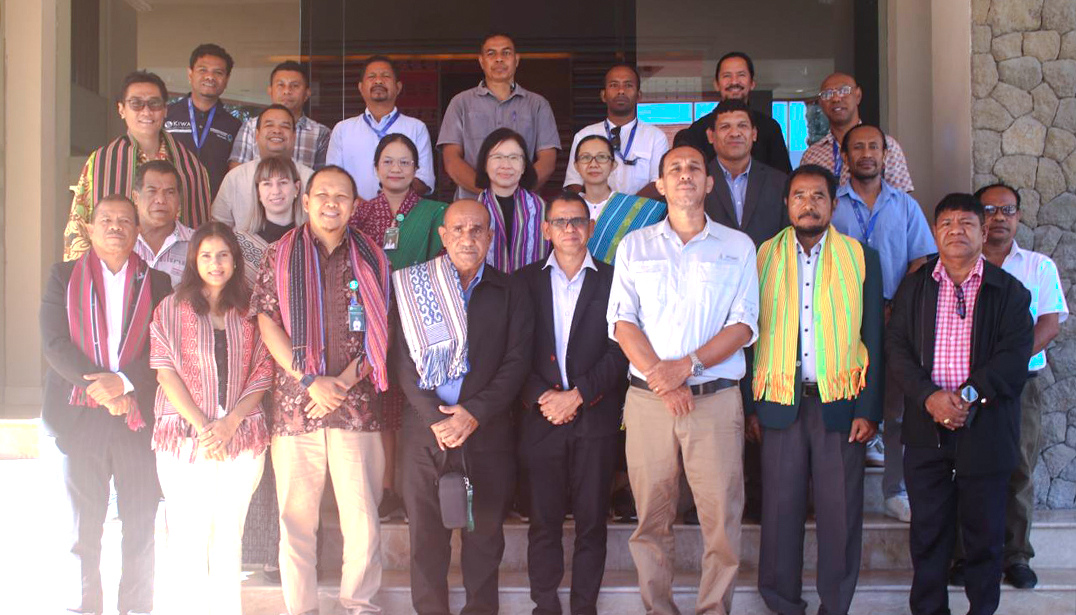
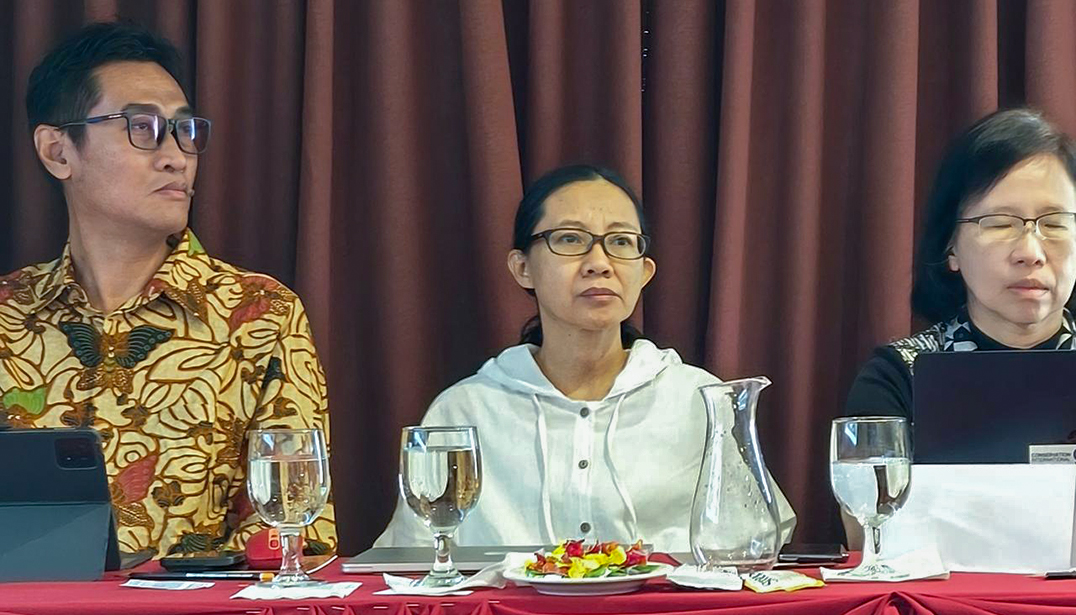
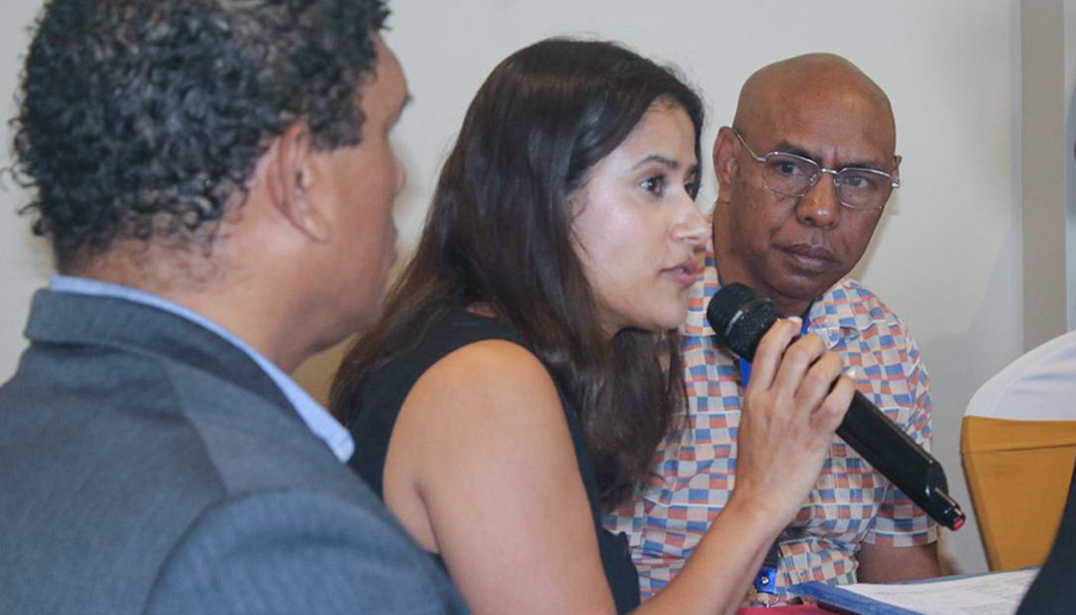
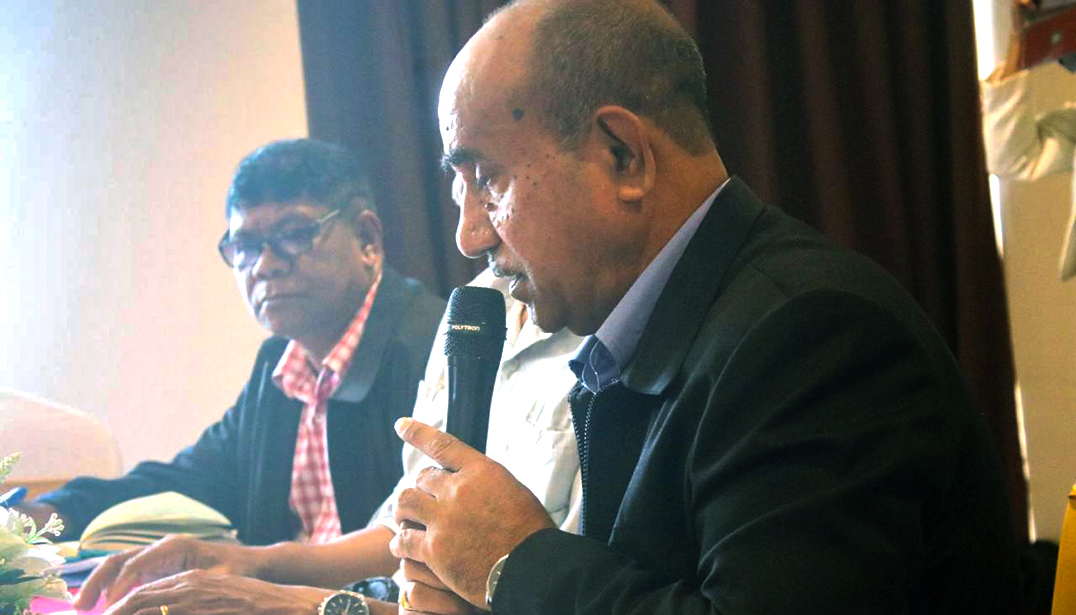
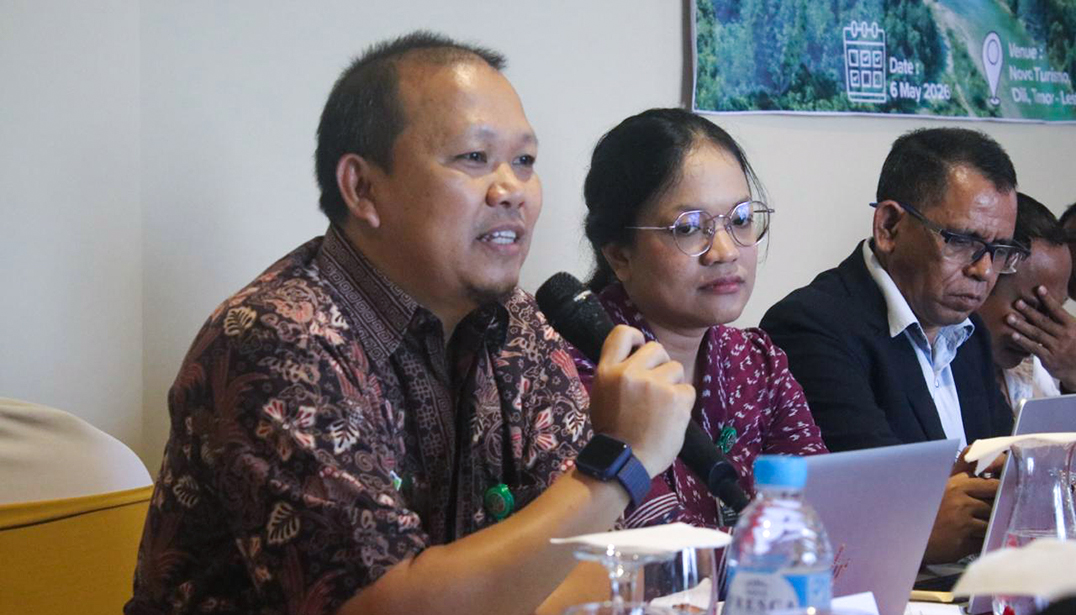
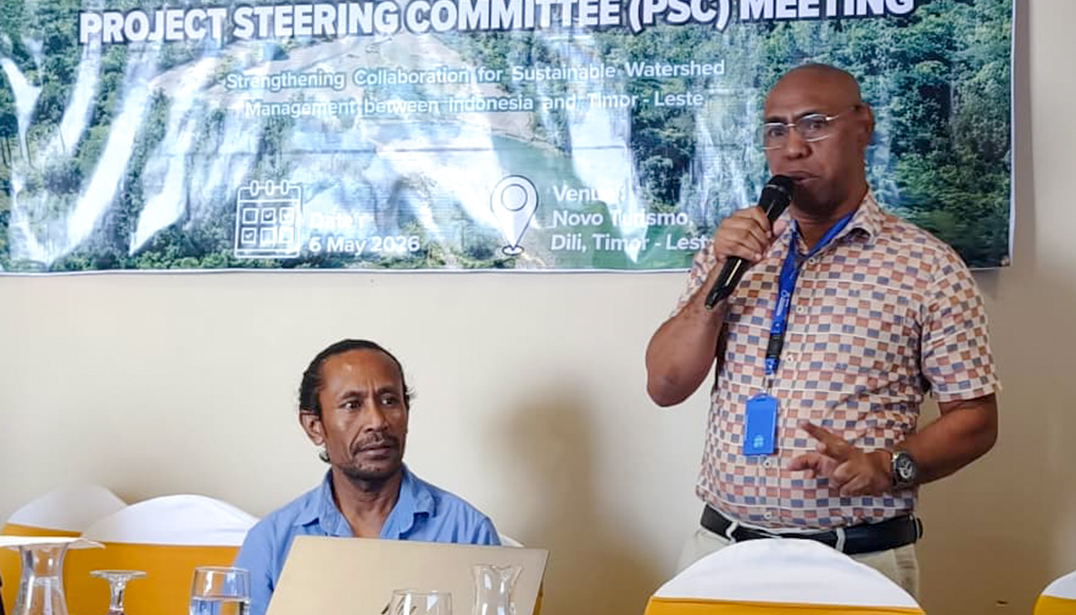
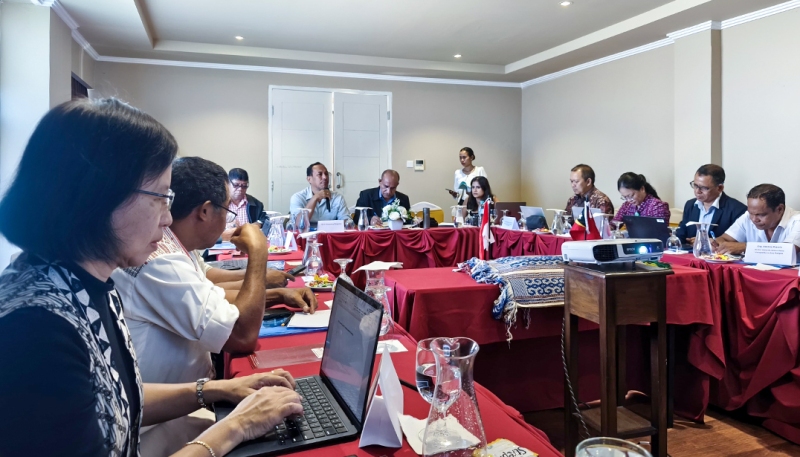
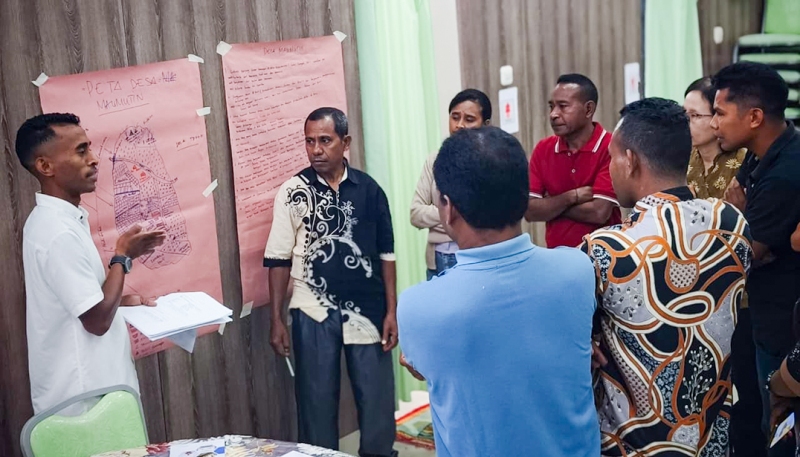
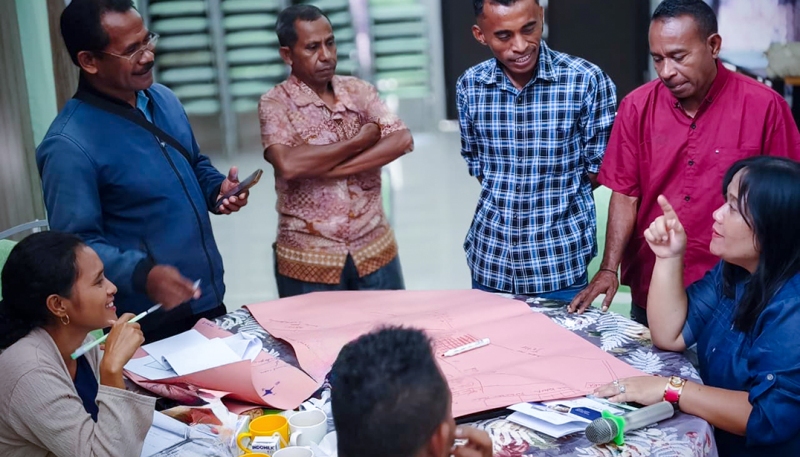
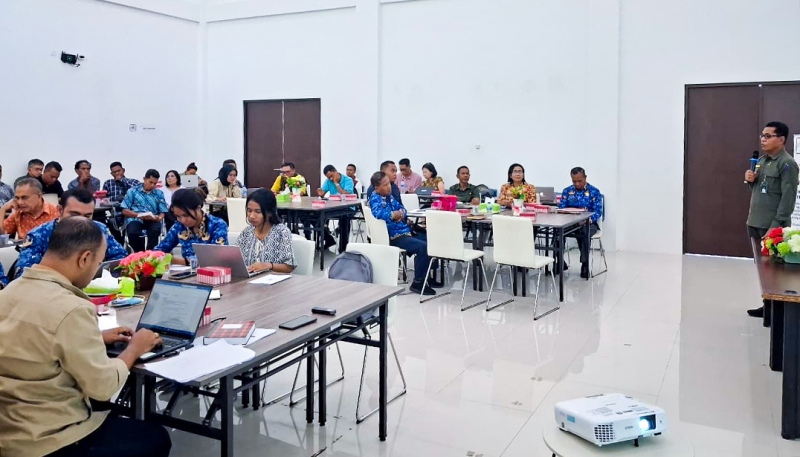
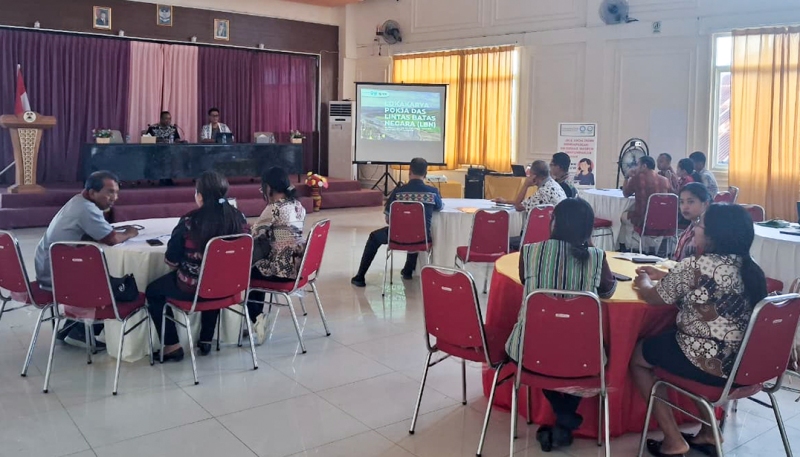
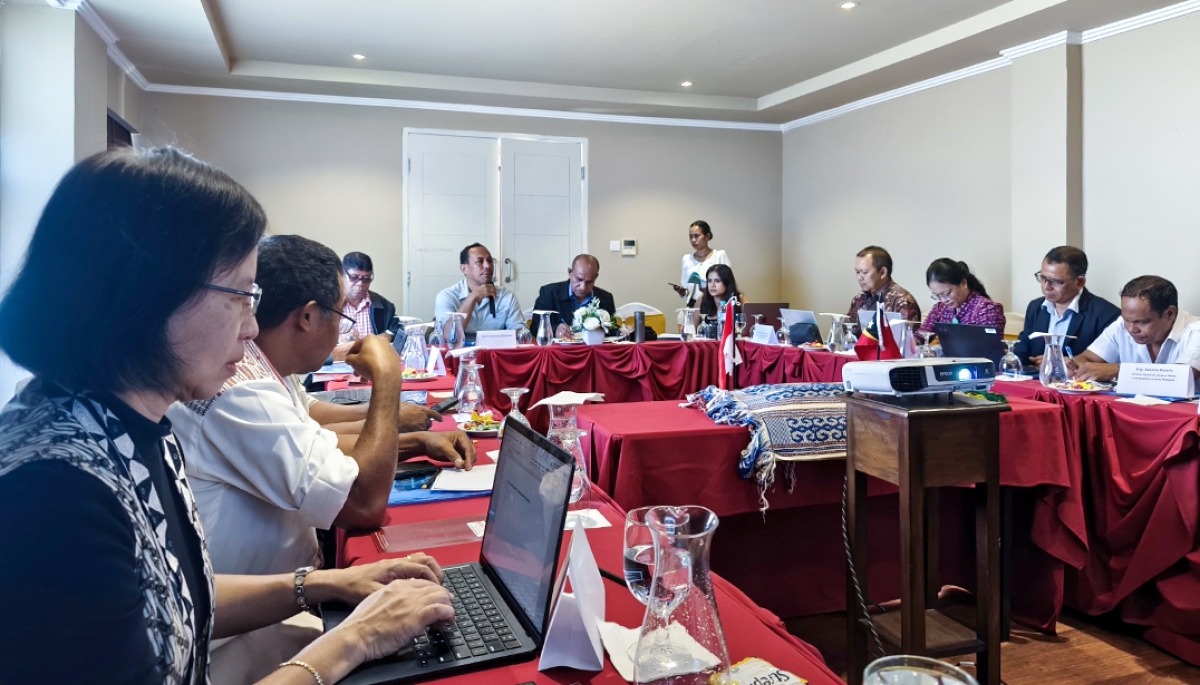
Dili, Timor-Leste — The Transboundary Watershed Management Effort between Indonesia and Timor-Leste has entered an important stage through the holding of The Project Steering Committee (PSC) Meeting for Timor Island Watersheds (TIWA) Project on May 6, 2026 at the Novo Turismo Hotel, Dili.
This meeting is a strategic forum for stakeholders from both countries to review the progress of the project in fiscal year 2026 as well as develop priority directions for the future, including work plans and budgets for 2027. More than just a coordination forum, the PSC is a meeting point of joint commitment between Indonesia and Timor-Leste to ensure that the management of Transboundary Watersheds not only focuses on environmental aspects, but also touches the sustainability of people's lives in border areas.
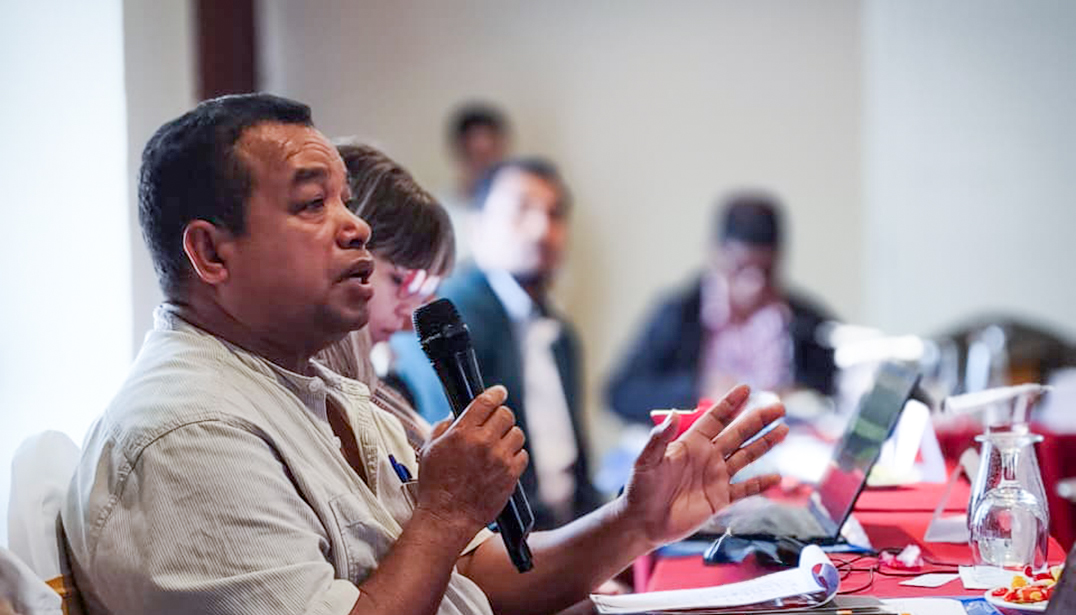
The event was officially opened by the Director General of Forestry of the Ministry of Forestry of Timor-Leste, Hermenegildo Granadeiro de Almeida, who emphasized that this meeting was an important moment in providing strategic direction for the Project Management Unit. He highlighted the importance of real action on the ground, ranging from reforestation from upstream to downstream, reducing sedimentation at critical points, to strengthening climate resilience for farmers in the Talau Loes and Mota Masin watersheds. For him, watershed management is not only about protecting the environment, but also about ensuring the sustainability of water sources and people's livelihoods.
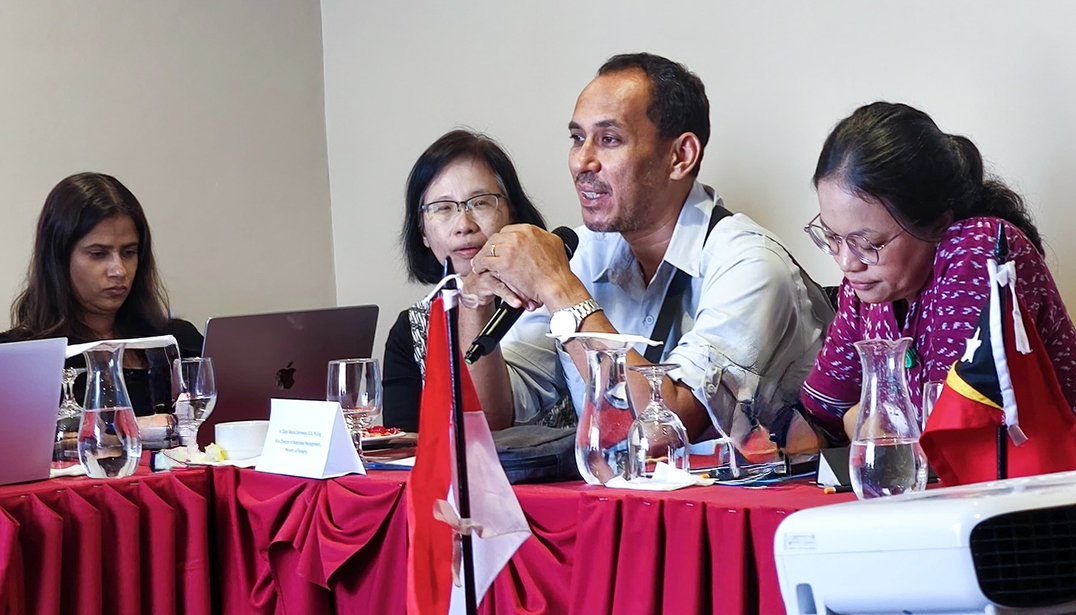
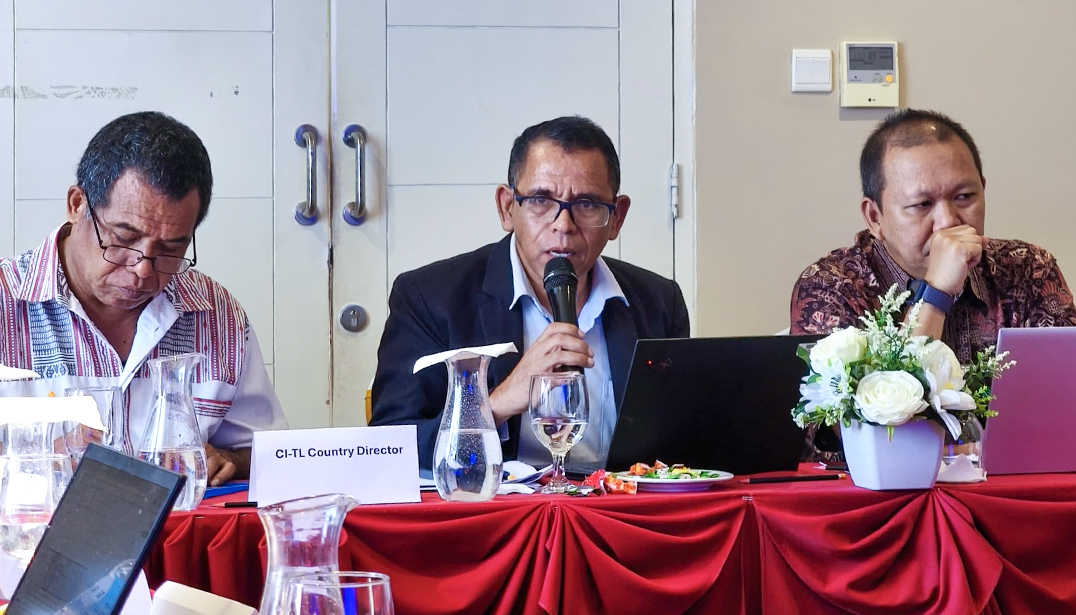
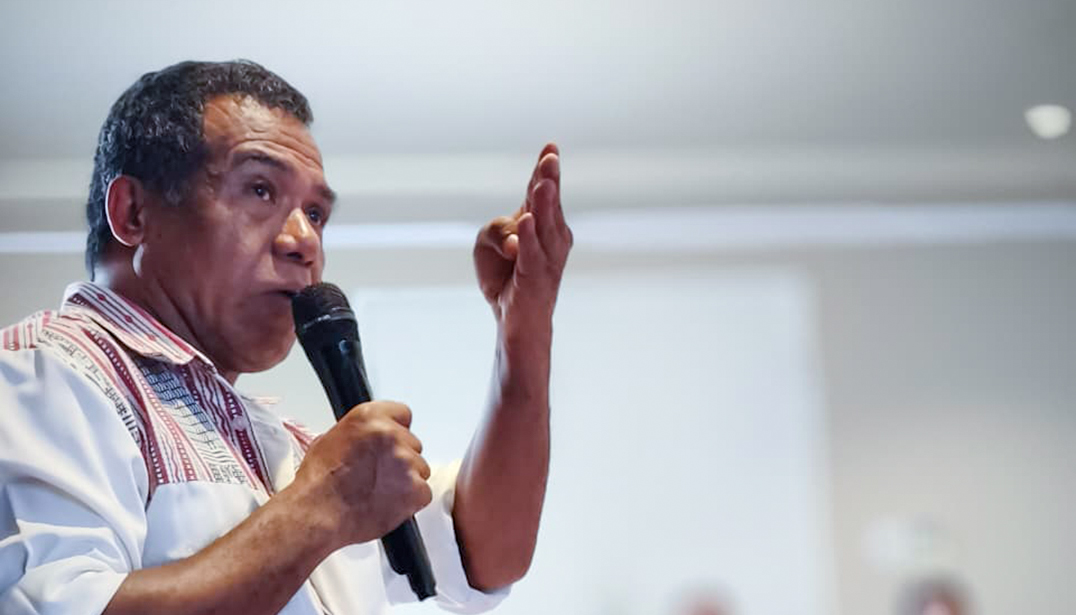
In terms of project implementation, Manuel Mendez, Country Director of Conservation International Timor-Leste, said that the two countries have completed stakeholder mapping and analysis. Currently, the project is entering the Transboundary Diagnostic Analysis (TDA) stage, which will be the basis for formulating a joint action plan. In addition, a framework is currently being developed to strengthen the establishment of a Transboundary Watershed Working Group that brings together representatives from Indonesia and Timor-Leste.. Furthermore, he also reminded the importance of thinking about the sustainability of the project early on, including replication opportunities in six other cross-border watersheds in the border areas of the two countries.
Appreciation for the project achievements was also conveyed by Prapti Bhandary, Director of Project Development and Oversight CI-GEF Project Agency of Conservation International. She assessed that the implementation team had shown hard work in facing various challenges. However, she emphasized that there is still a long way to go and requires collective commitment. According to her, the key to the success of this project lies in joint planning and the ability to mobilize cross-sectoral partnerships, in order to meet global commitments while having a real impact on society and the environment.
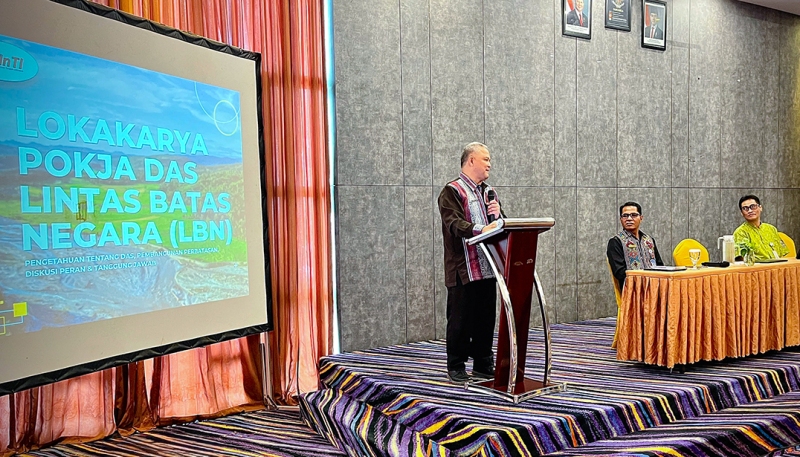
From Indonesia, a representative of the Ministry of Forestry, Catur Basuki Setyawan, Head of the Sub-Directorate (Kasubdit) for Watershed Management Planning, Directorate of Watershed Management Planning and Supervision, Directorate General of PDASRH, said that the process of signing a memorandum of understanding (MoU) with Conservation International for the implementation of the TIWA program is ongoing. In this scheme, the Ministry of Forestry will affirm its role as the Executing Agency, while Inovasi Tangguh Indonesia (InTI) the Co-Executing Agency so that the members of the Project Steering Committee from Indonesia can be decided immediately. Currently, the Ministry of Forestry emphasizes that the TIWA program has the potential to contribute to the development of other programs such as the Peace Forest Initiative, especially in forest rehabilitation efforts in the border areas of Indonesia and Timor-Leste.
Meanwhile, Johan Rachmat Santosa as the Technical Leader of TIWA Indonesia from InTI emphasized that so far the significant program progress in the TIWA project includes the success of the project to facilitate the implementation of important fundamental studies such as Stakeholder and Policy Studies and Mapping related to the governance of watersheds in 2 countries and facilitating the initial process of establishing the Transboundary Working Group on Watersheds Management in 2 countries and the Community Task Force in 2 Transboundary Watersheds which has also been involved in the initial process of preparing TDA.
Natalino Babo Martins, as the Technical Leader of TIWA in Timor-Leste from CI Timor-Leste added that based on the progress of this year's program, in the future the priority of the program in 2027 for both Indonesia and Timor-Leste is to prepare the preparation of the Strategic Action Program (SAP) based on the priority of the problems found in the future TDA study and prepare SOPs for the work guidelines of the Working Group and the Task Force as well as facilitate the necessary capacity building activities both by the Working Group and Task Force in overseeing the implementation of TDA and also implementing the SAP that will be formulated. The meeting was also attended by various stakeholders from Timor-Leste, including representatives of ministries, local authorities from Bobonaro and Kovalima, the GEF Focal Point, and the Conservation International Timor-Leste team. From Indonesia, representatives of the Ministry of Forestry and Inovasi Tangguh Indonesia (InTI) were present.
The discussions that took place not only highlighted the achievements, but also reinforced the awareness that transboundary watershed management requires a collaborative approach that transcends administrative boundaries. Multi-stakeholder engagement is the foundation to ensure that each intervention is able to respond to ecological and socio-economic challenges at the site level.
As a follow-up to this Project Steering Committee meeting, the activity continued with an internal meeting between Conservation International, Inovasi Tangguh Indonesia (InTI), and Conservation International Timor-Leste (CI-TL). The meeting was focused on deepening technical coordination, aligning implementation steps forward, and ensuring that the strategic direction of the PSC can be effectively translated into operational work plans.
With this initial step, the TIWA project not only builds a collaborative framework between countries, but also paves the way for inclusive, adaptive, and sustainable watershed management models for the environment, communities, and future generations. (InTI)