The Strategic Role of the NTT Provincial Transboundary Watershed Working Group in the Management of Transboundary Watersheds
Kupang, April 23, 2026 - Efforts to build transboundary watersheds management in East Nusa Tenggara are moving gradually, from villages, to districts, to now to the provincial level. After the Transboundary Watersheds Working Group is formed and its capacity is strengthened in Belu and Malacca Regencies, the next step is to ensure that all processes are connected in the same direction.
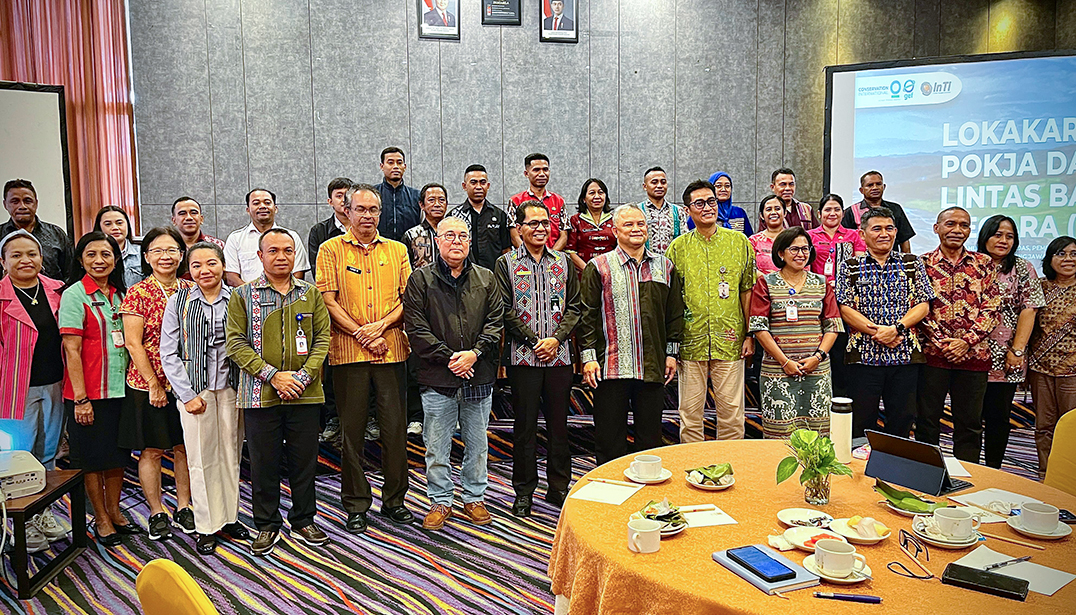
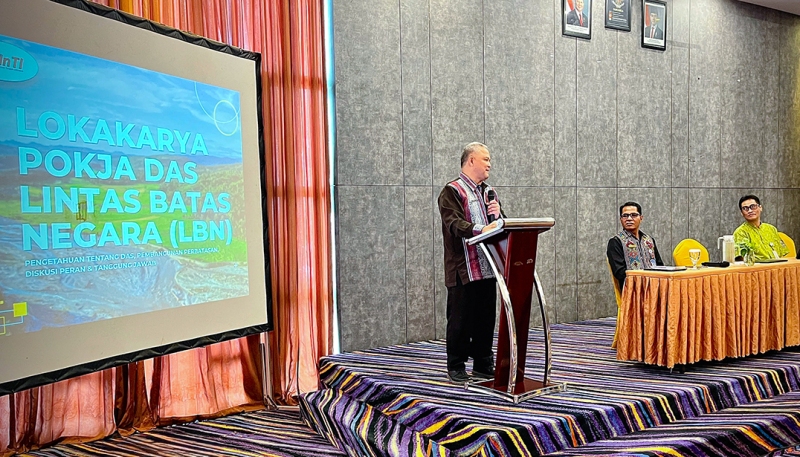
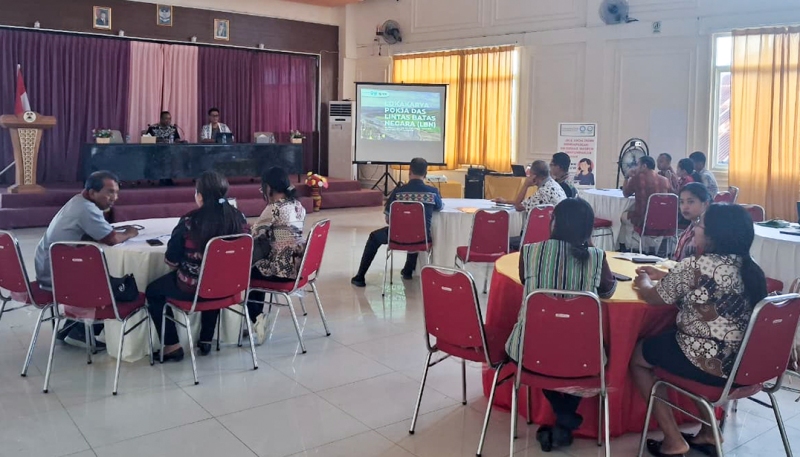
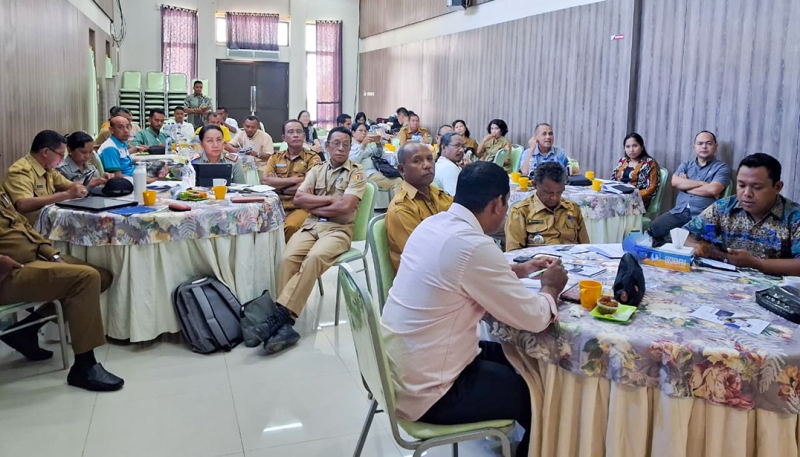
Through the Capacity Building Workshop of the Transboundary Watershed Working Group at the NTT Province level facilitated by Inovasi Tangguh Indonesia (InTI) within the framework of the MITLTW/TIWA program with support from Conservation International (CI) and Global Environment Facility (GEF), various stakeholders again sat together to follow up on the results of several previous workshops that succeeded in agreeing on the election of the chairperson, vice chairperson, and secretariat of the Transboundary Watershed Working Group at once identify the initial need to strengthen the capacity of the Transboundary Watershed Working Group.
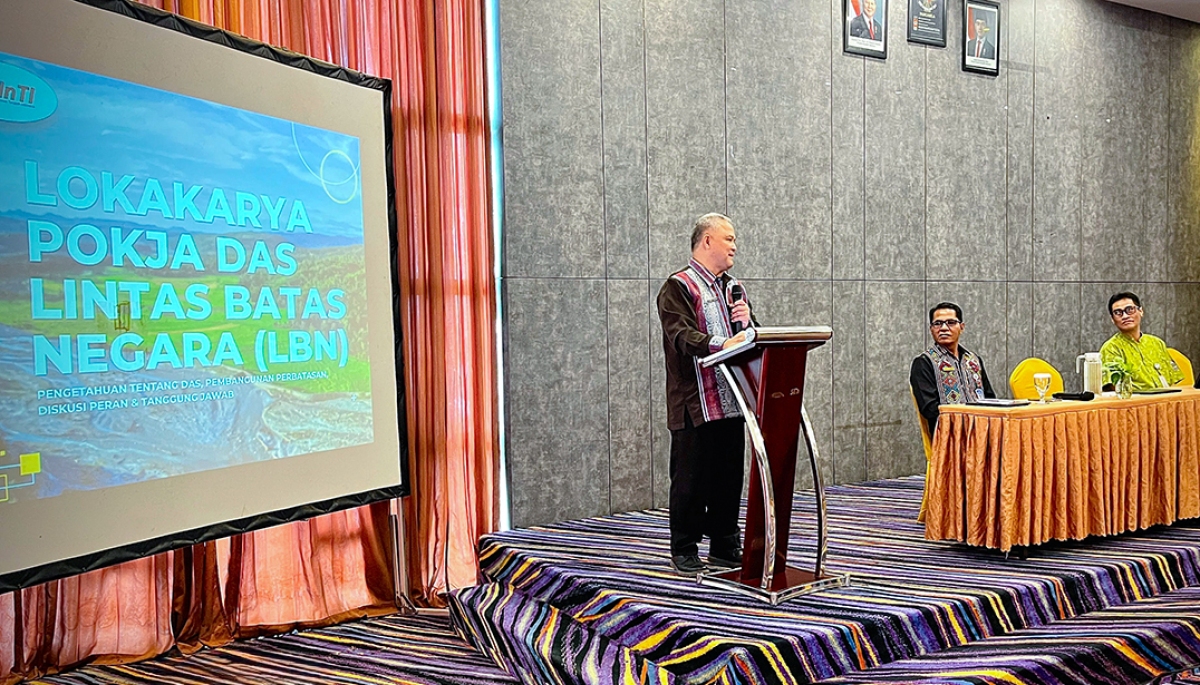
"Today's workshop will continue the initial workshop in February 2026, to bring us all in a better understanding of watersheds that are not only rivers and riverbanks, but also to see the potential for alignment between the transboundary watershed management plan and the development plan in the border area of Indonesia and Timor-Leste in NTT," said Johan Rachmat Santosa, Technical Leader of the TIWA Program from InTI in his opening remarks of the workshop.
In the opening of the activity, the Acting Head of the NTT Provincial Bapperida, Dr. Alfonsus Theodorus, ST., MT., emphasized that the existence of the Transboundary Watershed Working Group has a strategic role in ensuring that cross-border watershed management runs more directionally. However, the direction in question does not stop at the technical aspect of environmental management.
"The management of the transboundary watershed, as conveyed, needs to significantly contribute to alleviating poverty for people living in border areas. This means that every plan that is prepared is not only about conservation, but also about how to ensure that people can survive and thrive from the resources that exist around them," Alfonsus said.
In this context, water is a key point. Water availability and management are seen as the foundation for realizing food security, especially in areas vulnerable to drought and seasonal changes. Therefore, watershed management strategies need to ensure that various interventions carried out by the parties really lead to efforts to secure water resources for the community.
"On the other hand, the management of transboundary watersheds also cannot be separated from the context of the border area itself. Strengthening watershed governance is part of a broader effort to strengthen the governance of border areas, which ultimately supports state sovereignty," Alfonsus added.
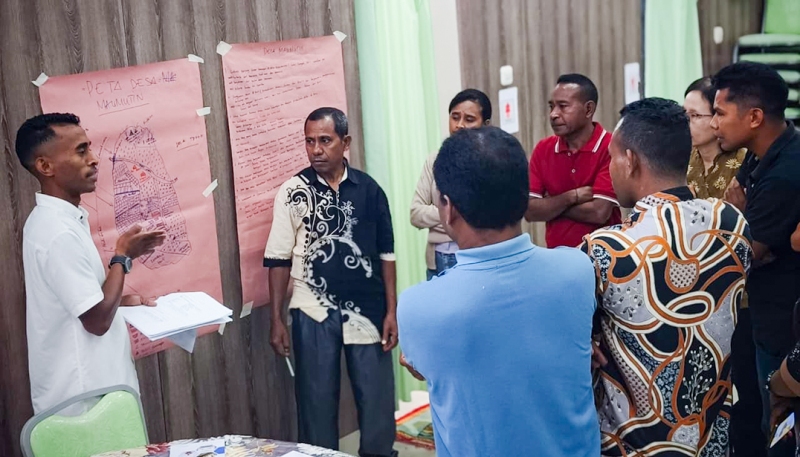
This workshop is also a space to clarify the role of the Transboundary Watershed Working Group at the provincial level. Not only as a coordination forum, but as a liaison that ensures that various processes, from the community, district, to cross-sectoral levels, can run in harmony. The experience from Belu Regency and Malaka Regency is an important foothold, as well as learning material to prepare the next step. What is built is not just a structure, but a shared process. From strengthening capacity at the community level through GTK, the formation of Working Group at the district level, to alignment at the provincial level, all are part of a series that are interconnected.
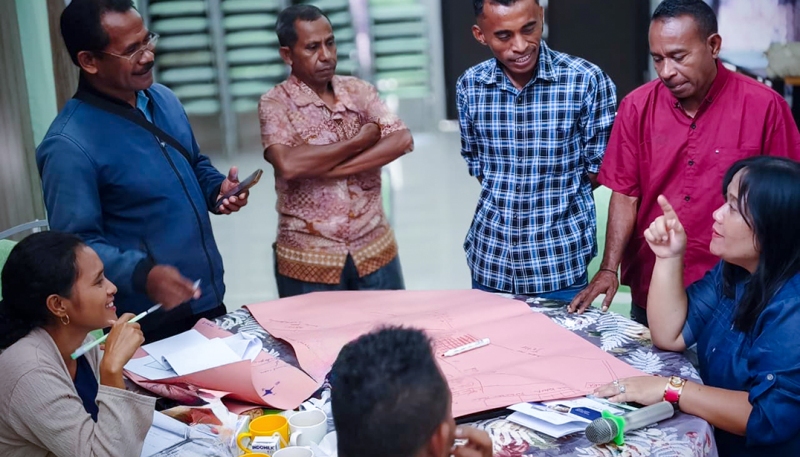
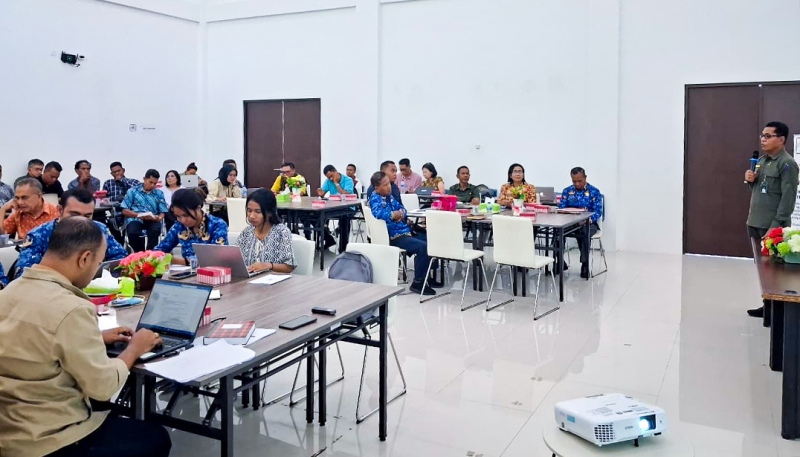
In its activities, the workshop of the POKJA DAS LBN NTT Province took participants from basic understanding to more concrete steps. The discussion, which began with the equalization of understanding of the watershed concept, was delivered by the Head of BPDAS Benain Noelmina who is also the Chairperson of the NTT Provincial Transboundary Watershed Working Group, Kludolfus Tuames, S.P. This directly connected the material to the discussion on how the management of the transboundary watershed can be integrated in regional development planning delivered by the Acting Head of the NTT Provincial Bapperida previously. This perspective was then enriched through material on the development of border areas based on local community empowerment of the Head of the NTT Provincial BPPD which was delivered by Sherley Wila Huky, ST. MT., Head of Implementation Coordination of BPPD NTT Province. The discussion was deepened through the initial exposure of the Transboundary Diagnostic Analysis (TDA) study for the Talau Loes and Mota Masin watersheds by a team from the Faculty of Agriculture, Nusa Cendana University, which is expected to provide a data-driven picture for future planning. This entire series will then lead to the preparation of a follow-up plan, to affirm the role of the Transboundary Watershed Working Group as a driver and liaison for various efforts, while ensuring that the results of the discussion can be translated into concrete steps in the field.
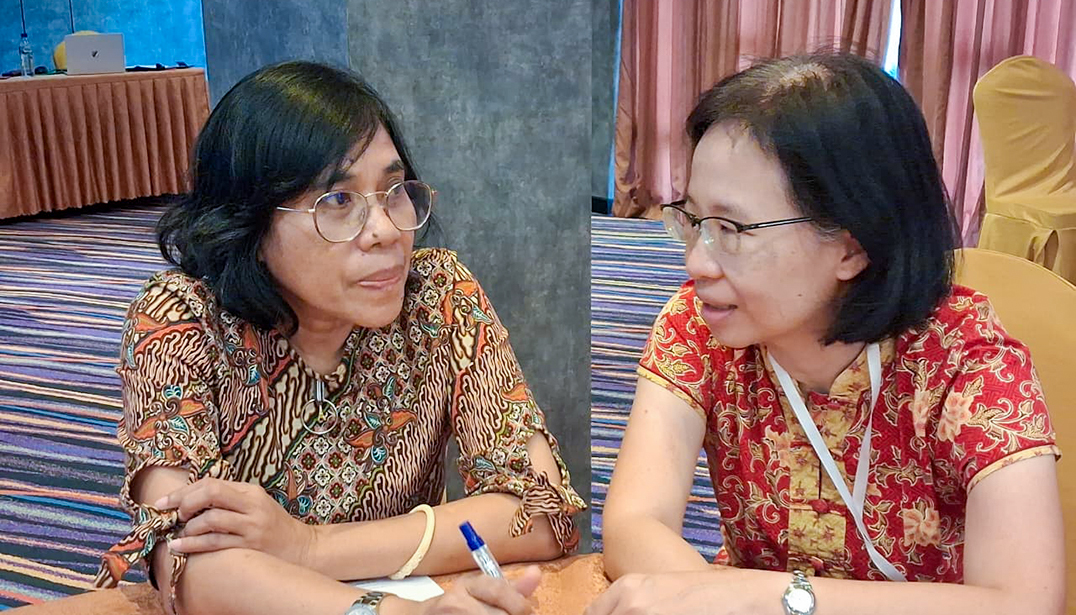
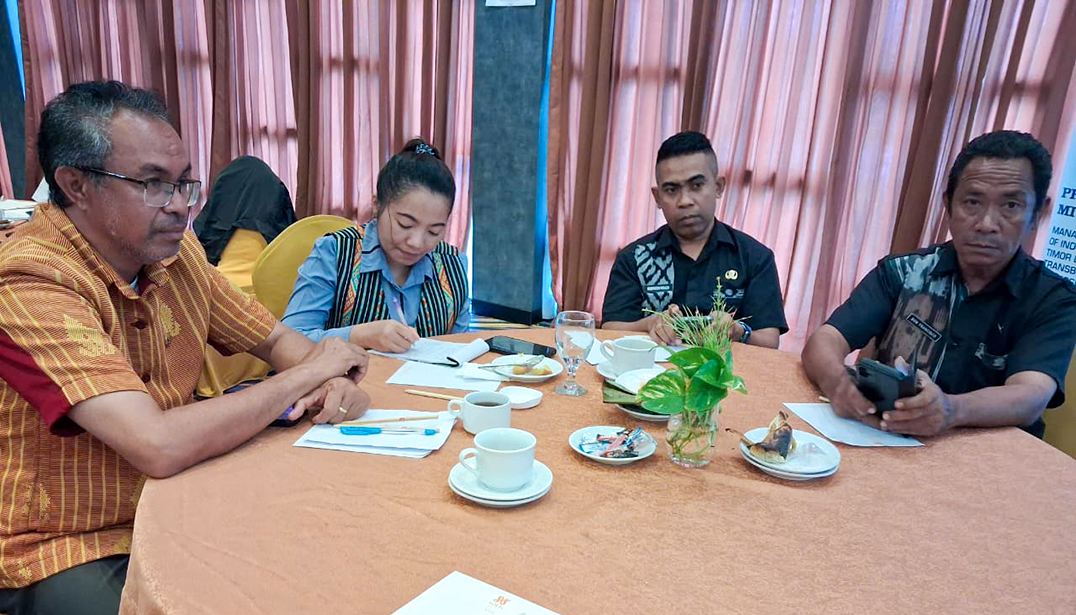
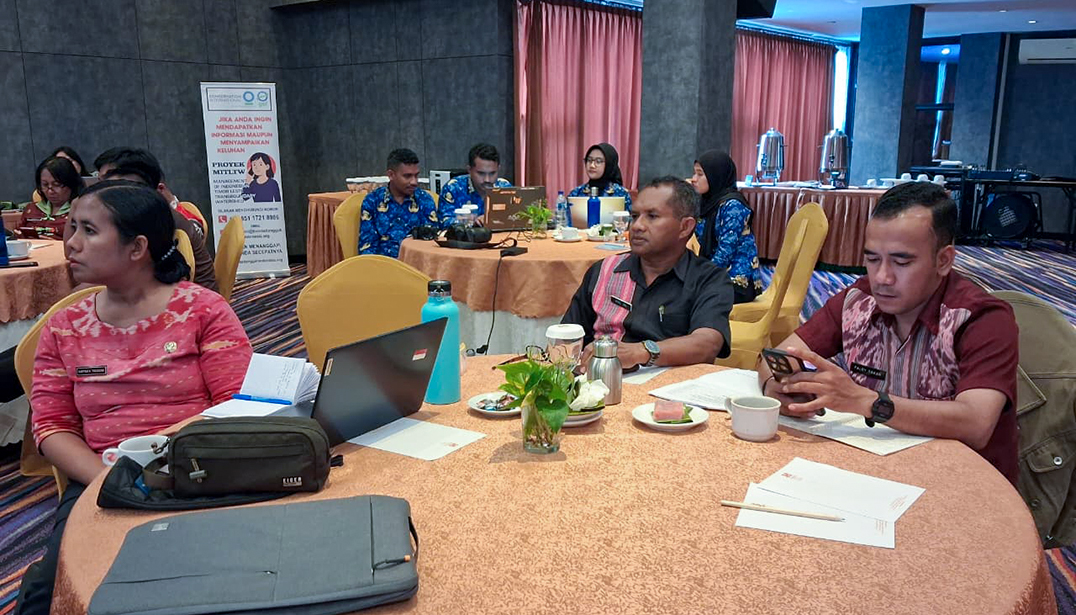
After the afternoon break, the discussion about 3 presentations continued to open a dialogue space between participants and all speakers related to the presentations delivered.
In the future, the role of the NTT Provincial Transboundary Watershed Working Group will be increasingly decisive, especially in ensuring that the various plans prepared can run across regions and interests, without losing focus on the needs of the community at the site level. (InTI)