Second Day of PRA Workshop: GTK Deepens Village Analysis
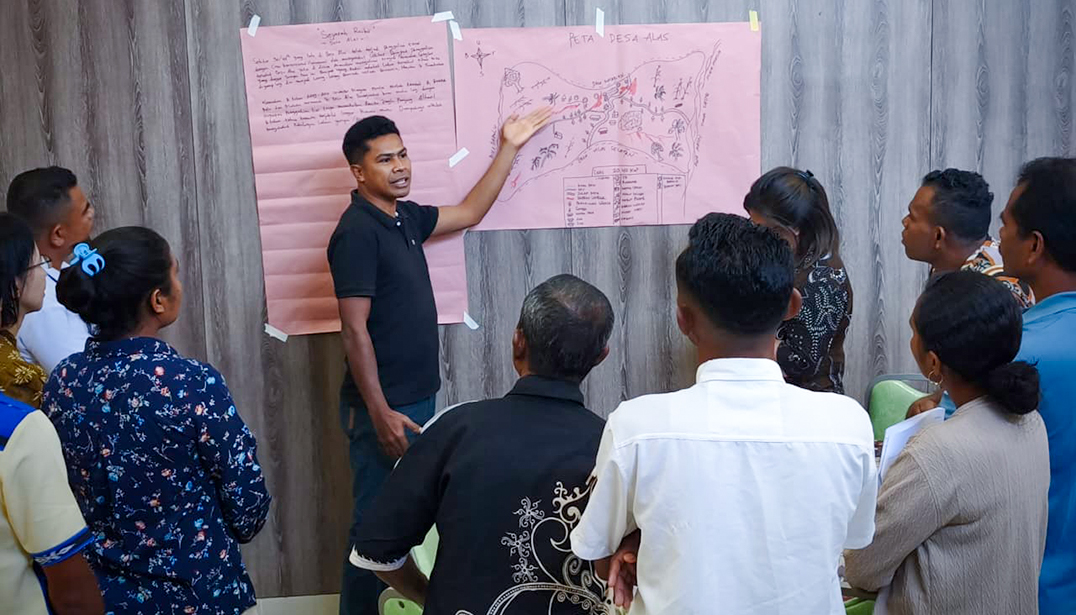
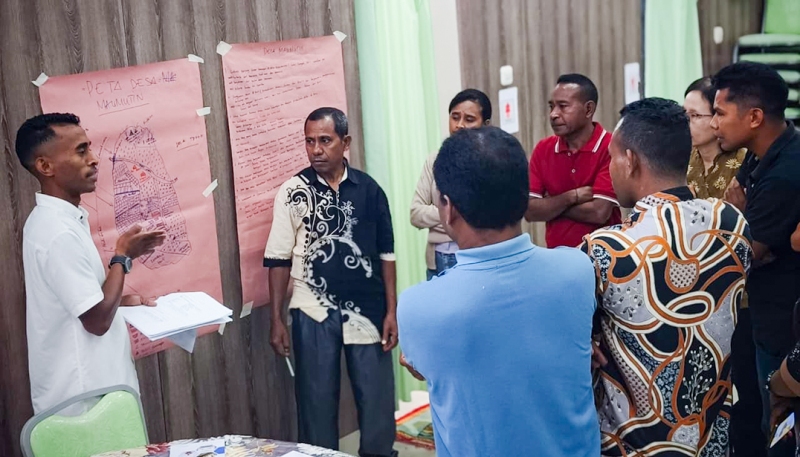
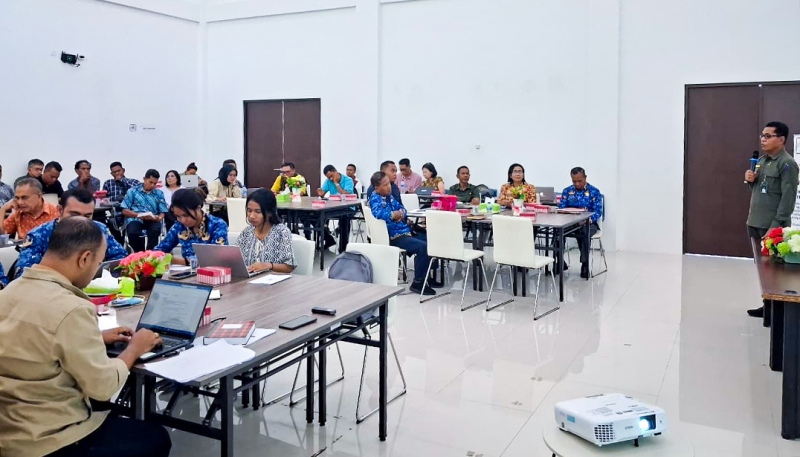
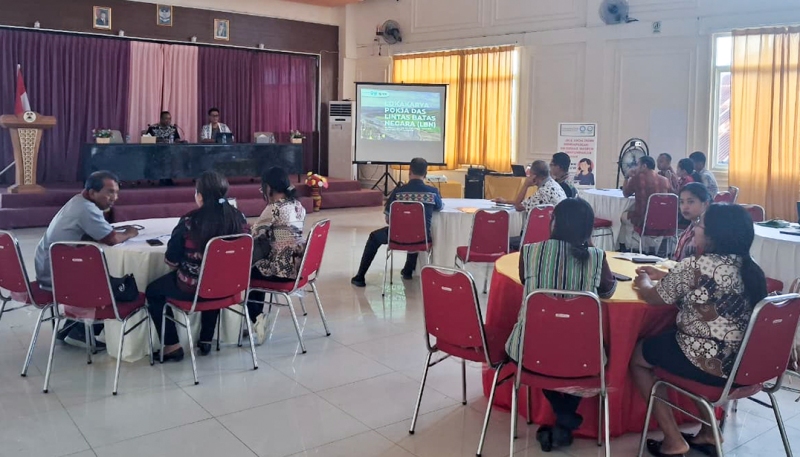
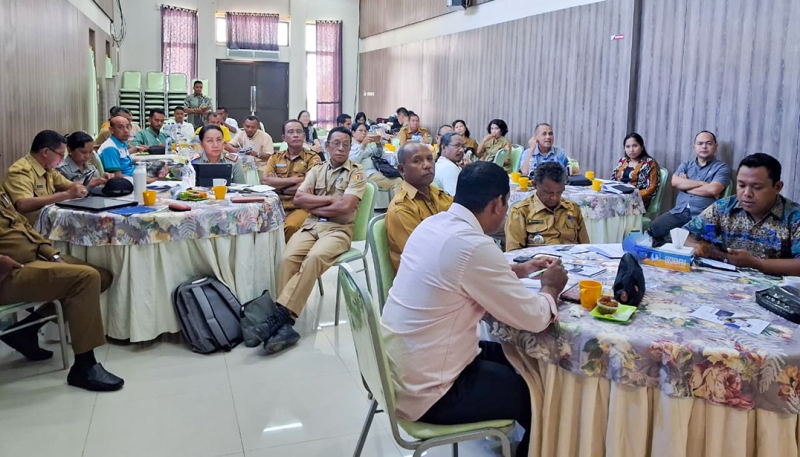
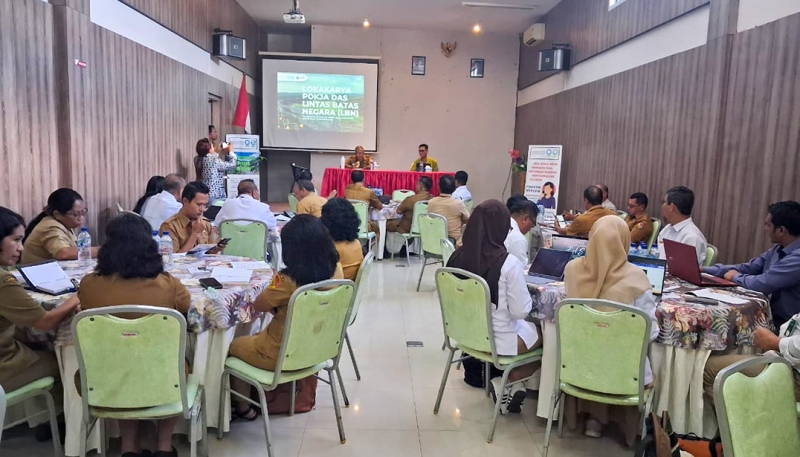
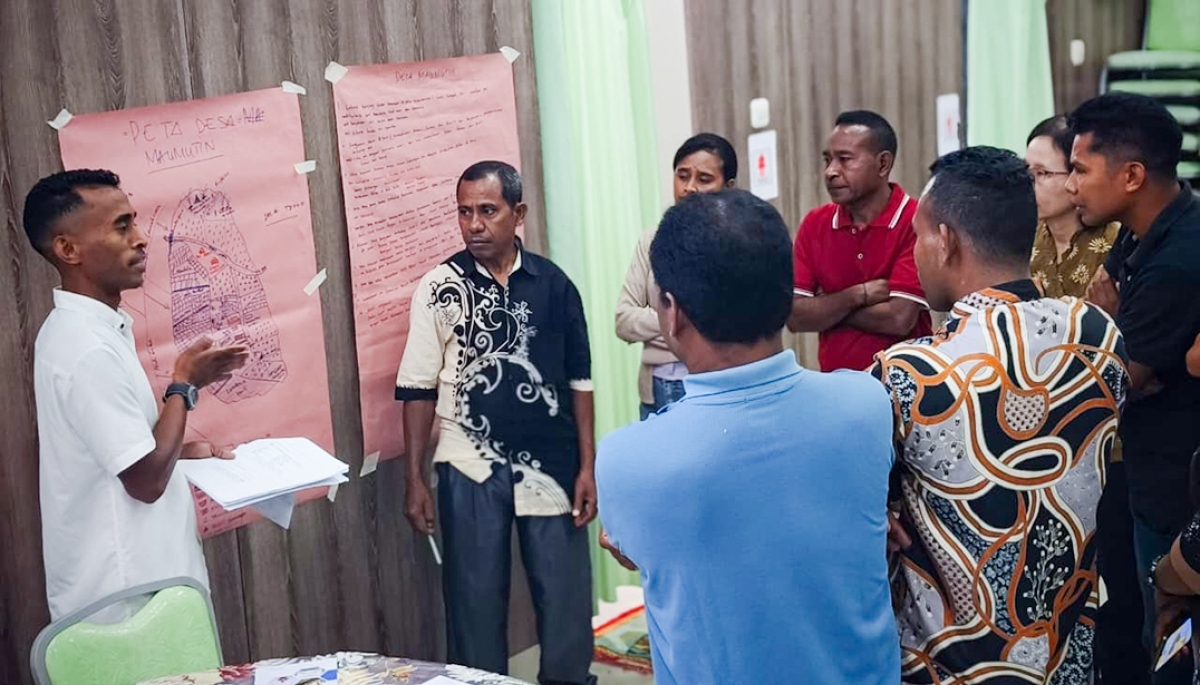
After on the first day the members of the Community Task Force (GTK) of the Talau Loes and Mota Masin watersheds mapped the village area, the second day of the workshop in Atambua took them deeper, reading the changes, remembering events, and understanding the relationship between humans and their environment. Understanding a village is not enough in one step.
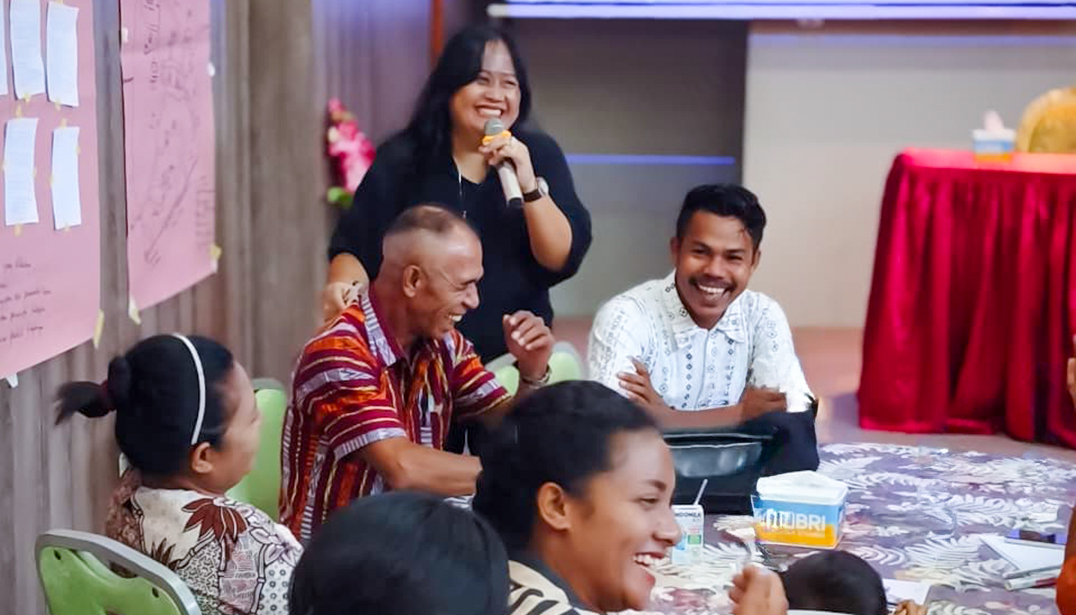
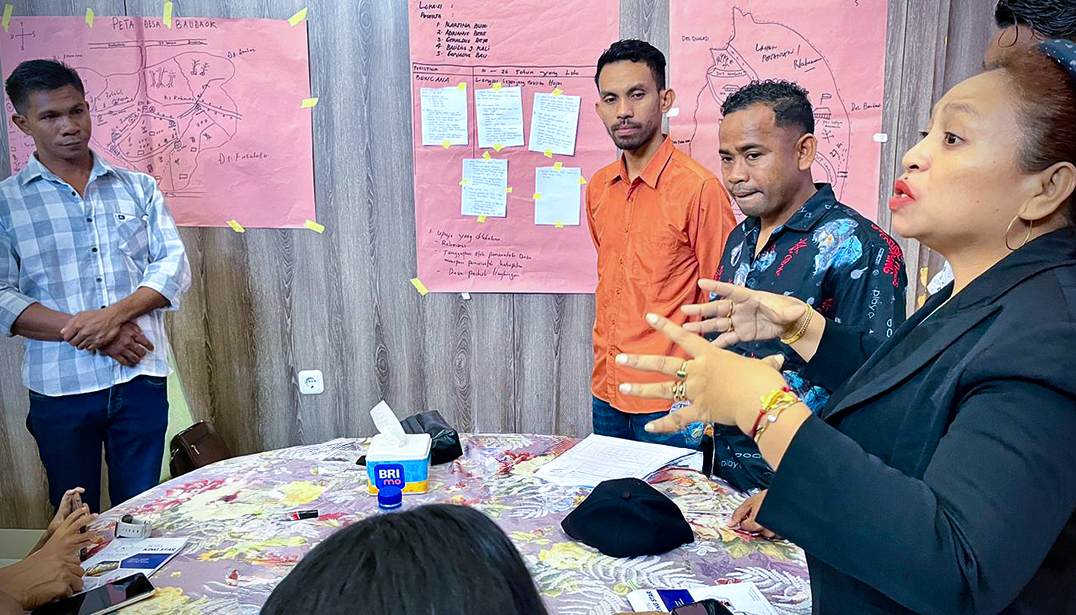
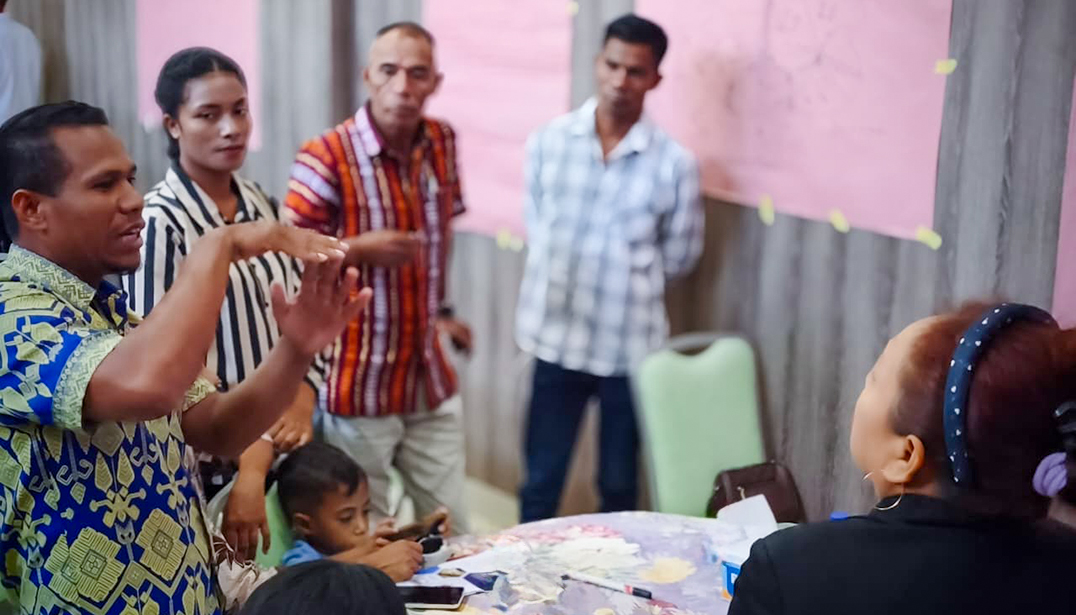
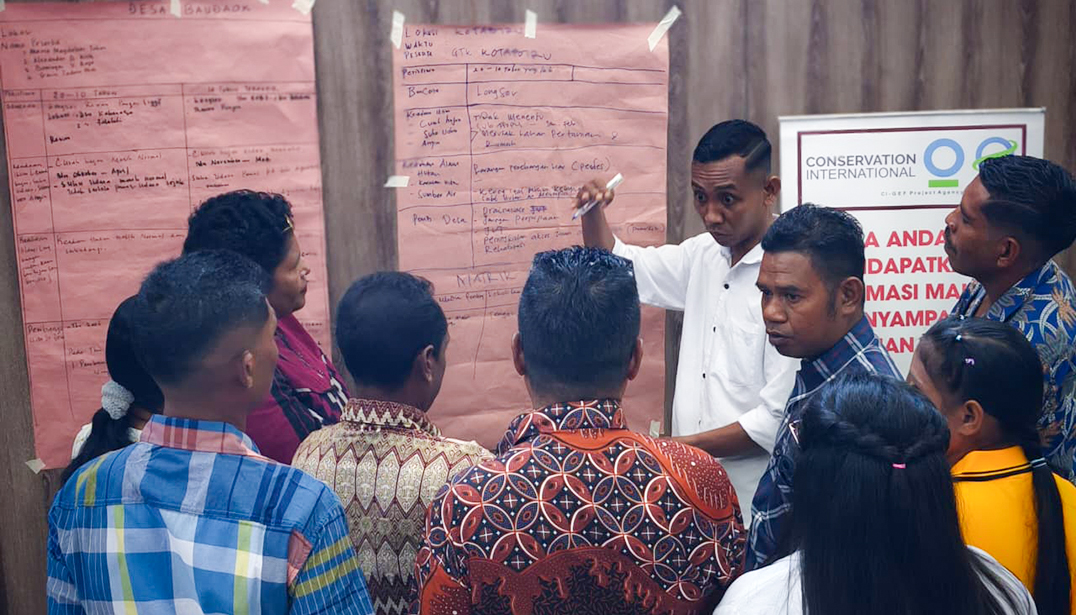
The Participatory Rural Appraisal (PRA) training on the second day continued with an increasingly practical approach. Participants began to explore the history of their respective villages, especially those related to disasters and land use. Floods, droughts, landslides, and changes in forests and rivers were discussed together, including how human activities have shaped the conditions in the two watershed areas today. From there, it began to be seen that the current conditions are the result of a long process, not something that just happened. This understanding is the entrance to think further about how these villages can manage watersheds more adaptively in the future through sustainable development planning.
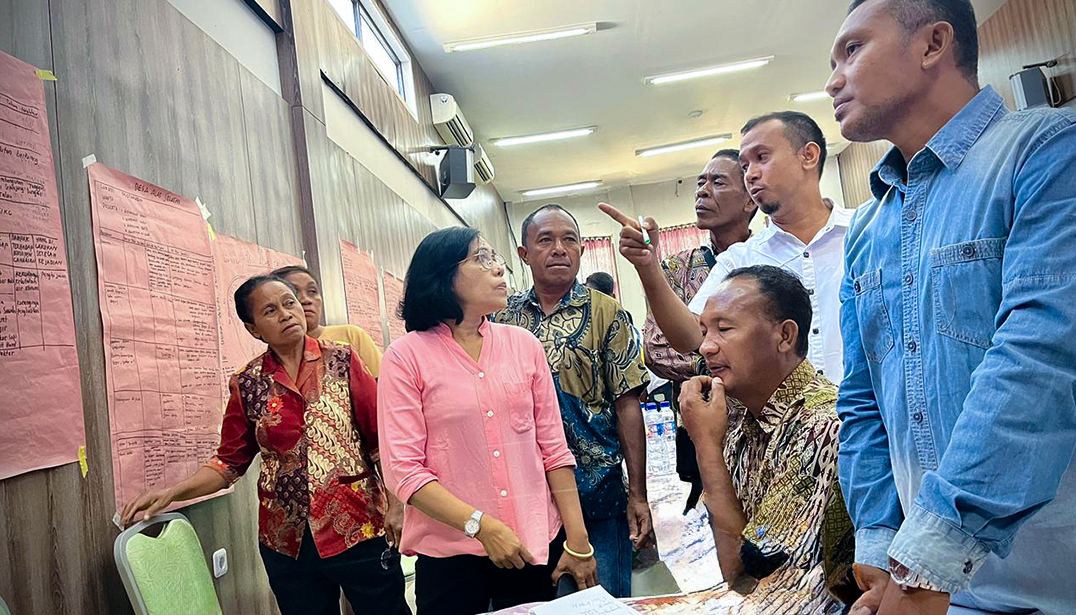
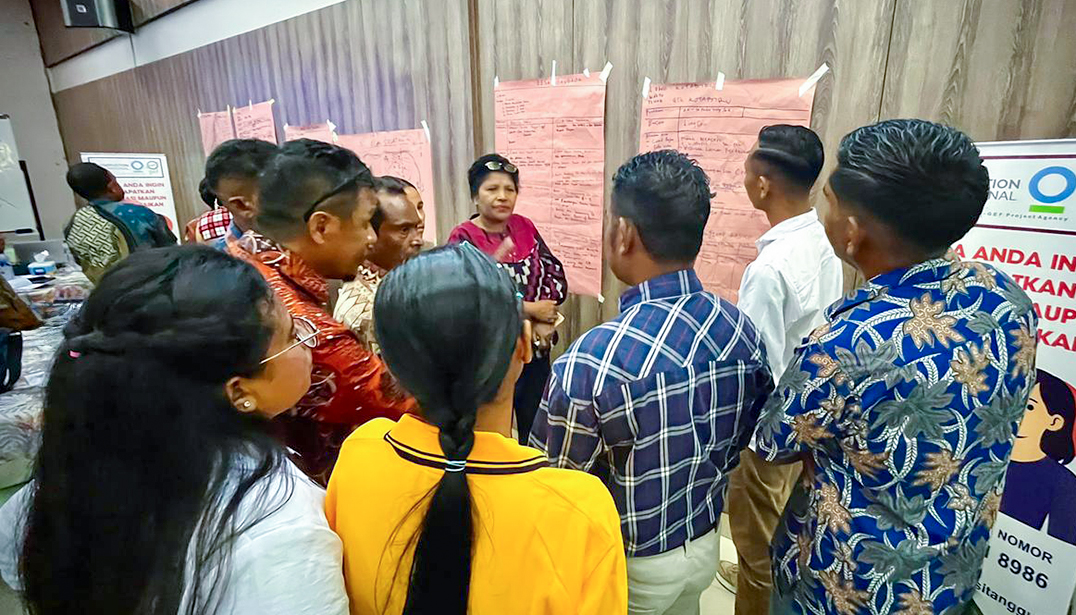
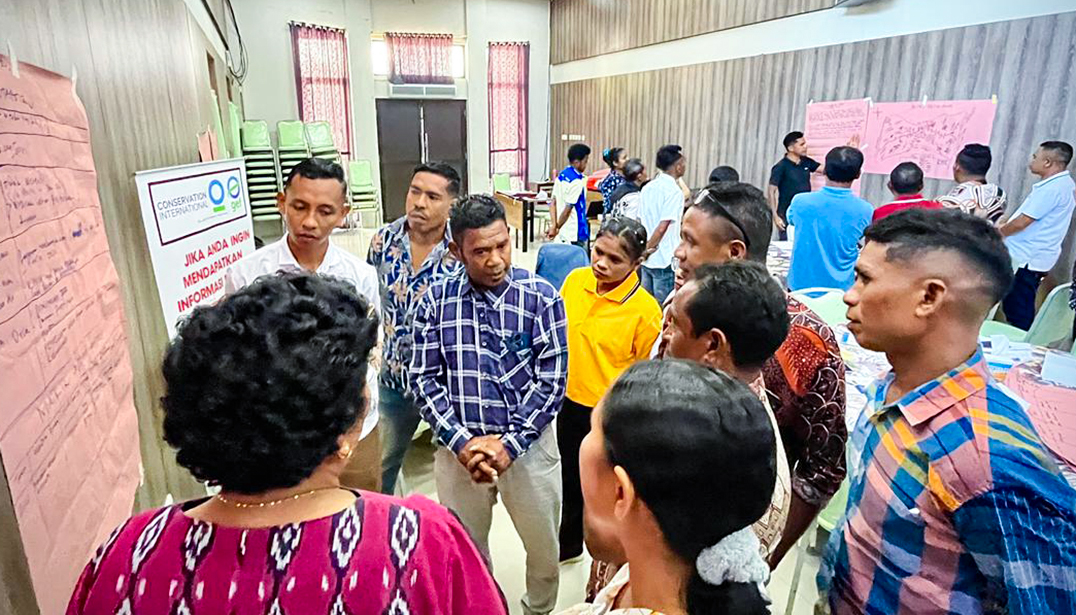
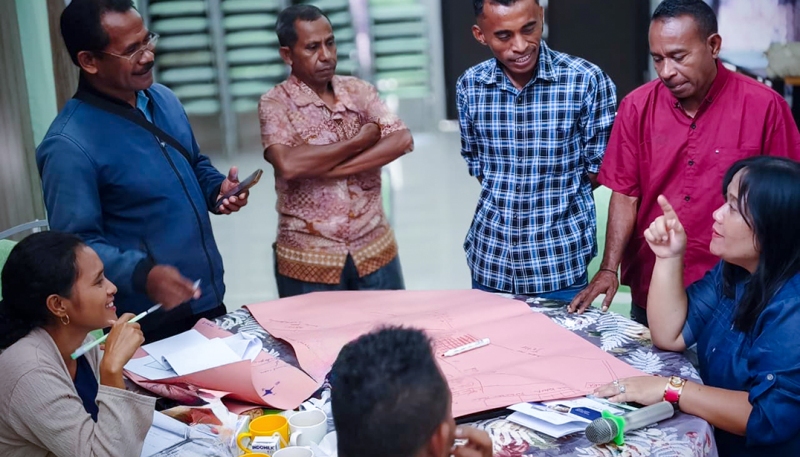
The learning then progresses to a variety of other techniques that help to see the village from a different angle. Through transects, participants understand the condition of the region from upstream to downstream. Through the seasonal calendar, they read the rhythm of community life, planting periods, harvests, and difficult periods, and see the changes that occur from time to time. The discussion also touched on the role of various groups and institutions in the village, as well as exploring the root of the problems faced by the community. Using institutional diagrams, participants understood the roles of various groups and institutions in people's lives, as well as how relationships between them are formed. On the other hand, the problem tree helps to dig into the root of the problem more systematically, connecting the causes, the main problems, and the impact, so that the solutions formulated do not only touch the problems on the surface.
Through ranking and scoring techniques, participants then learn to determine priorities based on the community's perspective. This process becomes essential to ensure that the planned intervention truly addresses the most urgent needs. From there, participants learn to prioritize, determining which issues are most urgent to address based on their own perspectives. All of these processes are interconnected, helping participants see the village more fully, not only as a space, but also the dynamics and changes that occur in the village area. PRA becomes a shared learning space, where community experiences become the basis for making future plans.
This provision will soon be brought back to the village. In the near future, GTK will directly practice this entire process in their respective village areas, dig up information, strengthen participation, and encourage more inclusive, adaptive, and sustainable watershed management from the site level. (InTI)