Aligning Working Group and Community, Mota Masin Watershed Management Strengthened in Malaka
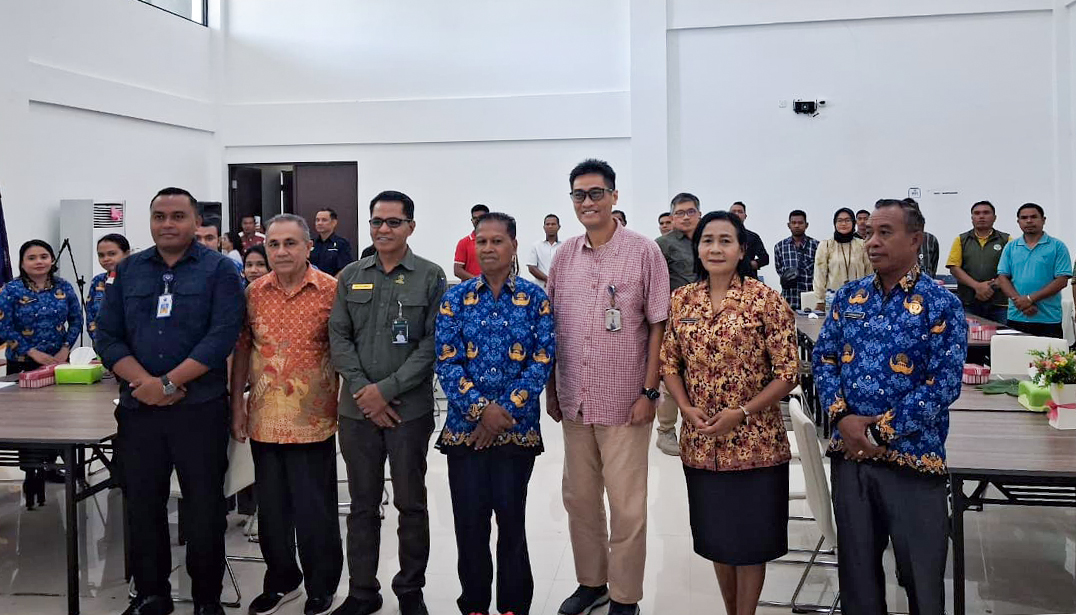
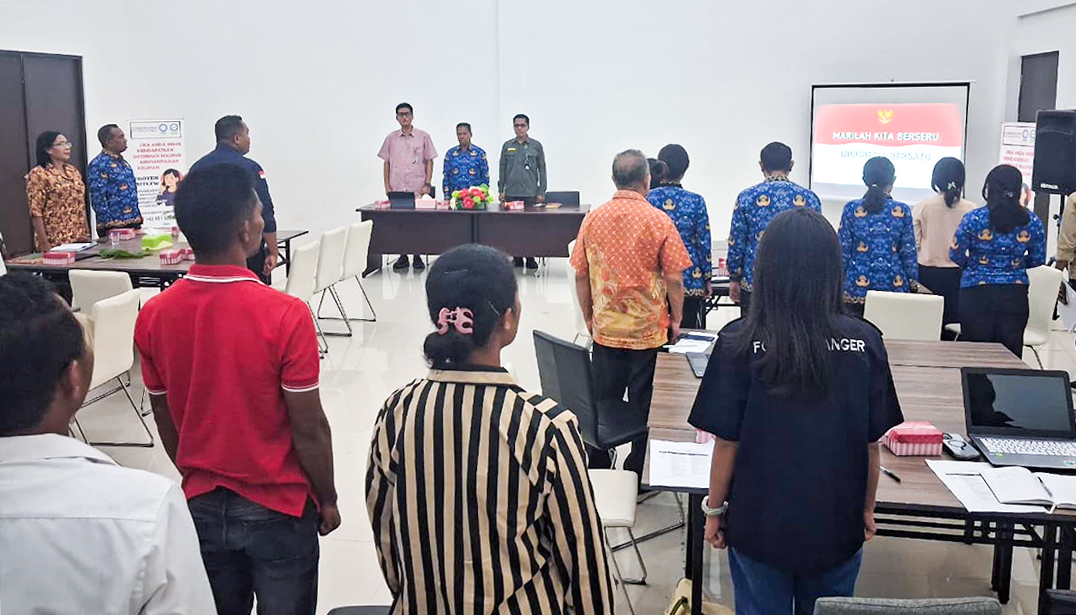
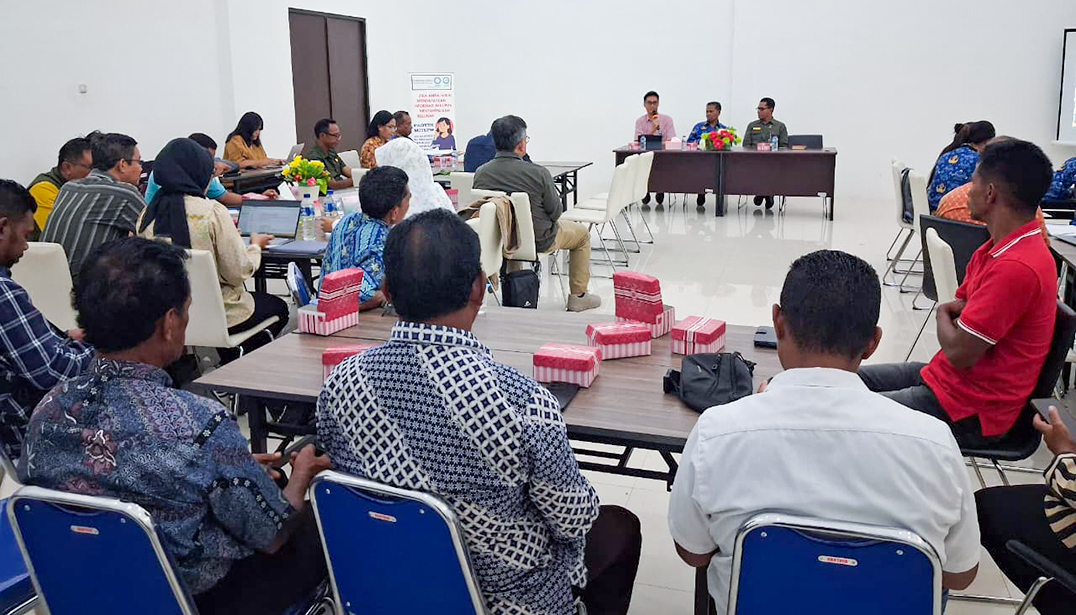
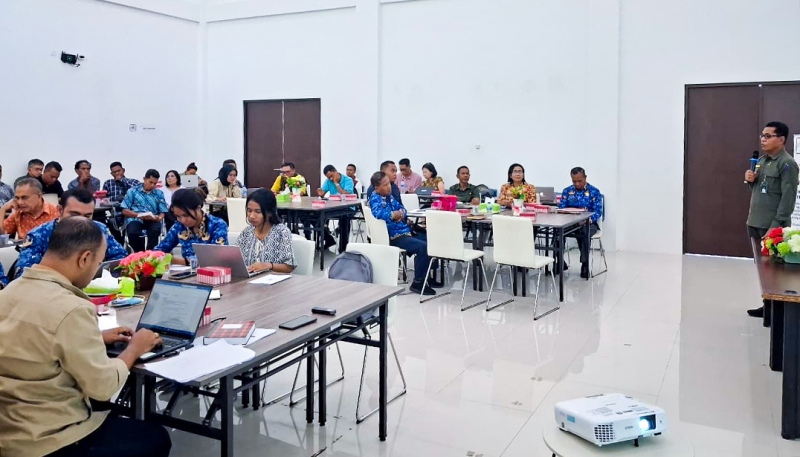
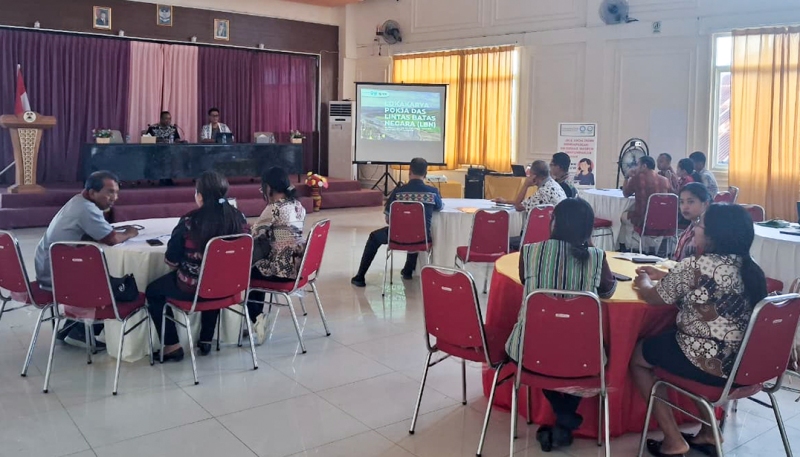
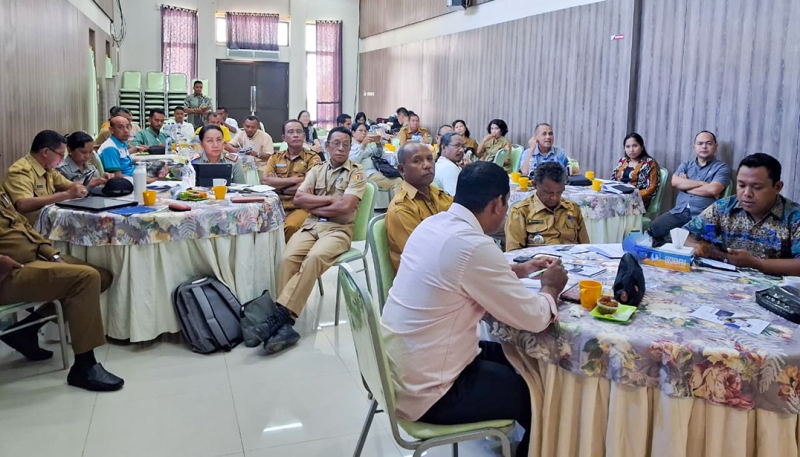
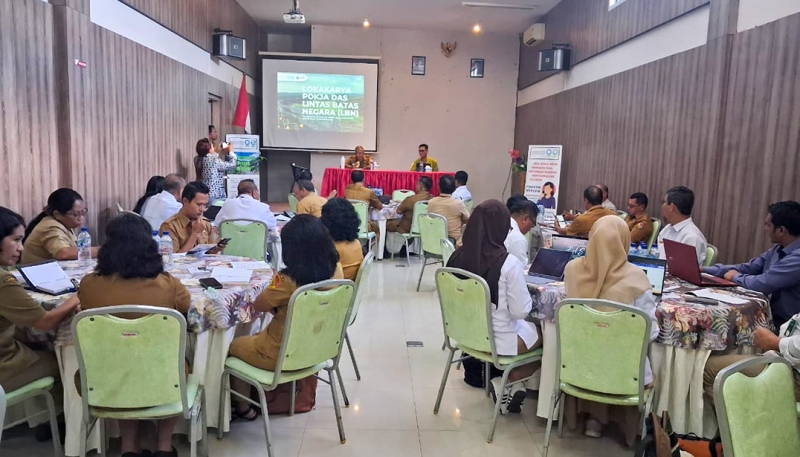
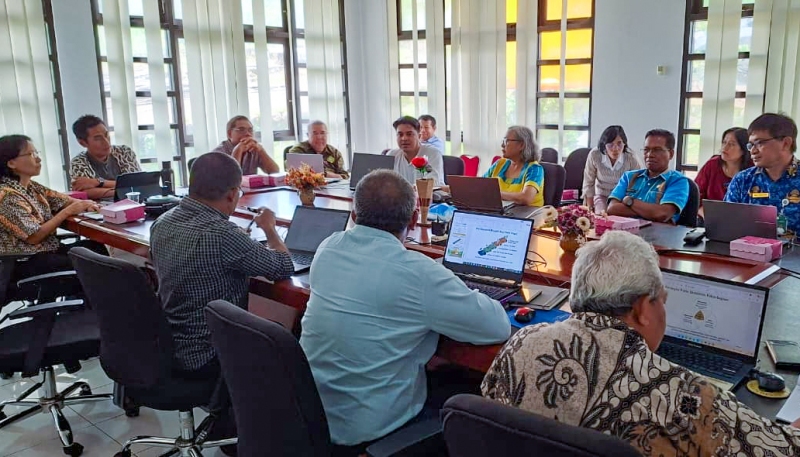
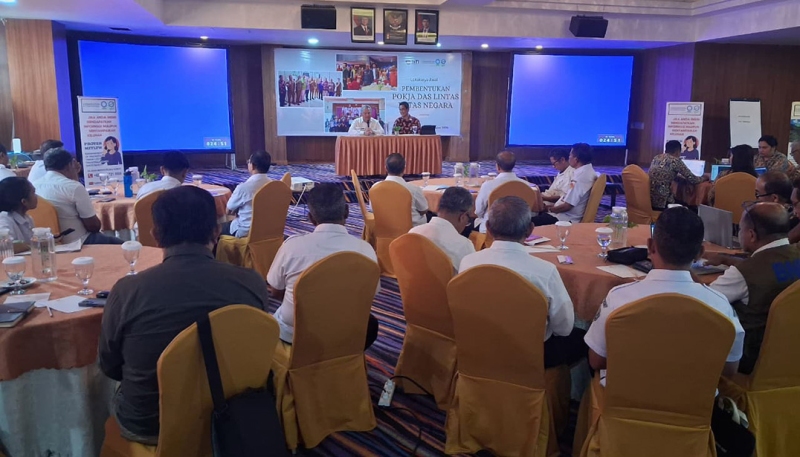
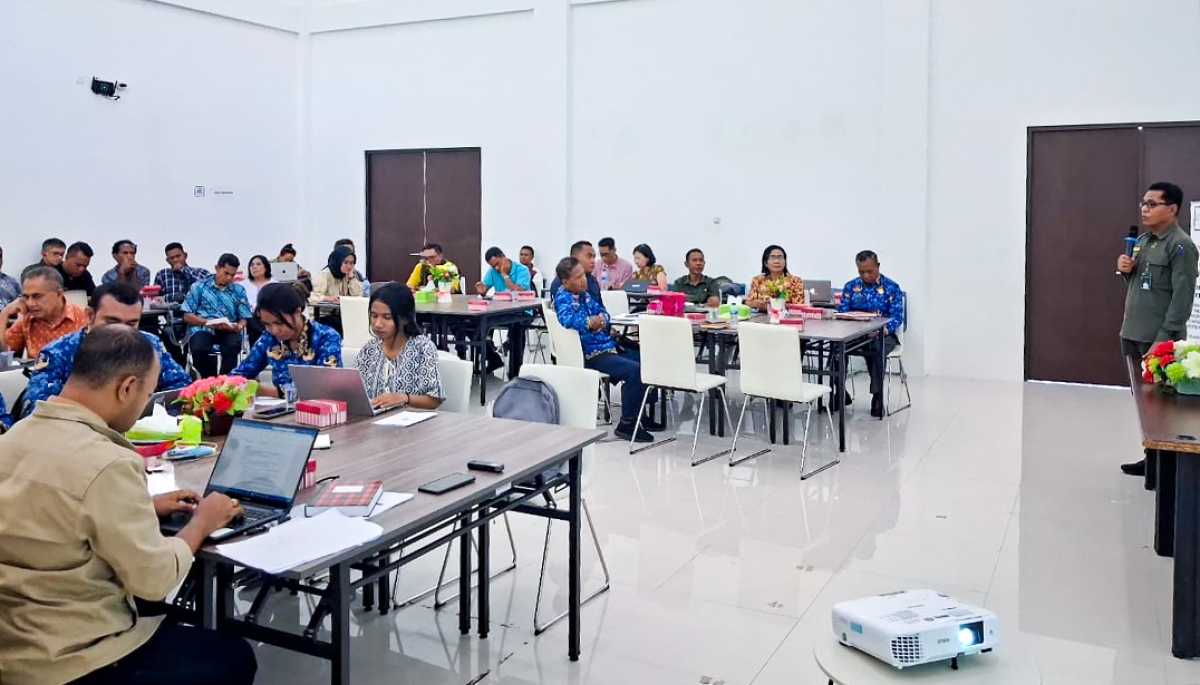
Malaka Regency, April 17, 2026 — Efforts to manage the Mota Masin transboundarywatershed continue to move from institutional strengthening to broader involvement at the community level. Continuing the process that has begun in Belu Regency, Indonesia's Resilient Innovation (InTI) facilitated a workshop that brought together the Malaka Regency Transboundary Watershed (LBN) Working Group (Pokja) with the Mota Masin Watershed Community Task Force (GTK) at the Motamasin Cross-Border Post (PLBN) Meeting Building. If the previous stage in Malaka was focused on the formation and strengthening of the Pokja structure, then this meeting is the next step: connecting the work of the Working Group with the role of the community at the site level. The Malaka Regency Transboundary Watershed Working Group and GTK Mota Masin were brought together to start building the collaboration. In this context, the role of GTK is crucial as a liaison between the community at the site level and the Transboundary Watershed Working Group at the district level to the national and regional levels.
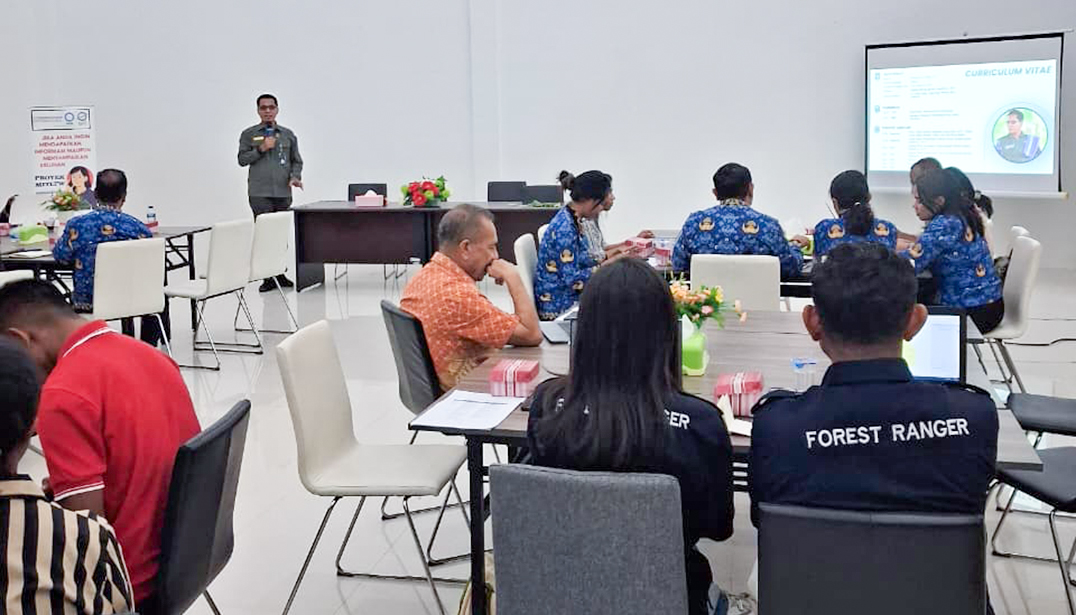
As conveyed by Johan Rachmat Santosa, Technical Lead Indonesia from InTI, "GTK is expected to be an anchor to obtain information from all groups in the community, including indigenous peoples, women's groups, and other vulnerable and at-risk groups who are often marginalized in the development planning process. Through this role, GTK becomes the main meaningful participation channel to convey voices from the site level into the decision-making process for the management of the Mota Masin watershed in the future."
"The voice of the community is the most important part. Collaboration must come from the site, regional, to national, and even cross-country levels. This program complies with the principles of Social and Environmental Protection from CI-GEF, where meaningful participation of all community members is encouraged and the protection of natural resources and the environment is prioritized in the implementation of the program," Johan emphasized.
This reminds that the management of the Mota Masin watershed cannot be separated from the connectivity between regions and between parties. This workshop is also expected to produce a communication mechanism that ensures that information from the village can be received and utilized by the Transboundary Watershed Working Group.
In addition to discussing the structure and roles, the discussion was also directed at how the two parties can connect through clear communication mechanisms. This connectivity is important to ensure that transboundary watershed management not only runs at the coordination level, but also actively involves the community. The results of this process are expected to be the basis for the preparation of Standard Operating Procedures (SOP) for GTK in the future.
One of the fundamental things that was again emphasized in this workshop was the understanding of watersheds. Participants are encouraged to see watersheds as a unit of hydrological systems that cover upstream, middle, and downstream areas, not just rivers and their banks.
The Head of BPDAS Benain Noelmina, Kludolfus Tuames, emphasized that the importance of watershed management cannot be separated from people's daily lives.
"All living things live and work in watersheds, everything depends on the good quality of watersheds," he said.
On this occasion, he also emphasized the importance of common understanding among stakeholders. "We have to be in the same boat," he said, stressing that only with the same understanding can each party play an active role in watershed management. He added that this process will lead to the preparation of an action plan, which will only be effective if it is built on mutual understanding and is able to answer real problems on the ground.
This understanding is important, especially for villages that do not directly utilize river water, but remain within the watershed area. In this context, each region has a role to play in maintaining the sustainability of water availability. With the same understanding, contributions from various parties, both government and community, can be directed in a more integrated manner.
This workshop also placed the Transboundary Watershed Working Group and GTK as part of a broader process, namely the implementation of Transboundary Diagnostic Analysis (TDA) which took place from March to July 2026 and was carried out by Nusa Cendana University (Undana). In this process, the involvement of the Working Group and GTK is important, not only in providing data, but also in ensuring that conditions and needs at the local level can be accommodated.
The results of the TDA, along with other available data, will form the basis for the preparation of the Strategic Action Program (SAP).
A number of agendas were discussed, ranging from strengthening knowledge about watersheds and community resilience-based development, the legal basis for the formation of GTK, strengthening the structure, to initial discussions on the role and responsibilities of GTK. In addition, the communication mechanism between GTK and the village government as well as with the Transboundary Watershed Working Group was also the focus of discussion.
The Chairperson of the Transboundary Mota Masin Watershed Working Group, Wendelius Un, on the occasion said that this meeting was an important momentum because for the first time GTK and the Working Group could sit together. He appreciated the presence of various parties, ranging from the government to representatives of the border village community.
"Even though it is the first time we have met, we have already walked together in this program, and our steps from day to day are real," Wendelius said.
He also emphasized that watershed management requires the seriousness of all parties to work together.
"I am sure that we will go further together to realize the management of the Mota Masin transboundary watershed that provides welfare for the people in Malaka," he added.
This discussion shows that transboundary watershed management requires strong connectivity, not only between institutions, but also between policies and practices on the ground. The series of processes from Belu to Malaka shows an increasingly clear direction. The strengthening of the Transboundary Watershed Working Group is the foundation, while the involvement of GTK opens up a wide space for communities at the site level to become the main actors of this program together with other stakeholders.
From the Working Group to the site, this process continues to move, building more collaborative, inclusive, adaptive, and sustainable watershed management in the border areas of Indonesia and Timor-Leste. (InTI)