Strengthening the Role of the Community
In the border area between Indonesia and Timor-Leste, efforts to maintain the sustainability of watersheds cannot rely solely on policies at the top level. Efforts to maintain the sustainability of watersheds require voice, knowledge, and direct involvement from the communities that live in them. This is where the role of the Community Task Force (GTK) becomes important, as a bridge between the realities on the ground and the broader planning process.
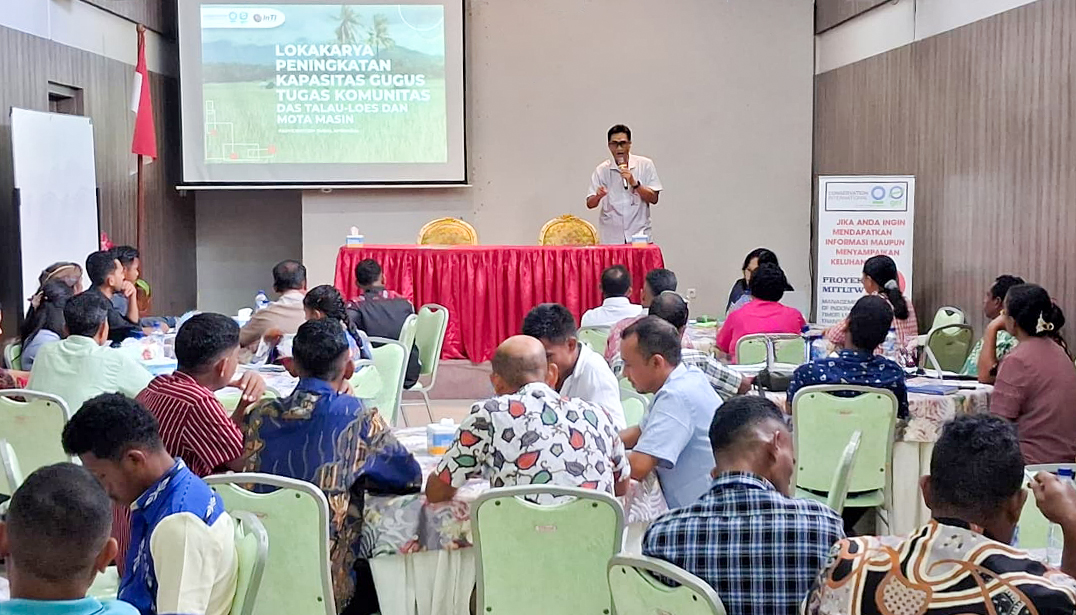
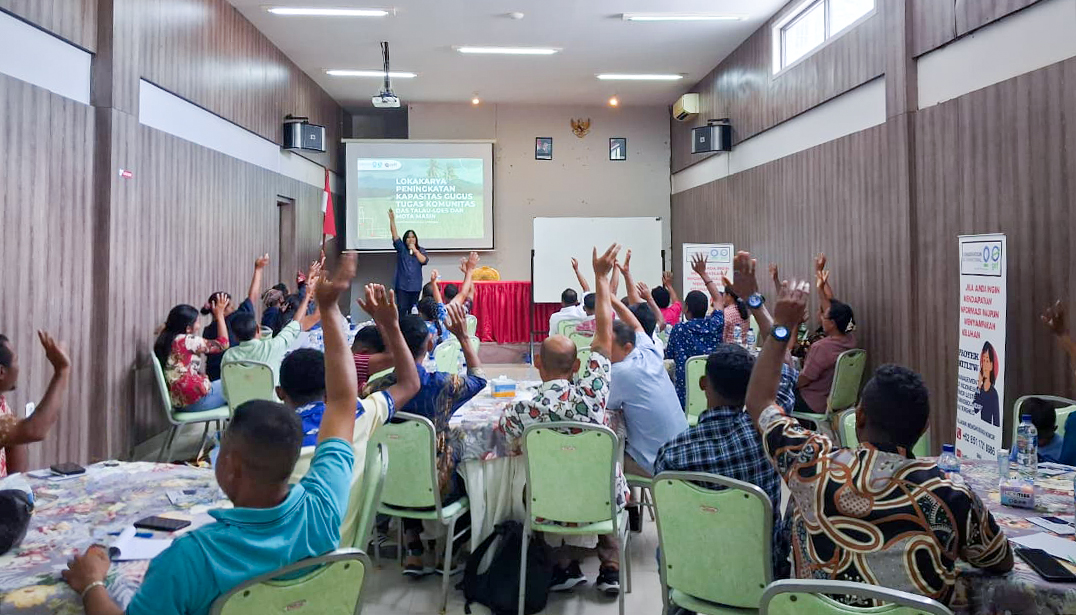
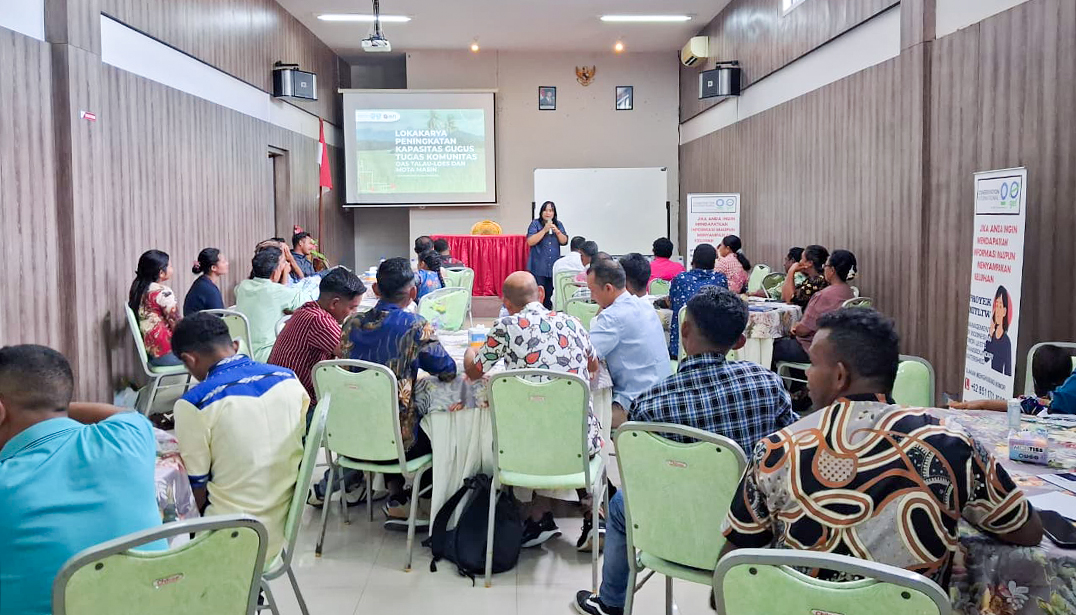
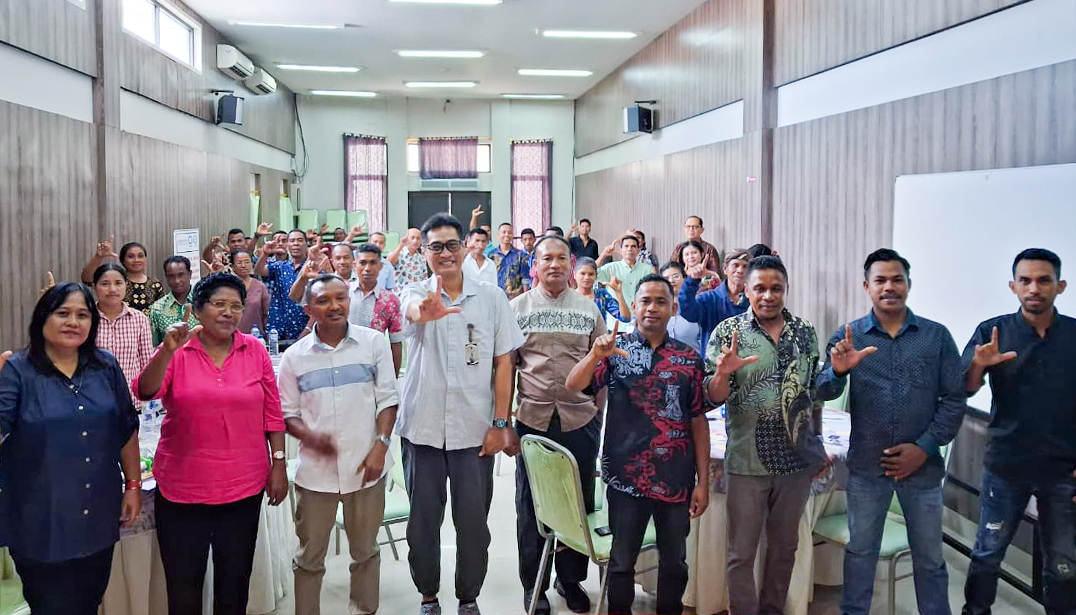
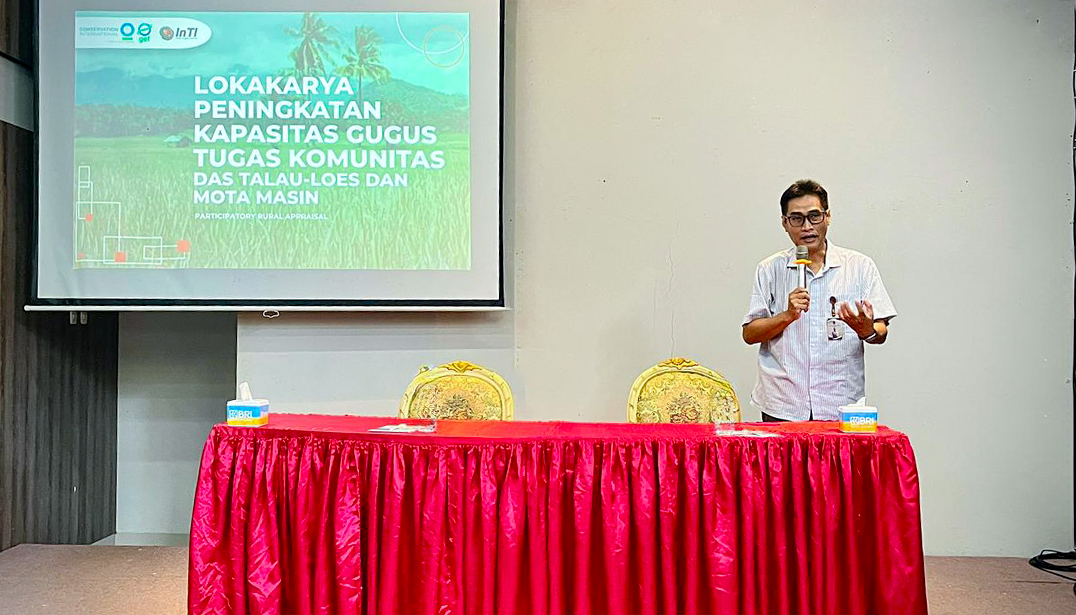
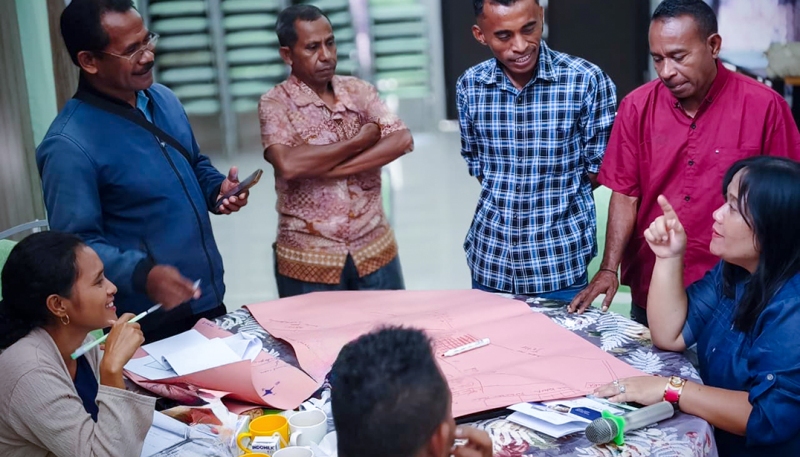
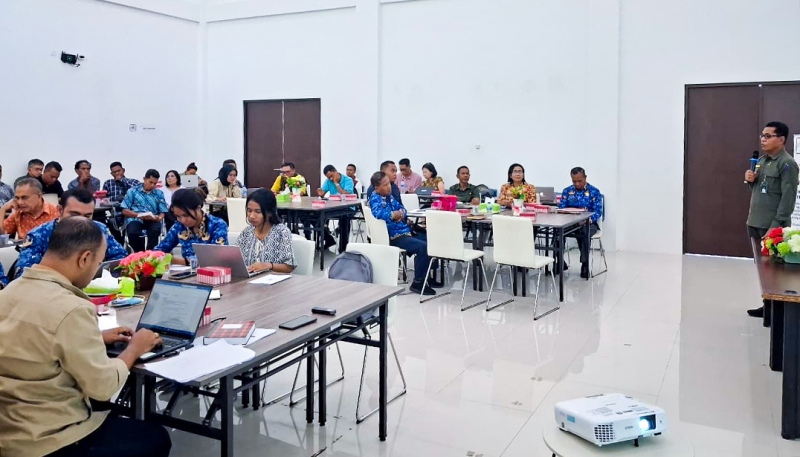
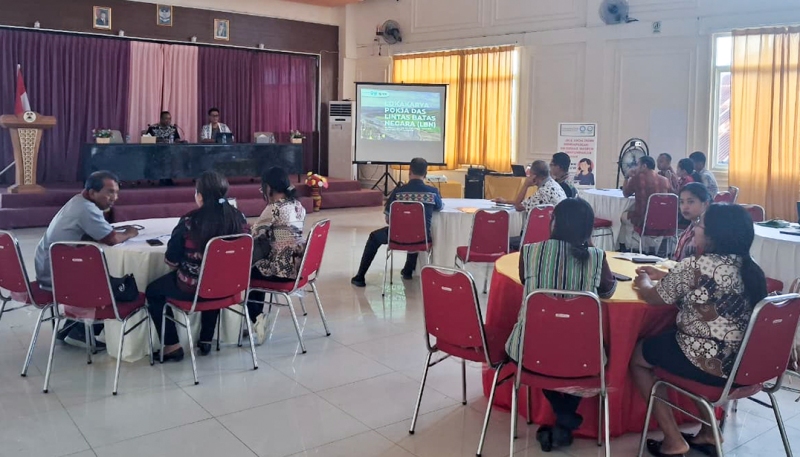
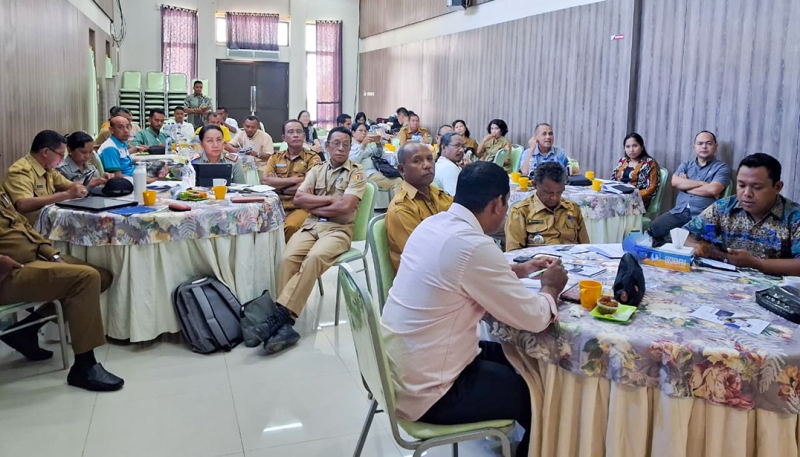
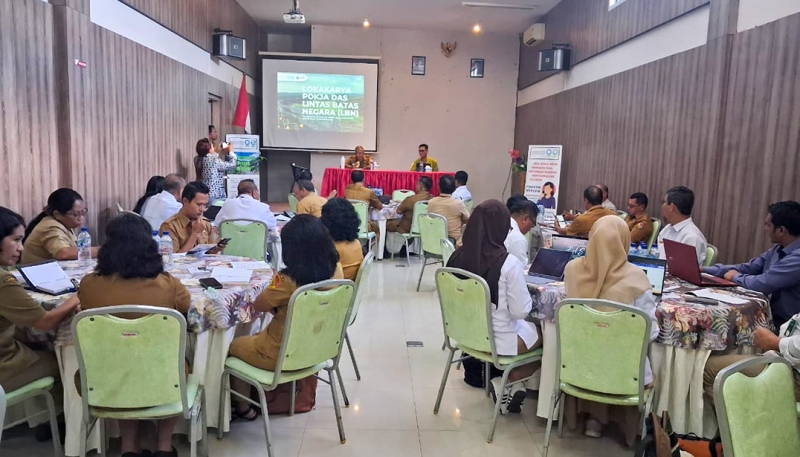
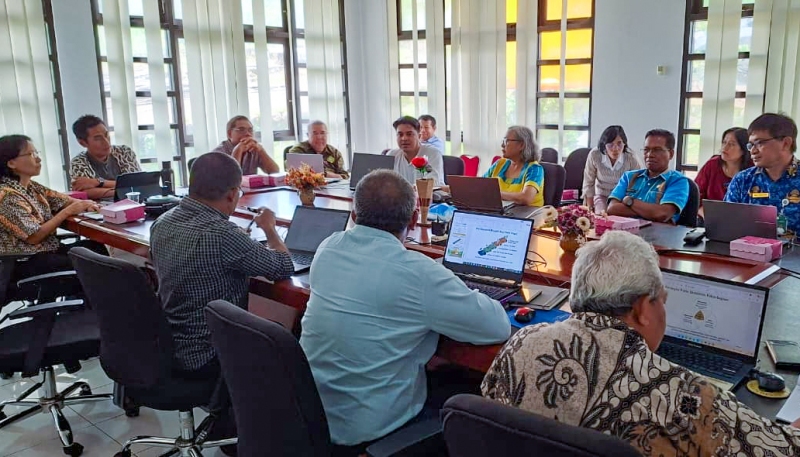
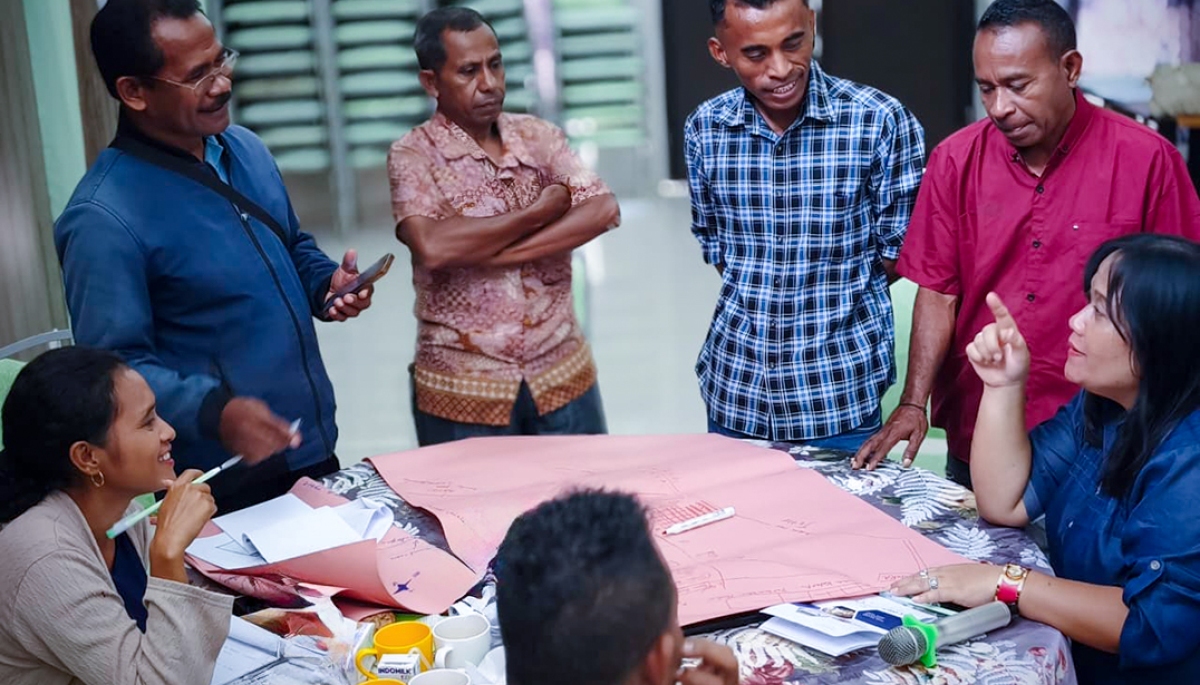
After previously conducting a workshop to recognize roles and responsibilities and build communication with the Transboundary Watershed Working Group (LBN), as many as 40 GTK members from the Talau-Loes watershed (Belu Regency) and Mota Masin Watershed (Malaka Regency) regathered. For two days, on April 20–21, 2026, GTK members participated in a capacity building workshop focused on Participatory Rural Appraisal (PRA) at the King Star Hotel, Atambua, East Nusa Tenggara.
The workshop is part of the Management of Indonesia and Timor Leste Transboundary Watersheds (MITLTW) Project, which aims to promote collaborative and sustainable management of transnational watersheds, while protecting water, food, and livelihoods for communities in border areas. In Indonesia, this project is implemented by the Ministry of Forestry through the Directorate of Watershed Management Planning and Evaluation (PEPDAS) under the Directorate General of Watershed Management and Forest Rehabilitation (PDASRH), with Inovasi Tangguh Indonesia (InTI) as the Co-Executing Agency that organized this workshop.
"To understand the problems in the Talau Loes and Mota Masin watersheds, the community through GTK Talau Loes and Mota Masin are the main stakeholders who must be able to identify the root of the problems of watershed governance around them because they themselves experience problems related to watersheds in their daily lives, this PRA training ensures the internal capacity of the community so that it can more easily identify the problems around them independently in the future so that they can provide input for development planning related to watersheds that are more sustainable in the future," said Johan Rachmat Santosa, Technical Lead of the TIWA Indonesia program from Inovasi Tangguh Indonesia.
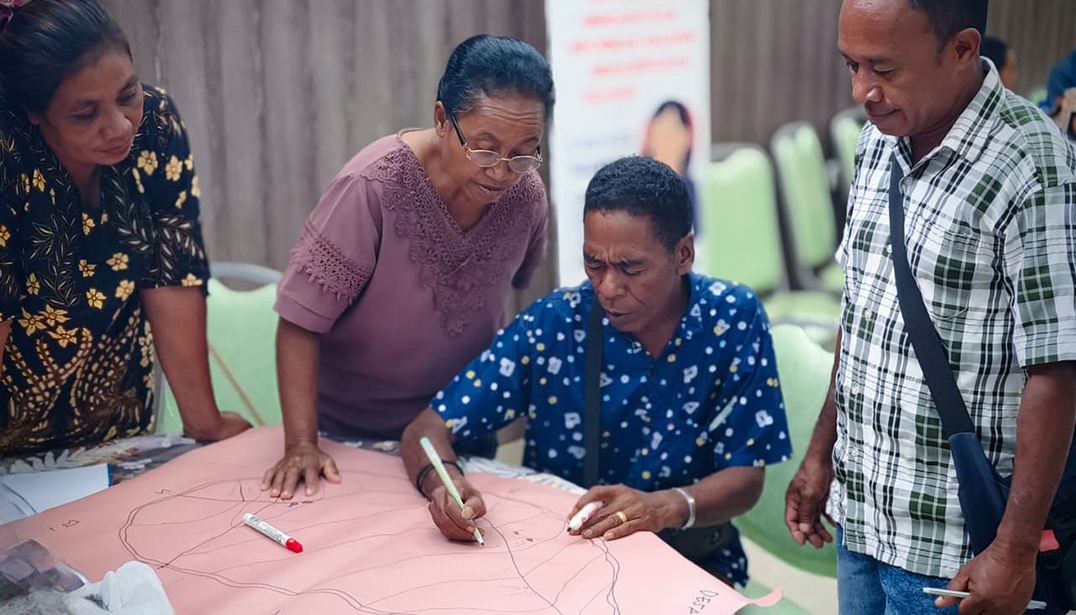
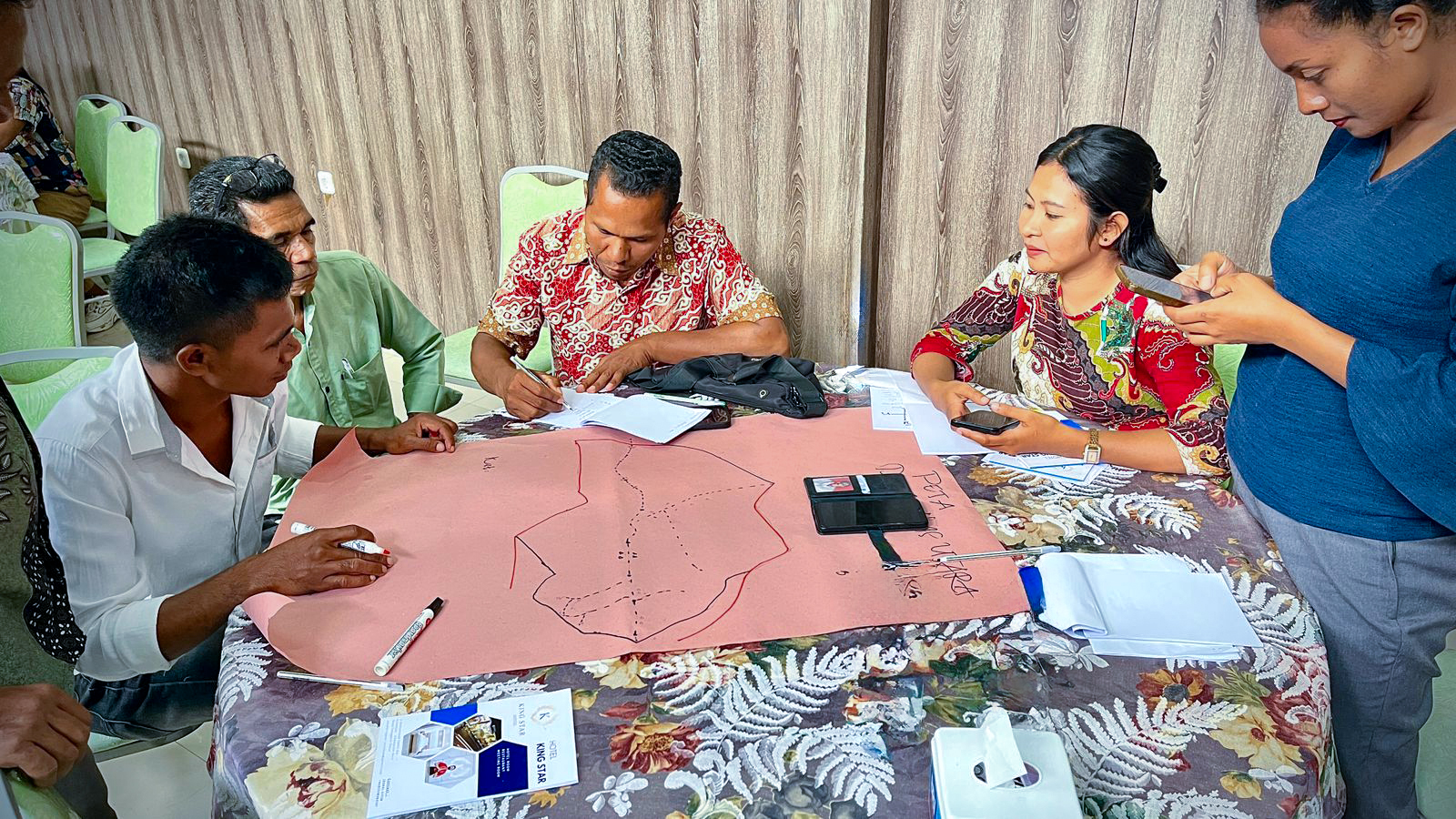
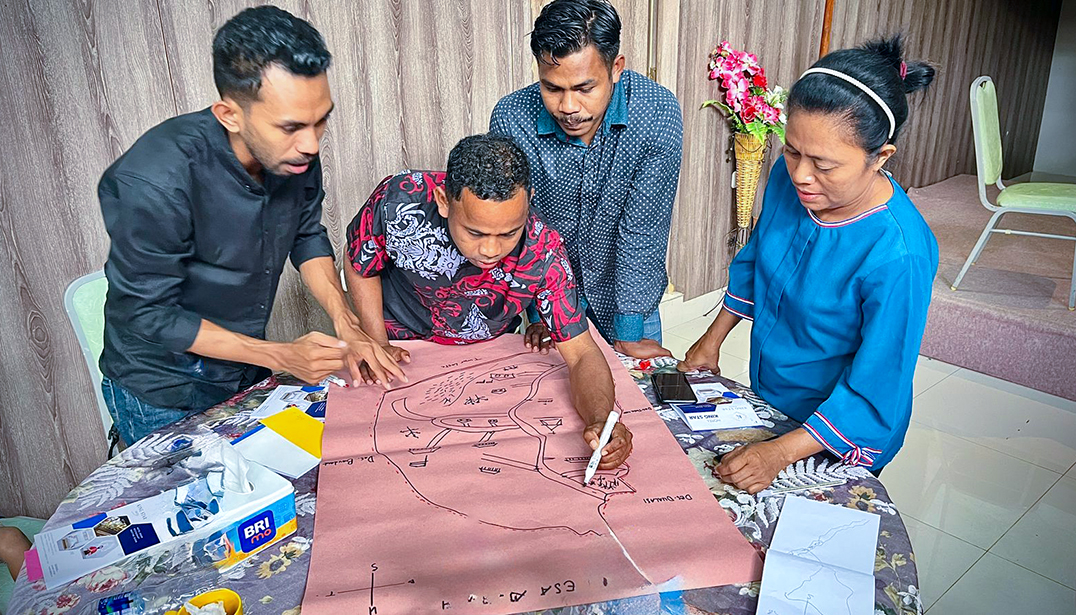
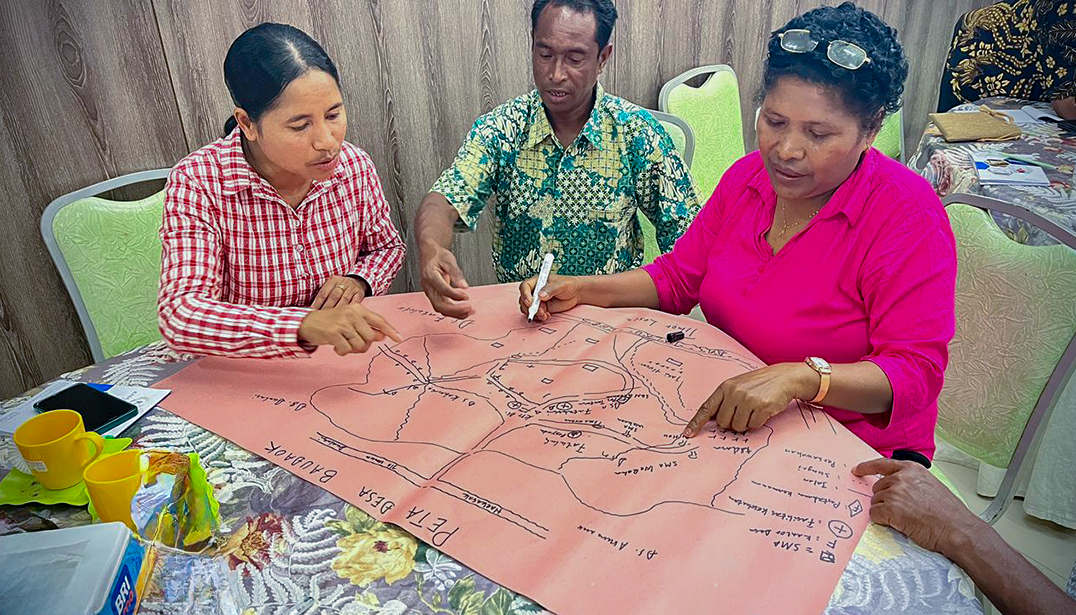
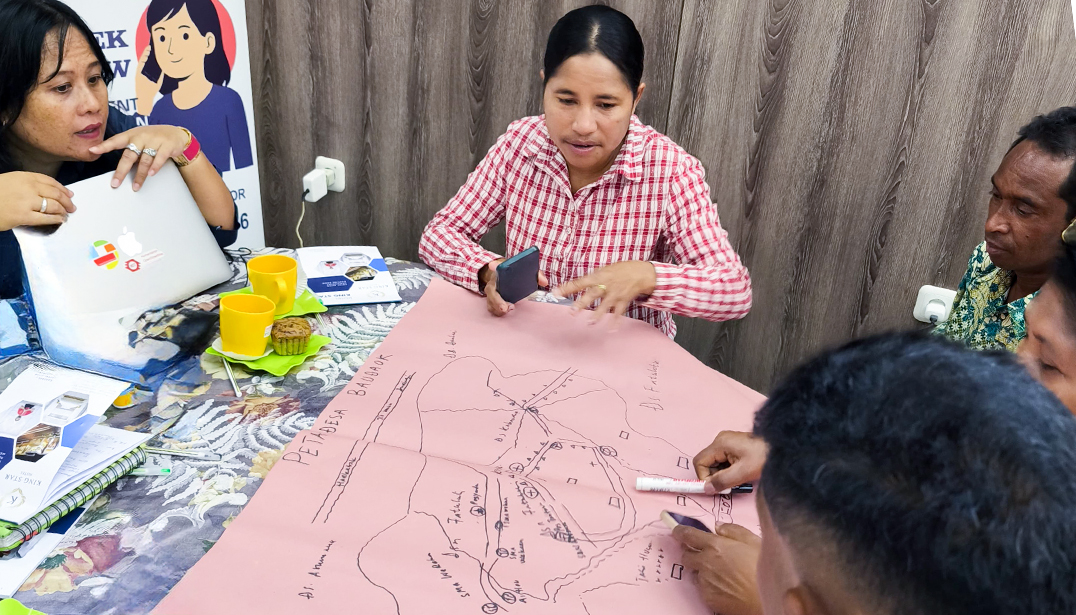
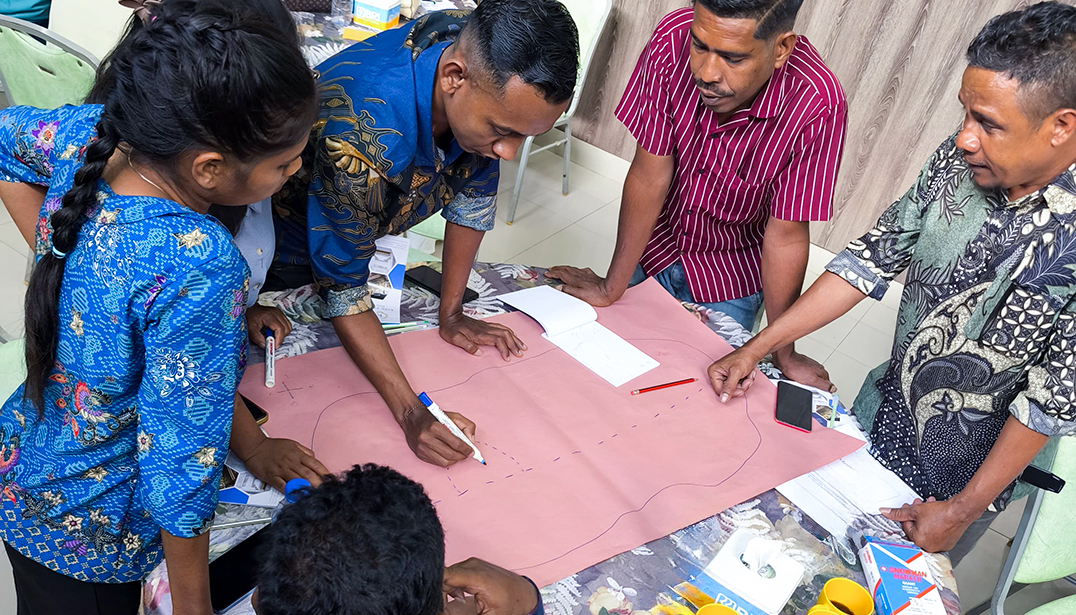
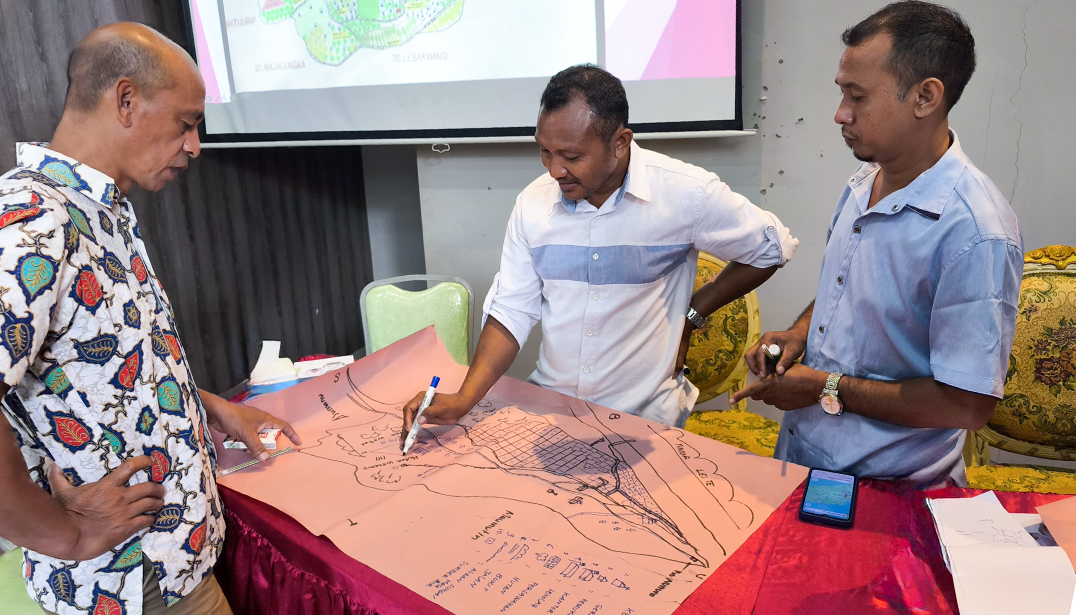
Participatory Rural Appraisal is not just a method of data collection. Participatory Rural Appraisal is an approach that places the community as the main actor in understanding the living conditions of the community itself. As introduced in this workshop, PRA encourages communities to explore, analyse and plan actions based on local experiences and knowledge. With this approach, society is no longer positioned as an object of development, but as a subject that actively determines the direction of change. The participants not only learned the concept, but also understood how the PRA process runs in its entirety, starting from data collection, analysis, problem identification, to the preparation of work plans, implementation, and monitoring and evaluation. All are carried out in a participatory manner, involving various groups in the community, and ensuring that the information obtained can be trusted through the triangulation process. One of the strengths of PRA lies in the practical tools that can be used directly in the field. In this workshop, GTK was introduced to various techniques such as resource and infrastructure mapping, transect walks, rankings, Venn diagrams, problem trees, seasonal calendars, and interviews. Learning doesn't stop in the training room, participants also practice using these tools together, building sensitivity, questioning skills, and listening skills that are at the core of the participatory approach.
The workshop also resulted in concrete steps. GTK members prepare a schedule for the implementation of PRA in their respective villages. Eight villages that are the locations of the work, four in the Talau-Loes watershed (Tohe, Asumanu, Maumutin, Baudaok) and four in the Mota Masin watershed (North Alas, Kotabiru, Alas, South Alas), will be the main practice space as well as the main source of knowledge. From May to June 2026, GTK will go directly to the village to conduct a participatory assessment. With its capacity being strengthened, GTK is expected to be able to carry out its role more effectively, explore problems from the community, communicate them to the LBN Watershed Working Group, and provide input in the preparation of Transboundary Diagnostic Analysis (TDA). More than that, GTK becomes a shared learning space at the community level, where local knowledge and scientific approaches meet.
These efforts show that transboundary watershed management is not just about intergovernmental coordination, but also about ensuring that the voices of grassroots communities are truly part of the process. Because in the end, the sustainability of a watershed is largely determined by the people who live and depend on it every day. (InTI)