Continuing in Malaka, the Transboundary Watersheds Working Group Deepens the Role and Coordination and Understanding of Watershed Governance
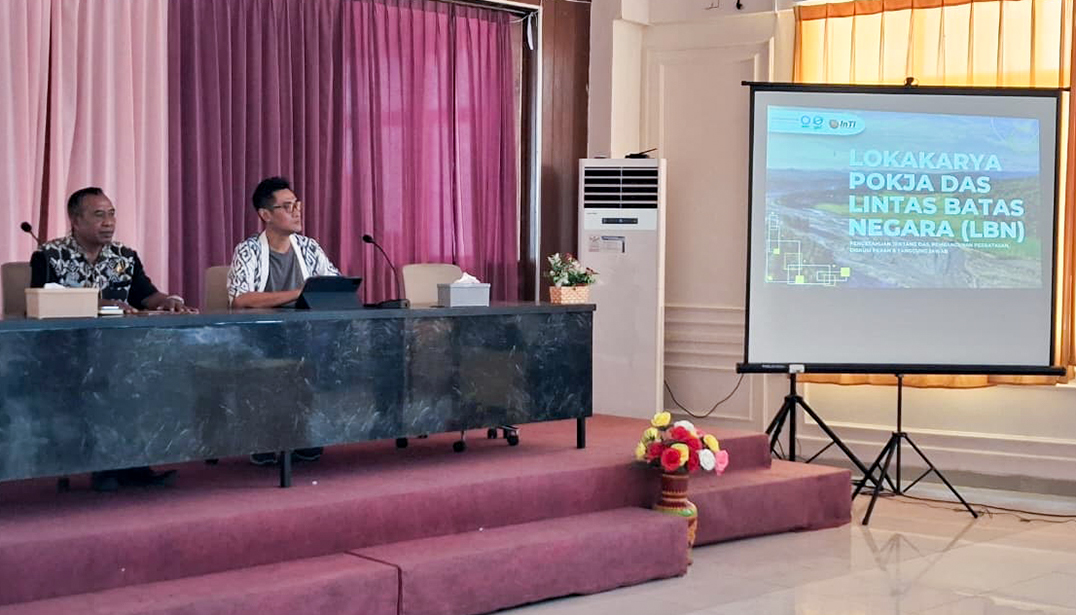
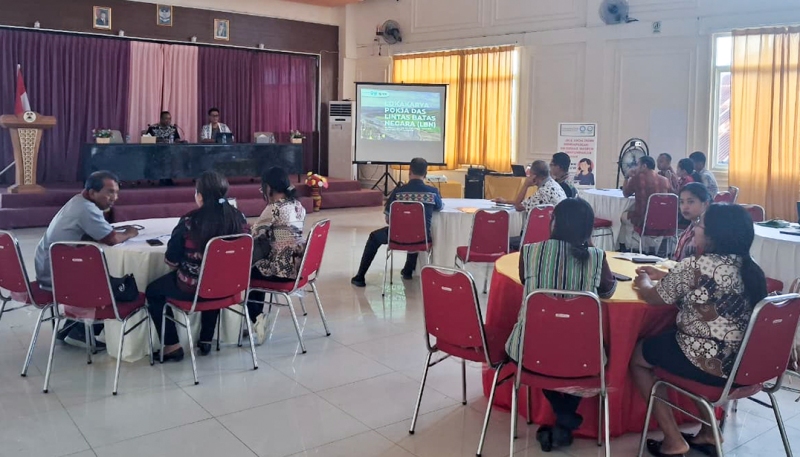
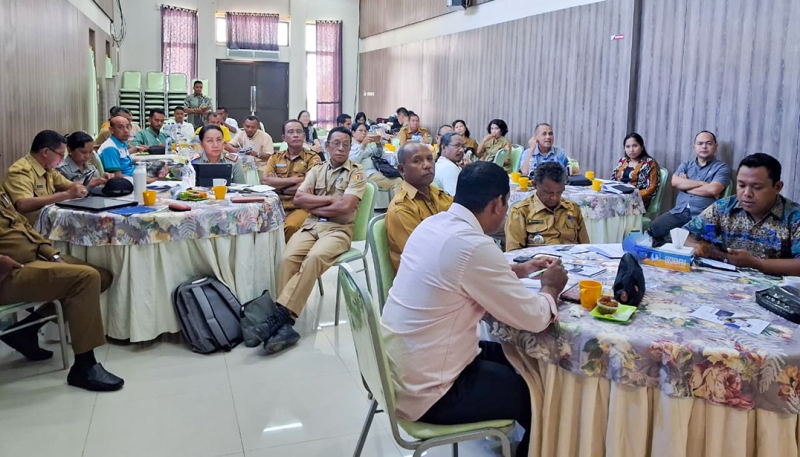
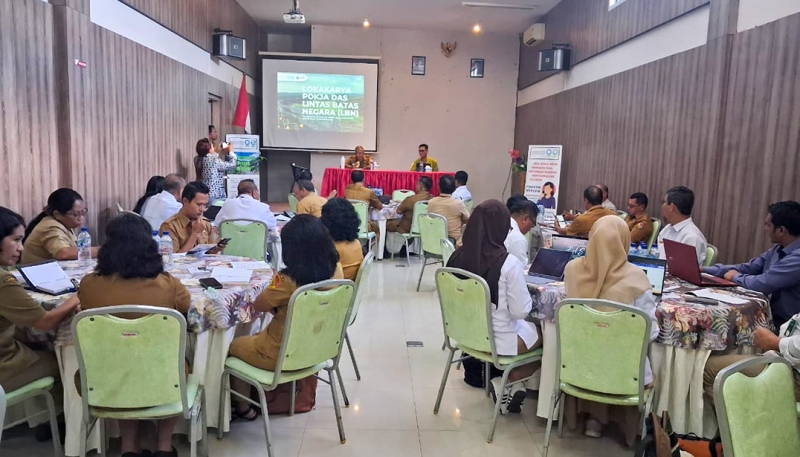
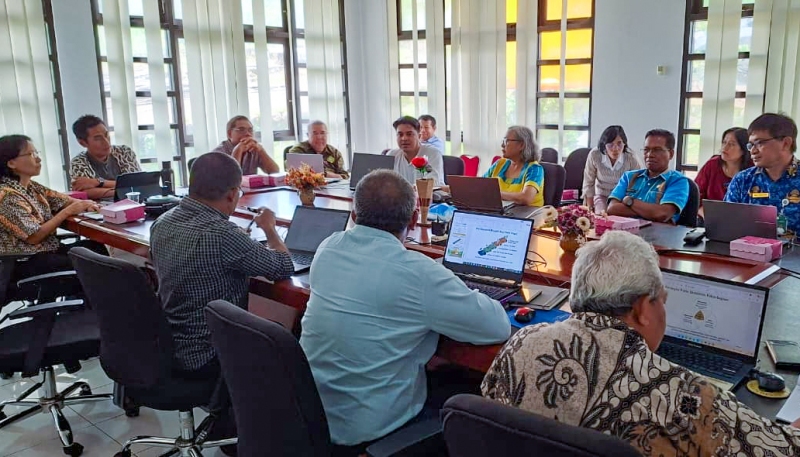
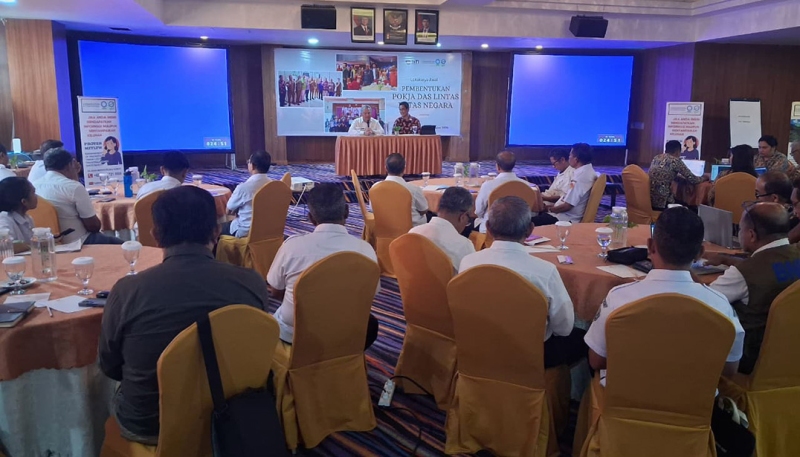
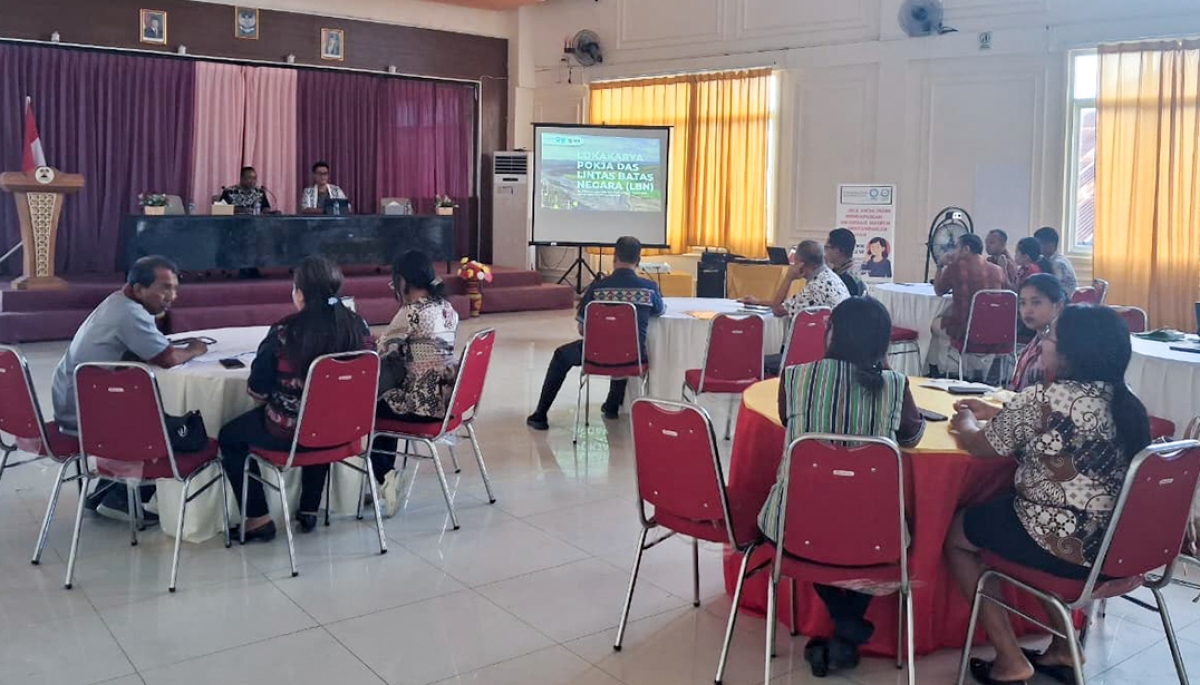
Malaka Regency, April 16, 2026 — The management of the Mota Masin transboundary watershed is a strategic issue that requires cross-sector and transboundary collaboration. Continuing the process that has started earlier, Inovasi Tangguh Indonesia (InTI) facilitated a workshop to strengthen the capacity of the Malaka Regency Transboundary Watershed Working Group (Pokja). This activity is focused on deepening understanding of watersheds, clarifying the role between institutions, and strengthening the coordination of Working Groups at various levels.
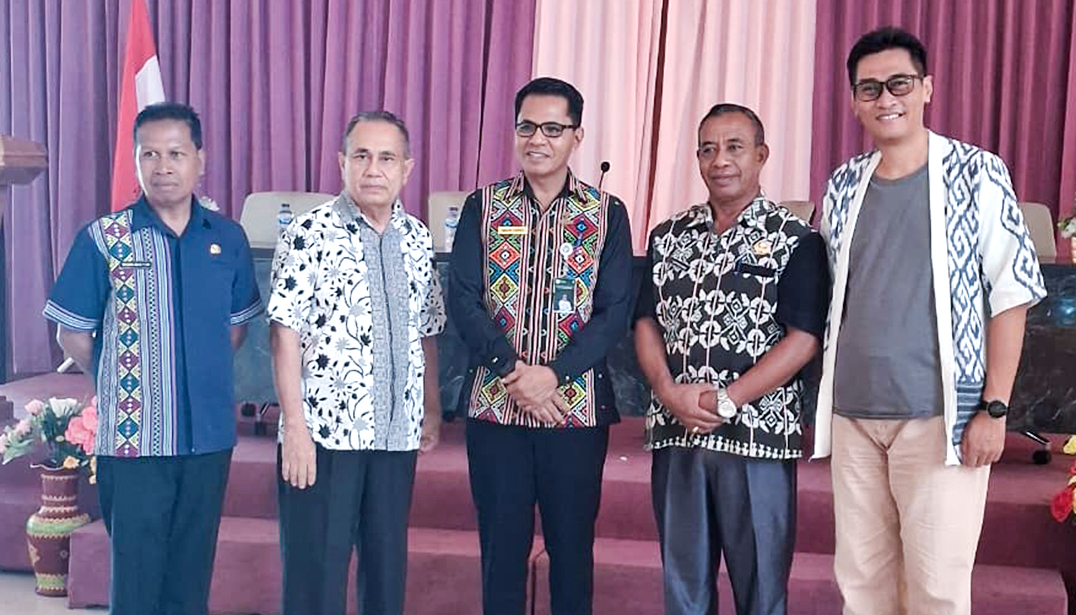
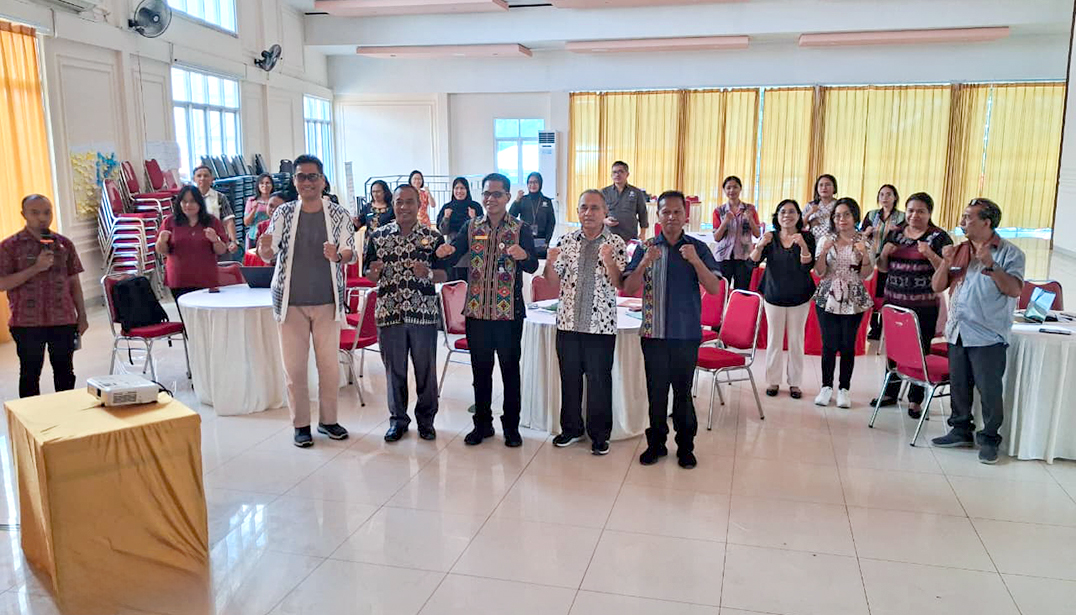
This workshop is part of a series of institutional strengthening processes of the Transboundary Watershed Working Group, after the previous meeting successfully agreed on the core structure of the Working Group and the identification of capacity building needs, especially related to understanding watersheds. The workshop in Malaka was attended by various stakeholders, including the Head of BPDAS Benain Noelmina as well as the Chairman of the NTT Provincial Transboundary Watershed Working Group, Malaka Regency Bapperida, the Head of the Malaka Regency Regional Border Management Agency (BPPD) as well as the Chairman of the Malaka Regency Transboundary Watershed Working Group, the Malaka Regency Regional Disaster Management Agency (BPBD), the Belu-Malaka Forest Management Unit (KPH) UPTD, and CIRMA who is also the deputy Chairman of the Malaka Regency Transboundary Watershed Working Group.
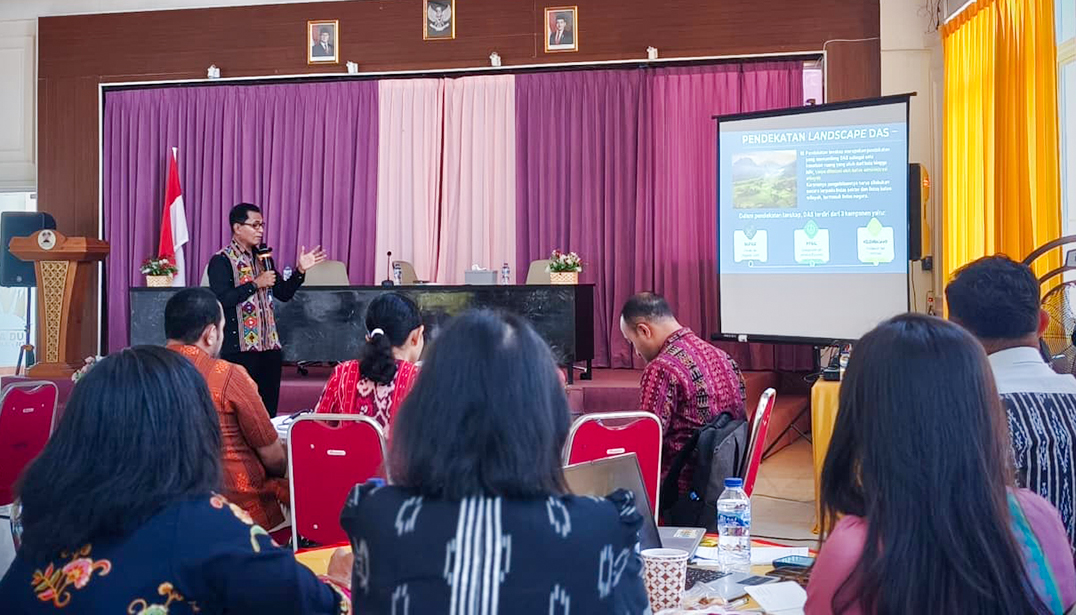
One of the important findings from the previous workshop is that not all members of the Transboundary Watershed Working Group have the same understanding of the concept of watersheds. Watersheds are still often understood as limited to rivers and their banks, even though as a whole watershed is a unit of hydrological systems that covers upstream, middle, and downstream areas. This understanding is important in the context of the development of border areas with a watershed perspective.
In his remarks, Technical Lead Indonesia from InTI, Johan Rachmat Santosa, said that this workshop was focused on clarifying the roles and responsibilities of each member of the Working Group, as well as strengthening a common understanding of watersheds.
"Previous workshops have established the core structure of the Working Group and identified the need for capacity building regarding watersheds. In this workshop, we will focus on the role of each member organization of the Working Group," he said.
He also added that material related to watersheds will be delivered by the Head of BPDAS Benain Noelmina, Kludolfus Tuames, SP..
Furthermore, Johan hopes that all parties involved in this program can provide real benefits to the people living in the Mota Masin watershed.
"It is hoped that the Malaka Regency Transboundary Watershed Working Group and anyone involved in this program can be a channel of blessing for border communities living in the Mota Masin watershed, as well as leave a good legacy for our children and grandchildren in the future in the form of sustainable nature," he added.
Meanwhile, the Secretary of Bapperida Malaka Regency, Sipridion M. Seran, who represented the Head of Bapperida, emphasized the importance of transboundary collaboration in the management of the Mota Masin watershed.
"The development of the Mota Masin transboundary watershed is crucial for Indonesia and Timor-Leste. For this reason, all stakeholders, especially those in Malaka Regency, must collaborate and synergize strongly, as well as ensure the involvement of all levels of society in the management of the Transboundary Mota Masin watershed," he said.
He also reminded that the establishment of the Transboundary Watershed Working Group and the Mota Masin Watershed Community Task Force which have been agreed since February 2026 are an important basis for developing future action plans.
"We hope that the Transboundary Watershed Working Group (formerly JFWG) and the Community Task Force can work together in developing a Strategic Program Plan to achieve significant changes, especially in the water, food, and economic security of communities in both countries. This TIWA project will definitely face technical and coordination challenges, but with commitment and cooperation, the project will definitely be able to answer all the challenges faced," Sipridon emphasized.
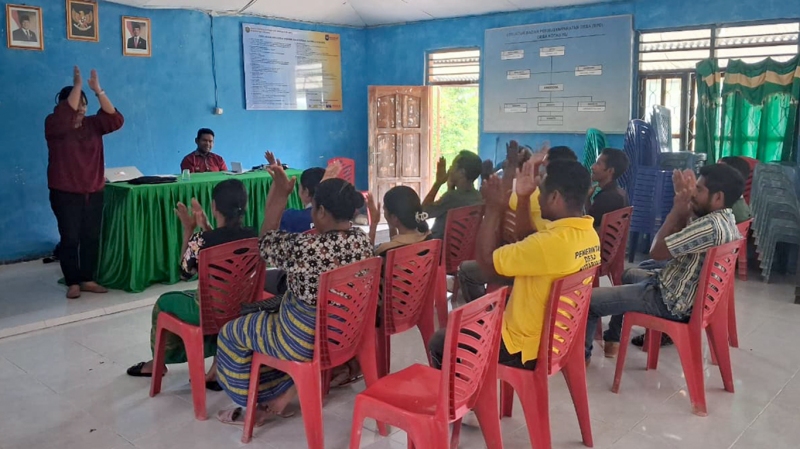
In this workshop, participants discussed a number of main agendas, including increasing understanding of watersheds and community resilience-based development, initial discussions on the roles and responsibilities of Working Groups at various levels, and communication flows between the national, provincial, and district levels. In addition, this workshop is also a space to gather proposed agendas that will be brought to the meeting to establish the Transboundary Watershed Working Group at the national and regional levels (with Timor-Leste).
The discussions that took place showed that strengthening the Transboundary Watershed Working Group not only requires clarity of structure, but also clarity of roles, working mechanisms, and coordination between institutions in the context of collaborative, inclusive, and adaptive watershed governance. In the future, the results of this workshop will be part of a broader process, including its contribution to the preparation of the Transboundary Diagnostic Analysis (TDA) that is being carried out by Faperta UNDANA which will be the basis for the preparation of the Strategic Program Plan (SAP).
Through this series of processes, it is hoped that the management of the Mota Masin watershed can be carried out in a more integrated manner, and provide real benefits to the communities in the border areas of Indonesia and Timor-Leste. (InTI)