From Working Group to Community: InTI Strengthens Watersheds Management
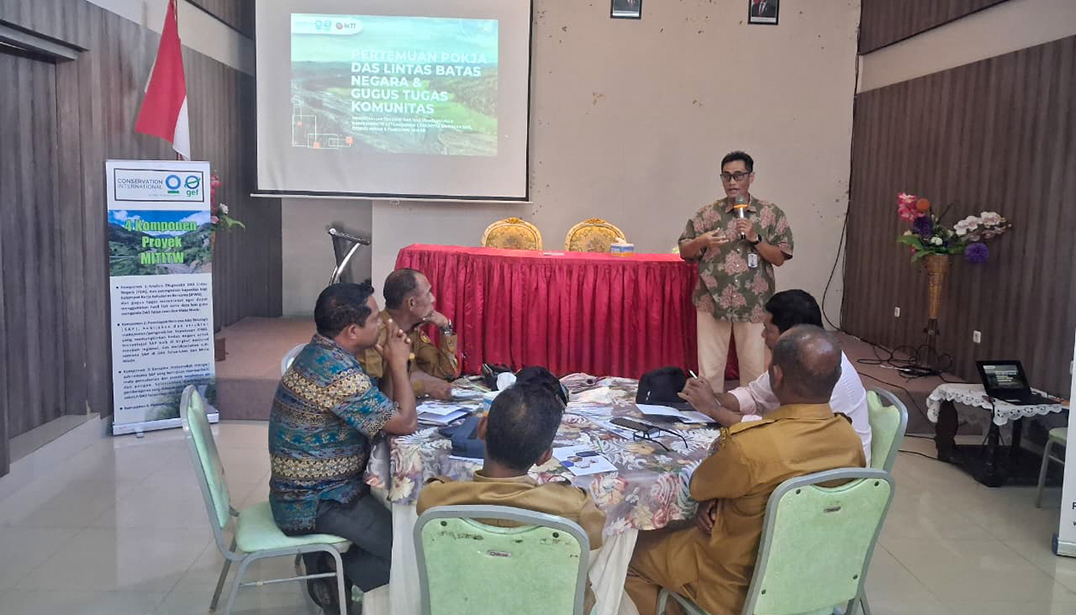
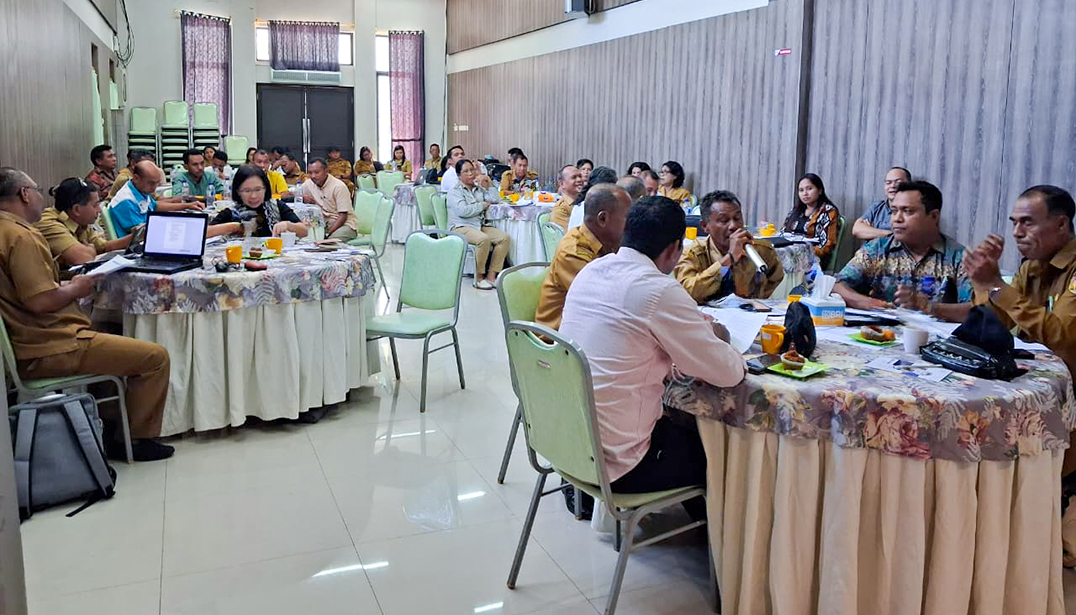
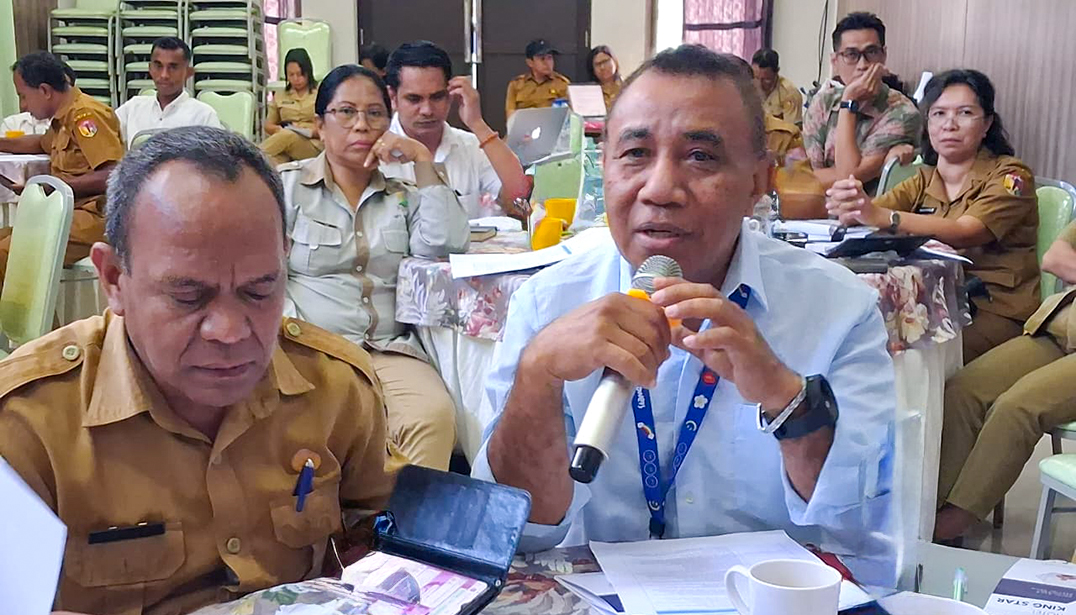
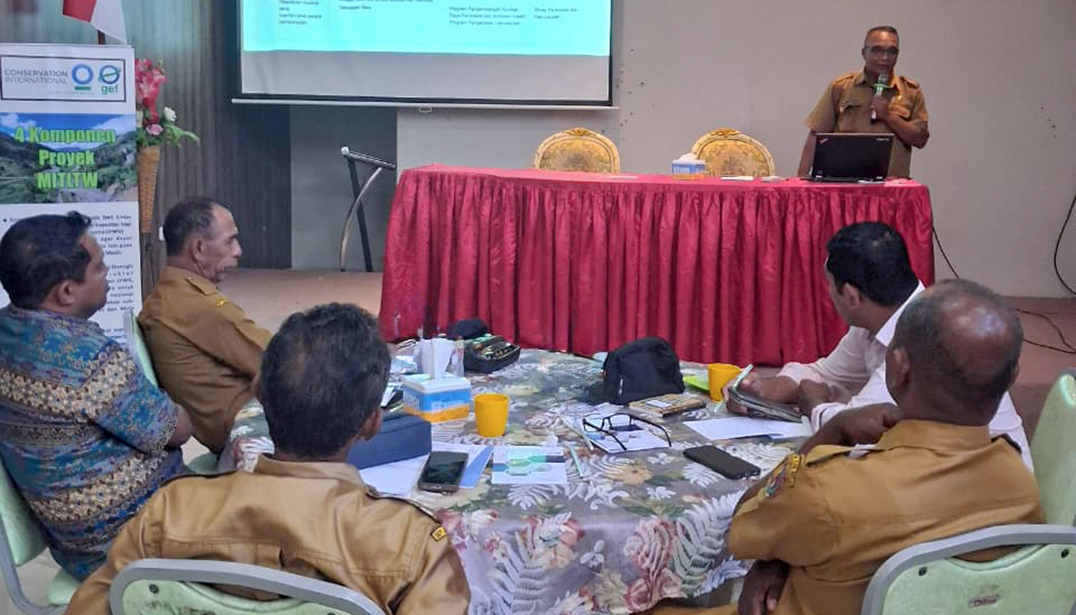
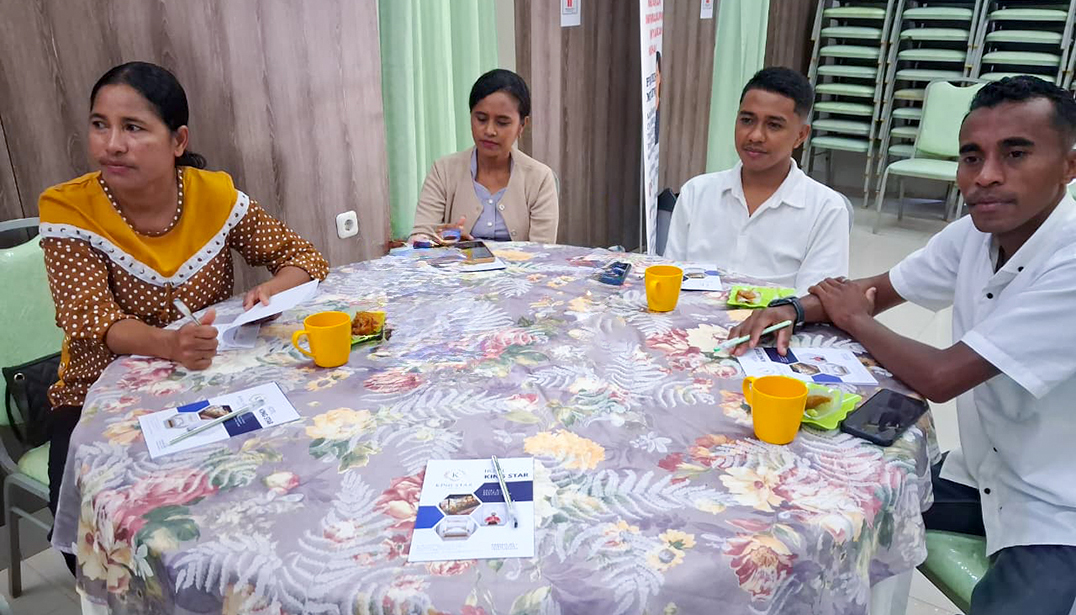
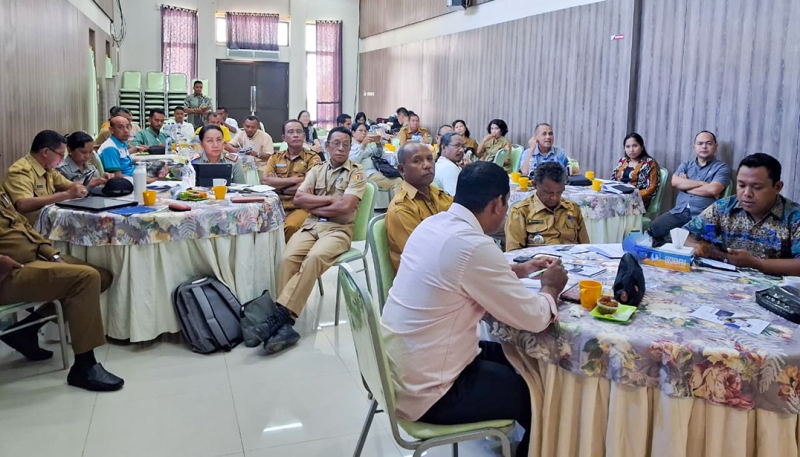
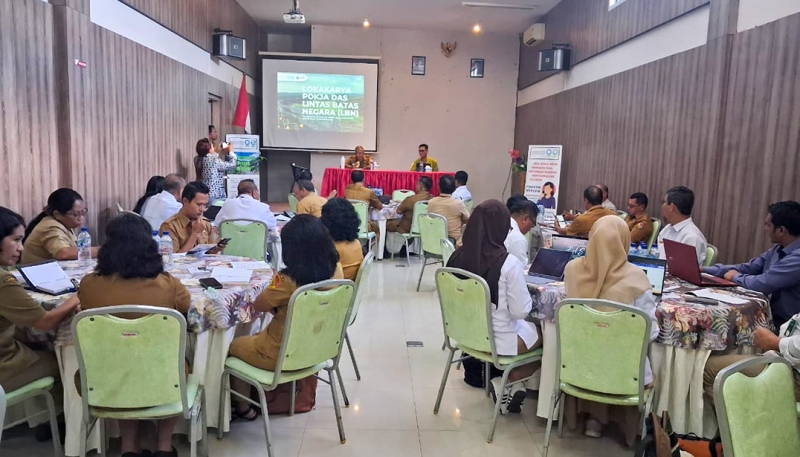
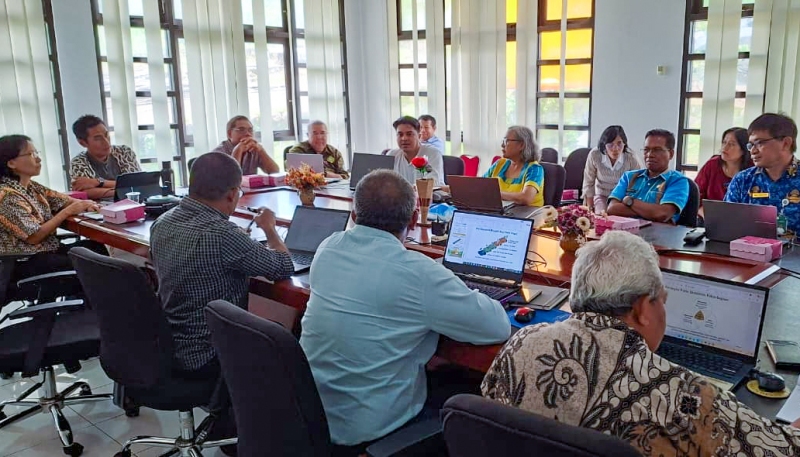
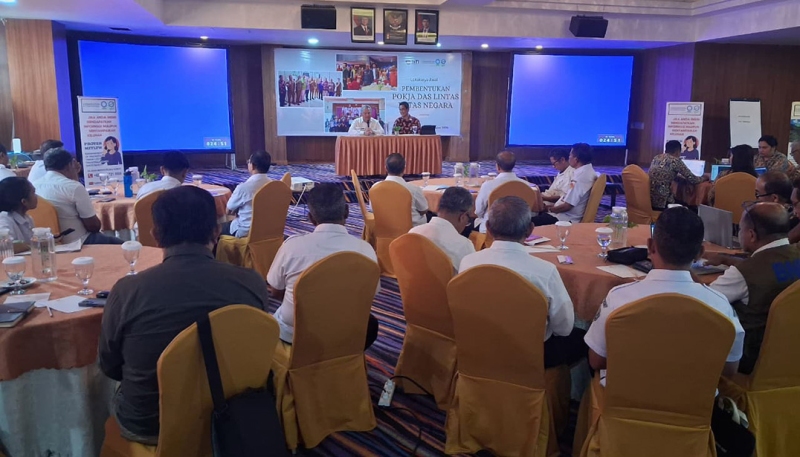
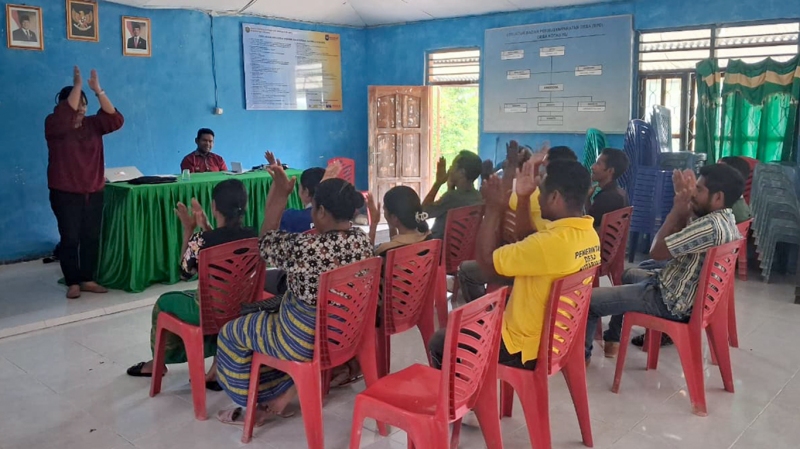
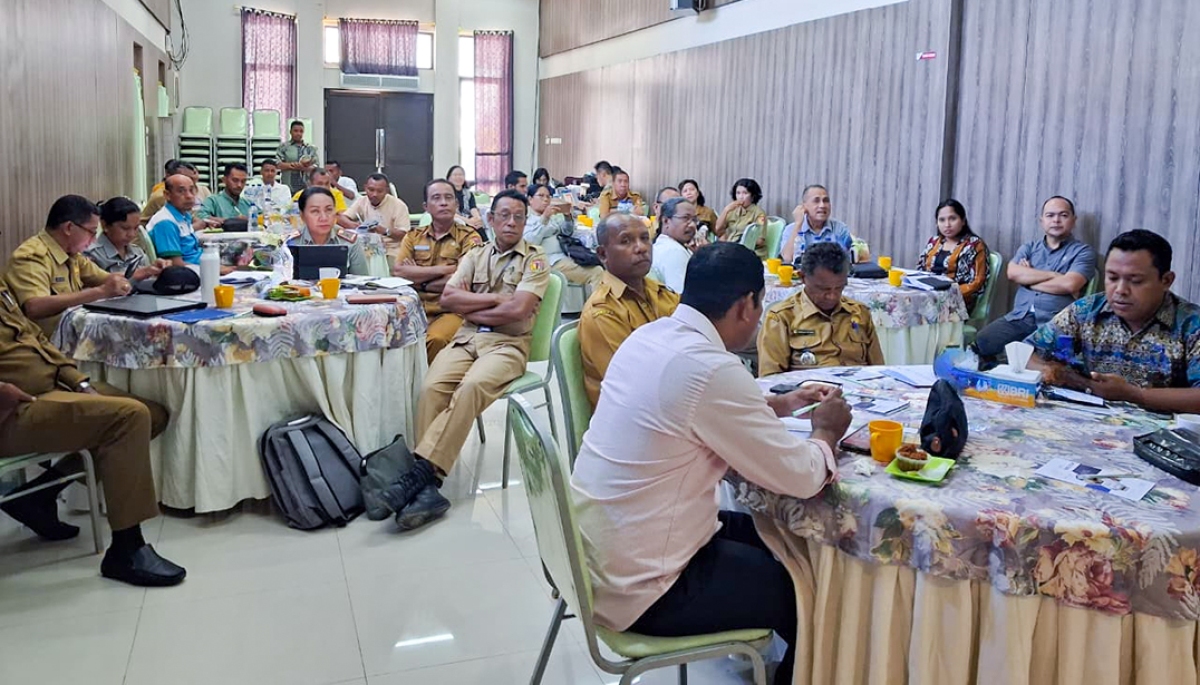
Atambua, NTT — After the implementation of a workshop to strengthen the Cross-Border Watershed Working Group (LBN) the day before, Inovasi Tangguh Indonesia (InTI) facilitated a follow-up workshop in Belu Regency on Tuesday, April 14, 2026. Different from the previous activities, this workshop specifically brought together the Transboundary Watershed Working Group with the Talau-Loes Watershed Community Task Force (GTK) on the Indonesian side.
This meeting is a follow-up step to strengthen synergy between stakeholders at the policy and community levels. If previously the discussion focused a lot on strengthening the understanding and coordination of the Working Group, then in today's workshop the involvement of GTK as the main actor is the key to ensuring that watershed management does not only stop at the planning level, but is also understood and carried out jointly by the community at the site level.
In his opening remarks, Johan Rachmat Santosa , Technical Lead from InTI, explained that through the MITLTW/TIWA program, InTI supports the Directorate of PEPDAS of the Ministry of Forestry in building the foundation for transboundary watershed management between Indonesia and Timor-Leste. He emphasized that the Transboundary Watershed Working Group has an important role in preparing watershed management action plans, including in formulating policies.
"The role of people living in border villages is very crucial. Therefore, the formation of GTK is directed to bridge information from the site level to the Working Group, especially related to the real condition of problems in the Talau-Loes watershed that need attention. The collaboration between GTK and the Working Group is expected to encourage the achievement of water security, food security, and increase the livelihood of the community in border watersheds," Johan emphasized.
He also emphasized that when these goals are achieved, community capacity will increase and vulnerability to various challenges will be reduced. In the long run, good watershed management is an important investment for future generations, while protecting them from the risk of disasters triggered by climate change and human activities in the watershed.
GTK itself was formed in March 2026 and already has a core formator structure. However, in order to carry out their roles optimally, it is still necessary to strengthen the institutional legal foundation, improve the structure, and have a clearer understanding of their roles and responsibilities. This is important, especially in the context of the planned implementation of the pilot project of priority interventions taken from the Strategic Action Program (SAP) in the third year of the program. Through this workshop, GTK members were invited to begin to interpret their position in the overall framework of cross-border watershed management. The discussion not only touched on the technical aspects, but also explored how they could practically contribute in their respective communities. At the same time, the Transboundary Watershed Working Group and GTK jointly discussed a more effective communication mechanism, both between the two and with the village government.
GTK's involvement in these forums is important to ensure that the approach built in the project remains participatory. By understanding their roles and responsibilities, communities are expected to not only be beneficiaries, but also key actors in maintaining watershed sustainability. In addition, the workshop also reaffirmed the basic understanding of watersheds as a unit of hydrological systems from upstream, central to downstream. This knowledge is expected to expand awareness, including for villages that do not directly utilize water from river flows, but remain in watershed areas and have a role in maintaining the sustainability of water resources.
The results of the discussions in this workshop will later form the basis for the preparation of Standard Operating Procedures (SOPs) for GTK, as well as strengthen the foundation of collaboration between communities and policy makers in the management of transnational watersheds that are more adaptive, inclusive, and sustainable. (InTI)