InTI Facilitates Workshop on Strengthening the Cross-Country Watershed Working Group in Atambua
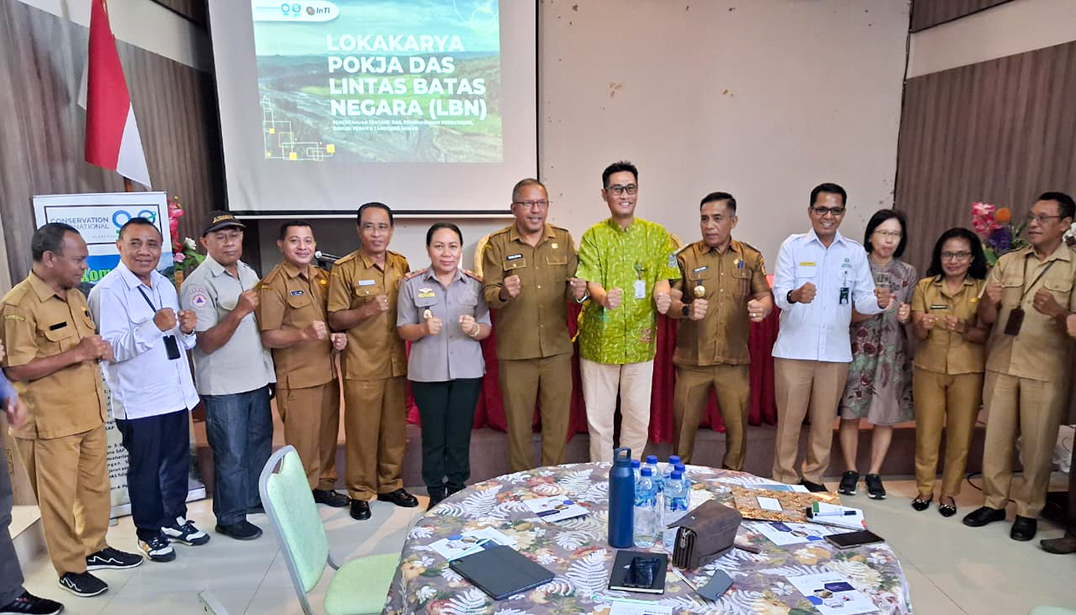
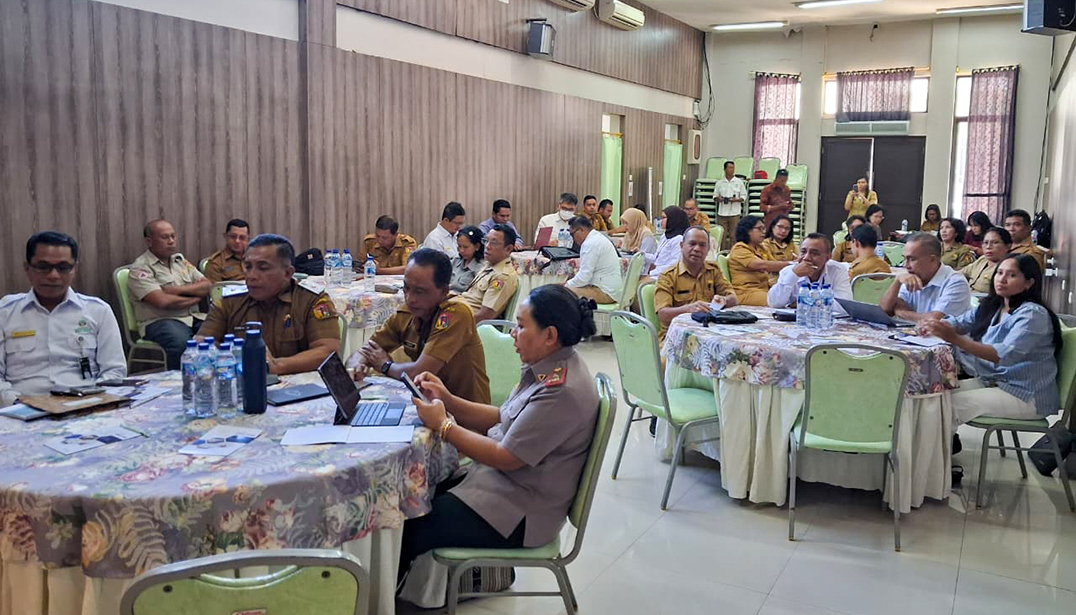
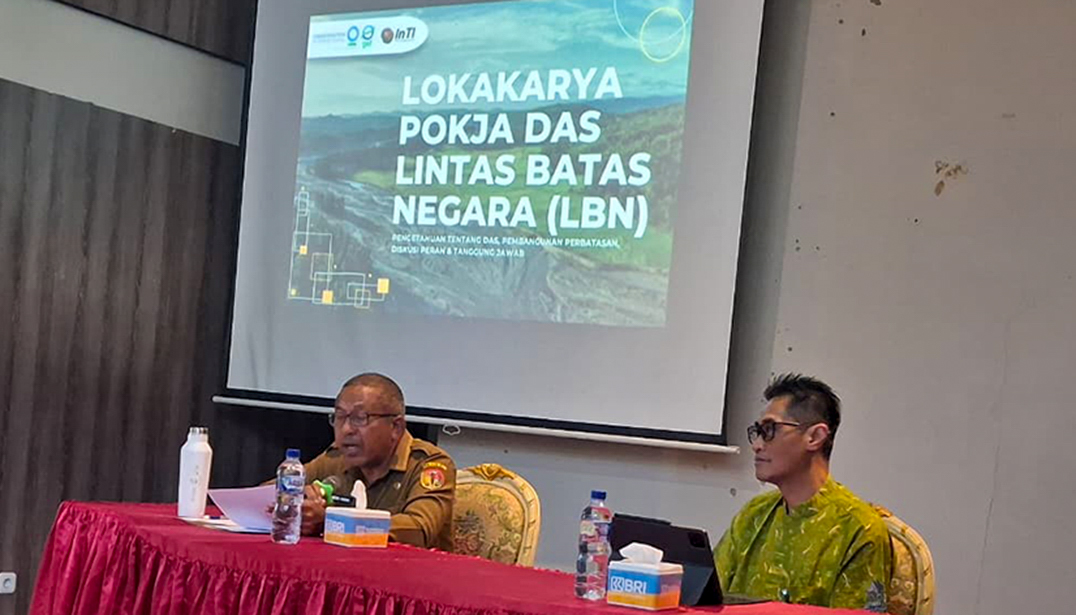
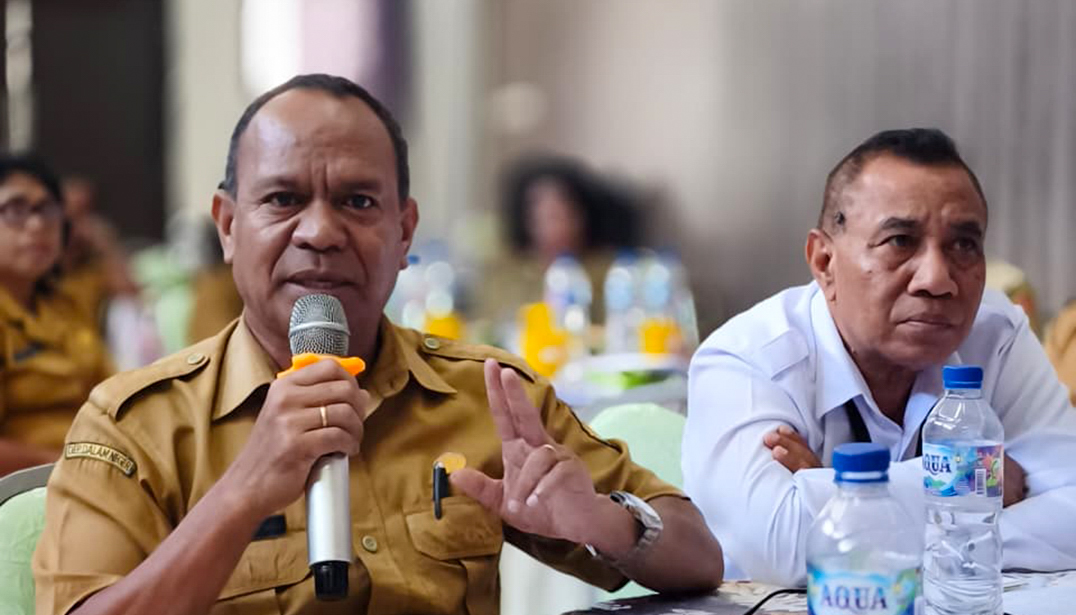
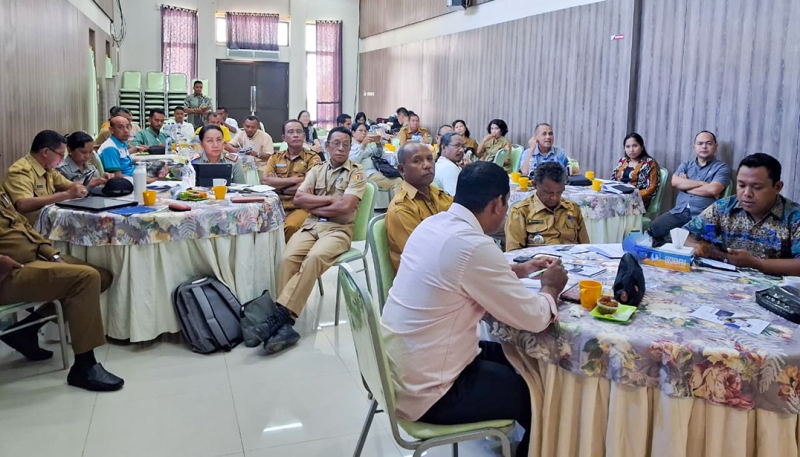
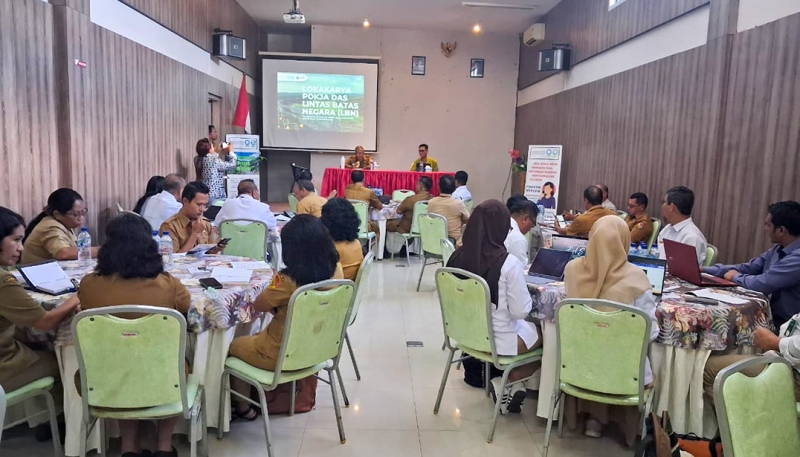
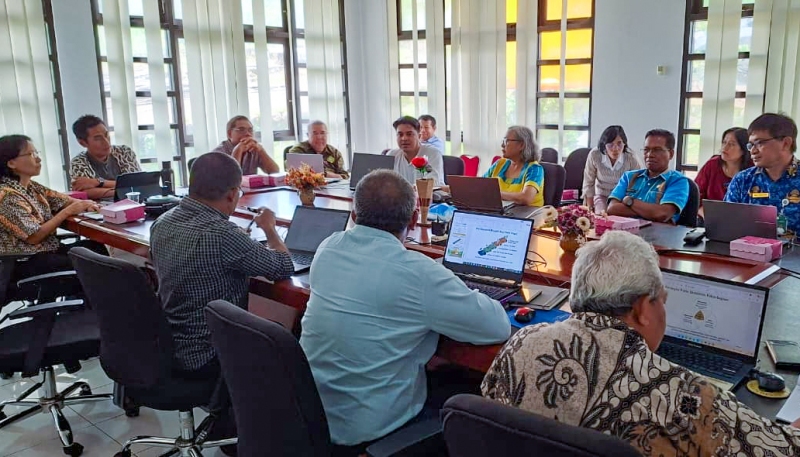
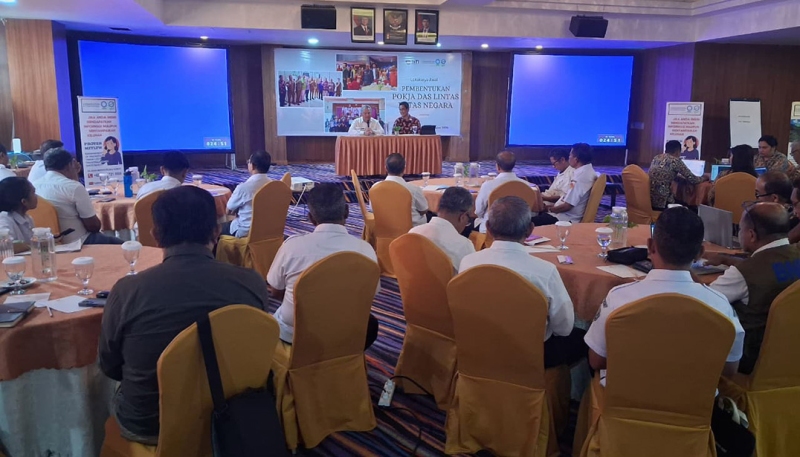
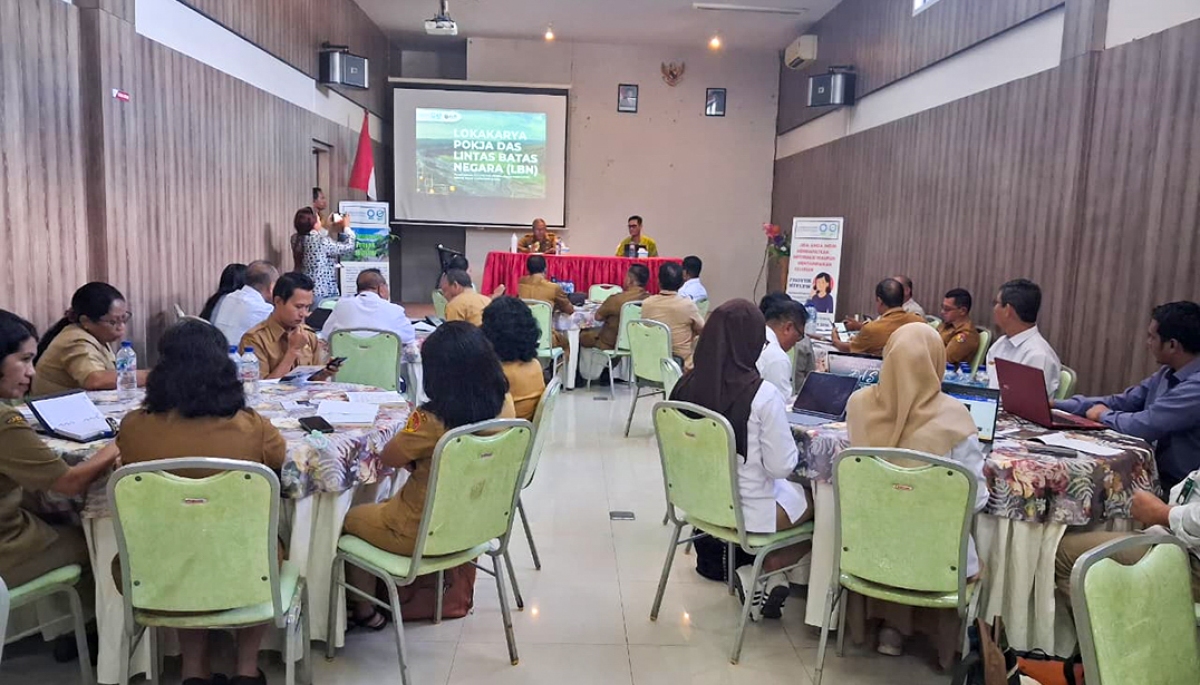
Atambua, NTT — Inovasi Tangguh Indonesia (InTI) as the Co-Executing Agency of the MITLTW/TIWA Project held a workshop to strengthen the Transboundary Watershed Working Group (Pokja DAS LBN) at the King Star Hotel on April 13, 2026.
This activity is part of the implementation of the Management of Indonesia-Timor Leste Transboundary Watersheds Project (MITLTW), which is a five-year project (2025 - 2029) implemented in the border area of the Republic of Indonesia and the Democratic Republic of Timor-Leste (RDTL). The project aims to ensure collaborative and sustainable management of watershed ecosystems and protect water, food and livelihood security in the Talau-Loes and Mota Masin watersheds that cross the border between Indonesia and Timor-Leste.
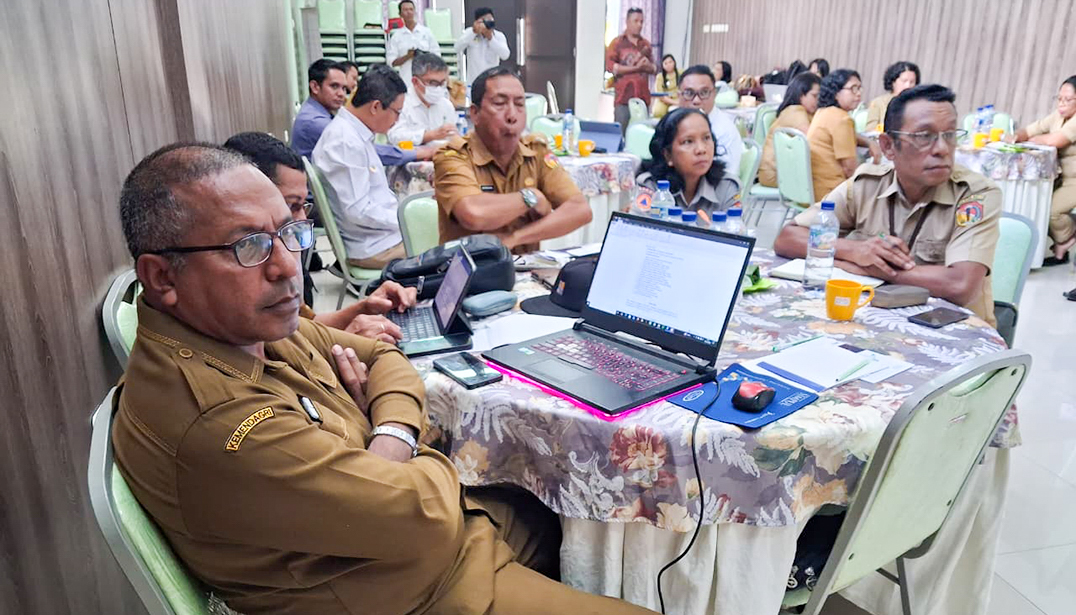
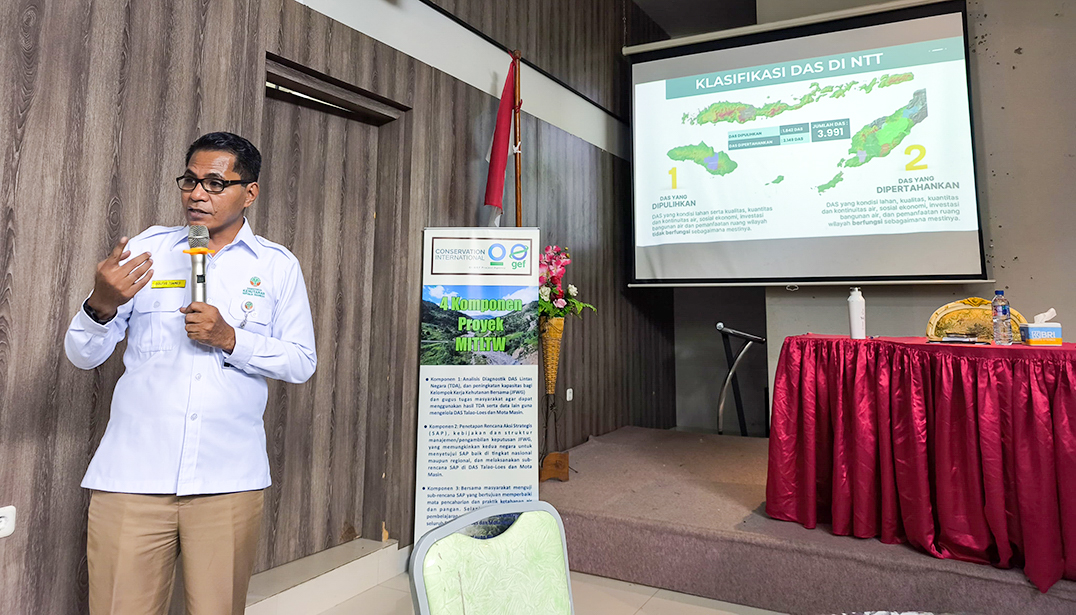
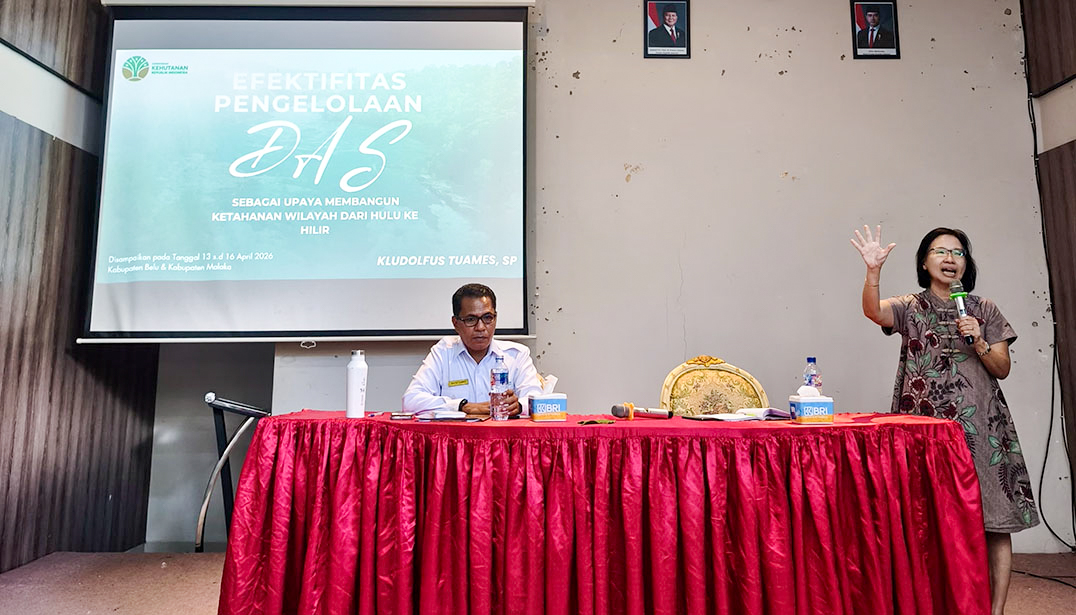
The workshop participants included representatives from stakeholders in the Belu Regency Transboundary Watershed Working Group (LBN), namely the Belu and Malaka Regency Forest Management Units (UPTD KPH), the Regional Agricultural Development Agency (BP4D), the Regional Development Planning Agency (BPPD), the Regional Disaster Management Agency (BPBD), the Indonesian Defense University, the Cirma NGO, the Bintang Foundation, and the Talau River Community Care Forum. In addition, representatives from the Agriculture Department, the Livestock and Fisheries Department, and the Public Works and Housing Department were also present. The Provincial Working Group Chair, who is also the Head of the Benain Noelmina BPDAS, Kludolfus Tuames, attended and led a session on Watershed Knowledge.
The event was opened by the Second Assistant to the Regent of Belu, Rine Baria, who read a prepared speech on behalf of the Deputy Regent of Belu. The speech summarized the challenges currently facing the Talau-Loes Watershed, namely land degradation, deforestation, and unsustainable resource use—all of which contribute to flooding and declining environmental quality. Therefore, integrated and sustainable management is required in collaboration with various domestic stakeholders as well as stakeholders from Timor-Leste. The management of the LBN Watershed must prioritize fair and sustainable practices without causing conflicts. To this end, stakeholders need to engage in regular coordination, share data and information, develop work plans, and monitor the implementation of activities. The InTI Technical Lead, Johan Rachmat Santosa, had the opportunity to provide an overview of the current program activities, specifically the Transboundary Diagnostic Analysis (TDA), which has just begun. This TDA will involve various stakeholders to gain a broader perspective. He also noted that the assessment process will engage communities in border villages and, of course, take into account local wisdom and customary rules.
As part of the project's achievements, the Transboundary Watershed Working Group or previously referred to as the Joint Forestry Working Group (JFWG) has been established for the two countries. On the Indonesian side, the membership of the working group involves stakeholders from the national, provincial, and district levels. Previous formation workshops have been held in Belu and Malacca Regencies as well as at the NTT Provincial level, while the initial workshop at the national level will be held in May 2026. After the national level in the future, the Talau-Loes and Mota Masin Transboundary Watershed Working Groups on the Indonesian side will be connected to the Transboundary Watershed Working Group on the Timor-Leste side, which is currently being facilitated by Conservation International Timor-Leste.
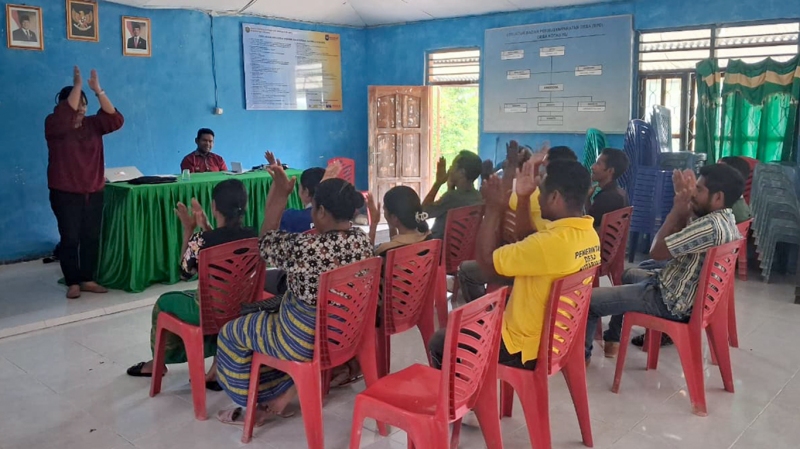
In addition, in March 2026 the project has also formed a Community Task Force in each of the target watersheds of this program, namely Talau-Loes and Mota Masin. Both the Transboundary Watershed Working Group and the Community Task Force have an important role, including being involved in the implementation of Transboundary Diagnostic Analysis (TDA) which is carried out by Nusa Cendana University from March to July 2026. It is stated that the results of the TDA and other data will be the basis for the establishment of the Strategic Action Program (SAP) for the two watersheds.
The workshop facilitated by InTI also responded to the need to improve the understanding of the watershed of working group members. The results of previous workshops show that not all stakeholders who are members of the working group understand what watersheds are and how they relate to border development from a watershed perspective. Therefore, this activity encourages the understanding that watersheds are a unit of upstream, middle and downstream hydrological systems, not just rivers and riverbanks.
In addition to strengthening the concept, the workshop is also a space for further discussion on the governance of the working group. It was stated that the working group needs to have further discussions about the roles and responsibilities of the working group and how the communication patterns of the national, provincial, and district working groups should be. The basic functions that have been formulated previously include the preparation of work plans, organization, implementation strategies, as well as monitoring and evaluation. The workshop agenda included knowledge of watersheds, their governance, and development from the perspective of the resilience of Watershed Area Communities, initial discussions of the roles and responsibilities of the working group at various levels, as well as the preparation of proposed agendas to be brought to the meeting to be established by the national JFWG.
Through this activity, InTI affirms its role as a program implementation assistance institution in supporting the Government of Indonesia, especially the Ministry of Forestry, in strengthening cross-sector and cross-regional coordination in transboundary watershed management, as part of efforts to support ecosystem sustainability and community welfare in the border area of Indonesia and Timor-Leste. (InTI)