Safeguarding Consultation in Malaka Regency: Strengthening the Grievance Mechanism
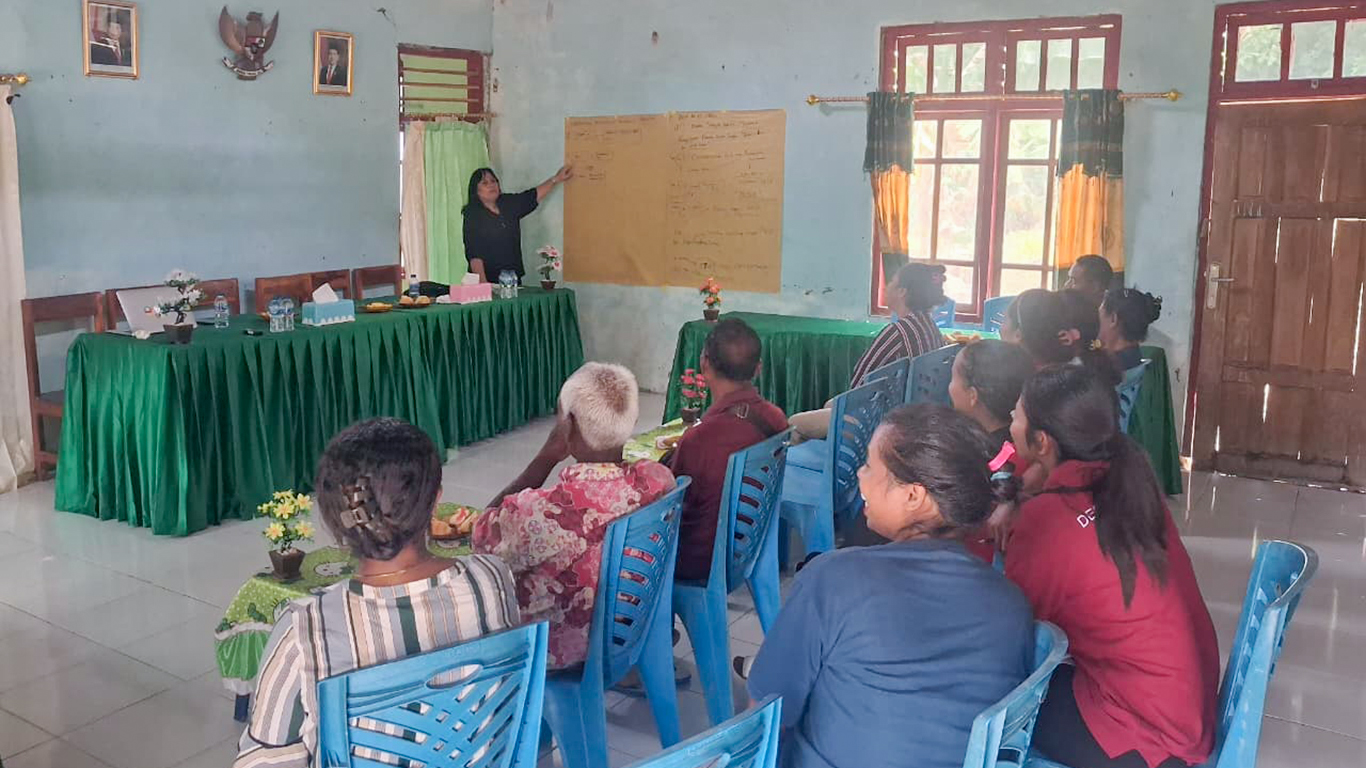
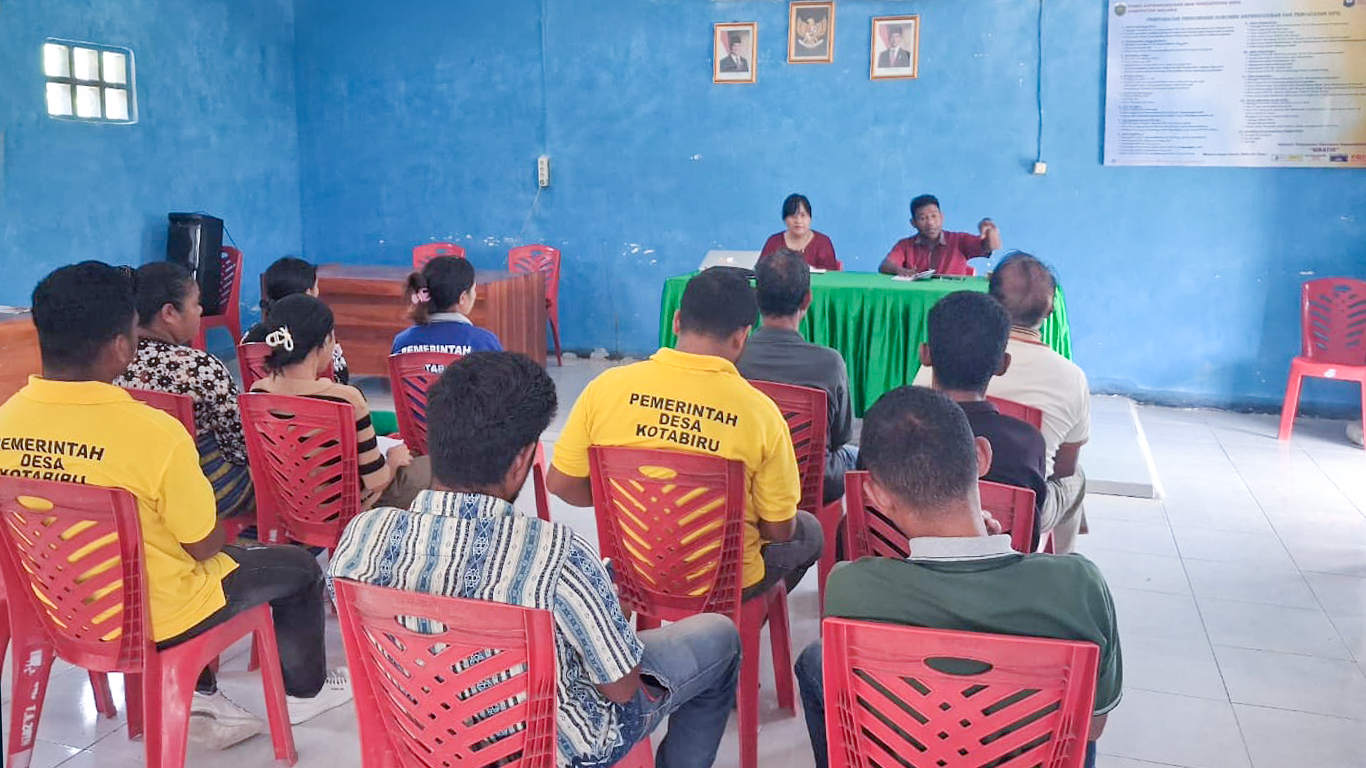
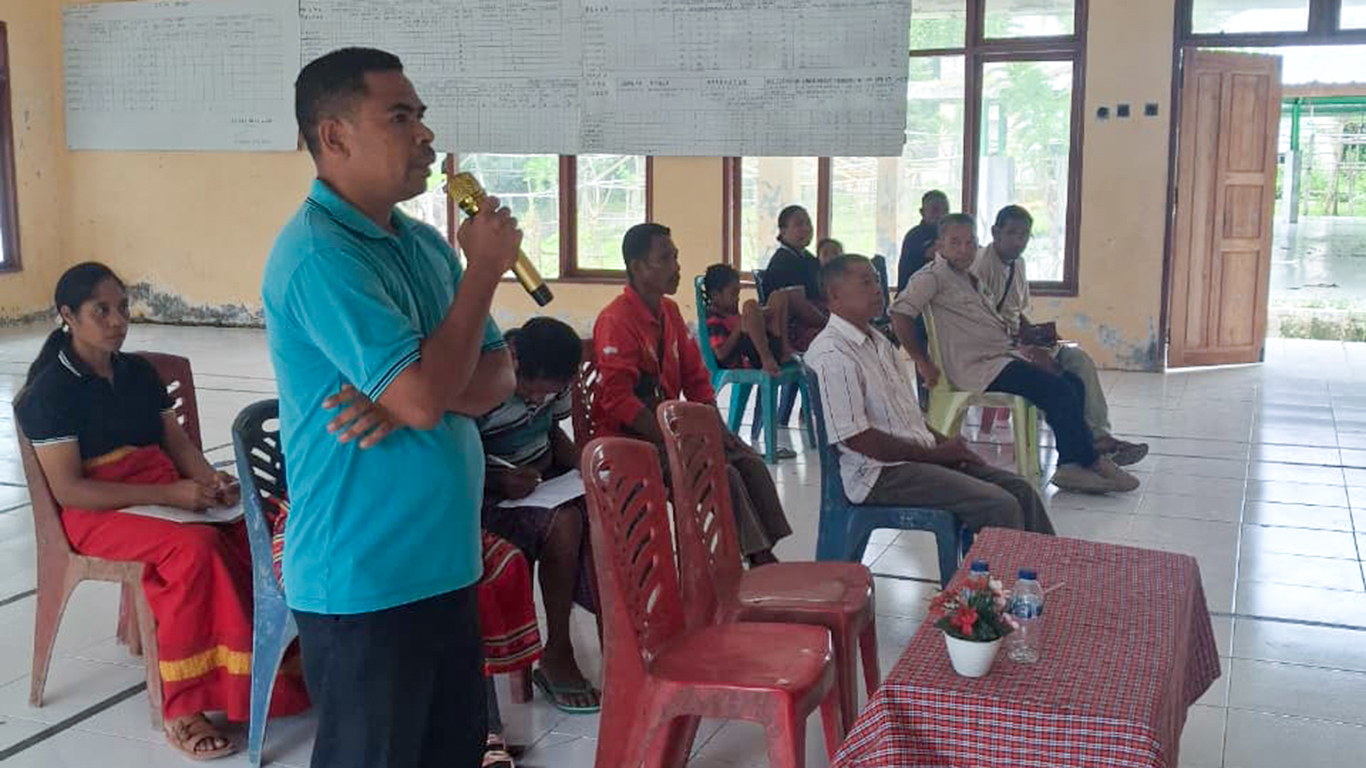
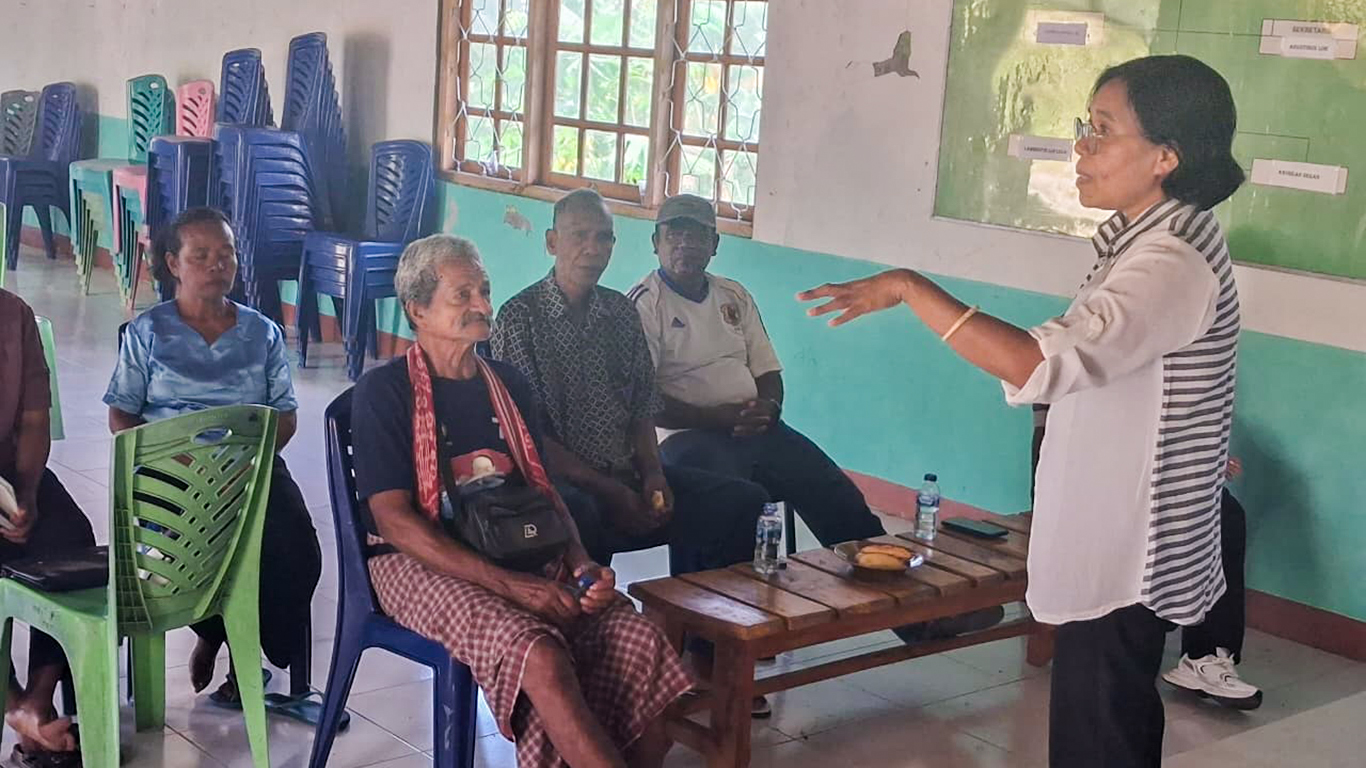
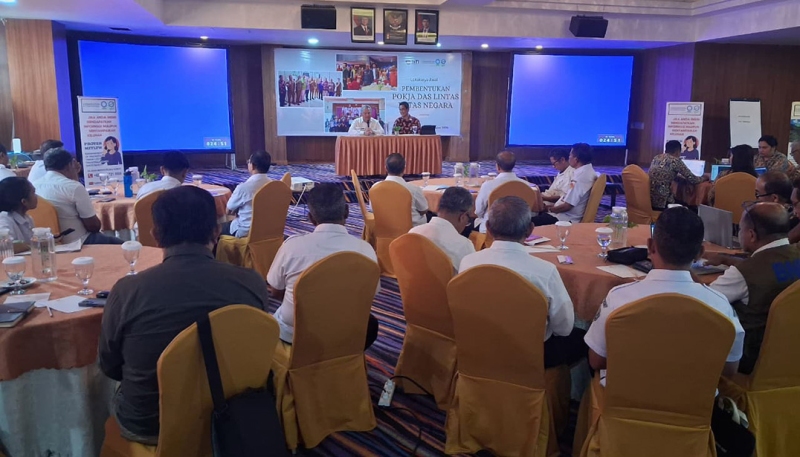
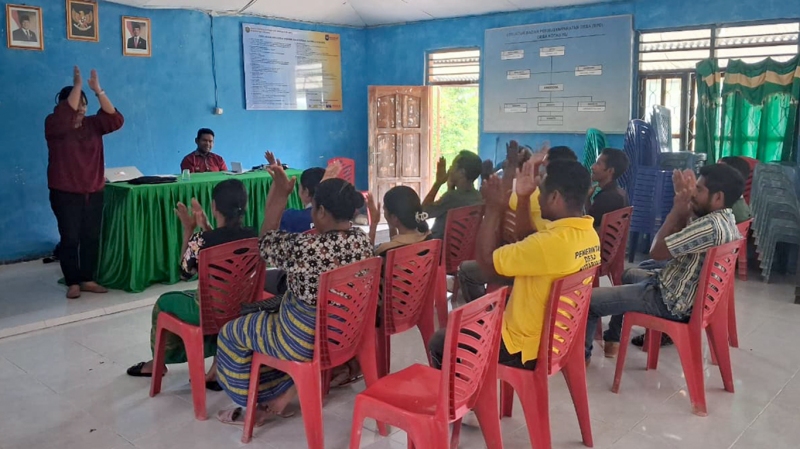
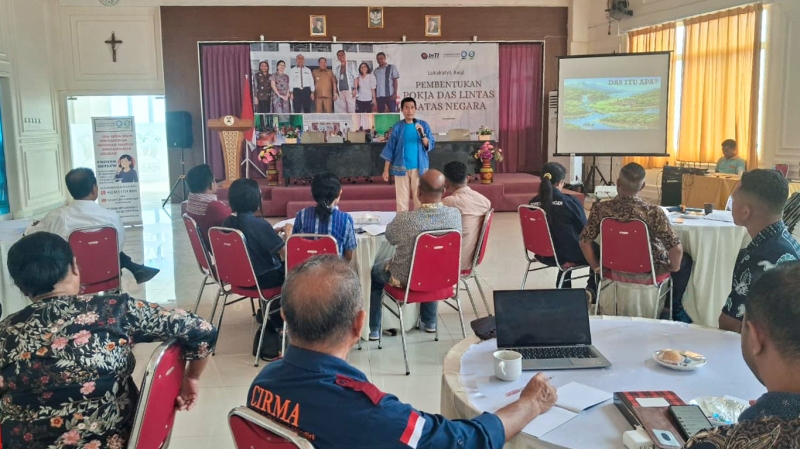
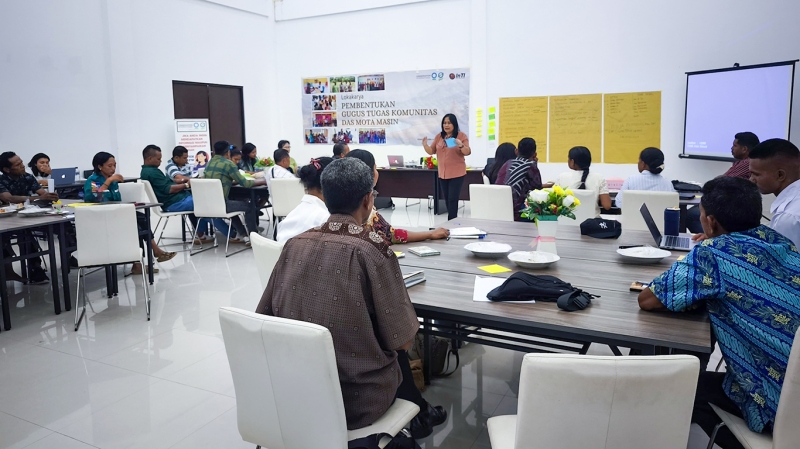
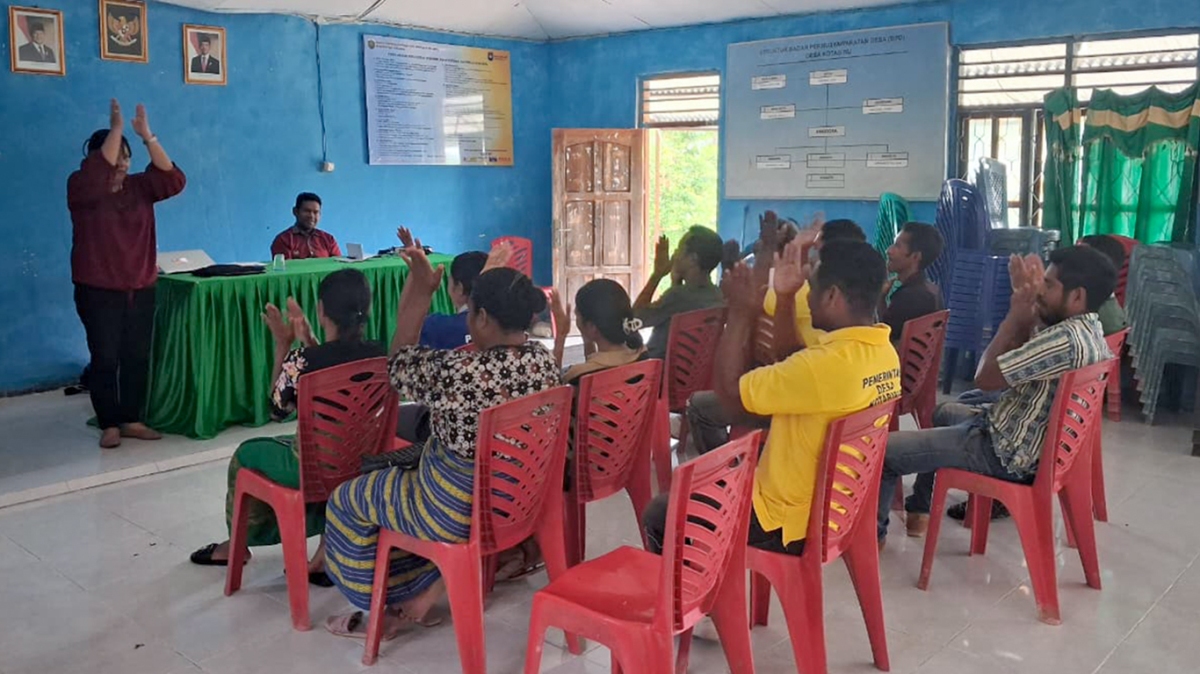
In Malaka Regency, consultation on grievance and safeguarding mechanisms was carried out by Inovasi Tangguh Indonesia (InTI) in villages in the Mota Masin watershed area, namely South Alas, Alas, Kota Biru, and North Alas, involving village governments, traditional leaders, religious leaders, women, and community elements. The discussion focused on the public's understanding of the complaint submission mechanism that has been running and the need for a clearer mechanism in the context of program implementation. The consultation on safeguarding the MITLTW/TIWA program in Malaka Regency is a space to understand the practice more fully. The discussion also took place openly and departed from the real experience of the community in each village.
Most of the participants explained that grievances are usually submitted directly to the village head or village officials. Village deliberations are also referred to as one of the spaces to discuss common problems. In certain situations, especially when issues concern relations between residents or matters regulated in the local customary order, traditional leaders are also a reference. These practices show that the community already has a way or channel to convey problems at the village level.
In the context of the implementation of MITLTW/TIWA, participants conveyed the importance of clarity in the program's grievance mechanism. The public needs to know the available complaint channels, to whom complaints can be submitted, and how the process is submitted. This information is considered to need to be conveyed clearly so that it can be understood by the community involved in the program. In the discussion process, the people in the four villages agreed that they would use the Hotline provided and socialized by InTI to directly submit questions, inputs, and complaints. However, there is an option for the community to use the village complaint flow that they have been using so far. This choice of path provides space for the public to express complaints or opinions in a way that they think is trustworthy. In general, the flow of complaints in the four villages is through community or customary leaders or village governments. Furthermore, these figures will convey to InTI.
The program grievance mechanism was also agreed upon with additional input from the community in the villages where the program is located, namely prioritizing the deliberation process at the village level to determine the priority of problems to be complained to InTI. Kotabiru Village provided special input, namely their desire to involve customary institutions to resolve problems as part of the program's grievance mechanism.
This discussion is also connected to the plan to establish a Community Task Force (GTK) of the Mota Masin watershed (which was formed on February 26, 2026 at the time of this writing). GTK is expected to be a cross-village coordination room at the watershed area level, as well as help ensure that program information is conveyed properly. In the context of complaints, the existence of GTK can be a liaison when there are questions that go beyond one village or are directly related to the implementation of programs at the watershed level.
If you look back at the consultation process in Belu and Malaka, you can see a similar pattern. The community actually has the ways and means to raise complaints at the local level. However, in the context of the implementation of cross-border programs such as MITLTW/TIWA, there is a need for a clearer and mutually understandable mechanism, including how the whistleblower feels safe when reporting problems. Thus, the discussion of the grievance and safeguarding mechanism does not stand as an administrative formality, but as part of an effort to ensure that the implementation of the program runs openly and can be accounted for. (InTI)