Bentang Lintas Batas (Last Series) - A Just and Sustainable Watershed
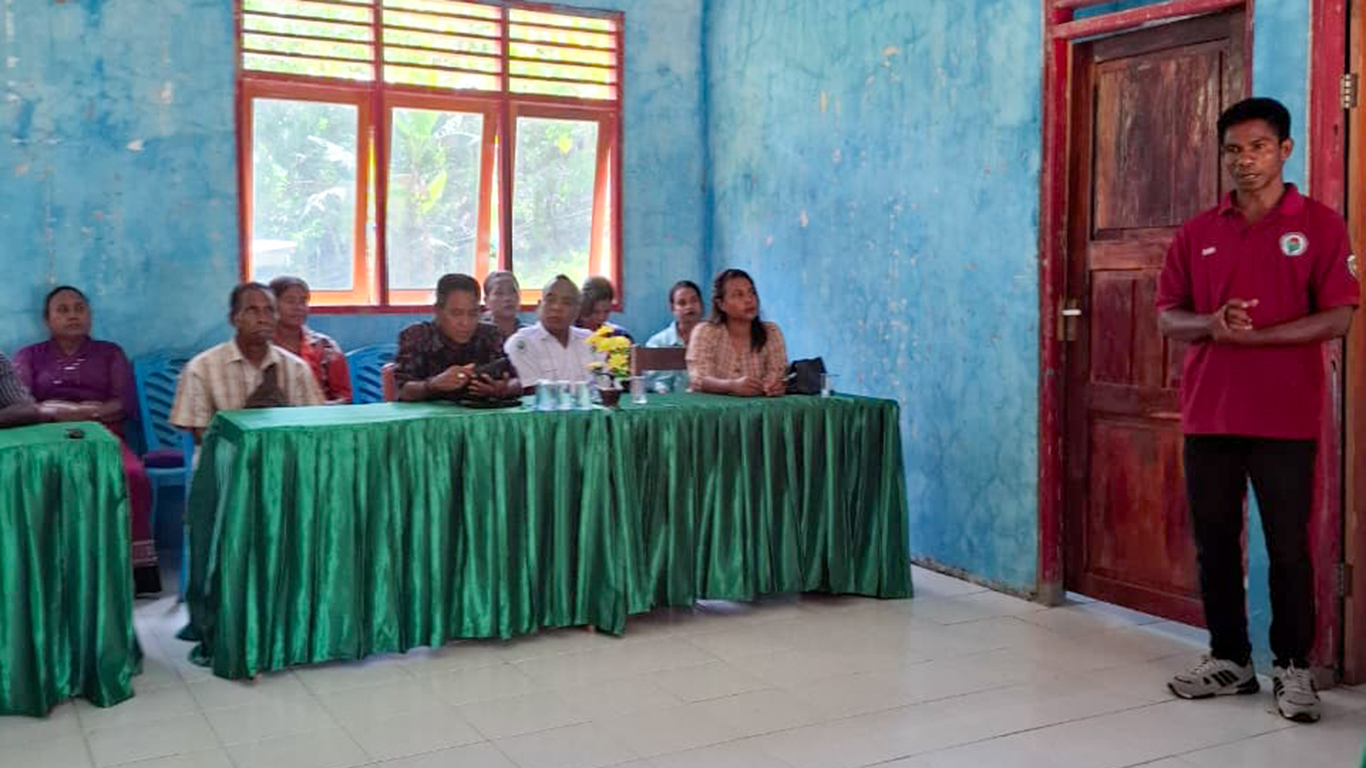
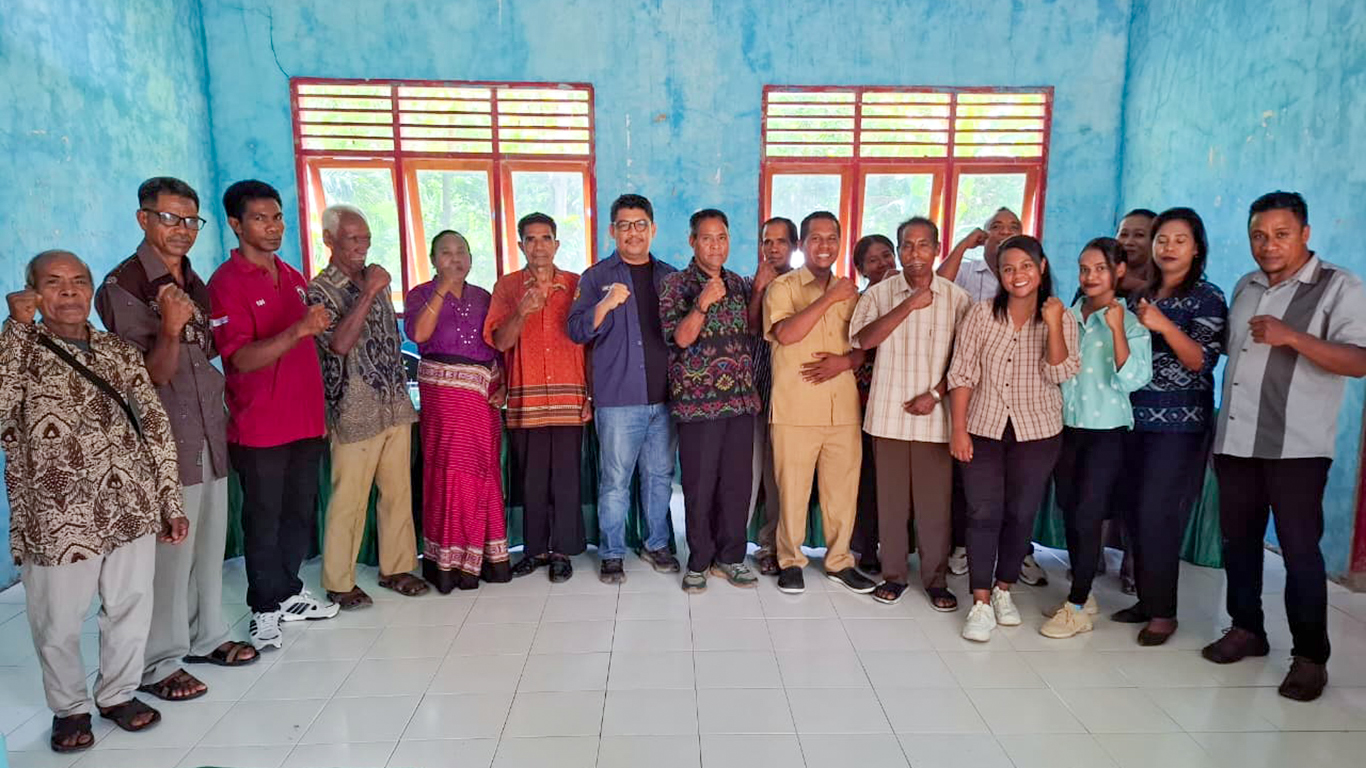
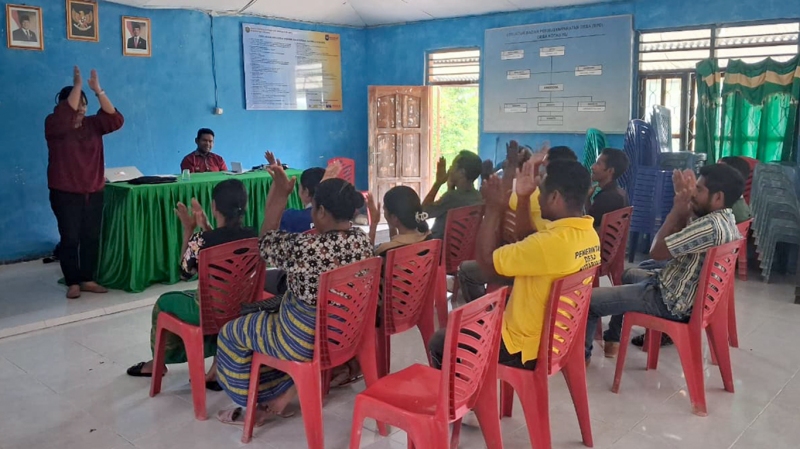
The Bentang Lintas Batas Series ends in Alas Utara Village, concluding it's a socio-cultural learning node from eight villages in two transboundary watersheds of the Republic of Indonesia – Democratic Republic of Timor-Leste: Talau-Loes in Belu Regency and Mota Masin in Malaka Regency. Through a socio-anthropological approach, Socio-Cultural Consultation and Research is carried out by placing the communities of Alas Utara Village as the main subject. Social realities are not only recorded through discussion forums, but are understood through direct interaction and field observations.
Three questions underlie the entire process of Socio-Cultural Research in the daily life of the community in Alas Utara Village: what are the socio-cultural conditions and the role of the river in the lives of communities; how customary law governs land, water, and forests; and how the land ownership system is run.
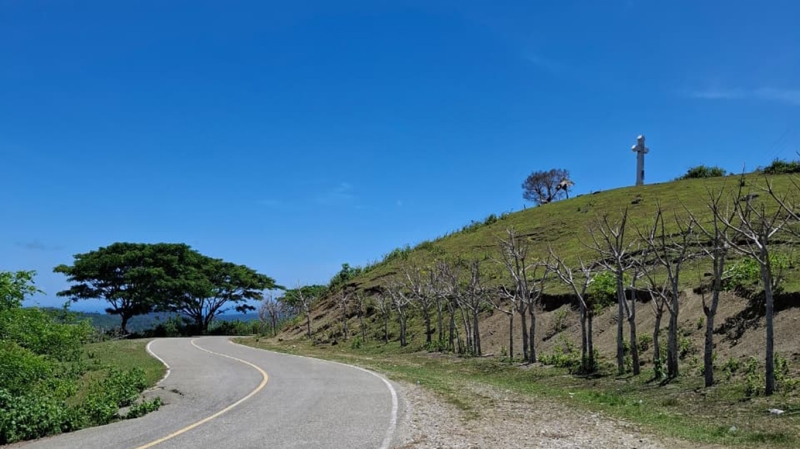
Alas Utara Village in East Kobalima District, Malaka Regency, has an area of 18.5 km² with a population of 1,285 people (389 families). The majority of people in Alas Utara Village live from farming and livestock. In order to support these livelihoods, customary rules and systems are still widely obeyed, especially by the 28 tribes living in the Kobalima customary system in the village, especially those related to the conservation of natural resources such as forests and water which will definitely contribute to the inclusive governance of the Mota Masin watershed in the future.
Until now, the cultural customs of the people of Alas Utara Village which are sacred are well preserved. For concrete examples, the Ailala Customary Forest belonging to the Maudemo Tribe and the Tameru Customary Forest related to the Loritolu Tribe and the Liana In, Fetohat, and Lehoan sub-tribes are still preserved. These customary forests are not only ecological spaces, but also historical and social spaces that protect historical sites, the tomb of the first king, and the circular stone arrangement that was once used as a place for tribal chiefs to deliberate. The social structure of the Maudemo Tribe knows the levels of King, Datok, Tribal Chief, and tribal communities. Arrangements and discussions on the management rights of customary forests are carried out with indigenous leaders in the structure.
In addition, there are "Pemali Area" areas such as Foho and Sadan, as well as "Air Pemali" owned by each tribe. The term "Pemali" refers to a local customary term that is used as a mechanism to prevent excessive use of water, land and natural resources that can disrupt the preservation of ecosystem services and reduce the carrying capacity of nature. For example, there is a Forbidden Forest also called "Sumur Pemali". These forests are treated with respect by the community and should not be destroyed. The forest belongs to the tribe and is protected by the Alas Utara Village government. The spring in the forest is jointly owned by communities. As a form of protection, there are customary sanctions imposed on anyone who damages or cuts down trees at the location of the source of the spring. The customary sanctions are in the form of fines in the form of pigs, chicken, sack rice, and 1 bottle of sopi water (local liquor).
Land ownership in the village of Alas Utara is divided into land owned by the tribe and privately owned land, but most of it has not been certified. The community declared the area as customary land and forest. Meanwhile, on the government side, they designated some areas as state forest areas based on the determination in 1996 and 2017 because of the contours of the land that could not be used by communities to grow crops. Around 1,110 hectares of areas in Alas Utara, Alas, and Kota Biru have been included in the determination of state forest areas since 1996. In 2017, there was an additional about 540 hectares, including an area that has some of the oldest traditional houses designated as protected forest areas.
In practice, questions still arise in the community because customary rights to land and forest land have not yet been legally confirmed. Data collection and measurement were carried out by the local government in 2022, but the certification process could not be continued due to the status of the area. The community expressed their hope that there would be legal clarity that could go hand in hand with the recognition of the customary system that has been carried out for a long time. However, on the government side, currently the land certification program has been completed, so land certification is not a priority program at this time.
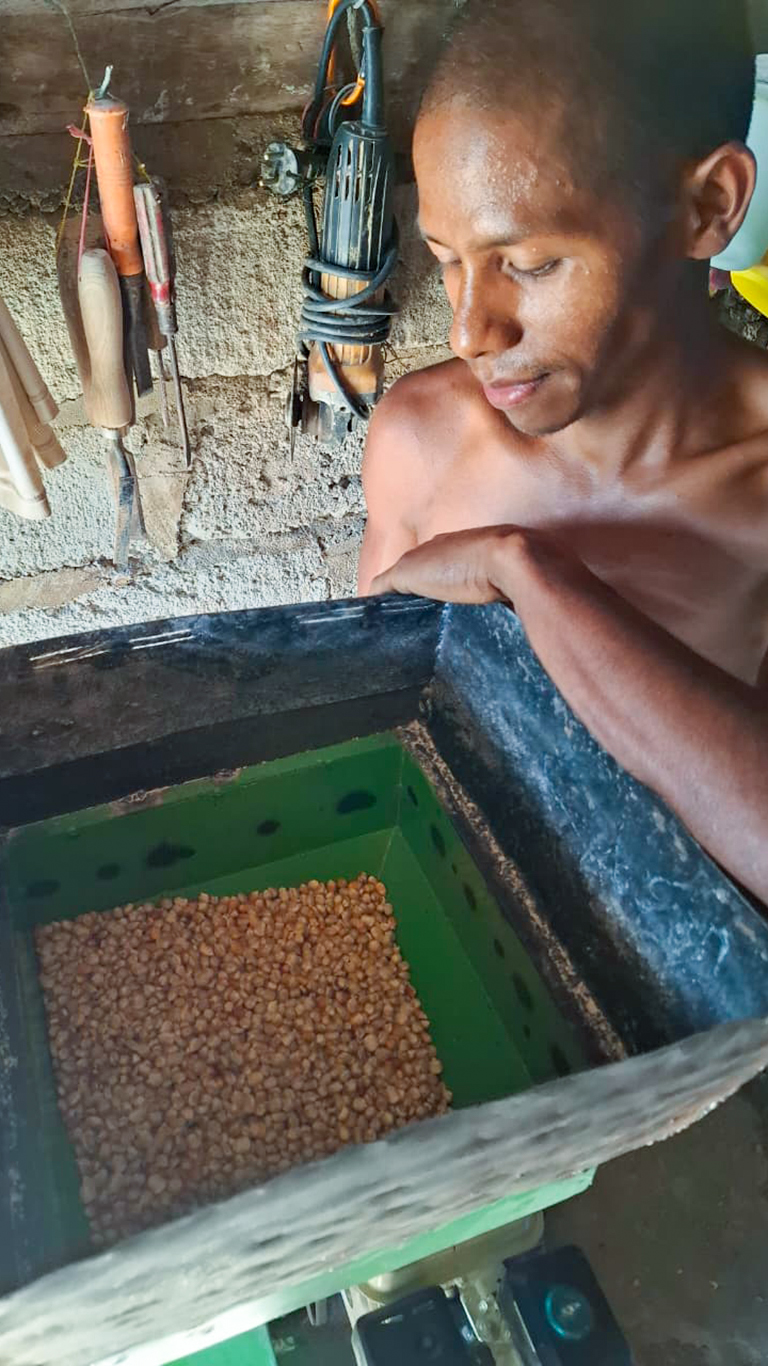
In the socio-cultural research carried out, it can be concluded that water is an important issue in this village. Alas Utara does not have rice fields due to topographic conditions and limited water sources. Most of the communities depend on agriculture and livestock for their livelihoods. Communities grow corn, beans, lombok, coconut, candlenut, and cashews. The main source of spring water is We Foru which is located between the Ailala and Tameru Traditional Forests, as well as other springs such as We Lakuran. The construction of clean water facilities through the Village Fund (2024) and the Malaka Regency Budget (2025) presents hundreds of faucets in five hamlets, although in the dry season the water only flows at night. The limited water source convinces the communities of Alas Utara Village, that by guarding and protecting customary forests, they can ensure the survival of water sources to support the sustainability of their lives and livelihoods.
The socio-cultural condition in Alas Utara Village shows that customs, forests, land, and water are a unit of living space. Land is not just an asset, but a heritage and identity for the community while watershed is also not just a river flow, but a part of the land landscape including soil, vegetation, land use, and settlements that become one unit with rivers and tributaries in them from upstream, middle and downstream that need to be managed properly to support the sustainability of life and livelihood of the people in it.
As a village located on the direct border with Timor-Leste, Alas Utara has a history that is closely related to the dynamics of the border area. From 1975 to 1999, the people of Alas Utara village experienced the impact of political dynamics between the two countries. However, the social life of people in the region develops adaptively in the context of two neighboring countries. People living on the border of two countries have a long-standing kinship relationship and this relationship is maintained beyond the administrative boundaries of the country and is able to pass through the political dynamics of the two countries. Until now, in the daily life of border communities, there have been no transboundary conflicts between communities.
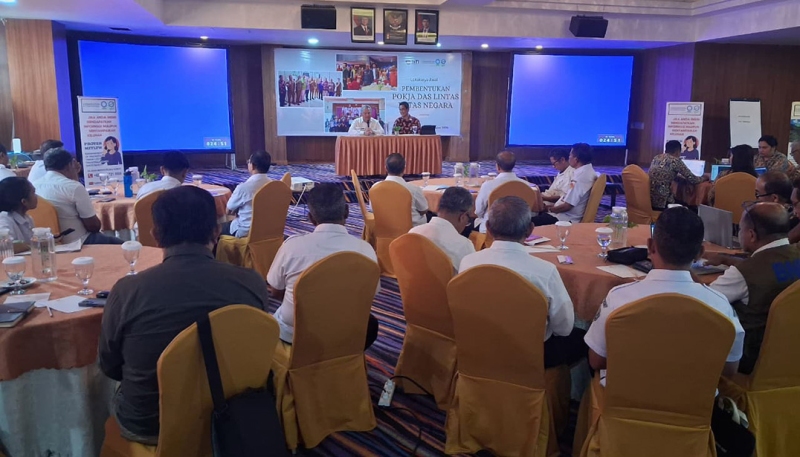
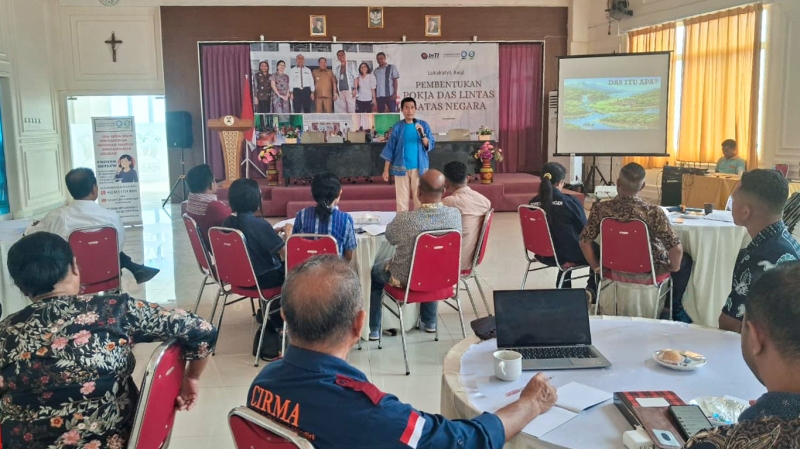
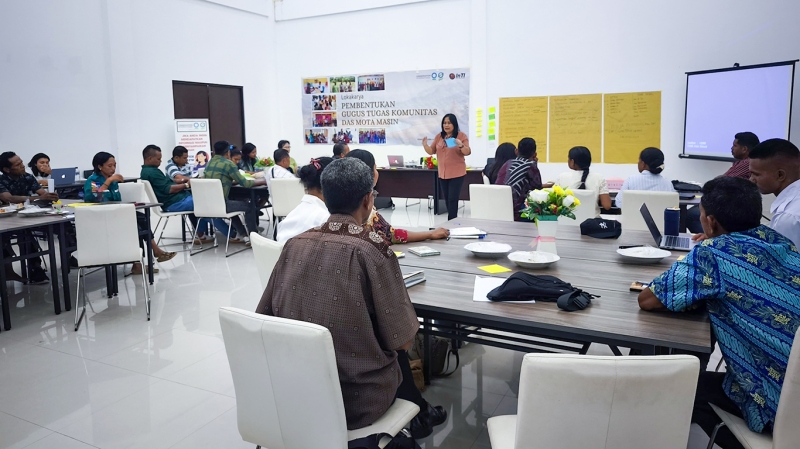
In the context of water resource maintenance, forests, finding solutions to solve problems in watersheds, the process facilitated through the MITLTW/TIWA project becomes relevant. The establishment of the Community Task Force (GTK), one of which involves elements of indigenous peoples, opens up space so that customary cultural practices in terms of water and forest resource conservation, as well as in terms of the problems faced can be conveyed in a structured and documented manner. Through the linkage between GTK at the community level and the Transboundary Watershed Working Group (POKJA DAS LBN), issues that have been at the local level have the opportunity to be discussed with relevant stakeholders. This mechanism does not necessarily solve the issue of the status of the area, but provides a space for dialogue that brings together the interests of watershed governance with the customary system that has been running for a long time, thus allowing the search for solutions that are more in harmony with nature and mutually beneficial.
From the entire process of Socio-Cultural Consultation and Research, there are several important affirmations. First, local wisdom is still alive and functions in regulating land, water, and forests, including conflict resolution mechanisms. Second, customary structures remain the foundation of local governance and community decision-making. Third, transboundary watershed management requires a socio-cultural approach that understands the history, values, and structure of the community. Fourth, the mainstreaming of gender, disability, and social inclusion perspectives needs to be strengthened so that the benefits of watershed management can be felt fairly by all community groups.
These things are the basis that needs to be mainstreamed in the formulation of a strategy for involving parties in the governance of Transboundary Watersheds through the MITLTW/TIWA project in the future, so that every coordination and decision-making process remains based on the socio-cultural reality of the community as well as the principles of justice and inclusion.
The Bentang Lintas Batas Series closes with one reminder: the management of transboundary watershed areas will be sustainable if it is rooted not only in multi-stakeholder coordination and collaboration, but also in local wisdom, respect for customary structures, and placing communities as the main guardians of their living spaces. That's where the meaning of a Just and Sustainable Watershed Area finds its substance. (Usep Setiawan/InTI)