Managing Conflicts to Manage Transboundary Watersheds
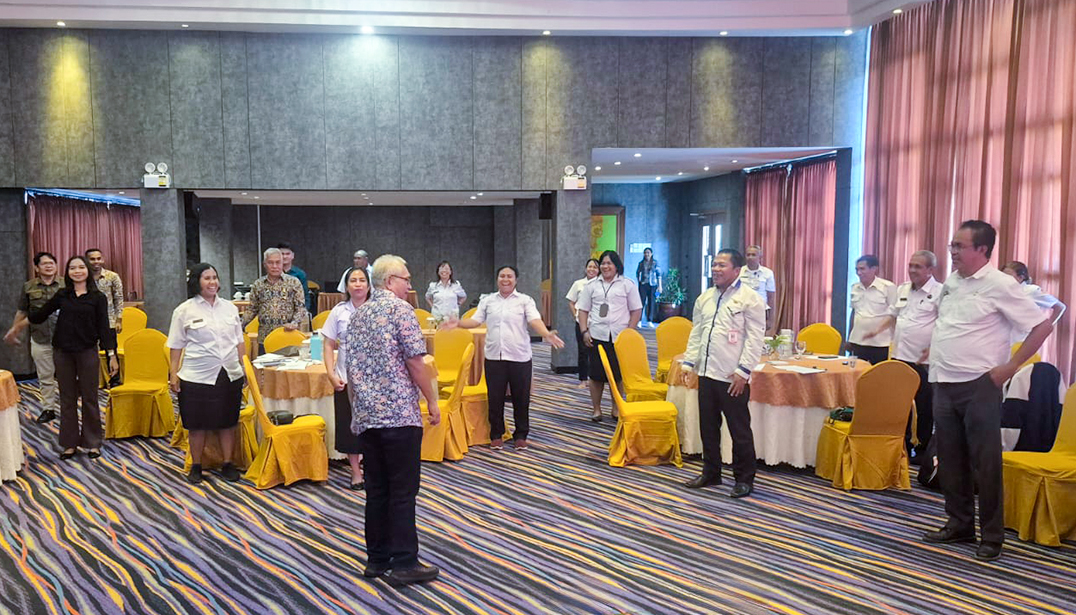
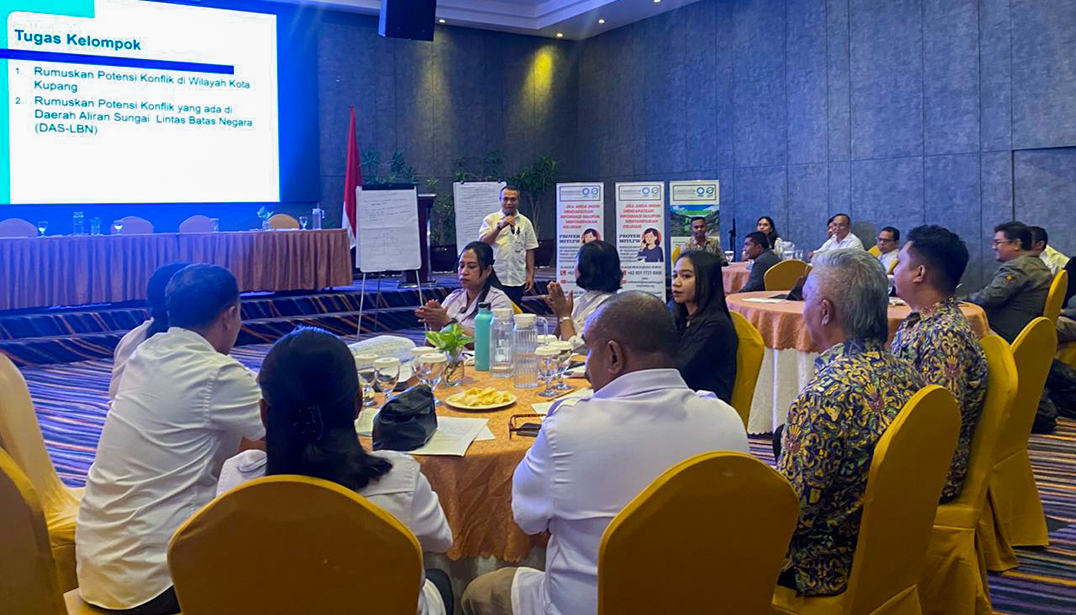
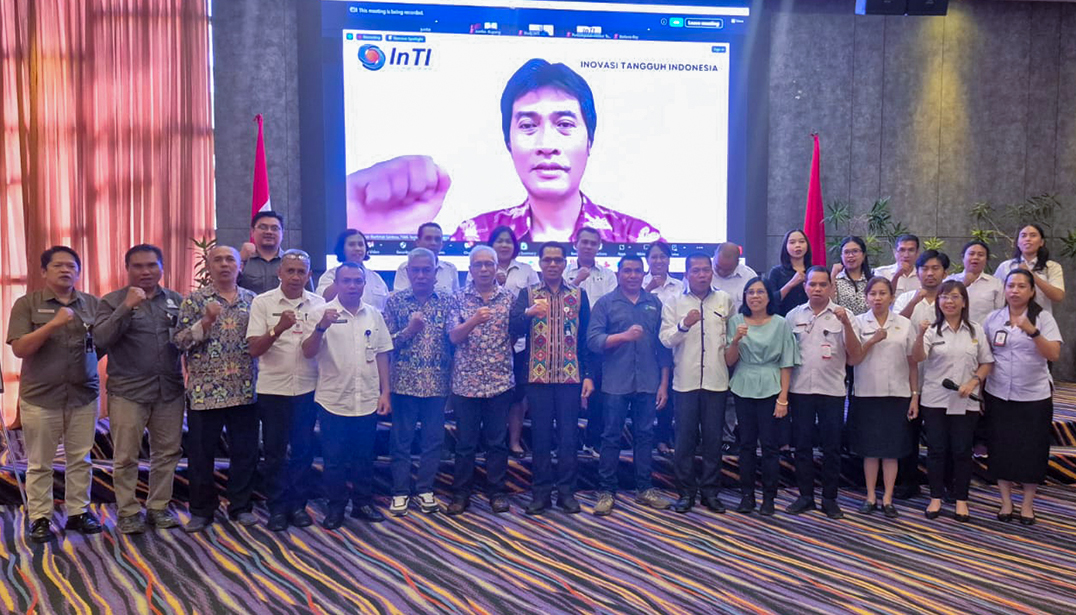
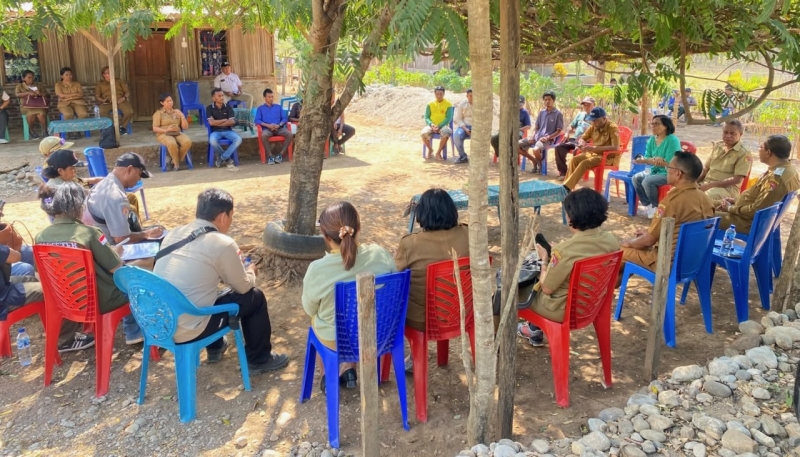
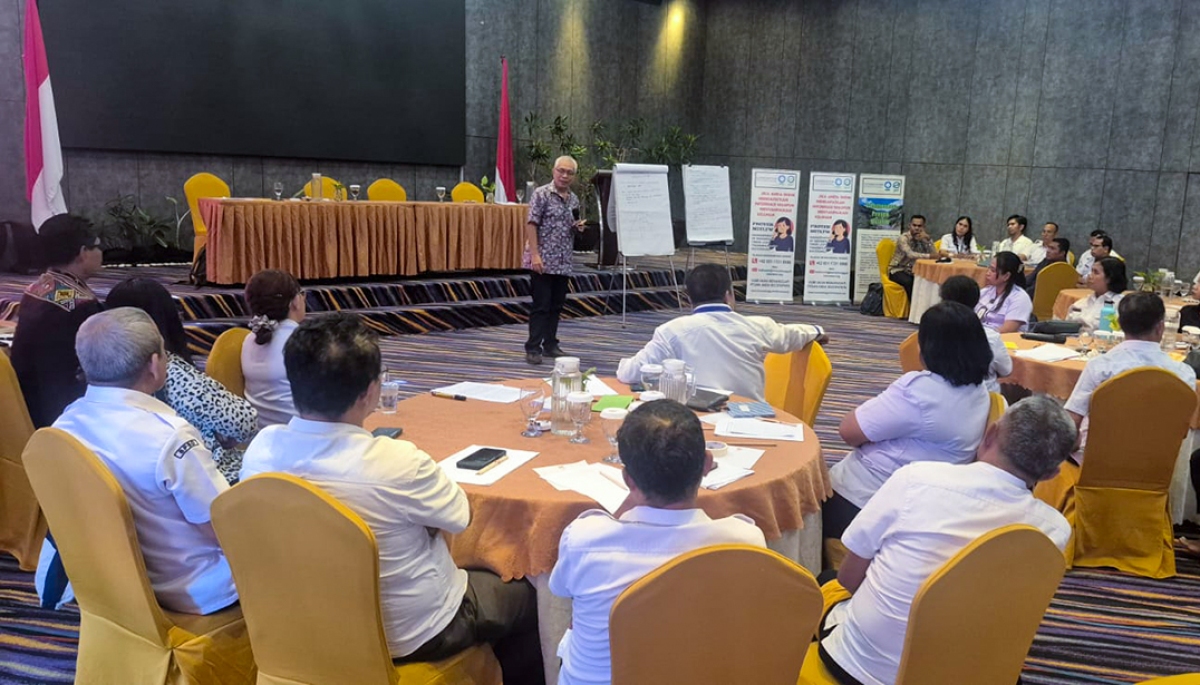
Kupang, June 24, 2026 — Transboundary Watershed Management is not only about protecting water resources, forests, or the environment. Behind the landscapes that are connected across national borders, there are various communities in society with diverse interests, needs, and social dynamics that need to be understood and managed together. This awareness is the background for the implementation of the Basic Training on Conflict Management, Conflict Resolution, and Peace Development for the Working Group on Transboundary Watersheds (Pokja DAS LBN) of East Nusa Tenggara Province organized by Inovasi Tangguh Indonesia (InTI) through the Timor Island Watersheds (TIWA) Program in Kupang.
Opening the activity, the Chairman of the NTT Provincial LBN Watershed Working Group and Head of BPDAS Benain Noelmina, Kludolfus Tuames, emphasized that transboundary watershed management requires more than just technical skills in environmental management. According to him, the members of the Working Group also need to understand the social dynamics that develop in society and have the ability to manage the differences in interests that arise in it.
"The ability to understand conflicts and build peace is an important competency for members of the Transboundary Watershed Working Group."
Kludolfus explained that various programs carried out in the watershed area will eventually come into direct contact with the community. Therefore, the success of the program is not only determined by the quality of the planning or intervention carried out, but also by the ability of the parties to build communication, trust, and community participation.
"What we want to win is not only the program, but the hearts and minds of the people. Because without the support of the community, the various efforts we make will not go well."
According to him, the ability to recognize potential conflicts early on, understand the various interests that exist, and build a constructive dialogue space are important provisions for members of the Transboundary Watershed Working Group in carrying out their roles.
This training itself is part of the capacity strengthening process that has been identified since the establishment of the NTT Provincial Transboundary Watershed Working Group. Technical Lead Indonesia from InTI, Johan Rachmat Santosa, explained that the need to increase the capacity of conflict management arises directly from the process of identifying needs carried out with the members of the Working Group.
"When the Transboundary Watershed Working Group was formed, one of the needs that arose was how the members of the Working Group understood conflict management and conflict resolution. This is important because the management of transboundary watersheds is not only about the technical aspects, but also about how to manage the various interests that exist."
According to Johan, watershed management involving two countries has its own complexity because it is related to policies, institutions, and communities that are in different administrative systems even though they may be guilty of the same tribe. Therefore, the ability to build collaboration and communication is an important part of effective and adaptive transboundary watershed governance.
"In the context of transboundary watersheds, we are not only talking about environmental governance, but also about environment-based diplomacy on how to build cooperation and mutual understanding to manage the resources that we share in those watersheds."
Departing from this understanding, the participants were then invited to see conflict not as something to be avoided, but as part of social dynamics that need to be recognized, understood, and managed constructively.
Understanding Conflict as Part of Watershed Management
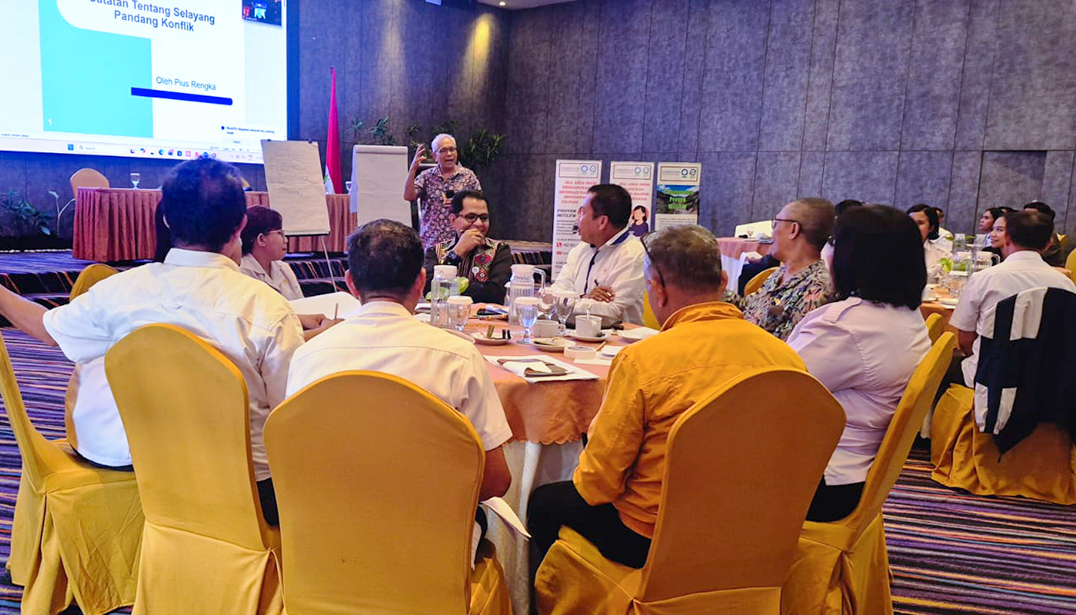
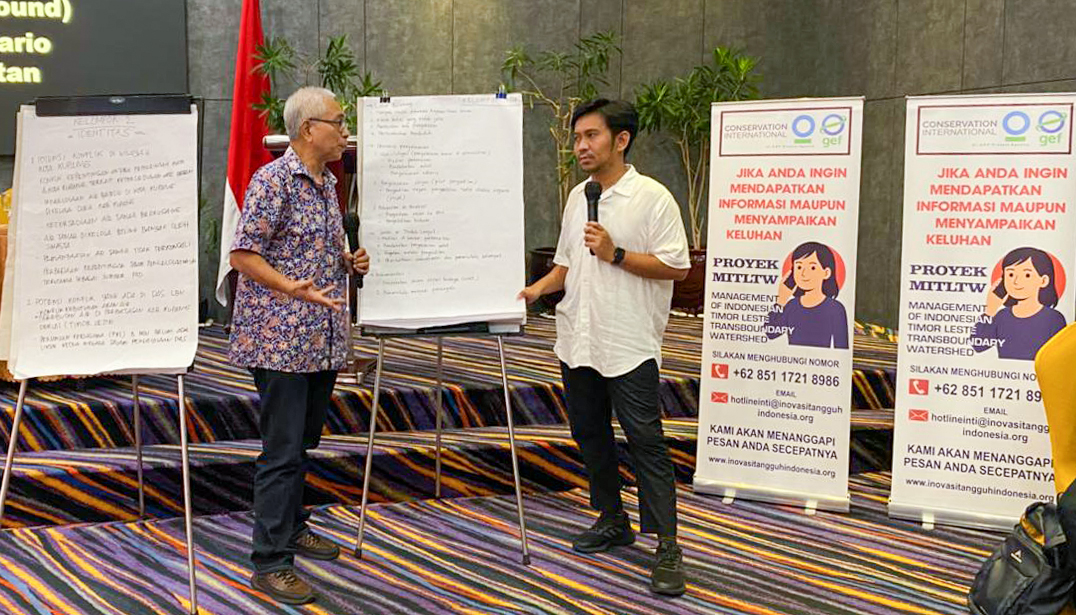
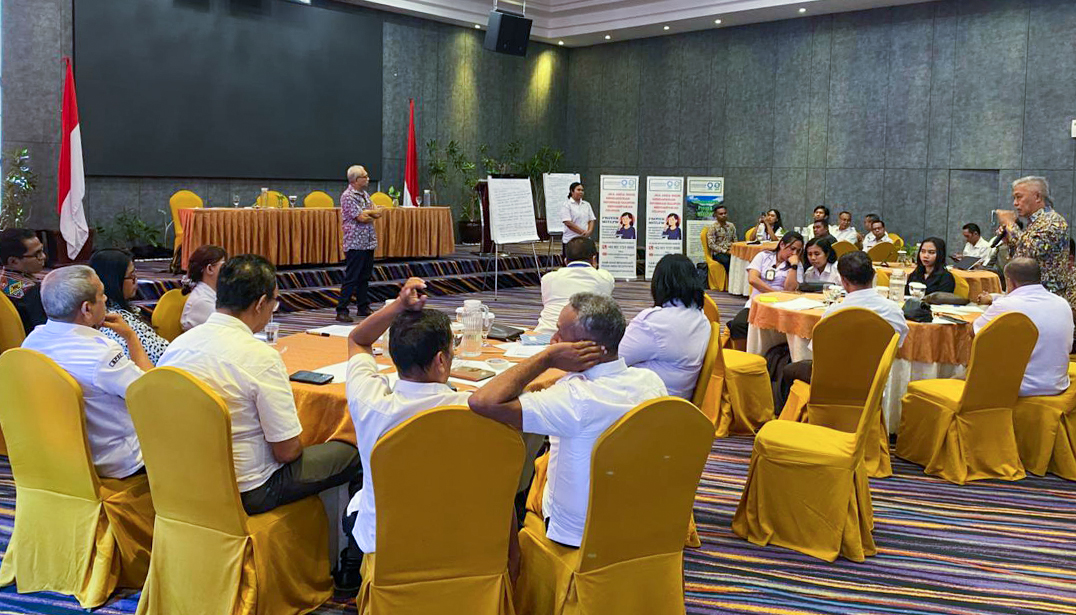
The training facilitated by Dr. Pius Rengka began with a discussion of the basic concept of conflict. In this session, participants were invited to understand that conflict is an inseparable part of social life. Conflicts can arise due to differences in interests, values, needs, perceptions, and access to resources that we have together. The discussion then developed when participants were asked to identify various conflicts they encountered in their daily lives as well as in the context of transboundary watershed management. Various issues emerged in the discussion. Land conflicts, access to water resources, spatial planning, environmental management, and social problems are some of the issues that are considered to be the most frequent in various regions.
In the context of transboundary watersheds, participants also highlighted the challenges that arise when the same resources are utilized by communities in different administrative areas. Participants also assessed that watershed management needs to be part of development, infrastructure, and ecological mitigation planning. To reduce the risk of conflict, coordination between governments, integrated watershed management, involvement of all relevant parties, and strengthening transboundary cooperation are needed.
Strengthening Coordination and Dialogue as a Forward Step
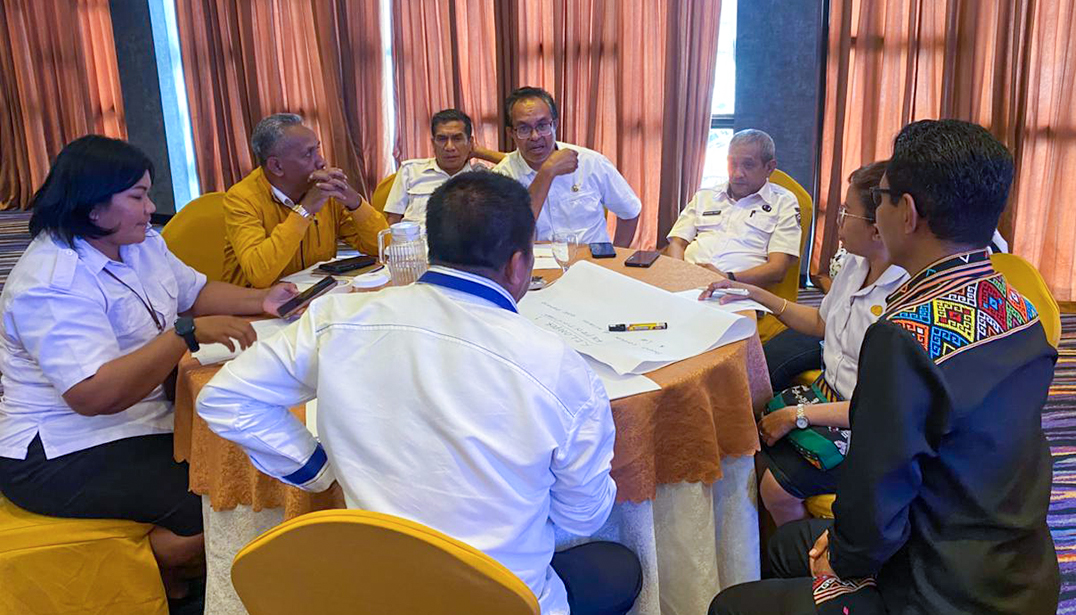
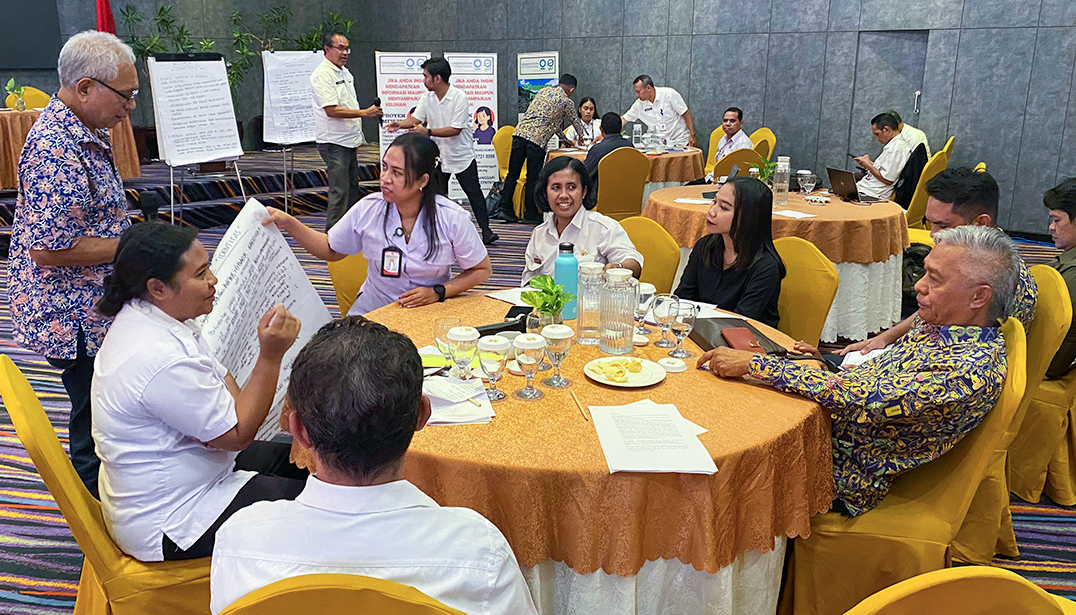
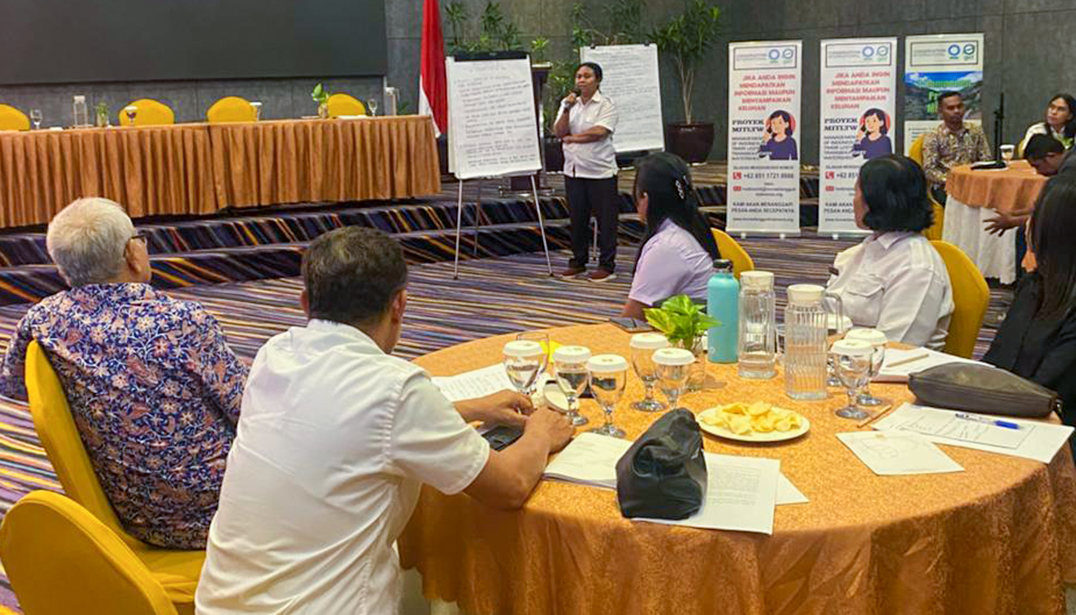
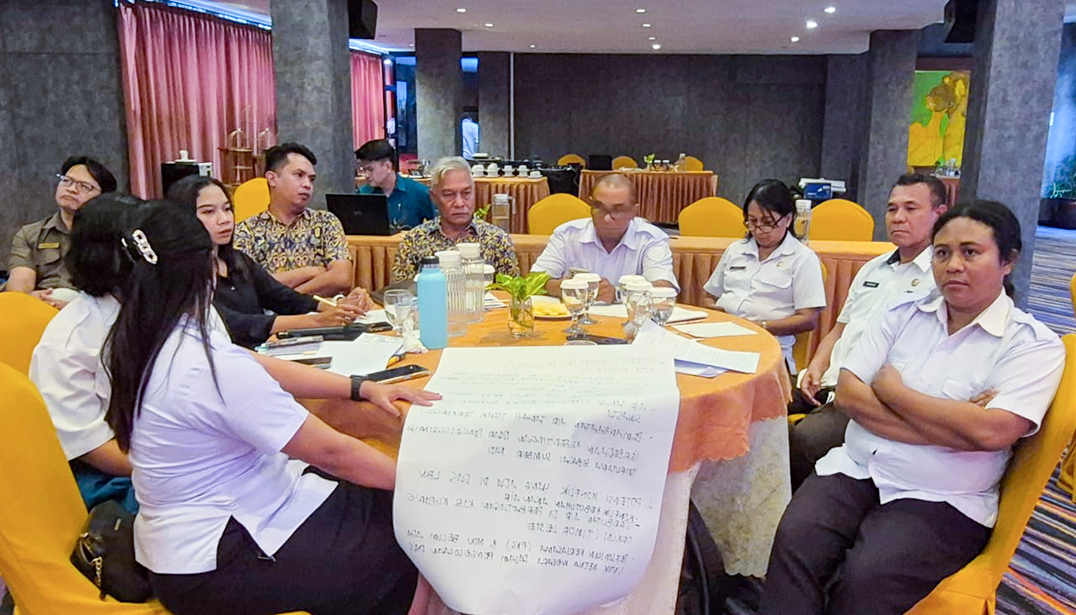
In the next session, participants explored the concept of conflict prevention and governance as an approach to conflict resolution. The discussion emphasized that preventing conflicts is much more effective than dealing with conflicts that have developed into disputes. Therefore, early identification of potential conflicts, strengthening coordination, involvement of parties, and regular monitoring are important steps in managing transboundary watersheds. Through group work, participants were then asked to analyze various cases that were relevant to the context of watershed management.
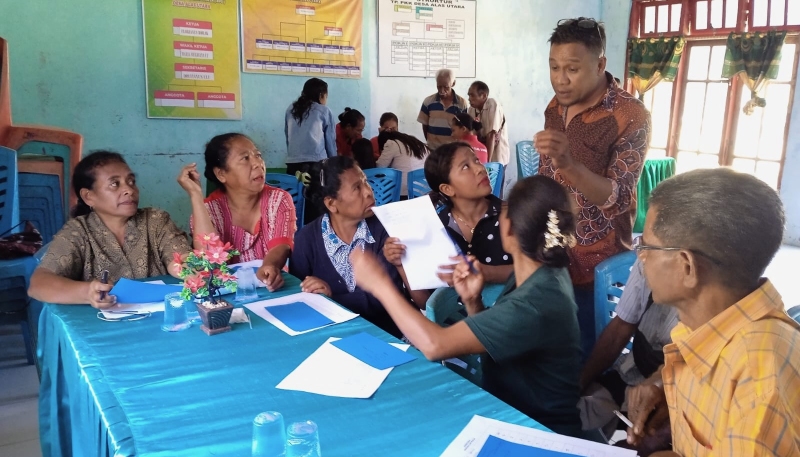
One of the groups raised the issue of the struggle for water resources in the dry season which is influenced by changes in environmental conditions, sedimentation, and limited coordination between regions. Their discussions showed that the problem could not be solved through a technical approach alone.
"The issue of water is not only about the availability of resources, but also about how different parties share benefits, responsibilities, and space for dialogue."
Another group highlighted the impact of climate change and land-use changes on water availability in border areas. According to participants, these challenges require stronger cooperation between upstream, middle, and downstream regions, as well as closer coordination between Indonesia and Timor-Leste.
"Transboundary cooperation is important because rivers do not know territorial administrative boundaries, including state boundaries."
Meanwhile, the group discussing land conflicts and territorial boundaries highlighted the importance of a settlement that accommodates a variety of approaches, ranging from customary mechanisms, mediation, to formal legal channels if needed.
"Not all conflicts have to end in court. Dialogue and mediation are often the most effective ways to build understanding."
Through these case studies, participants came to the understanding that transboundary watershed management requires more than just technical interventions. Sustainable management requires the ability to build communication, strengthen coordination, and create a space for collaboration between interested parties.
Building More Collaborative Governance
At the end of the training, participants concluded that conflicts in watershed management can arise due to differences in interests and limited resources. Therefore, conflict prevention is considered more effective than conflict resolution that has developed into a dispute. Participants also emphasized the importance of strengthening coordination between members of the Transboundary Watershed Working Group at the provincial and district levels and the need to make conflict analysis part of the planning and decision-making process in transboundary watershed management. In addition, a dialogical, collaborative, and local wisdom-based approach is seen as needing to be put forward in conflict resolution efforts.
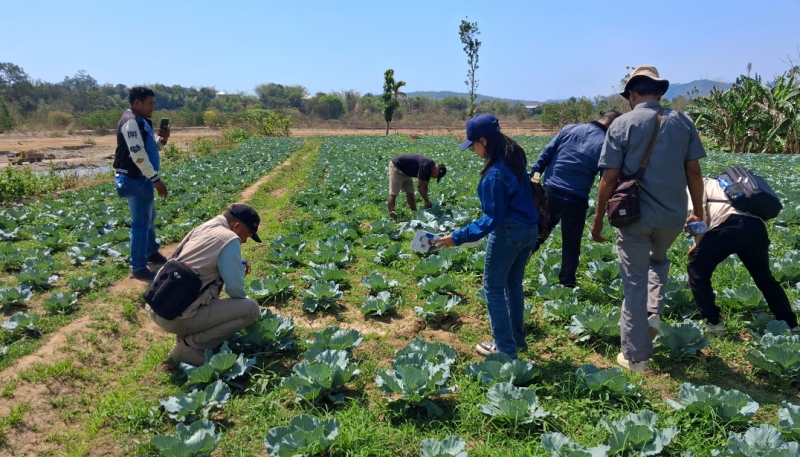
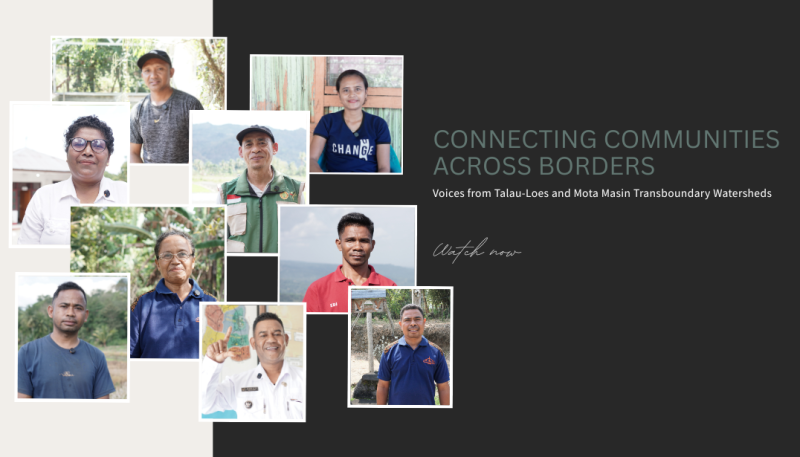
A number of recommendations and follow-ups were also produced from this training, including periodic mapping of potential conflicts in the Talau-Loes watershed and Mota Masin watersheds, integration of conflict prevention aspects in transboundary watershed management programs, improving coordination between stakeholders, developing multi-stakeholder dialogue mechanisms, forest and land rehabilitation, and strengthening community capacity through training and mentoring. The evaluation of the workshop showed the participants' high appreciation for the implementation of the training. They hope that follow-up activities in the form of advanced training, mediation, and assistance in the implementation of conflict management in the management of transboundary watersheds can continue to be carried out periodically.
Closing the activity, Kludolfus Tuames emphasized that capacity building is an important part of the process being built by the Transboundary Watershed Working Group. He also said that in the future meetings will be held at the national and regional levels to harmonize the implementation of programs and funding, as well as encourage the active participation of all Working Group members in the implementation of various plans that have been prepared.
Through this training, members of the NTT Provincial Transboundary Watershed Working Group gained space to discuss the various challenges faced in the management of transboundary watersheds while identifying the steps needed to strengthen coordination, prevent and manage conflicts, and build more collaborative and adaptive resource governance in border watersheds. (InTI)