Seeing the Root of the Problem: PRA Learning in Tohe and Maumutin
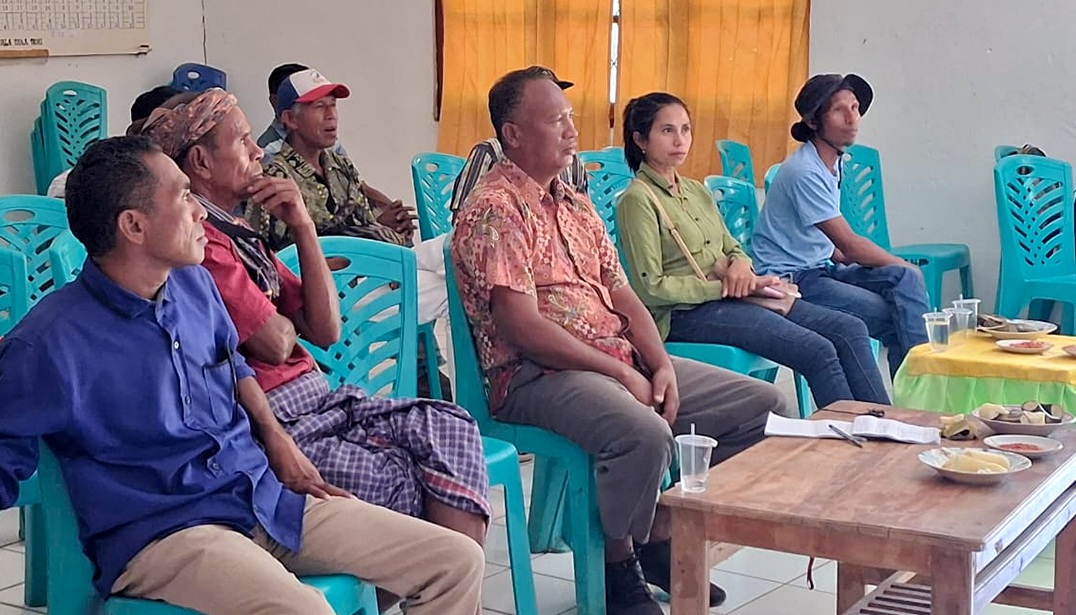
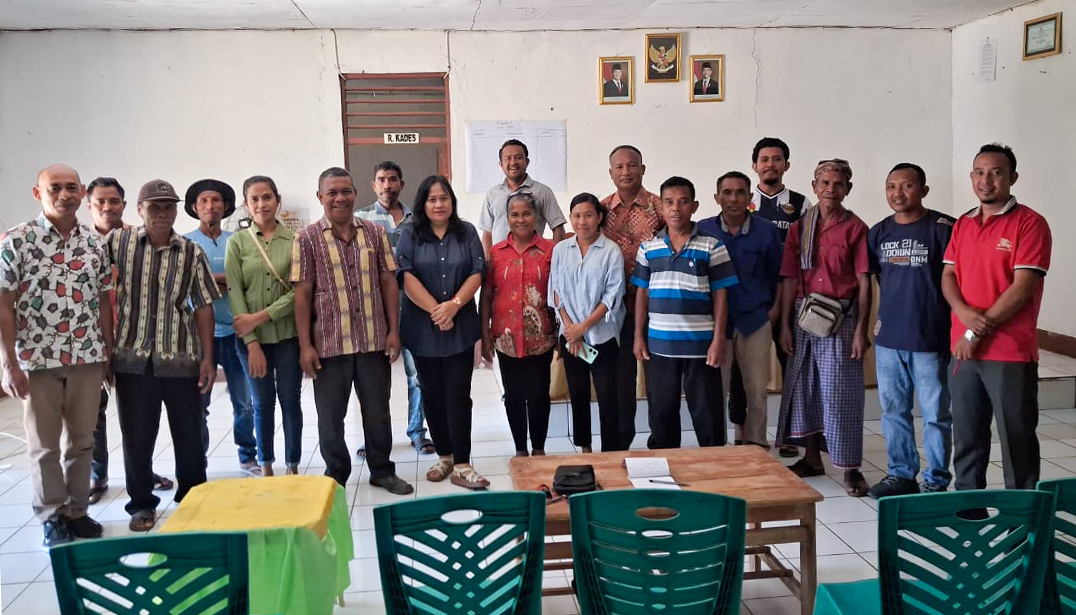
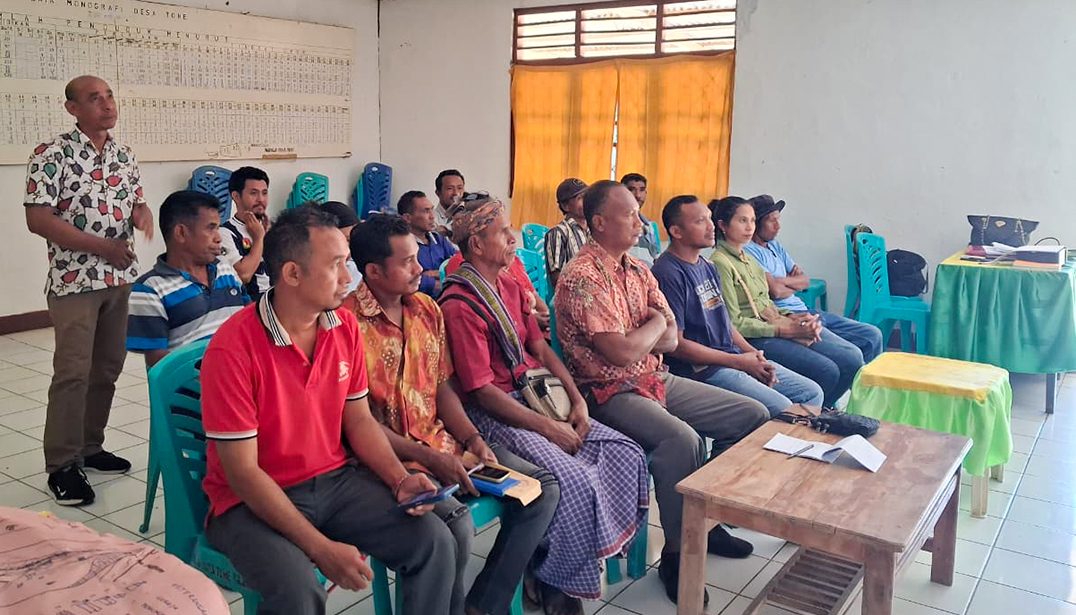
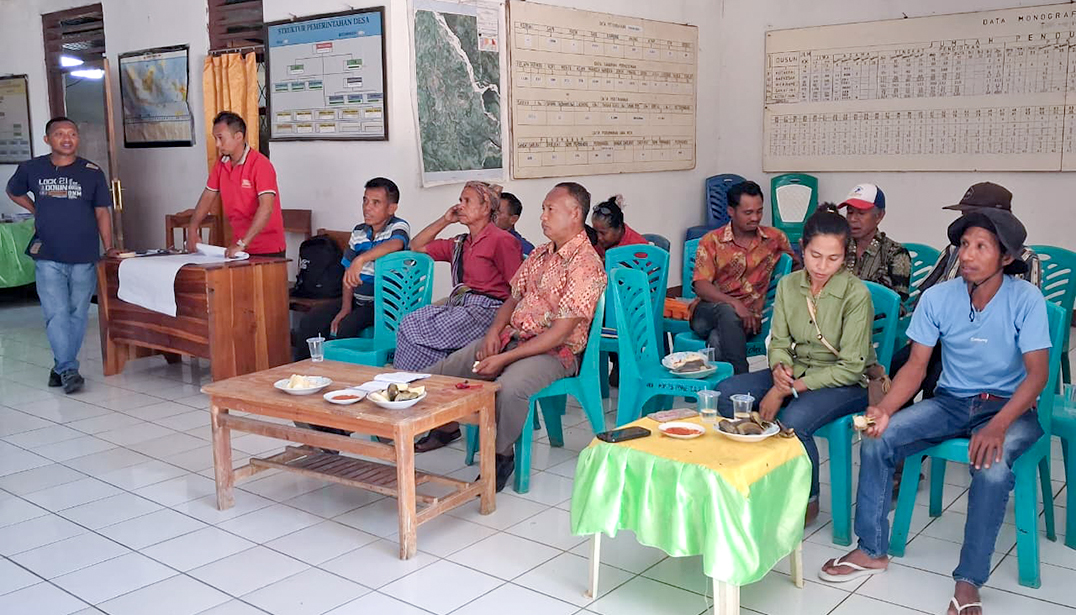
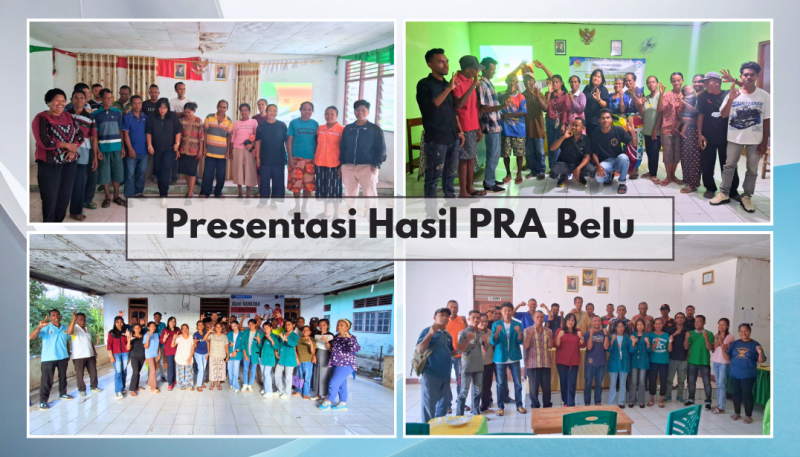
The series of Participatory Rural Appraisal (PRA) in Belu Regency continues after the people of Baudaok Village and Asumanu Village were involved in the process of information mining and participatory analysis, similar activities were then carried out in Tohe Village and Maumutin Village on June 4-5, 2026. Although both aim to explore the potential and problems of the village, the experiences that emerged in the two villages are different.
In Tohe Village, the discussion revolved around the causes of various problems that have affected agricultural products and natural resource management for the livelihood and livelihood of residents. Meanwhile, in Maumutin Village, the discussion reflected on changes in agricultural patterns, environmental conditions, and the reduction of local practices that were previously part of people's lives that occurred from time to time.
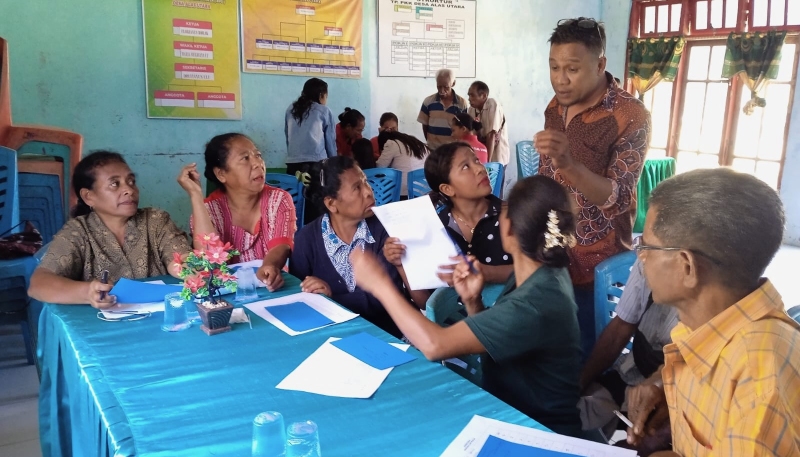
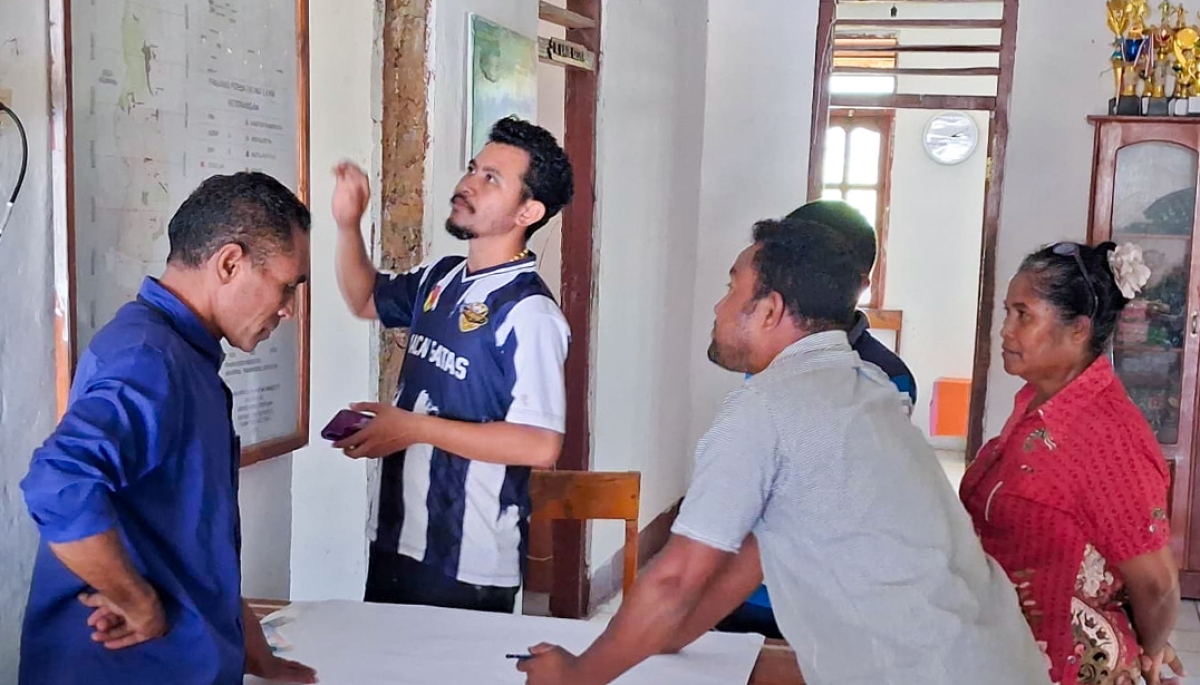
Through various PRA study tools, people in both villages are invited to discuss the root causes of problems and the impact of problems on people's livelihoods and lives.
From Harvest to New Consciousness in Tohe Village
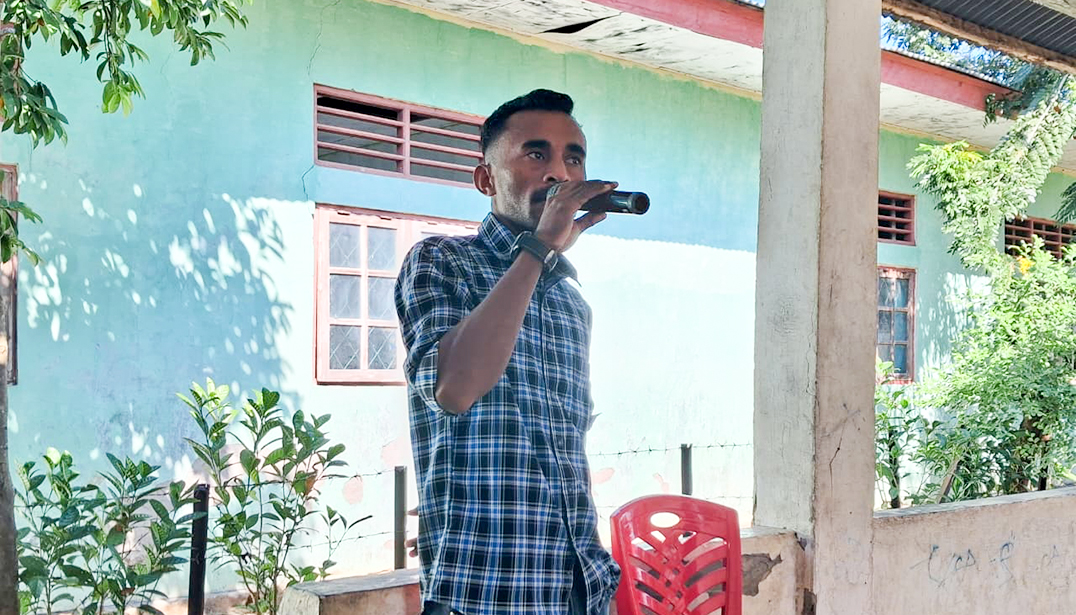
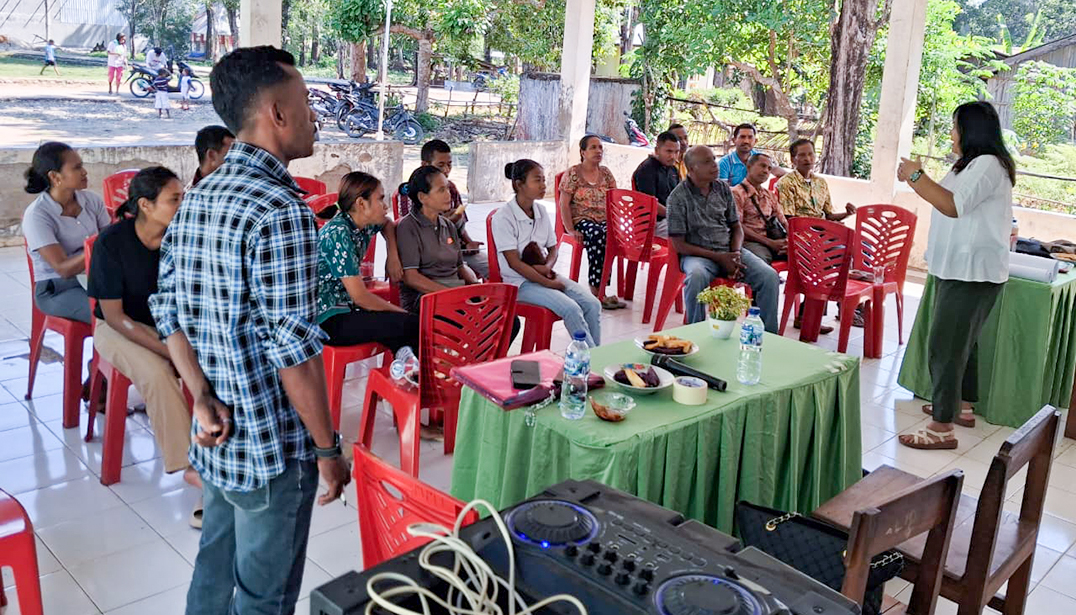
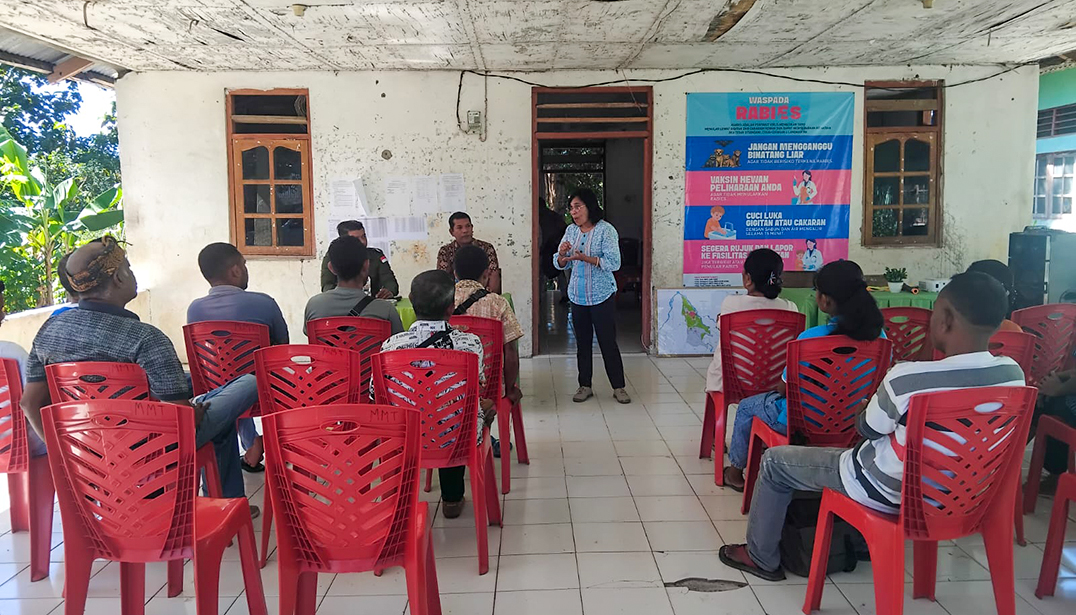
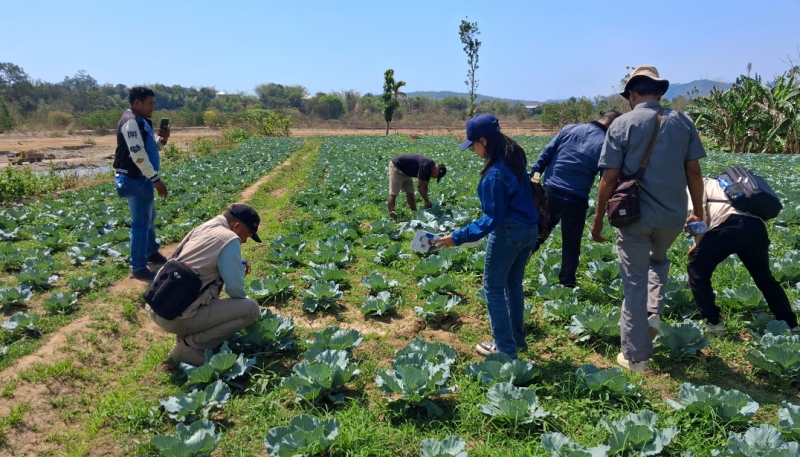
For the people of Tohe Village, the PRA process is a space to look back at the various problems they have faced in the agricultural sector and natural resource management. Through group and plenary discussions, participants identified a number of problems that were considered to have the most influence on people's lives, including low crop yields, long-term use of chemical fertilizers, limited labor, damaged irrigation canals, cross-village water management, inactive farmer groups, and declining interest of the younger generation in the agricultural sector. In addition to agricultural problems, the community also remembers various events that have affected the condition of their village. In the study of the history and risk of village disasters, participants highlighted the occurrence of flash floods that caused the destruction of tens of hectares of agricultural land and resulted in the loss of livestock owned by residents. The community attributed the cause of the incident to the reduction of forest cover that previously functioned to protect the watershed.
One of the important reflections that emerged from the PRA process was the growing awareness of participants that not all problems originated from factors outside the community. In the conclusion of the activity, the participants said that PRA helped them understand the root problems they had been facing, including factors related to behaviors and habits that developed in the community itself. They hope that this awareness can encourage behavior change and inspire other communities to get involved in joint improvement efforts.
For Flavianus Lau, who serves as a co-facilitator as well as a Field Agriculture Extension Officer (PPL), this experience provides a new perspective in assisting the community.
"I became aware of the real problems that were happening in the farmers, and it was not a problem that arose from my personal assumptions."
According to him, the PRA process helps uncover problems that are really felt by the community so that it can be the basis for providing agricultural assistance and training that is more in line with the needs of farmers. He also sees this activity as a means to encourage the community to utilize the potential of land that has not been used optimally.
A similar impression was conveyed by Merlin Pereira who assessed that PRA helps the community see the relationship between the potential and the problems that exist in their village.
"It turns out that the problem exists because of our own negligence. With this PRA study, we know a lot about the potential and problems that exist in our village."
Reflecting on Local Changes and Wisdom in Maumutin Village
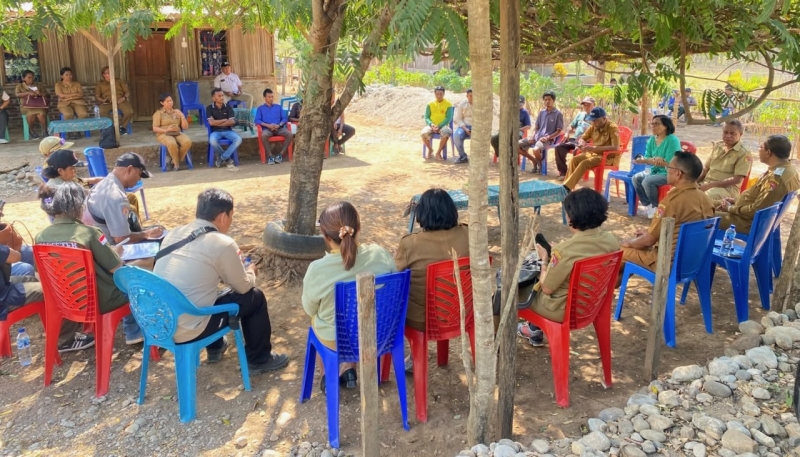
In Maumutin Village, the PRA process brings the community to look back at the changes that have occurred in their lives over the past few decades. In the study of village history, the community compares the past conditions when agriculture was still mostly carried out in mutual cooperation and oriented towards meeting family needs, with the current conditions which are increasingly influenced by the advancement of agricultural technology and the use of various production facilities from outside the village. Through these discussions, the community identified various changes that they felt, ranging from the reduction of mutual cooperation practices, the increase in agricultural production costs, the loss of some local knowledge, to the emergence of various environmental and agricultural problems that they are currently facing. The community also remembers various events in the last ten years, such as the loss of spring water sources, floods, and tornadoes that have impacted agricultural land, irrigation canals, and residents' settlements.
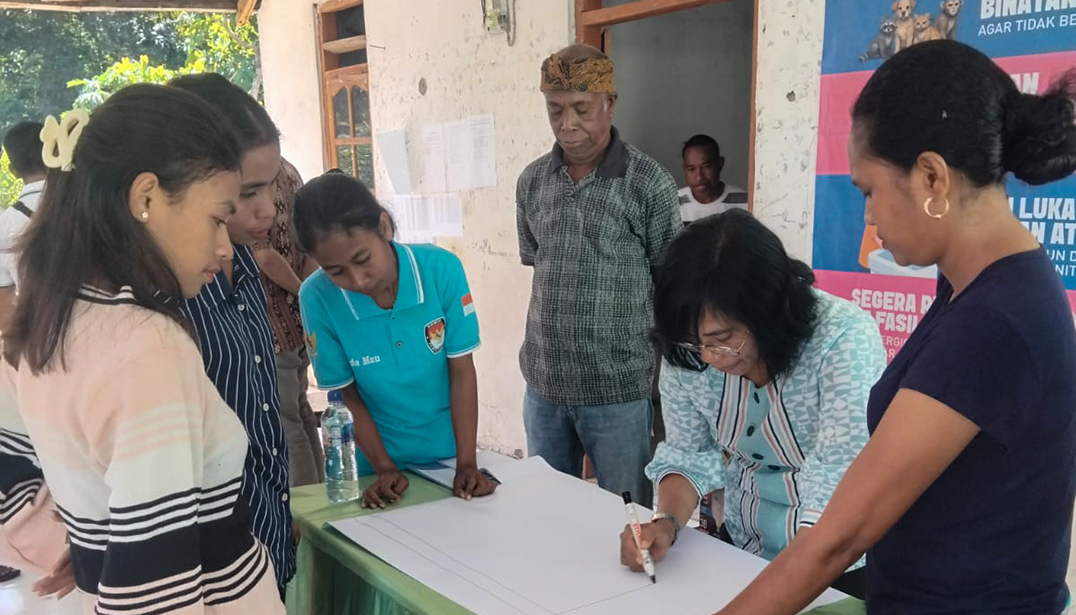
In the ranking and scoring process, the community places several problems as top priorities, including the limitation of agricultural production facilities, the repeated use of local seeds, and reduced adherence to local wisdom. In addition, the community also highlighted the decline in agricultural production, damage to forest ecosystems, landslides and floods, and the non-optimal functioning of border markets and BUMDes (Village-Owned Enterprise).
For Marita Da Costa Pires, who is a co-facilitator, her involvement in PRA provides an experience that opens up a new perspective on the condition of the village.
"This PRA activity is very useful and opens up insights to observe and analyze the potential and problems in our village. This activity made me better understand the real conditions in the field, know the potential we have, and realize that change and improvement can start from our own awareness and cooperation."
Marita also invites the community to continue to maintain and utilize natural resources wisely so that they remain sustainable for future generations.
An equally interesting reflection was conveyed by Arkadisu Besin, from Foho Maek Hamlet. According to him, the PRA process helps the community see the relationship between the decisions taken today and the lives of the next generation.
"With this activity, we realize that what we have done in the past will be carried over into the lives of our children and grandchildren."
He assessed that the PRA process helped the community analyze the potential and problems of the village more deeply while recalling various events that had occurred in their village journey.
Learning to Understand the Village from Community Experience
Both in Tohe and Maumutin, PRA not only produces a list of problems and village potential. More than that, this process becomes a space for people to discuss their own experiences, understand the relationship between environmental conditions and daily life, and explore the root causes of various problems they face, including the consequences of their behavior towards the environment.
Through this process, the community not only recognizes the challenges that exist in their villages, but also begins to see that change can start from awareness, behavior change, cooperation, and the involvement of the community itself. For the participants and co-facilitators, the learning is one of the important outcomes of PRA which is expected to continue to develop in the village planning and development process in the future. (InTI)