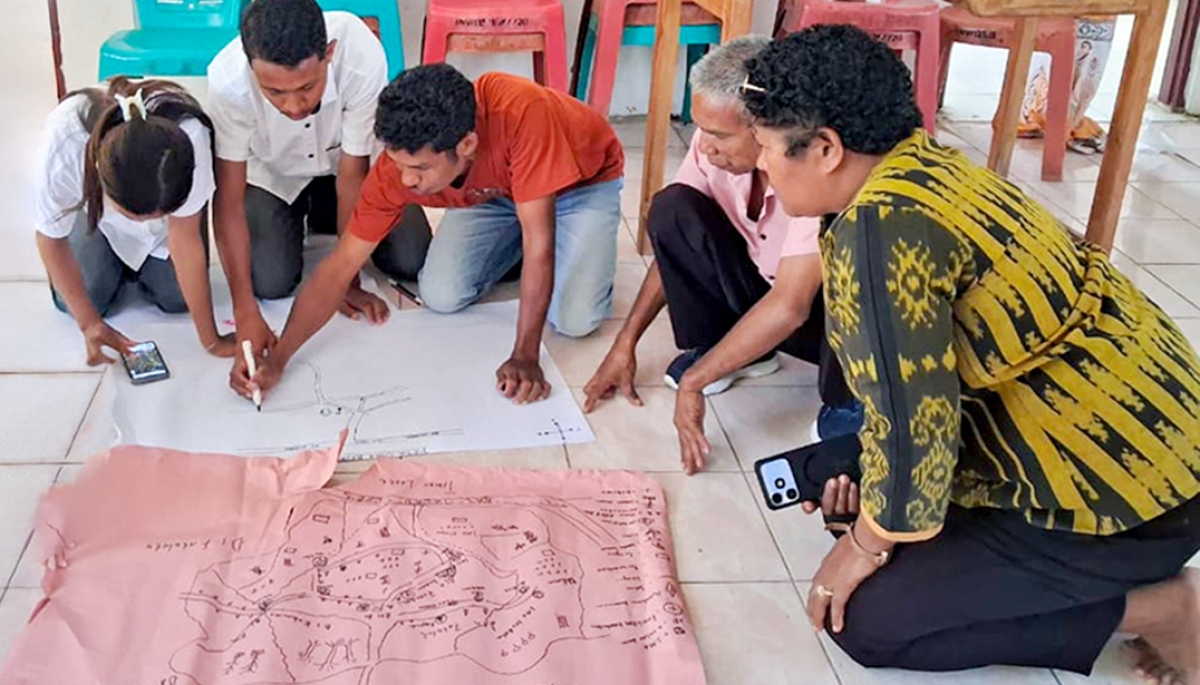
From Listening to Understanding: Community Learning in the PRA in Asumanu and Baudaok
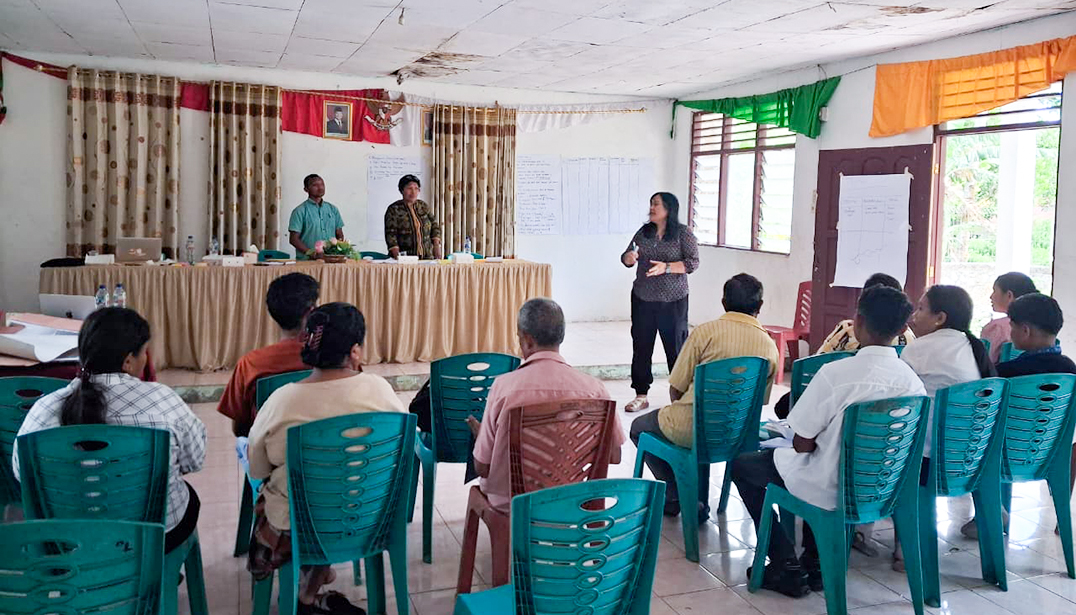
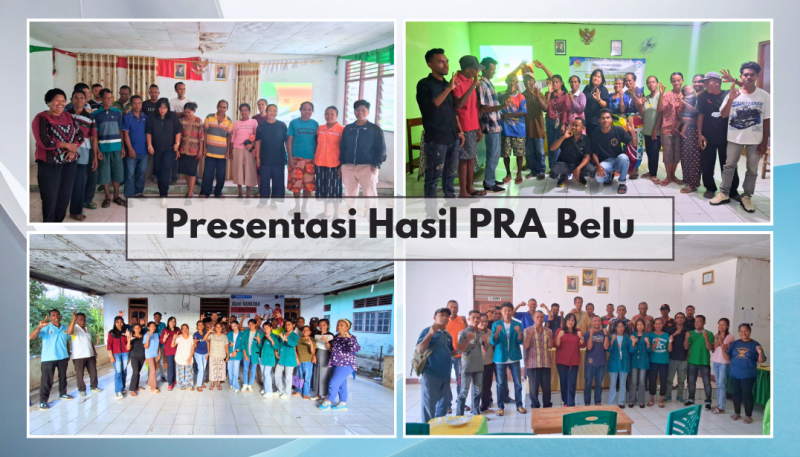
After the implementation of Participatory Rural Appraisal (PRA) in four villages in Malaka Regency, a series of similar activities continued to Belu Regency. On June 2-3, 2026, the people of Baudaok Village and Asumanu Village were involved in a participatory study process to explore the condition of the village, identify problems and potentials, and document the experiences of the community that has been part of their daily lives. Even though they use the same methods, the experiences that emerge in each village have a different story. In Baudaok, the most important thing is how the PRA process helps the community and co-facilitators to recognize the problems and potentials of the village that they have not seen in its entirety. Meanwhile, in Asumanu, the participants’ experience was largely shaped by the challenges of gathering information in the field while discussing various agricultural and environmental issues that are part of the community’s daily life.
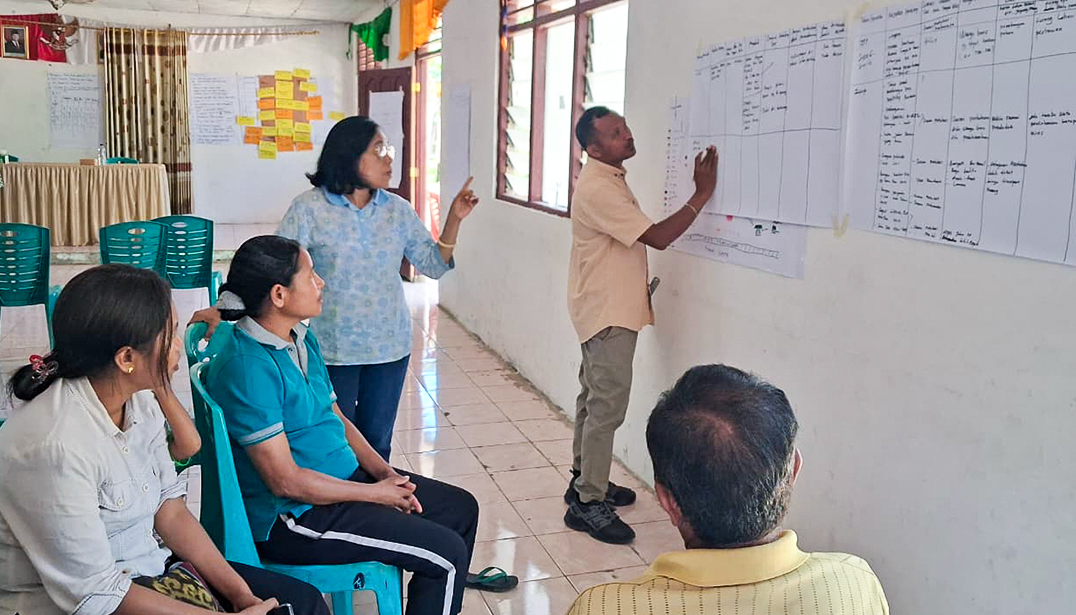
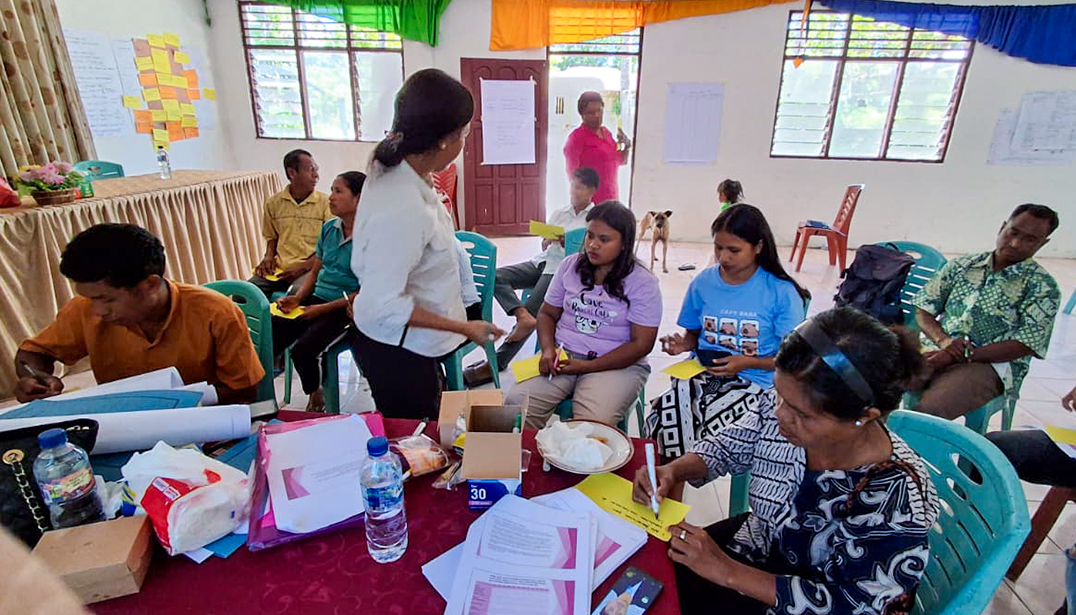
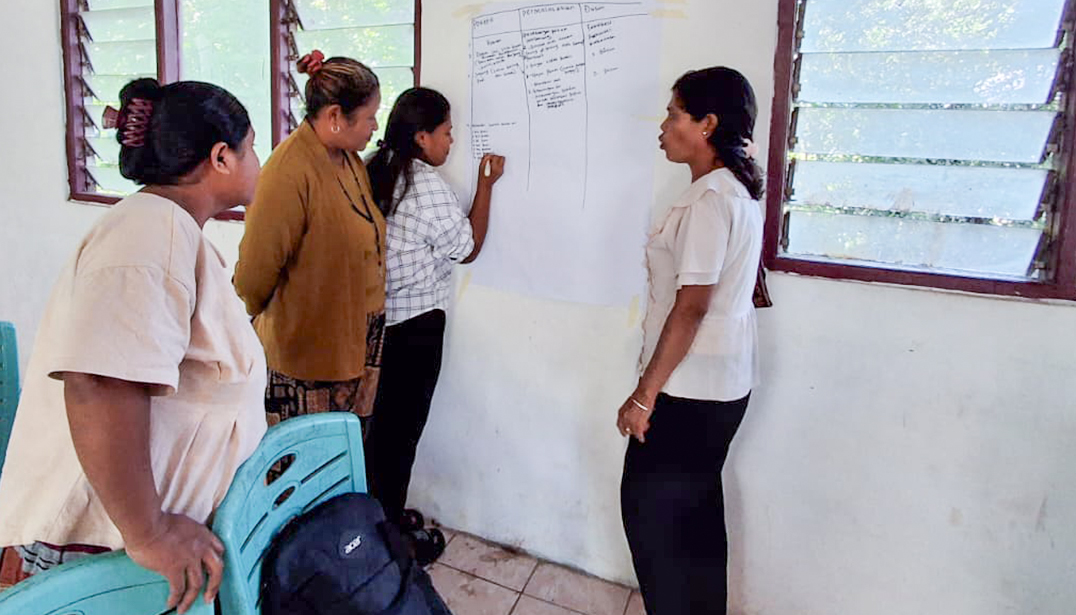
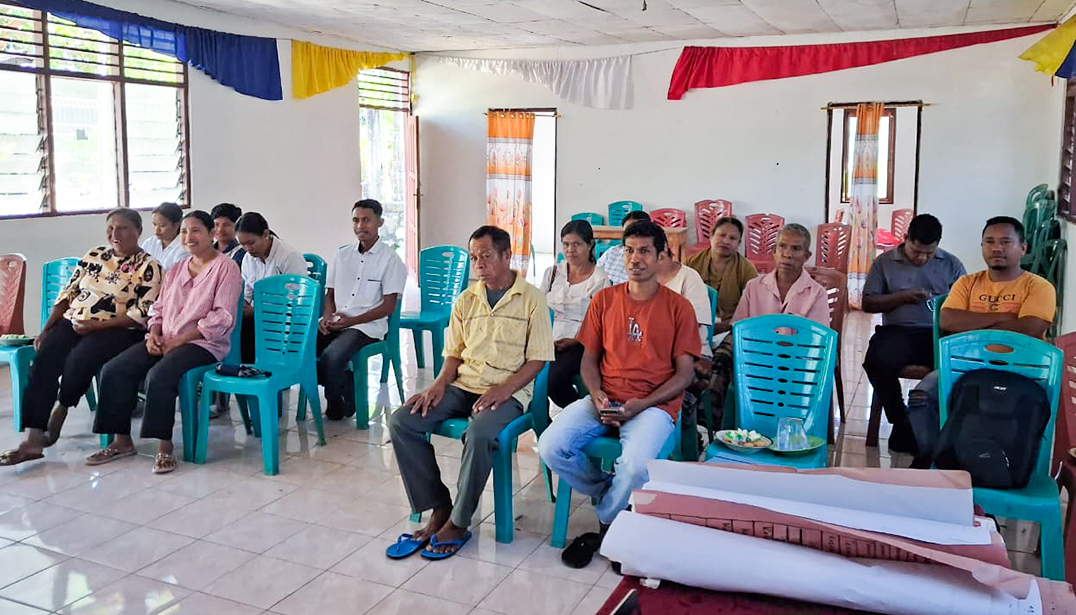
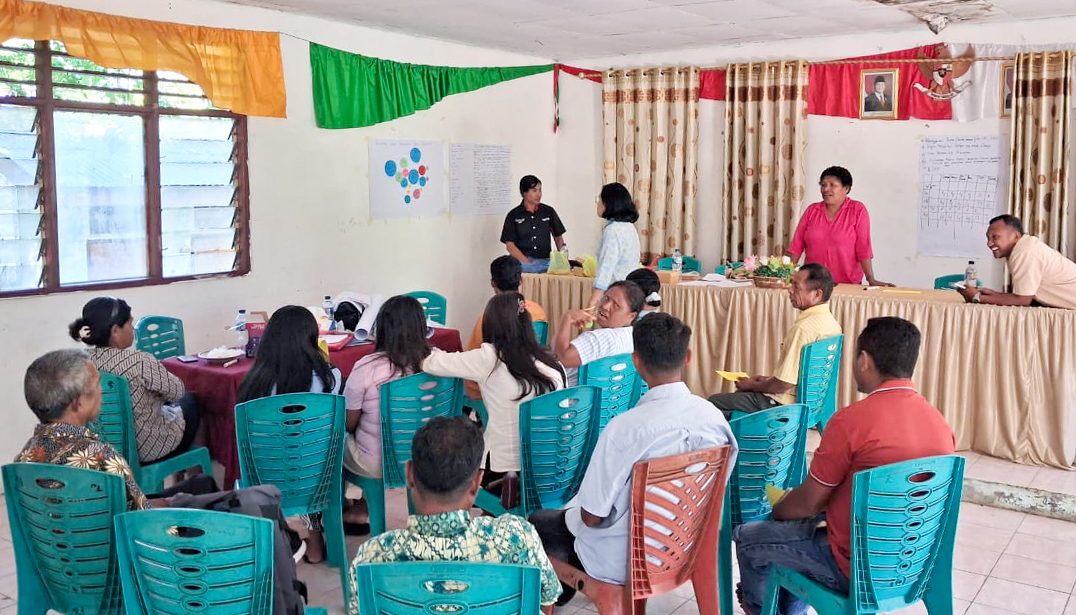
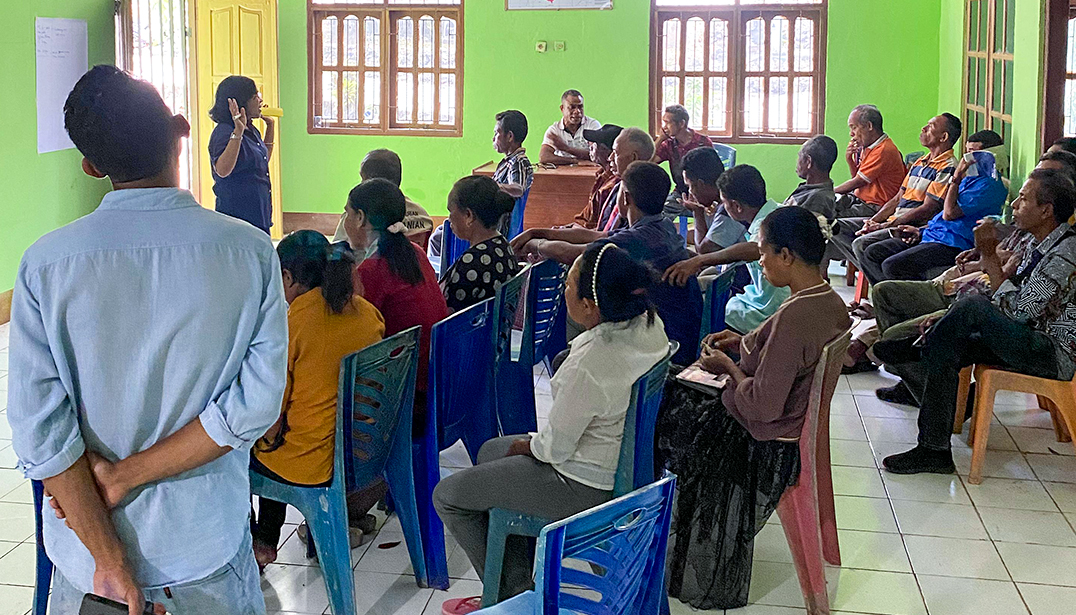
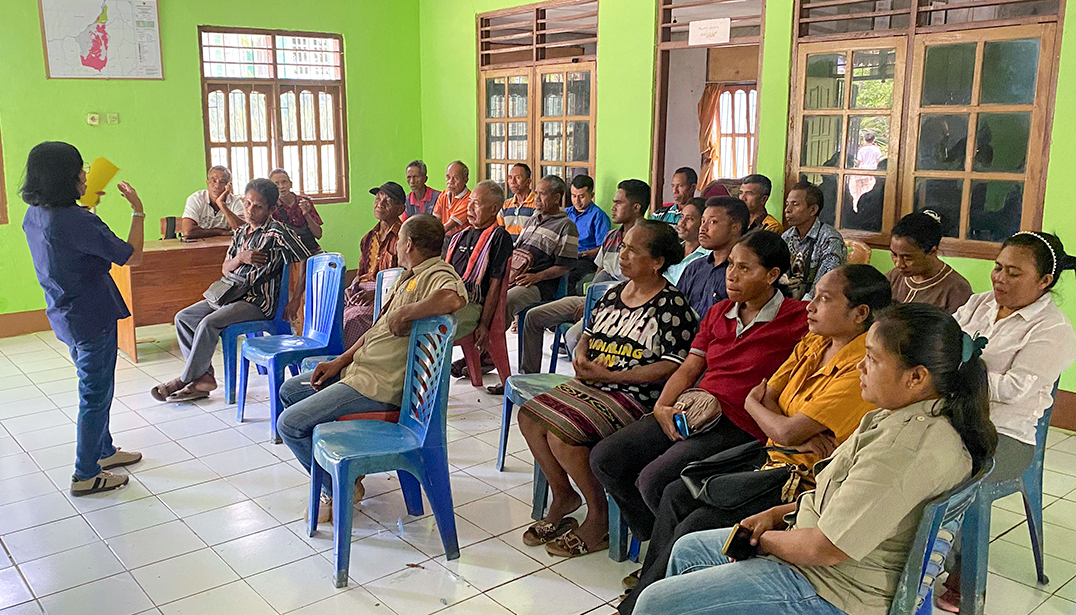
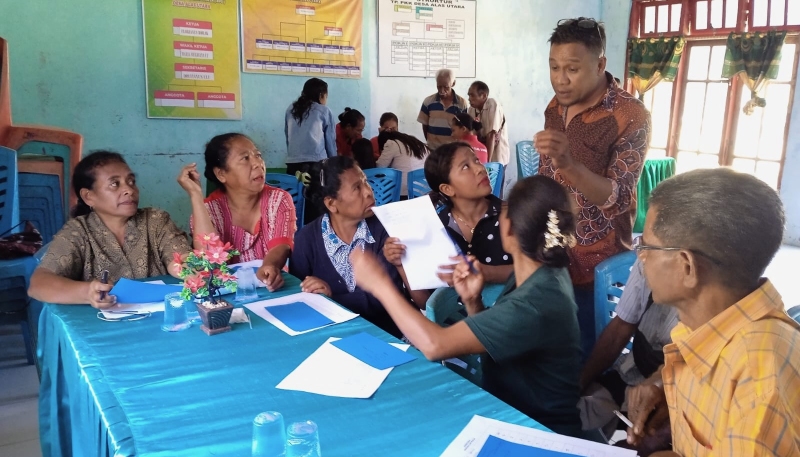
In Baudaok Village, the activity was facilitated by the Inovasi Tangguh Indonesia (InTI) team with Maria Magdalena Tahan and Jonisius Mau as co-facilitators from the Community Task Force (GTK). Through various PRA study tools, the community discusses the social, economic, and environmental conditions of the village as well as identifies the various problems they face.
For Elfrida Moin Taek, Chairperson of the Mawar Women Farmers Group (KWT), the opportunity to express opinions was the most memorable experience during the activity.
"I feel happy to participate in PRA activities because in this activity everyone is given the opportunity to express their opinions regarding the situation in the village."
Involvement as a co-facilitator also provides a unique experience for Maria Magdalena Tahan. The Secretary of Baudaok Village admitted that he had felt nervous when facilitating the study process even though he had previously participated in PRA training.
"Currently I am trusted as a co-facilitator, I feel nervous, but I relearned how to use the PRA tool because I have been trained before."
According to Maria, the process helped her understand the condition of the village more thoroughly. The same thing was conveyed by Jonisius Mau, who also serves as the Chairman of the Community Task Force (GTK) of the Talau-Loes watershed, where the use of PRA tools helps him see various problems, conditions, and potentials of the village more systematically.
"I am happy because I can know well the conditions of problems, conditions, and potential of the village, as well as support our village planning, especially in the Talau-Loes watershed."
The understanding gained during PRA is considered not only beneficial to the community, but can also support village development planning. Information about potential, problems, and the relationship between environmental conditions and community activities is an important material to see the needs of the village more fully as a basis for future planning. Through the study process, the Baudaok community identified problems related to limited water availability, the threat of landslides, plant pest attacks, livestock diseases, and limited agricultural facilities and infrastructure that affect people's daily lives and livelihoods. On the other hand, the community also maps the various potentials that villages have, especially in the agriculture, plantation, and livestock sectors. In reflecting on the activity, participants who attended from elements of regional heads, farmer groups, RT/RW, GTK, and the community said that the PRA process helped them understand the importance of cooperation, strengthening farmer groups, natural resource management, and development planning departing from the real needs of the community.
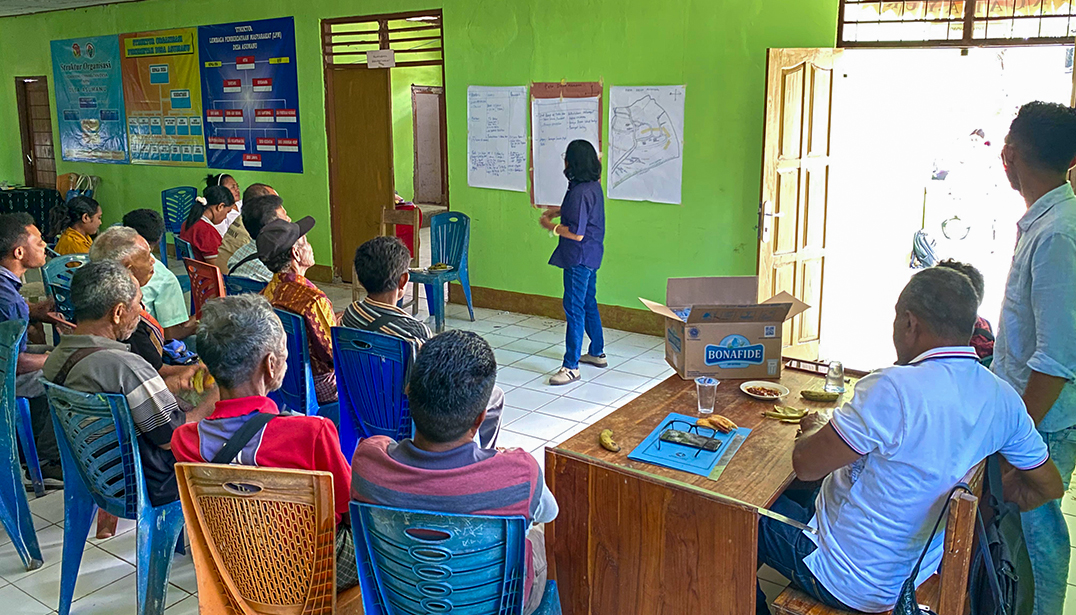
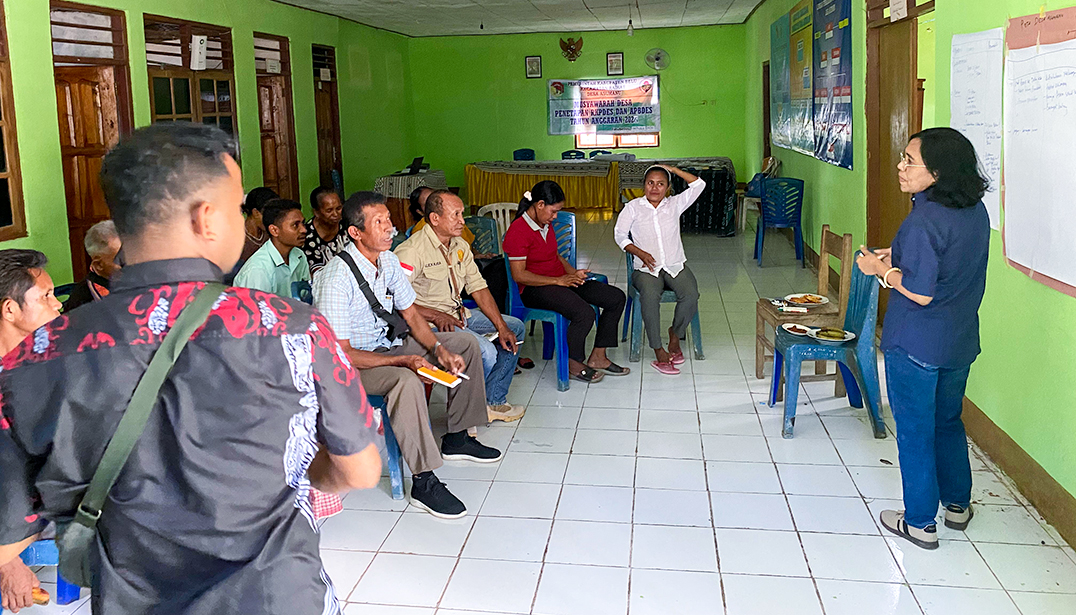
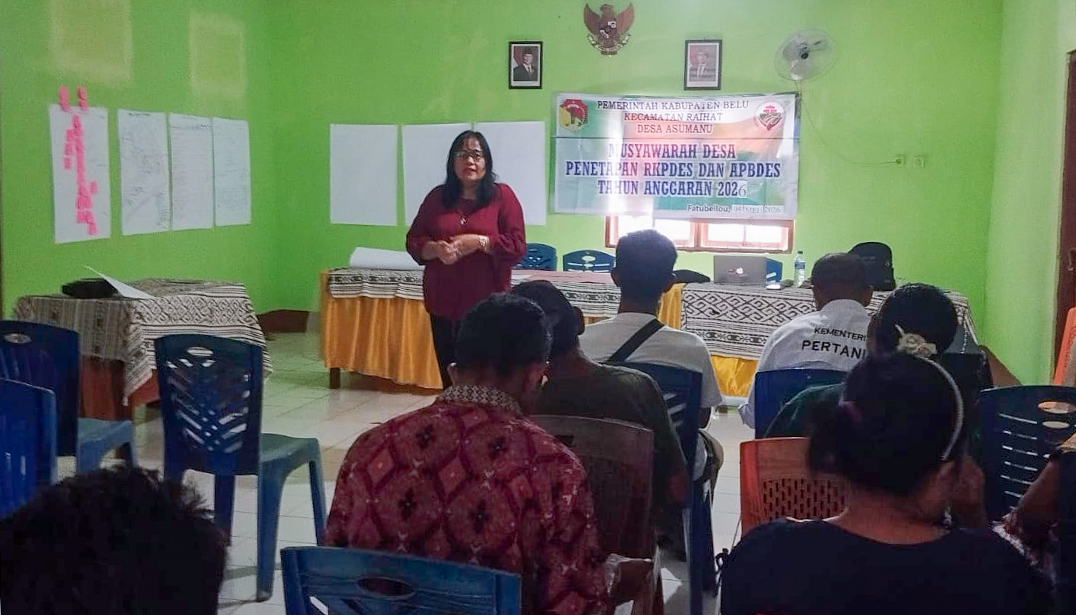
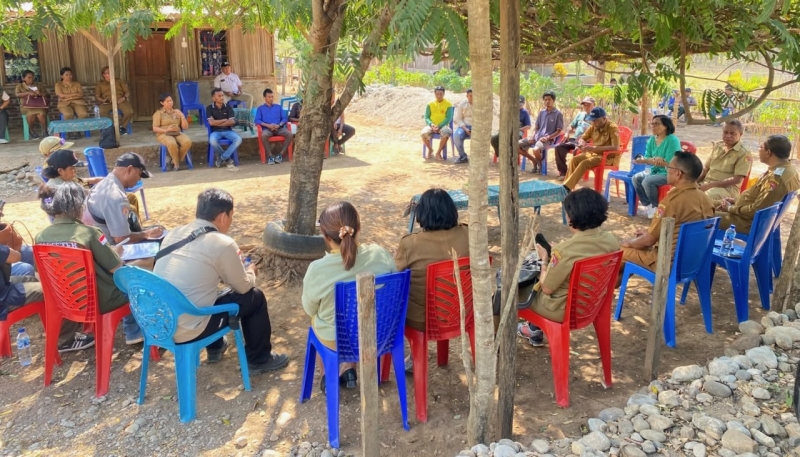
Meanwhile, in Asumanu Village, the PRA process presents a different experience. In addition to digging up various information about the current condition of the village, the community also retraced various important events that have affected their lives in the last 10 to 20 years, including landslides, floods, and high rainfall.
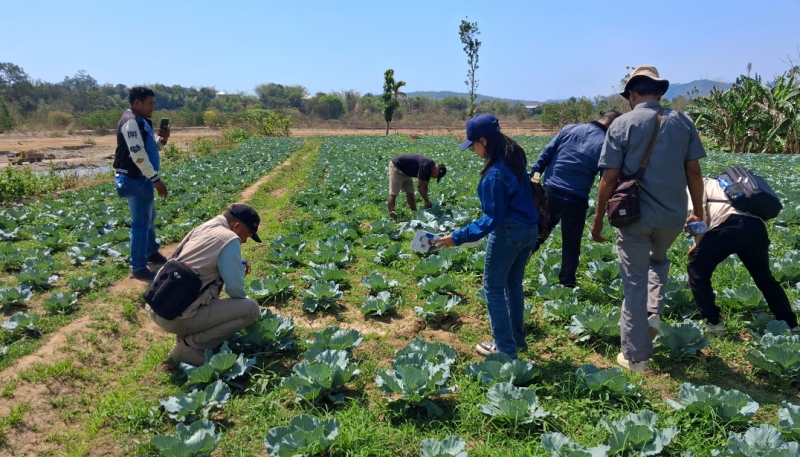
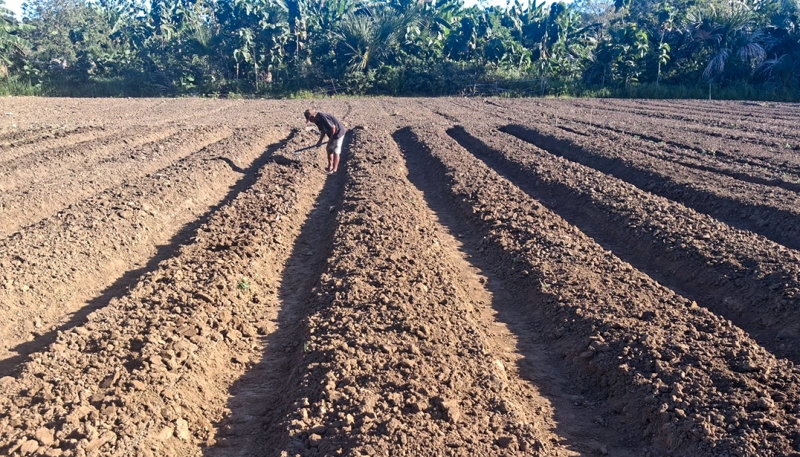
The implementation of PRA in Asumanu is inseparable from various challenges. Some of the study locations are quite far from settlements and difficult to reach. In addition, the documentation process must also adjust to local customary rules that do not allow certain sources of spring water to be published. The difference of views between community leaders and regional heads in several discussion sessions is also part of the dynamics of the study process. However, the community managed to identify a number of problems that were considered to have the most influence on their lives. In the ranking and scoring process, participants highlighted low agricultural yields, instability in commodity prices, delays in fertilizer availability, high pest and plant disease attacks, and rainfall uncertainty as issues that need attention. The community also discussed the impact of landslides that caused a reduction in agricultural land in several village areas.
These various issues are not only the subject of discussion during the activity, but are also expected to be input in the preparation of village programs and activities in the future. The discussions showed the strong link between environmental conditions, seasonal changes, and people's lives, which mostly depend on the agricultural sector.
For Gerardus Bere, a co-facilitator who also serves as the Head of the Asumanu Village Service Section, involvement in PRA provided a valuable learning experience.
"Adding new insights and knowledge about what potential exists in society, especially in the agricultural sector."
He also assessed that the PRA process helps the community directly convey various problems and potentials that they have. Therefore, the community hopes that the results of the study that have been compiled together do not stop at the discussion process alone, but can be followed up to answer the needs that they have identified.
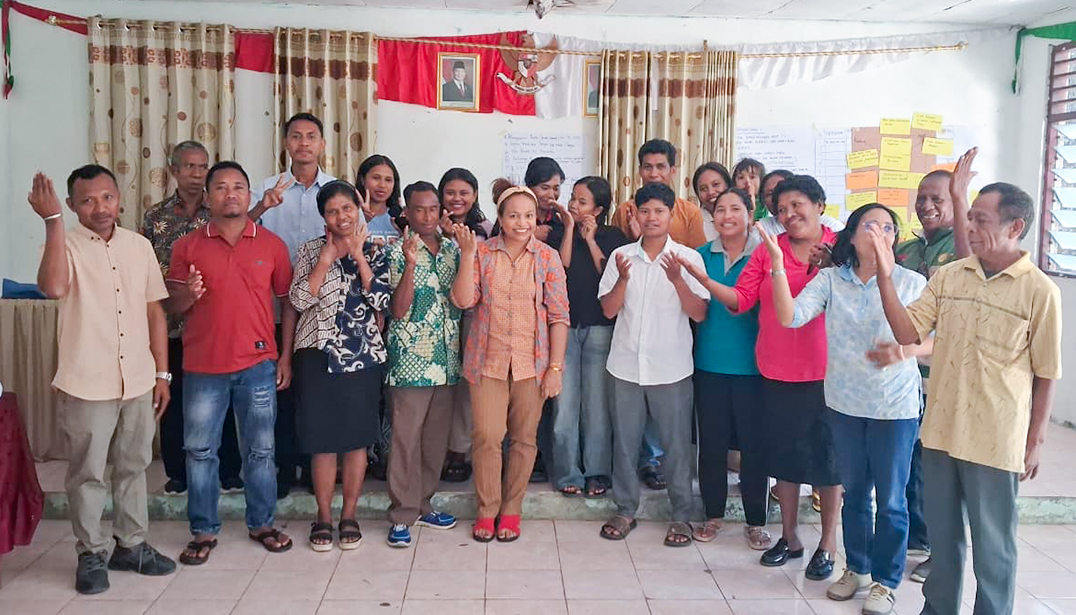
In both Baudaok and Asumanu, PRA shows that people have in-depth knowledge of their own territory. When given space to discuss, map the condition of the village, and analyze various problems together, the community is not only able to recognize the challenges faced, but also to see various potentials that can be part of village development in the future. For participants and co-facilitators, the experience is an important learning as well as the first step so that the results of the study that have been compiled together can be used in village planning and development that is more in line with the needs of the community. (InTI)