Gaining an Insight into Village Life Through the Experiences of Communities in Alas and Alas Selatan
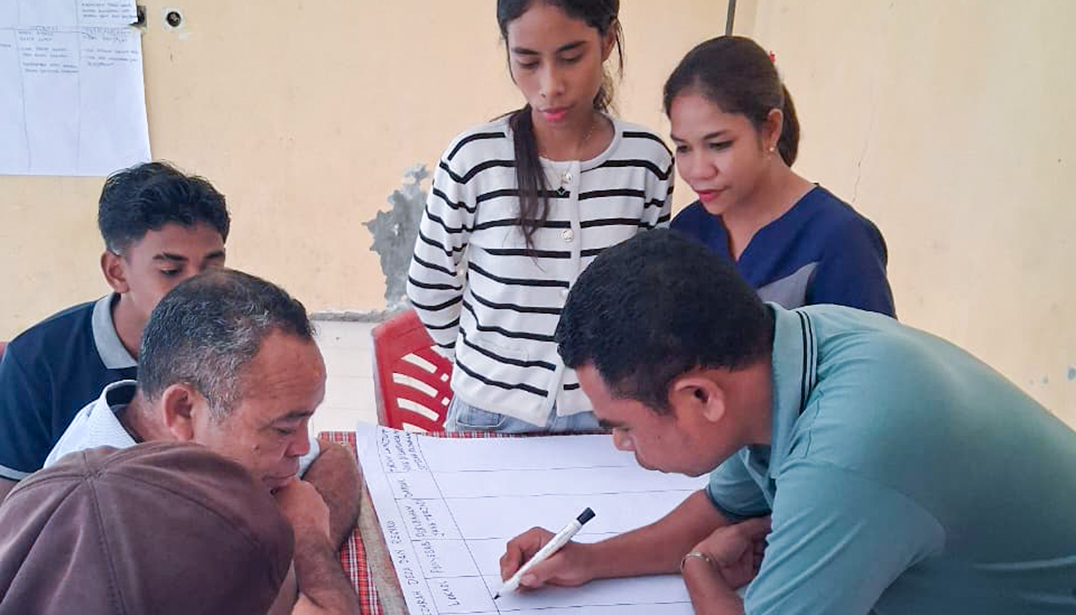
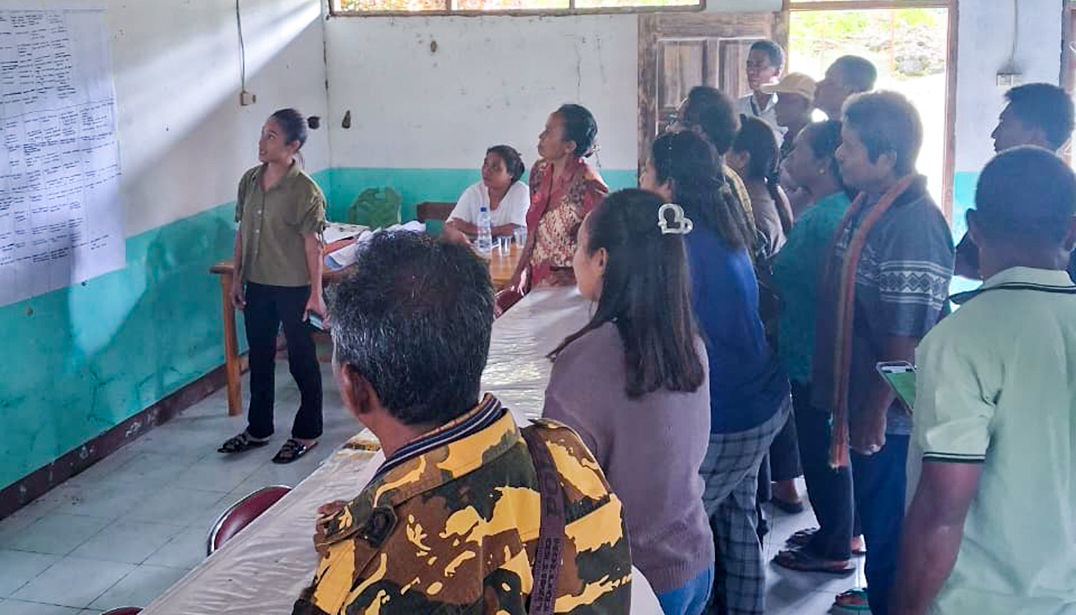
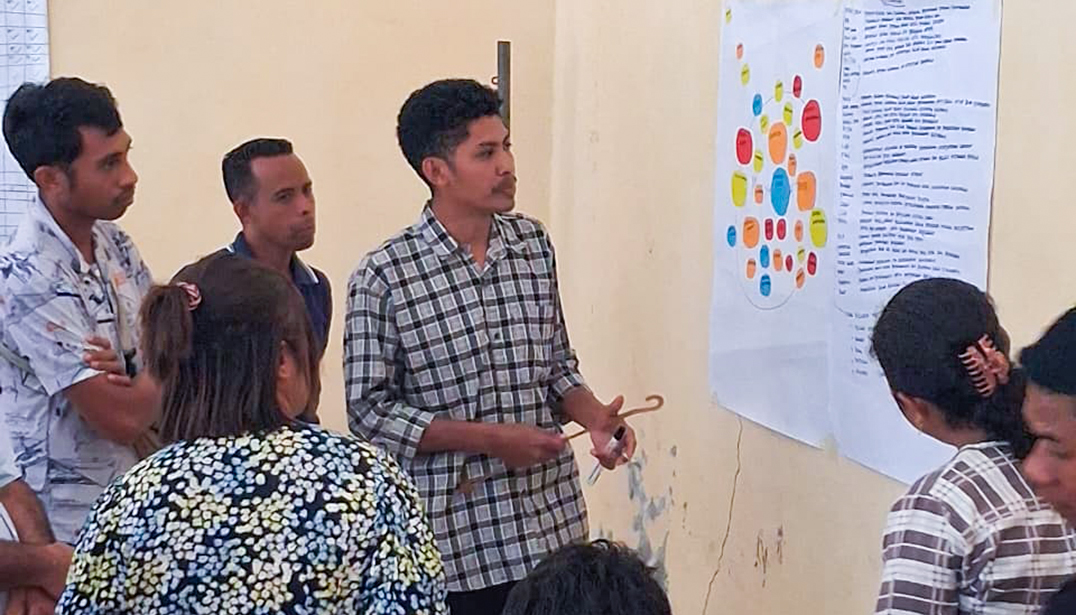
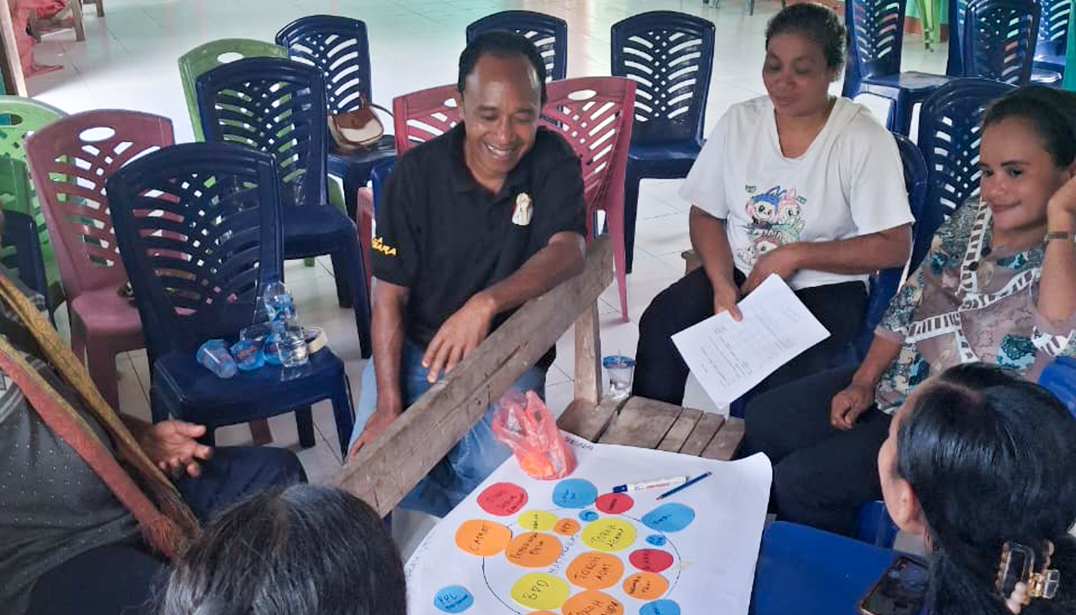
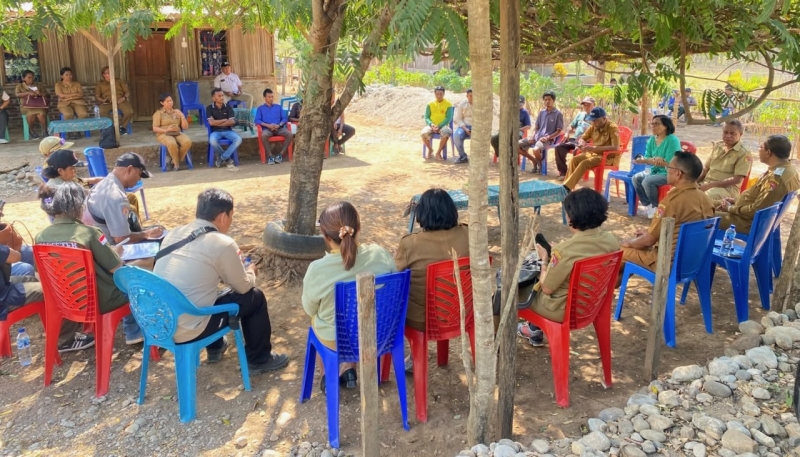
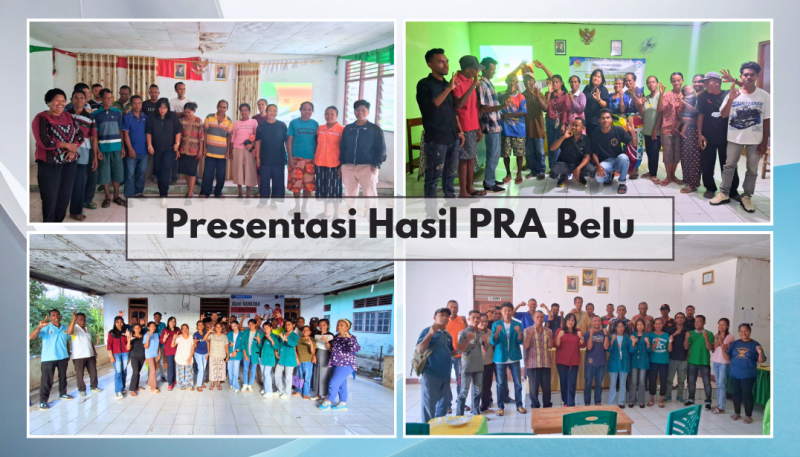
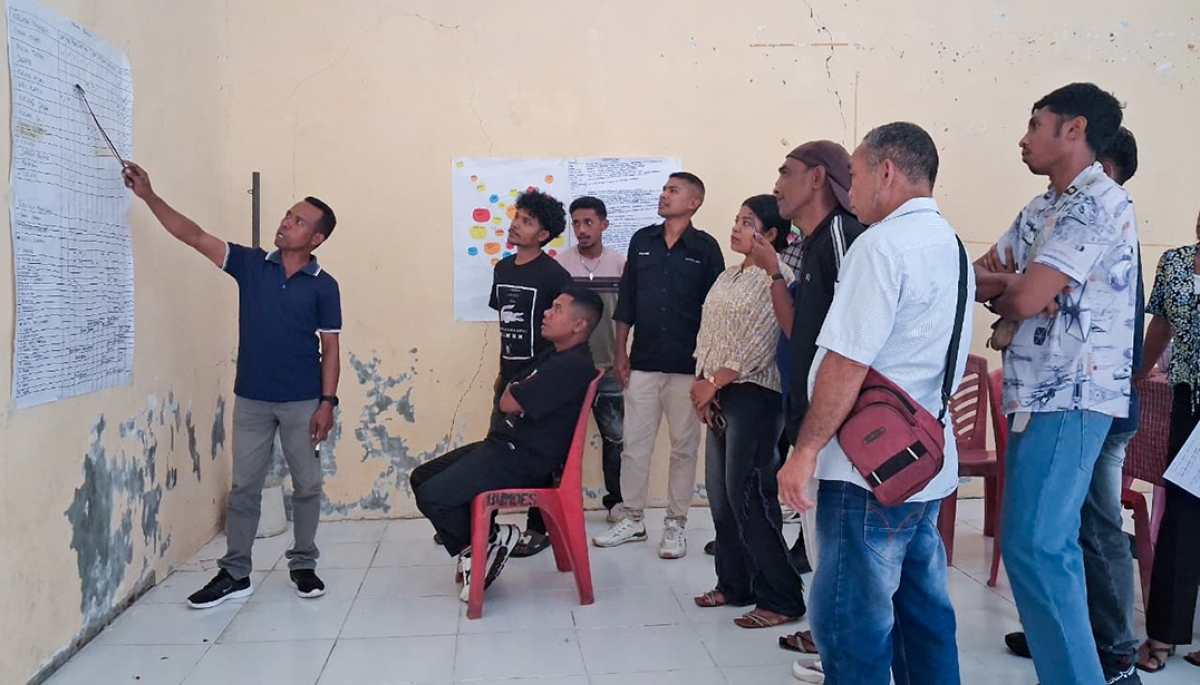
The Participatory Rural Appraisal (PRA) in Alas Village and Alas Selatan Village, Malaka Regency, served as a forum where various perspectives on their own villages came together, with the discussion occasionally featuring stories from local communities. There were participants who participated for the first time, there were also young people who began to learn to speak in forums with community leaders and village officials. During the two-day implementation on May 21-22, 2026, the community was not only invited to discuss village issues, but also recalled the changes they felt from time to time, ranging from environmental conditions, seasonal patterns, to the growing needs of the community. For some participants, the process felt different from village meetings in general where they not only heard or received information, but were directly involved in mapping the condition of the village, conveying experiences, and discussing the potential of their area. From that process, many participants admitted that they just realized that their village has problems as well as strengths that were rarely discussed together before.
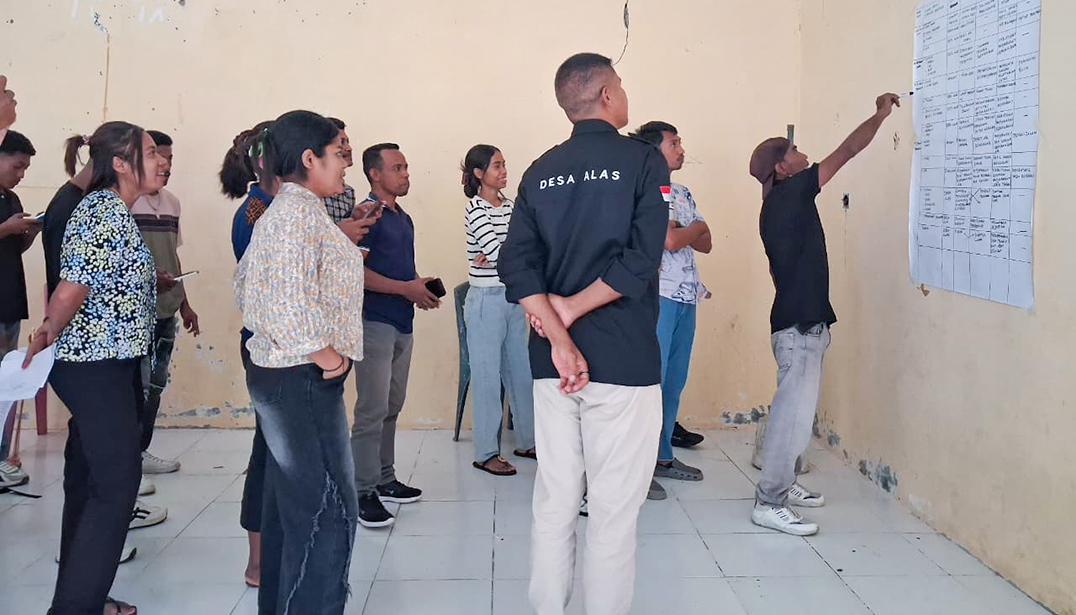
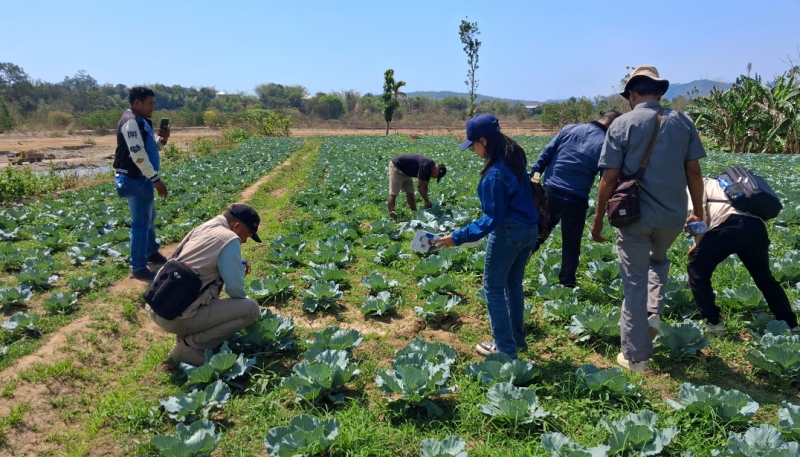
The implementation of PRA in both villages was facilitated by the Inovasi Tangguh Indonesia (InTI) team together with co-facilitators from the Community Task Force (GTK). In Alas Village, the mentoring process was carried out with Patrisius Berek and Angeria S. Iku, while in Alas Selatan Village it was accompanied by Alfonsius Mau and Karolina Bete. For two days, the study process was carried out through group discussions, interviews, and interactive dialogues to explore various information about village conditions. As in other villages, various PRA study tools are used in the process, ranging from village transects, village maps, village history and risk history, seasonal calendars, problem trees, to institutional Venn diagrams.
In Alas Village, the presence of young people in the study process is a fairly prominent aspect of inclusion. Most of the participants who attended were young and actively involved in the discussion process. Their presence is considered to have a positive impact because the PRA process is not only a discussion space for young people, but also a learning space for them to get to know the village area better and understand how they can participate in planning programs based on the problems and needs of the community.
"This PRA allows us to understand the problems as well as the hidden strengths or potentials that the village has and can determine activities according to the needs of the community," said one of the co-facilitators when expressing his impressions after the activity.
For the co-facilitators in Alas Village, involvement in PRA is also a challenge because most of them are getting to know PRA for the first time and facilitating discussions with the community. Likewise, most of the participants participated in the group discussion process and PRA study dialogue for the first time. However, precisely from this experience, the participants felt that they began to understand how to look at village problems in a more structured and participatory way. The co-facilitators also said that the various PRA tools learned during the activity can be reused in the Village Deliberation process in the future. They hope that the results of the PRA study can later be submitted to the village government so that it can be used as a reference in the preparation of programs and Musrenbang the following year.
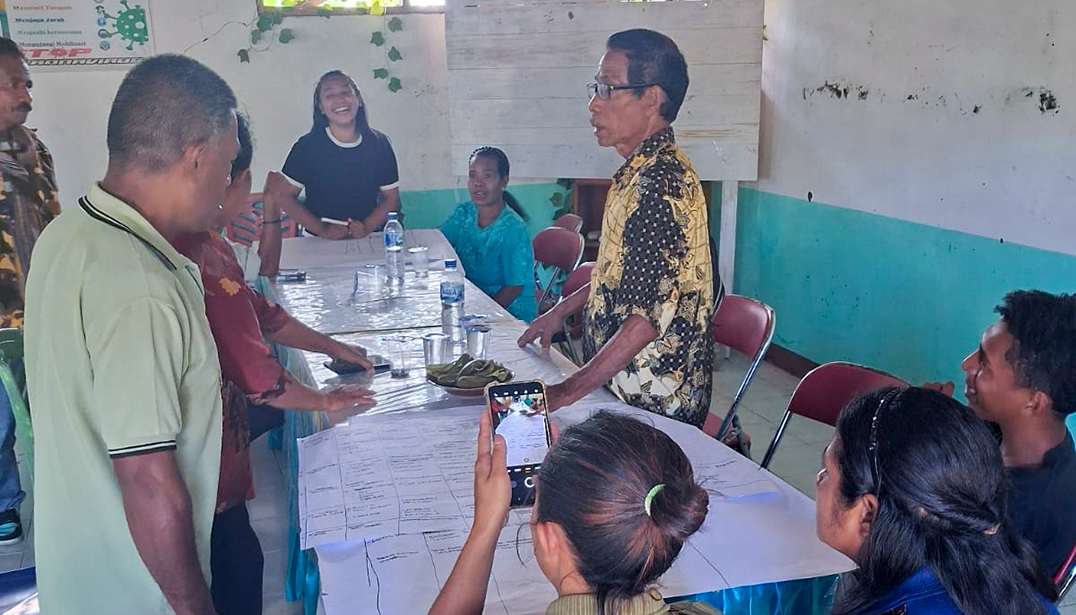
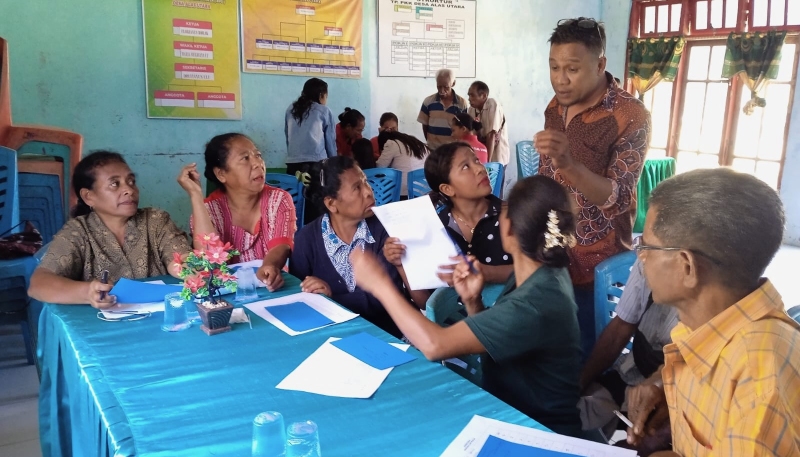
Meanwhile, in Alas Selatan Village, the PRA process is a space that brings together experiences between parents, young people, and village officials in looking back at the changes in their villages. The discussion took place quite actively because the participants came from various community groups and brought different experiences about the condition of the village area.
"The PRA study facilitated by InTI and co-facilitators made us as parents and young people begin to understand the condition and existence of our village area, such as problems, potentials, and the involvement of several components in our village," said the participants during the activity reflection session.
For the people of Alas Selatan Village, PRA helps them look back at the development of the village over a long period of time, including the changes that have occurred in the last 20 years to the current condition of the village. The involvement of parents and young people in the discussion process is also considered important because it helps the village government get a more complete picture of the needs of the community in each hamlet across generations. However, the co-facilitators in Alas Selatan Village admitted that they still faced challenges because they had not fully mastered the PRA and were facilitating the study process with the community for the first time. However, this experience actually became a new learning space for them to understand how to build participatory discussions at the village level. Participants and the Alas Selatan village government hope that the results of this PRA study will not stop as a mere discussion process but can also be used as a basis for community empowerment activities, Village Musrenbang (Development Planning Consultation), and the preparation of village fund programs to be more in line with the conditions and needs of the community.
In Alas and Alas Selatan Villages, PRA is finally understood not only as a method of study or data collection but also as a shared experience that helps people learn to talk about their own villages, hear the experiences of other residents, and understand that every change or problem that occurs in the village can be a learning material to determine the direction of development in the future. For the co-facilitators and participants, the first experience of facilitating discussions, expressing opinions in forums, and trying to understand various PRA tools is actually an important part of the learning process.
The expectations that arise from the communities in the 2 villages above are simple, namely that the results of the study that have been compiled together can really be used in the process of planning village development and community empowerment activities. For them, understanding the village is not only about seeing the problems that exist today, but also about preparing steps that are more in line with the needs of the community in the future. (InTI)