Refresher of PRA with GTK of the Talau-Loes watershed in Belu Regency
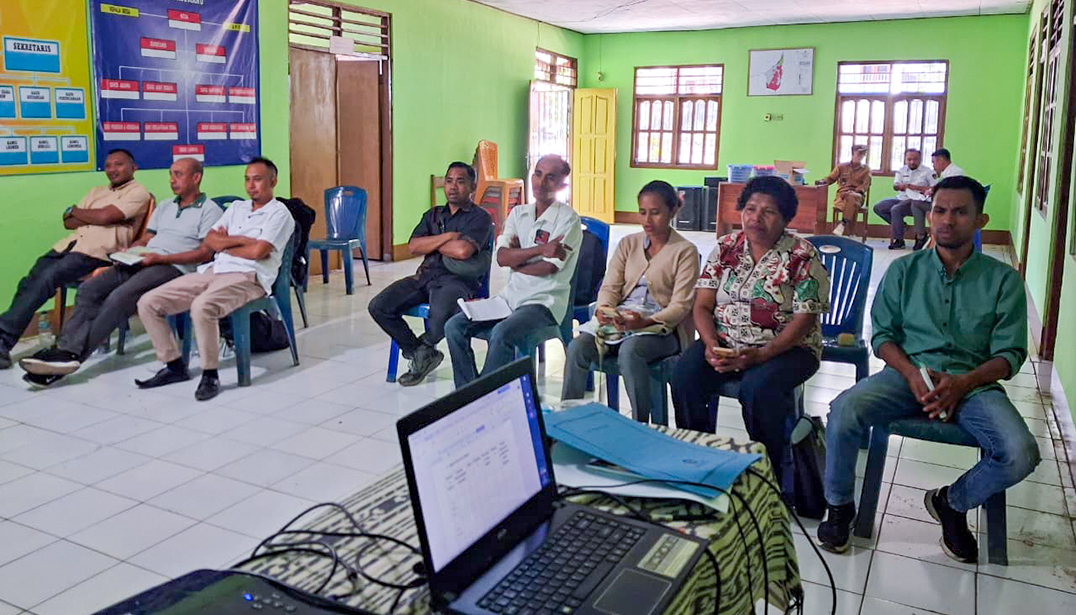
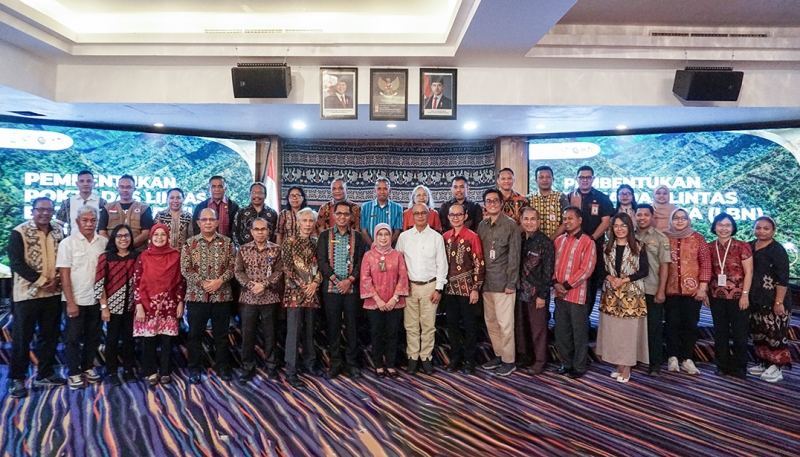
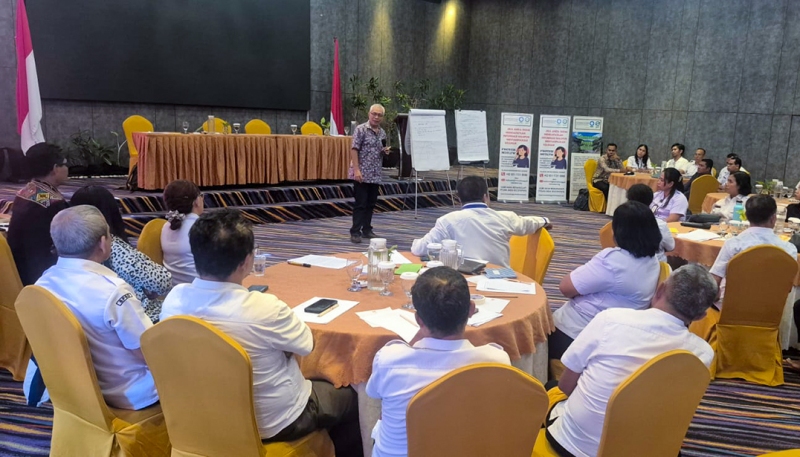
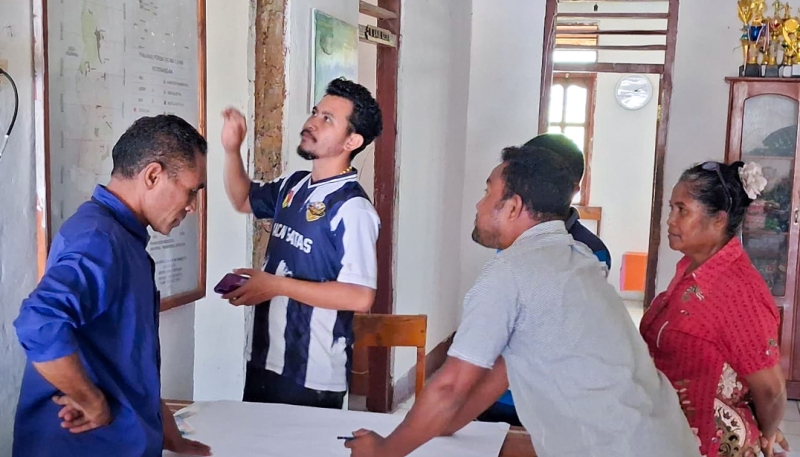
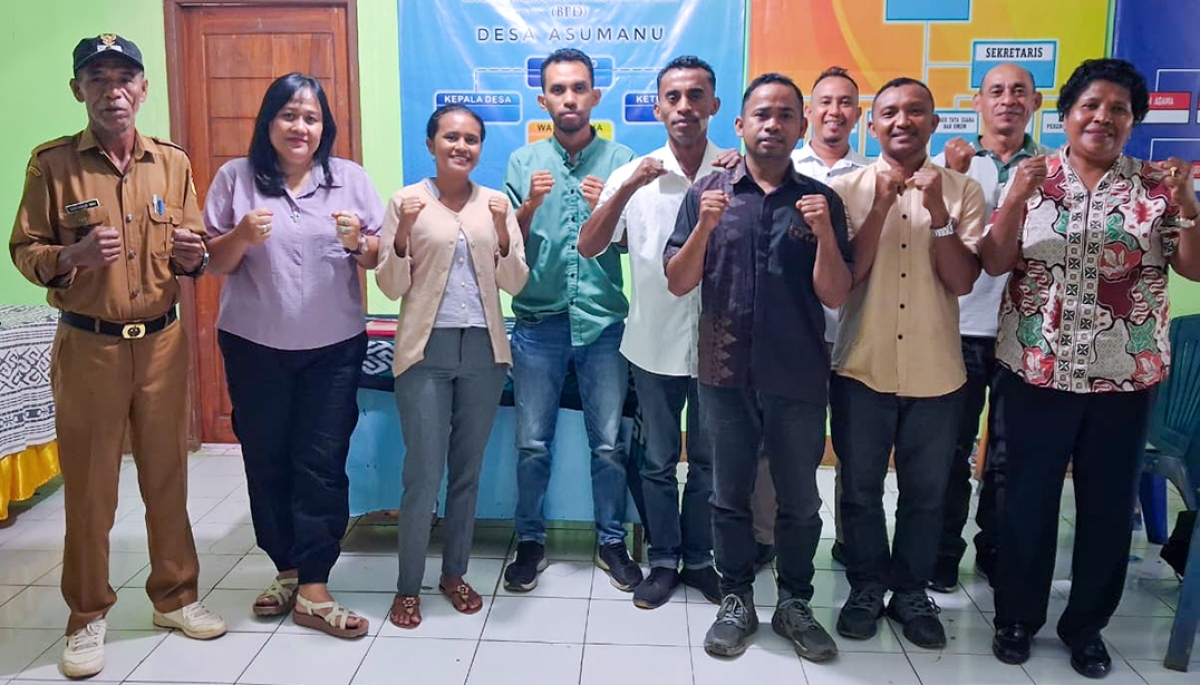
After the series of Participatory Rural Appraisal (PRA) in Malaka Regency was carried out in mid-May 2026, a similar process was then continued in Belu Regency for the Talau-Loes watershed area. The refresher and coordination meeting of the Community Task Force (GTK) co-facilitators in Belu Regency was held on Monday, May 25, 2026, at Asumanu Village and involved GTK members appointed as co-facilitators from each village, namely Flavianus Lau and Petrus Lisu from Tohe Village, Marita Da C. Pires and Fabianus Mali from Maumutin Village, Adrianus Bere and Geradus Bere from Asumanu Village, and Maria Magdalena Tahan from Baudaok Village. Also present was Jonisius Mau as the Chairman of GTK Belu Regency who will also assist the PRA facilitation process in Baudaok Village.
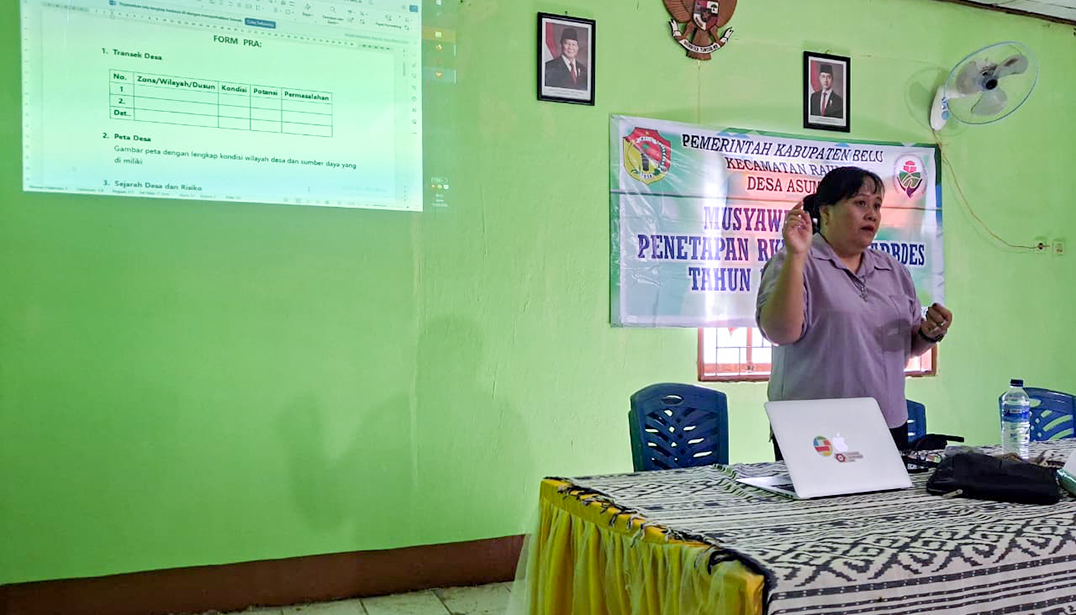
This activity is a chance to refresh the co-facilitators' understanding of PRA study methods and tools that have previously been studied in training in April 2026. In addition to deepening technical understanding, this process is also part of the preparation for the implementation of PRA in each village so that the process of data mining and discussion with the community can run more targeted and participatory. In the meeting, the facilitator emphasized the importance of the role of facilitators and co-facilitators in the PRA process. Facilitators are not only tasked with guiding the course of discussions, but also act as an empowerment, information digging for, as well as mediating in keeping the dialogue process inclusive and focused on common goals. Meanwhile, GTK members who are co-facilitators are expected to help the data mining process at the group level, document important information, and ensure that the public feels comfortable to convey their views and experiences.
Facilitated by Augustinna Tuty Indrawaty and Lydiana Taek from Inovasi Tangguh Indonesia (InTI), the participants again learned about various PRA study tools that will later be used in the field, such as village transects, village mapping, village history and risks, seasonal calendars, problem trees, ranking and scoring, and institutional venn diagrams. These various tools will help the community describe the condition of the village, recognize the potential and problems, and determine the priority of needs based on their own experience. Although some of the co-facilitators admitted that they still face challenges, especially because they are not used to speaking in front of the public and are still in the process of understanding the material more deeply, they believe that their involvement in PRA is an important learning experience. In the discussion, several GTK members said that their involvement as co-facilitators became a new space to learn to perform at the forum as well as understand the condition of the village more comprehensively.
"I am happy because it is a learning place to be able to appear at the forum," said one of the GTK members during the activity reflection session. Other participants also said that the PRA process helped them better understand the potential of the village, recognize the problems faced by the community, and map solutions and priority needs together.
In addition to strengthening technical capacity, this activity also reaffirmed the importance of the role of facilitators in maintaining a participatory and inclusive discussion space. In the PRA, the facilitator not only guides the course of the study, but also acts as a motivator so that the community is actively involved in analyzing the conditions of their own area. Meanwhile, co-facilitators from GTK are expected to be able to support the group discussion process, bridge information in local languages, document important information, and help encourage and ensure that every community voice can be represented in the data mining process. Through this participatory approach, the process of managing cross-border watersheds is expected not only to produce data and recommendations for activities, but also to strengthen the capacity of village communities in understanding and responding to problems in their own areas. (InTI)