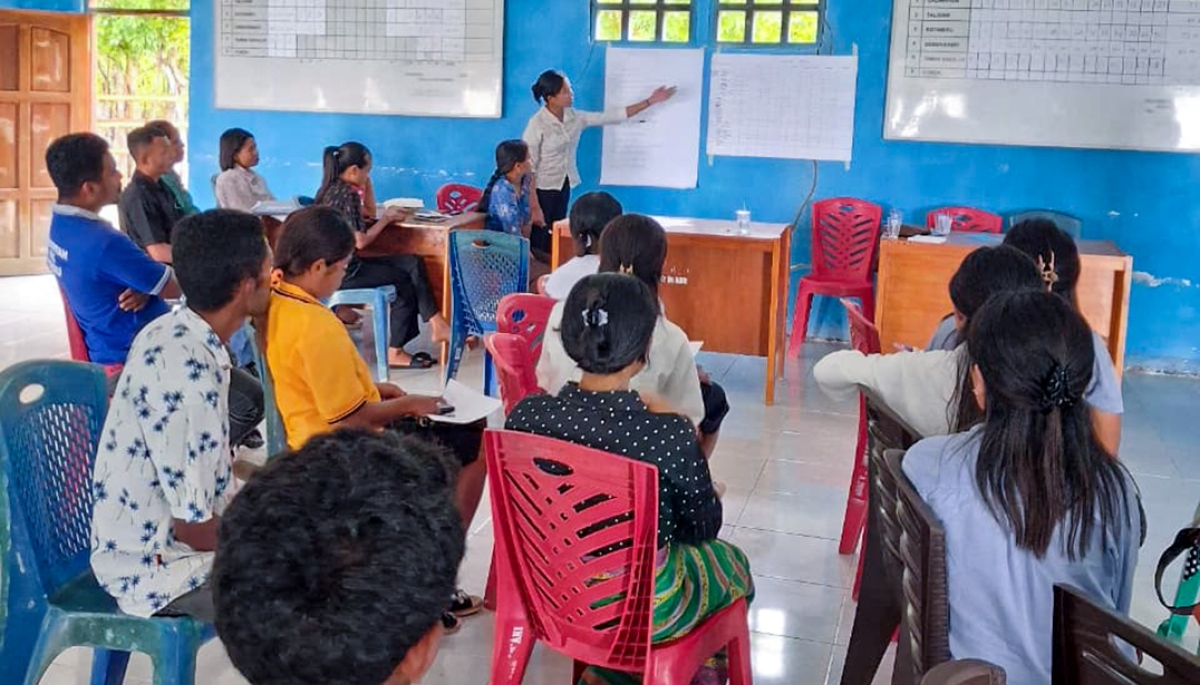
Getting to know Kotabiru and Alas Utara better through PRA
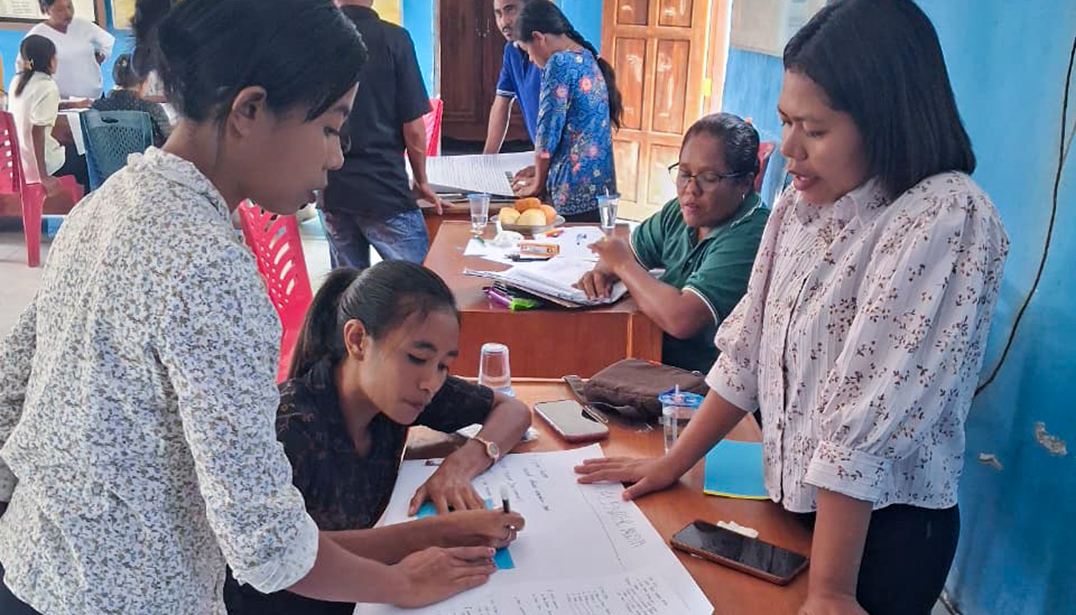
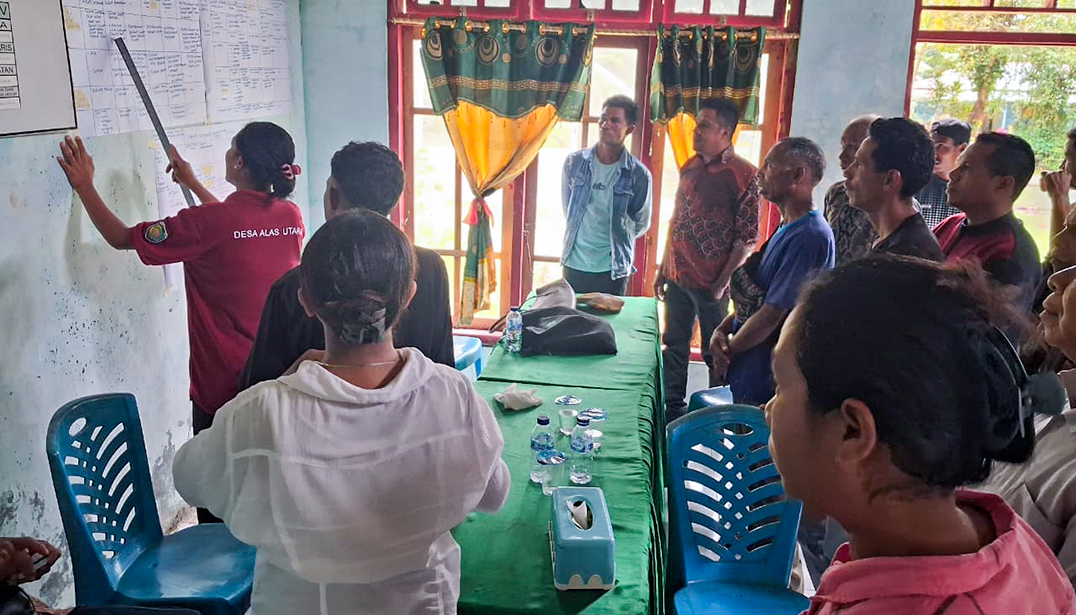
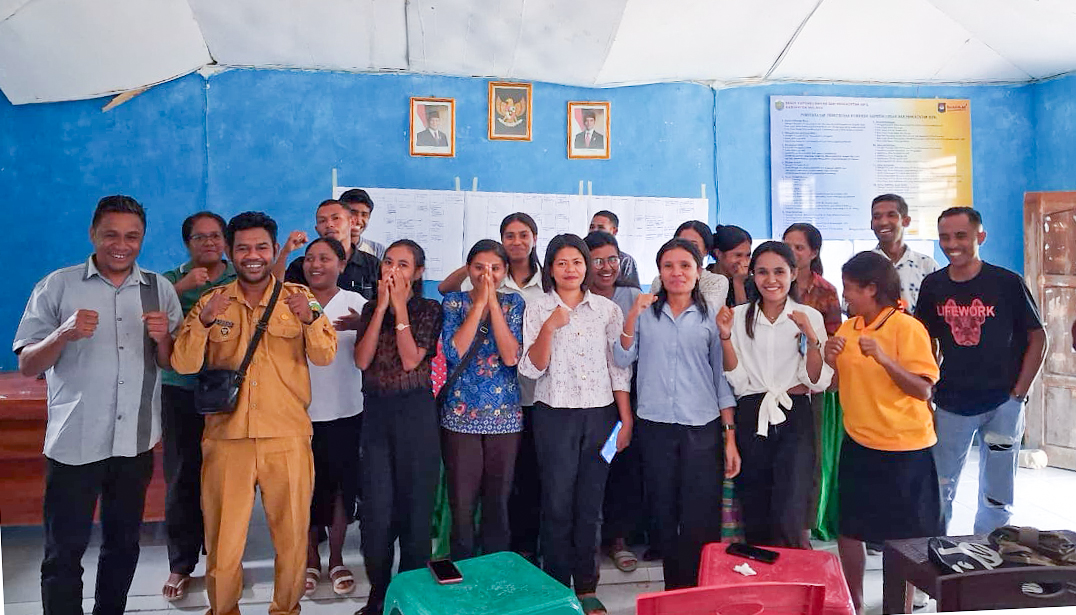
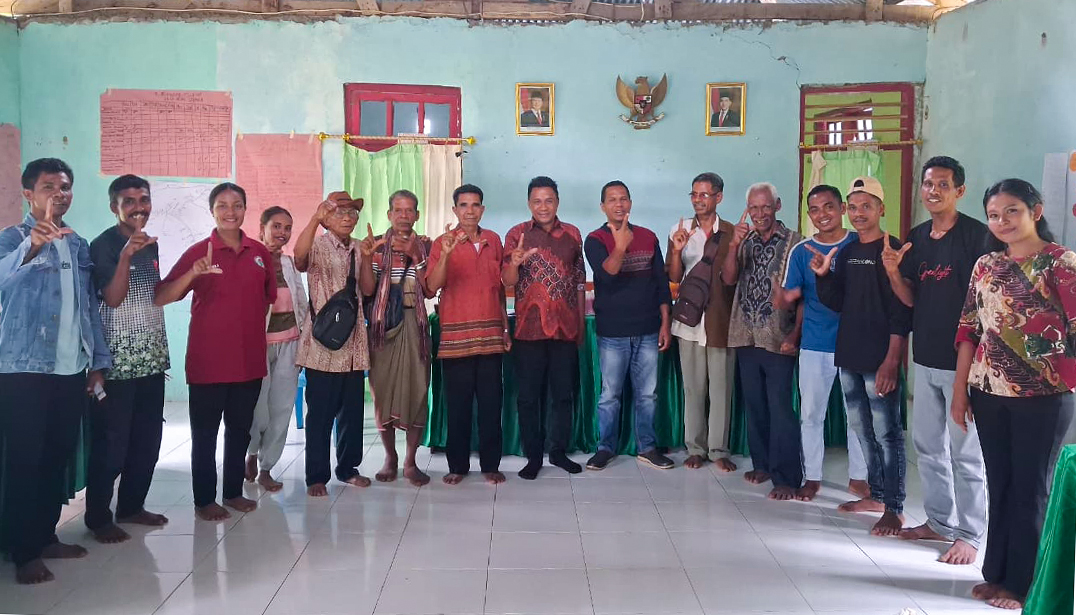
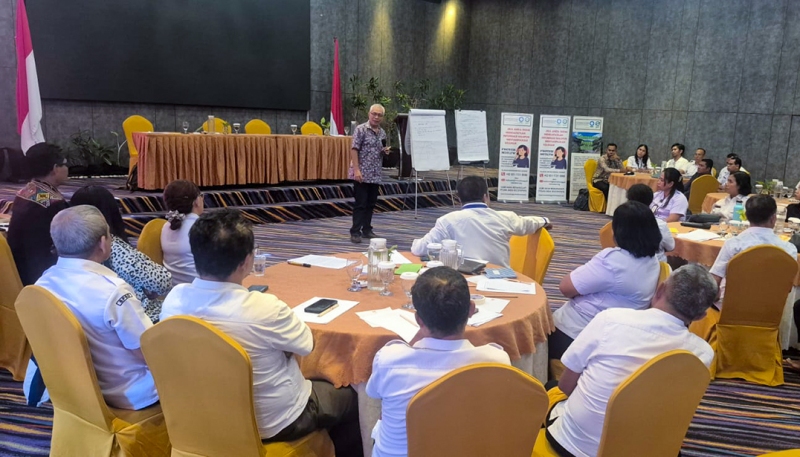
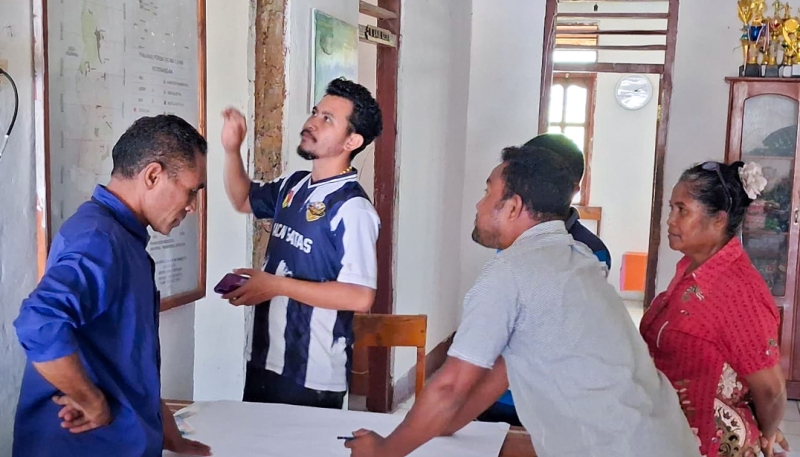
The atmosphere of the discussion was lively during the implementation of the Participatory Rural Appraisal (PRA) on May 19-20, 2026 in Kotabiru Village and Alas Utara Village, Malaka Regency. Residents from various elements of society sat together to share stories about the condition of their villages, recalling the changes that have occurred over the years in their villages, to talking about the problems that are still faced in daily life. For some participants, this process is not just a discussion forum, but a space to better understand their own village from various perspectives.
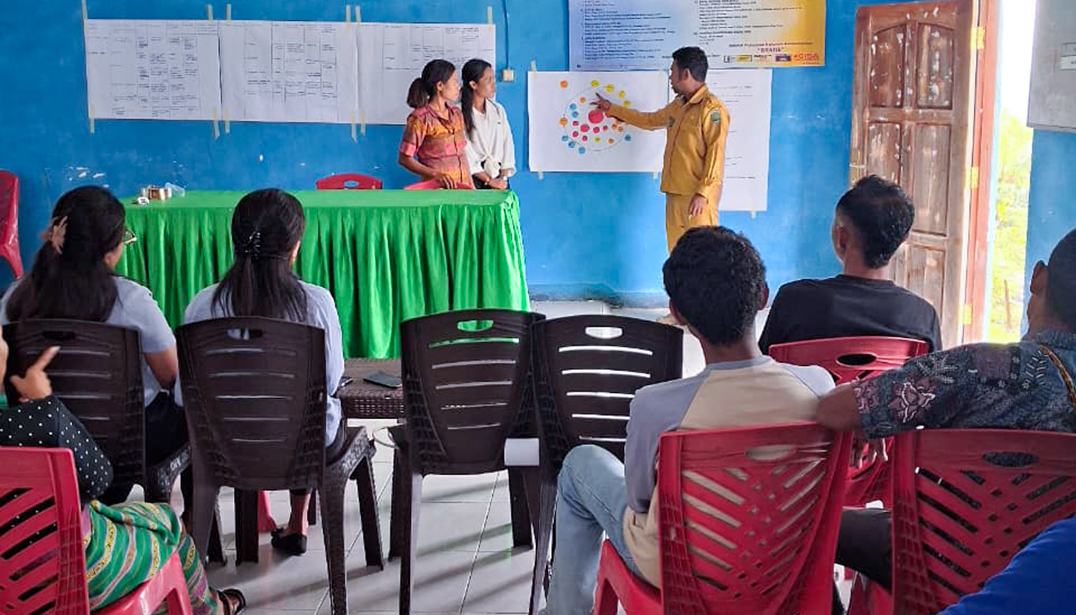
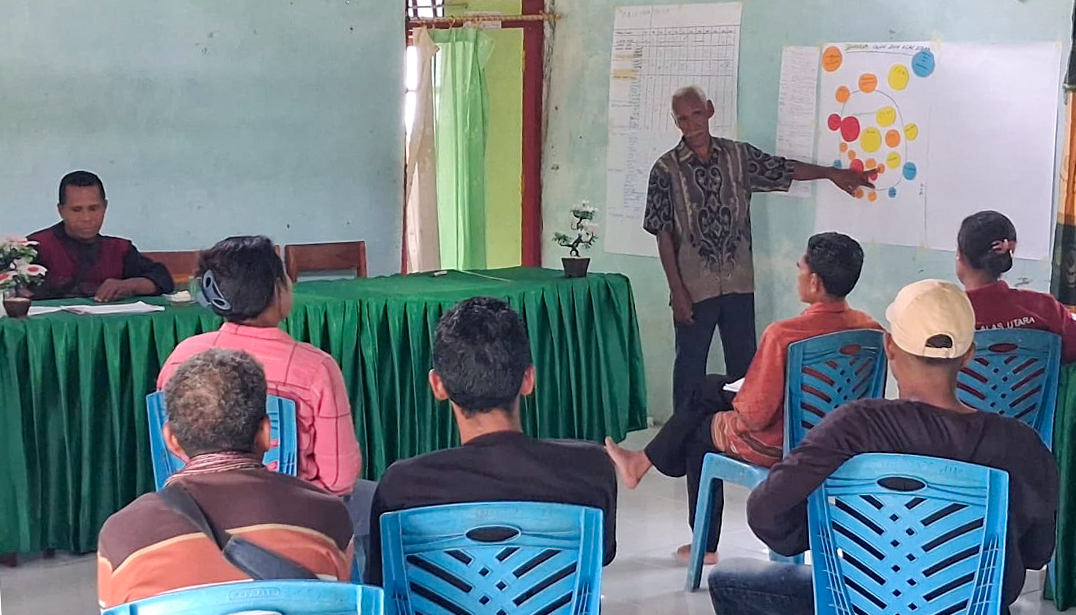
The implementation of PRA in both villages was facilitated by Augustinna Tuty Indrawaty and Welem Andi Tana from Inovasi Tangguh Indonesia (InTI), together with co-facilitators from the Community Task Force (GTK). In Kotabiru Village, the mentoring process was carried out with Simon Letto and Vitalis Berek from GTK Talau-Loes Watershed, while in Alas Utara Village accompanied by Ferdi Loes Resensi Lau and Desiana Gusmau from GTK Mota Masin Watershed. For two days, the community followed the study process through group discussions, interviews, plenaries, and the use of various PRA study tools to help map the condition of the village, recognize changes that have occurred, and identify problems felt by the community.
Although the methods used in both villages are relatively similar, the dynamics and experiences that emerged during the process showed a different character in each village. In Kotabiru, the involvement of youth was one of the things that was most felt during the discussion. Most of the participants who attended were young and actively involved in the study process.
"It is a new experience for us to explore the condition of the village area as well as learn to see the relationship between community problems and village development planning," they said.
The discussion in Kotabiru was quite open and interactive. The existence of co-facilitators from GTK who use local languages is considered to help participants be more comfortable in conveying their experiences and views. However, the role of a co-facilitator is also a challenge in itself. Simon Letto and Vitalis Berek admitted that this was their first experience of facilitating the PRA process directly with the community.
"We will also use this study for the Musrenbang process in the village," said the co-facilitators when expressing their impressions after the activity.
They also expressed their gratitude to the TIWA program facilitated by InTI for providing a learning space as well as an opportunity for GTK members to be directly involved in the facilitation process at the village level.
For the Kotabiru Village Government, the PRA process helps open up a space for discussion that has rarely been done in depth at the community level. Simon Letto, who also serves as the Head of Kotabiru Village, said that during the study process, many village problems emerged and were discussed openly by the community.
"The results of this kind of study can be an important basis in the preparation of future village development planning," Simon said.
The village government also hopes that similar activities can continue to be carried out because they are considered to be able to present a concrete picture of the condition of the community in the field. In fact, the results of the PRA study are planned to be submitted to the Agriculture Office as part of efforts to encourage follow-up and assistance which has been considered to be minimal in Kotabiru Village.
Meanwhile, in Alas Utara Village, the PRA process became a shared learning space that brought together various community experiences about village changes in recent years. The participants who attended came from various backgrounds, ranging from traditional leaders, community leaders, women, young people, to village officials and former village officials who have long experience in the development of their regions.
The existence of co-facilitators from the village community itself makes the discussion process more fluid and open. The use of local languages helps participants more easily convey their experiences and views. The diversity of participants' experiences made the discussion richer because each group brought a different perspective on social conditions, the environment, and the changes felt by the community.
Desiana Gusmau, one of the co-facilitators in Alas Utara Village, admitted that she learned a lot during the process.
"One of the biggest challenges is when compiling the seasonal calendar, especially when participants try to recall the pattern of the seasons and harvest periods five to ten years ago which are now starting to change," said Desiana.
He also highlighted the process of compiling a venn diagram, where the community sees the role of the village government as the institution that benefits the most.
"And it is all a good learning, you can learn from the facilitator team," added Desiana when expressing her impression after the activity.
The same thing was also felt by Ferdi Loes Resensi Lau who admitted that he was still learning how to facilitate participants and convey the results of the discussion to the public during the presentation. Despite facing challenges, their involvement as co-facilitators has actually become a new experience.
"This experience helped me build the confidence to be more actively involved in the community," said Ferdi.
The Alas Utara Village Government considers that the results of the PRA study can be an important material in supporting future village development planning. According to the village government, this process helps to see the condition of the village not only from the aspect of physical development, but also from the perspective of human resources, natural conditions, and the needs of the community more comprehensively. The village government even sees this approach as being able to be applied in the development planning process at the hamlet and village levels in the future, including in Hamlet Musrenbang (Development Planning Forum) activities.
For the people in Kotabiru and Alas Utara, PRA is more than just a data collection process. This activity is a common space to listen to each other, understand the changes that are happening in the village, and start thinking about solutions and development steps based on the community's own experiences and needs. (InTI)