Mapping Conflicts, Building Collaboration in the Talau–Loes Watershed
Belu, June 9, 2026 — When it comes to watershed management, what comes to mind is often rivers, forests, or water resources. But behind that, there are various interests, social relations, and potential conflicts that can affect the sustainability of natural resource management. Even more so when the watershed crosses the border of two countries.
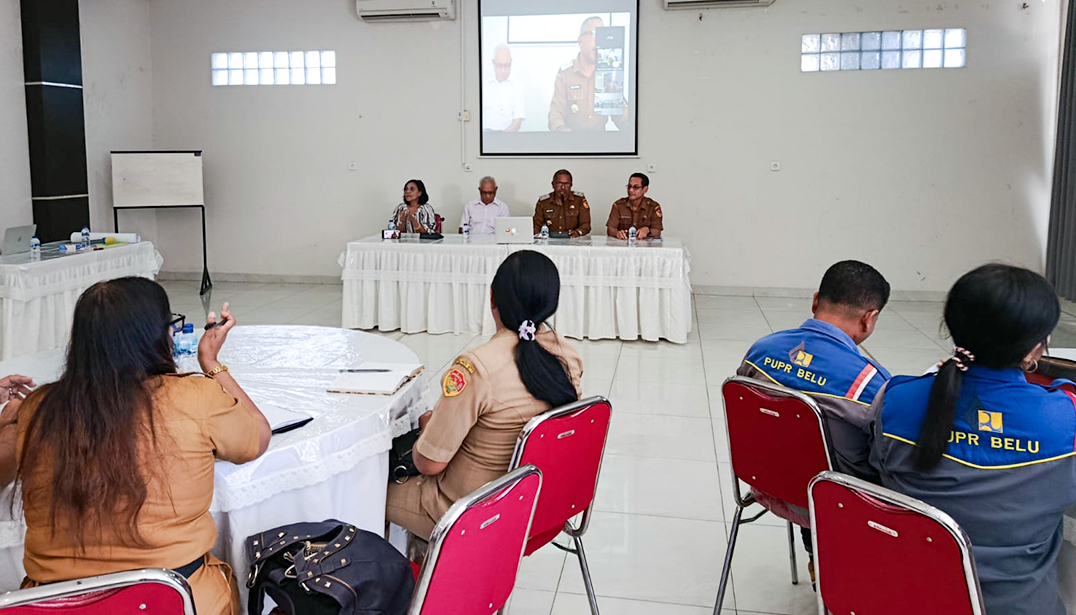
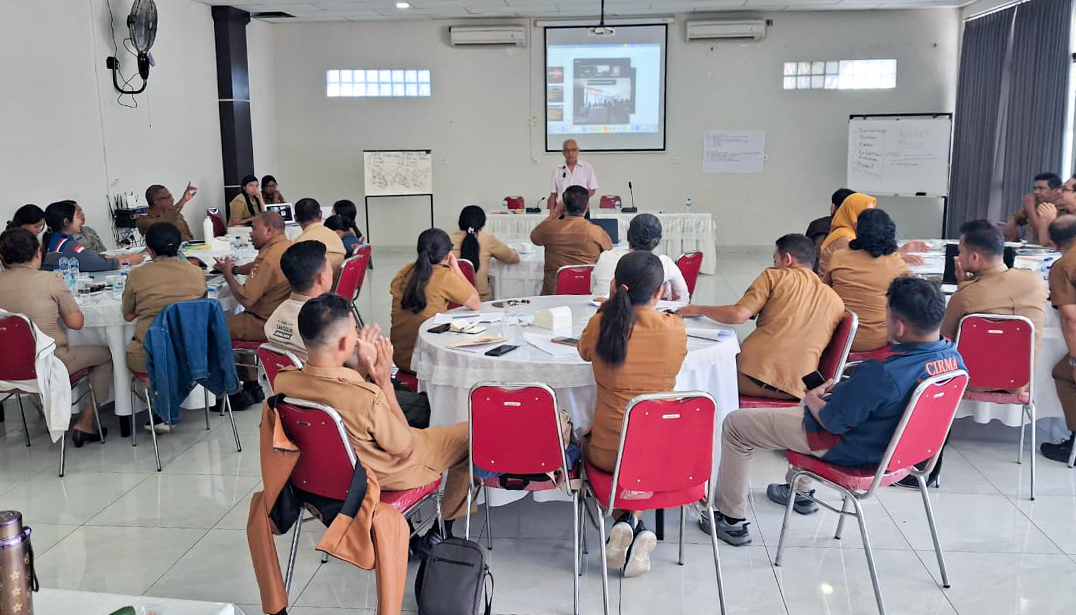
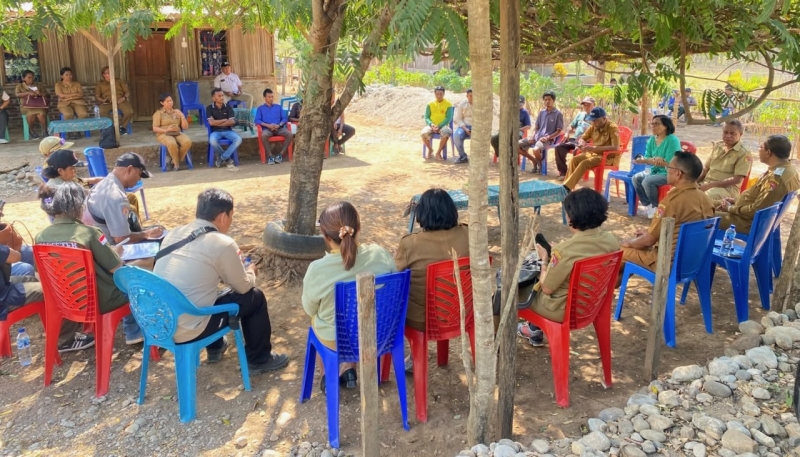
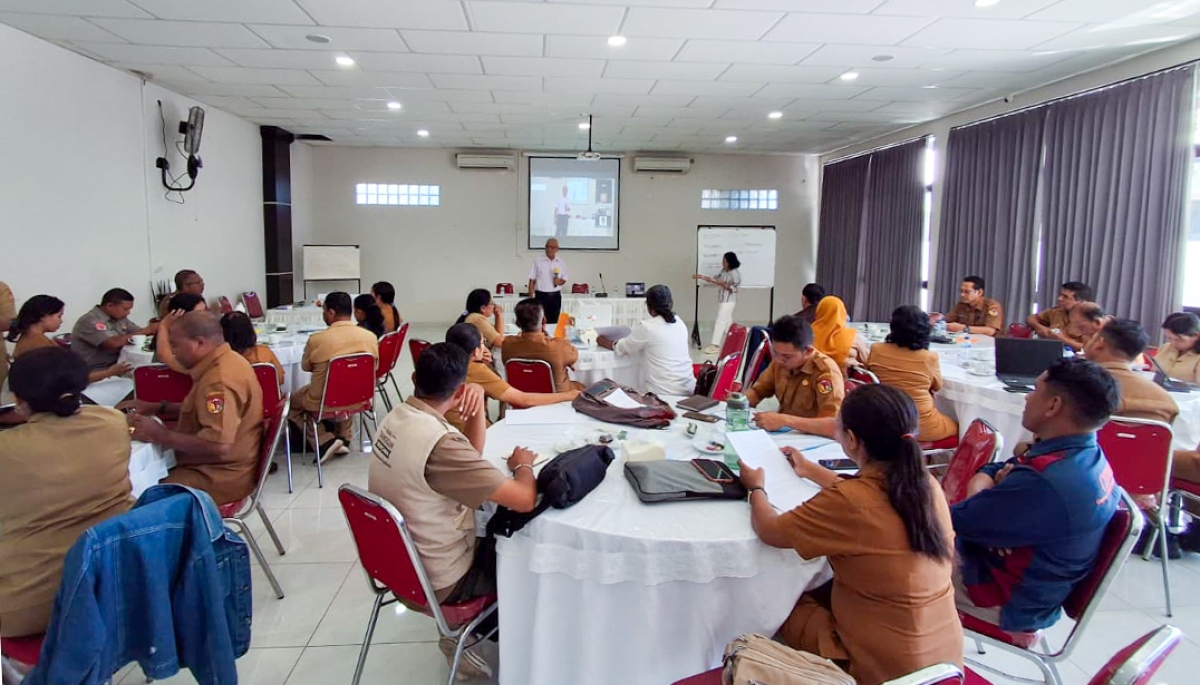
This awareness is the basis for the implementation of the Basic Training on Conflict Management, Conflict Resolution, and Peace Development for the Talau-Loes Transboundary Watershed Working Group (Pokja DAS LBN) organized by Inovasi Tangguh Indonesia (InTI) through the Timor Island Watersheds (TIWA) Project and facilitated by Pius Rengka on June 9, 2026 in Atambua, Belu Regency. Pius Rengka holds a Ph.D. in Development Studies and a Master’s degree in Peace and Conflict Studies. He is actively involved in journalism and has extensive experience as a university lecturer and facilitator for various government, NGO, and private-sector events. In addition, he served as Special Staff to the Governor of NTT from 2018 to 2023.
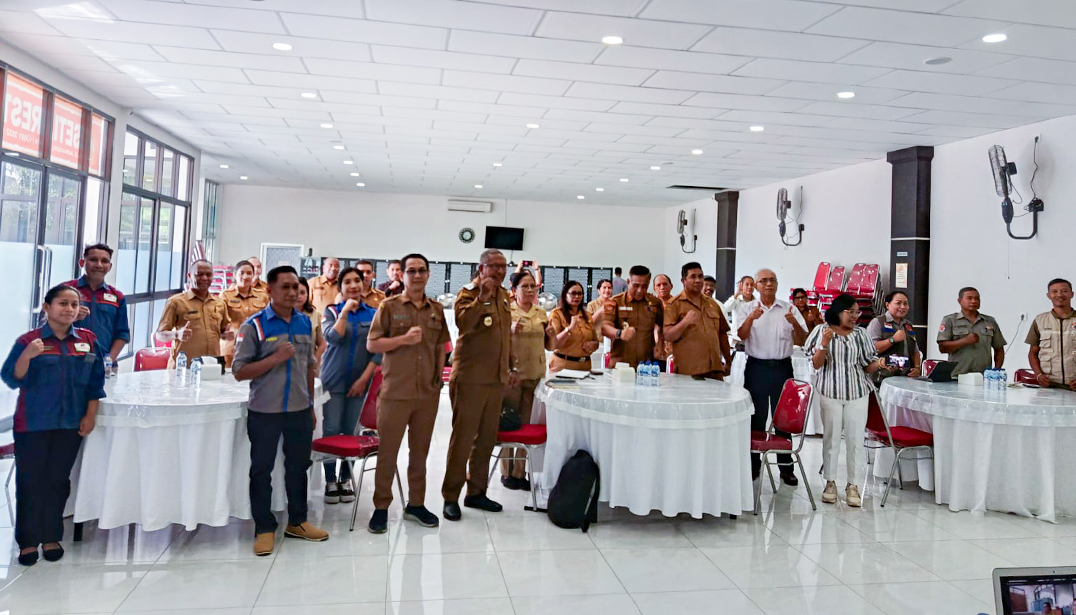
This activity is the second training on capacity building of the Working Group and the first series of a series of training on Conflict Management and Resolution and Peace Development designed to strengthen the capacity of stakeholders in managing the social dynamics that can arise in the governance of the Indonesian and Timor-Leste Cross-Border Watersheds.
In his remarks, InTI's Technical Lead Indonesia, Johan Rachmat Santosa, emphasized that the management of the Transboundary Watershed is not only about rivers, but also about natural resources and the people who live in them.
"When we talk about watersheds, we are not only talking about rivers, but also the natural resources that exist in them. In the context of the Transboundary Watershed, there is certainly the potential for friction between communities and between related stakeholders. Therefore, the ability to understand and manage conflicts and build peace is important for members of the Working Group who will later be in direct contact with these issues."
In line with that, Rine Bere Baria, Assistant for Economy and Development of the Belu Regency Regional Secretariat, as well as the Chair of the Transboundary Talau-Loes Watershed Working Group of Belu Regency, reminded that watersheds need to be understood as a complete and interconnected ecosystem.
"When talking about the Transboundary Watershed, there will always be potential conflicts, both between people, between sectors, and between interests. What is important is how we are able to map, analyze, and manage these potential conflicts well."
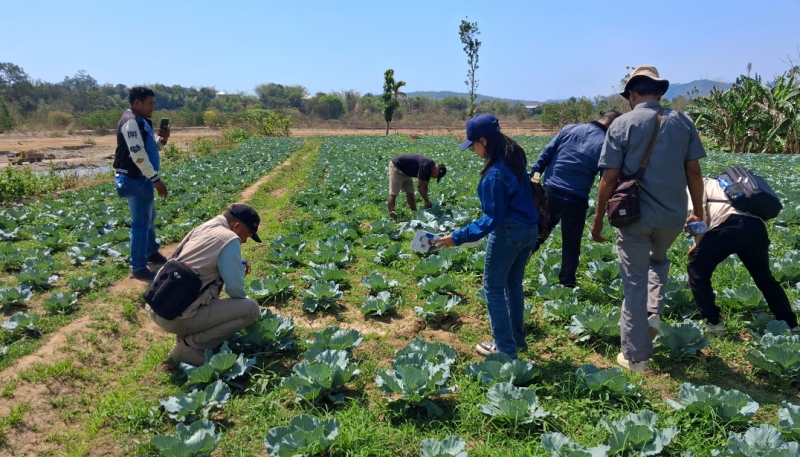
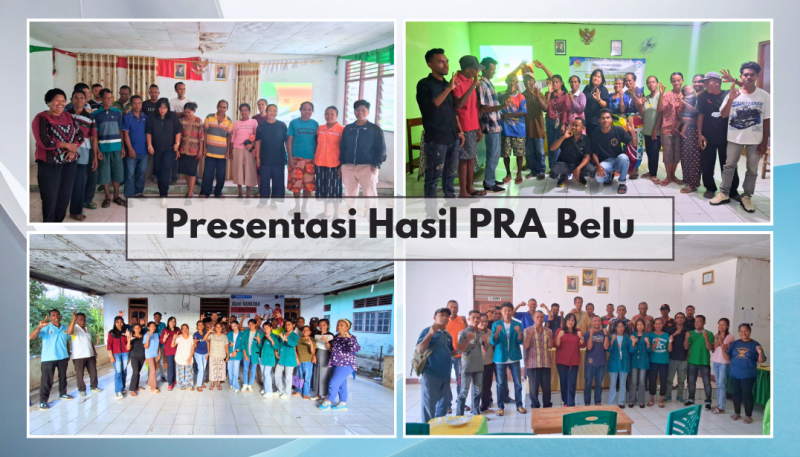
This training is relevant considering the results of the baseline and Participatory Rural Appraisal (PRA) conducted previously with the Community Task Force in Talau Loes which showed the potential for conflicts related to the management of natural resources in border areas, especially water resources. Therefore, in addition to learning various conflict analysis tools, participants were also invited to directly identify the potential conflicts they faced in Belu Regency and the Talau-Loes watershed area.
What Do Participants Consider to be a Potential Conflict?
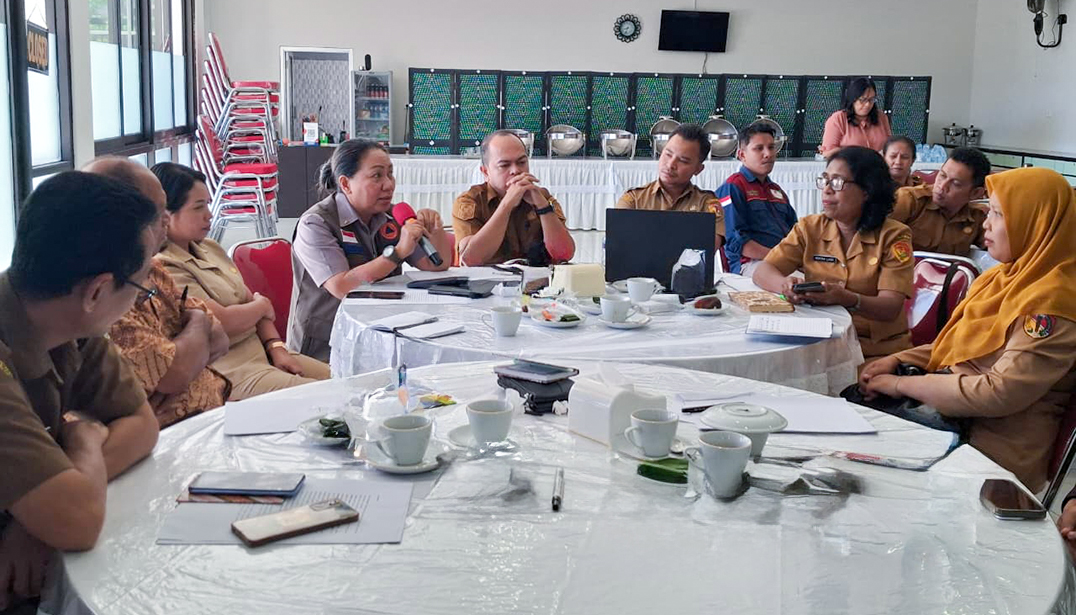
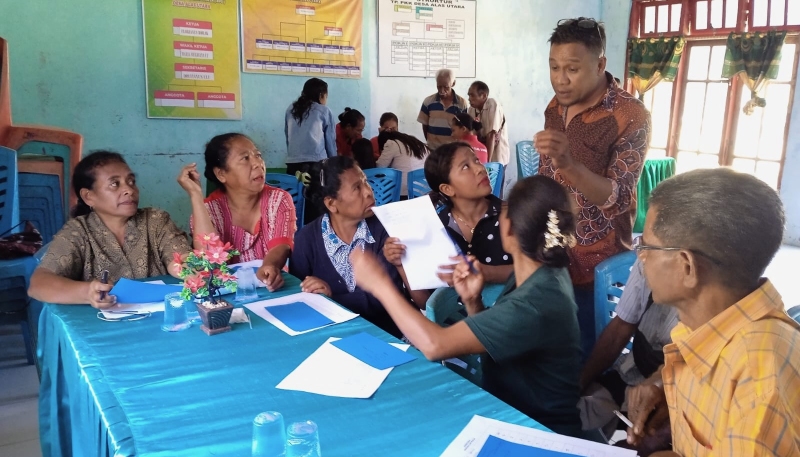
Through group discussions, participants mapped various problems that have arisen and have the potential to develop into conflicts in the Belu area.
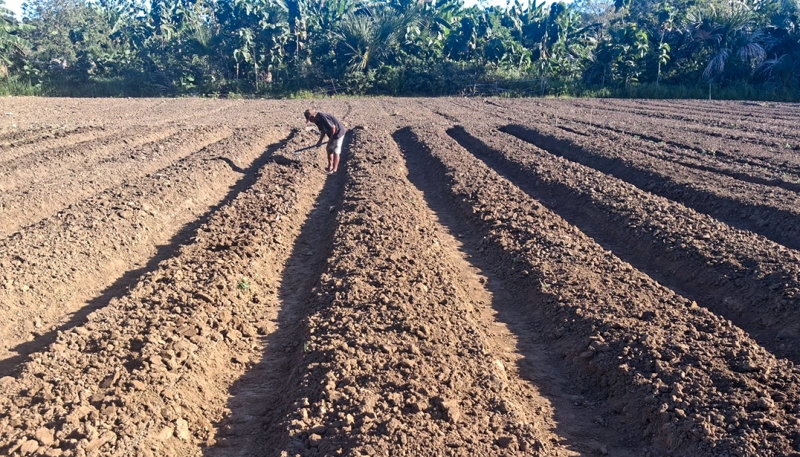
Agrarian issues are one of the most discussed themes. Participants identified various issues related to land ownership and utilization disputes, ranging from inter-tribal conflicts related to customary lands, disputes between communities and the government, to overlapping claims between government assets, customary lands, and forestry areas.
"Government land, customary land, and forest areas are often in the same space, giving rise to disputes over land ownership and utilization."
In addition, participants also highlighted various social dynamics that arise due to differences in political choices, conflicts between community groups, and issues related to the history and context of border areas.
As an area that borders directly with Timor-Leste, participants see that natural resource management cannot be separated from the cross-border relationship involving communities in both countries. One example that emerged in the discussion was the community's concern about the impact of infrastructure development on the availability of water resources.
In the context of the Talau-Loes watershed, participants identified a number of issues that need mutual attention, ranging from the struggle for water sources during the dry season, uncontrolled land clearing, environmental pollution, river material extraction activities, to disaster risk management.
"The struggle for water sources in the dry season is one of the risks of conflict that needs to be anticipated in watershed management."
Participants also reminded that environmental problems can develop into broader social problems if not handled properly.
"Waste management that is not optimal is not only an environmental problem, but also has the potential to trigger social conflicts and disrupt the quality of water resources."
Learning from Real Cases
Not stopping at problem identification, participants were then invited to practice various conflict analysis tools through case studies taken from local contexts.
The First Group (Lanu) raised a land dispute case related to the construction of the Rafae Health Center. The discussion focused on the land grant process, ownership claims, as well as approaches that can be used to find a settlement that is acceptable to all parties.
The second group (Mon Metan) discussed the use of space by indigenous people in Matabesi Traditional Village. In this case, participants discussed the various intersecting interests between the community, the government, and other parties, as well as the importance of a transparent multi-stakeholder forum to find just solutions.
Meanwhile, the Third Group (Naokten) raised the issue of environmental pollution due to the increasing volume of waste and the lack of optimal waste management system. Various solution options that have emerged include the preparation of waste management plans, strengthening public education, developing waste banks, and innovations in waste management.
Through the process, participants not only learn to recognize the root causes of conflict, but also understand how conflicts can be managed through dialogue, collaboration, and approaches that take into account the needs of all parties involved.
From Conflict Analysis to Sustainable Watershed Management
This training is the first step to strengthen the capacity of Transboundary Watershed Working Group members in understanding the social aspects of transboundary watershed management. The ability of the Working Group to recognize potential conflicts in the Talau-Loes watershed, identify the causes of conflicts, map the parties involved, and formulate appropriate resolution approaches is an important capacity that must be possessed in supporting more collaborative watershed governance and supporting environmental diplomacy efforts in the future, especially related to potential conflicts in natural resource governance across national borders.
As the Transboundary Diagnostic Analysis (TDA) process takes place as the basis for the preparation of the Strategic Action Program (SAP), this capacity is expected to help stakeholders build stronger cooperation in maintaining the sustainability of the Talau–Loes watershed and increasing community resilience in the border areas of Indonesia and Timor-Leste. (InTI)