Establishment of the Mota Masin Watershed Community Task Force in Malaka Regency
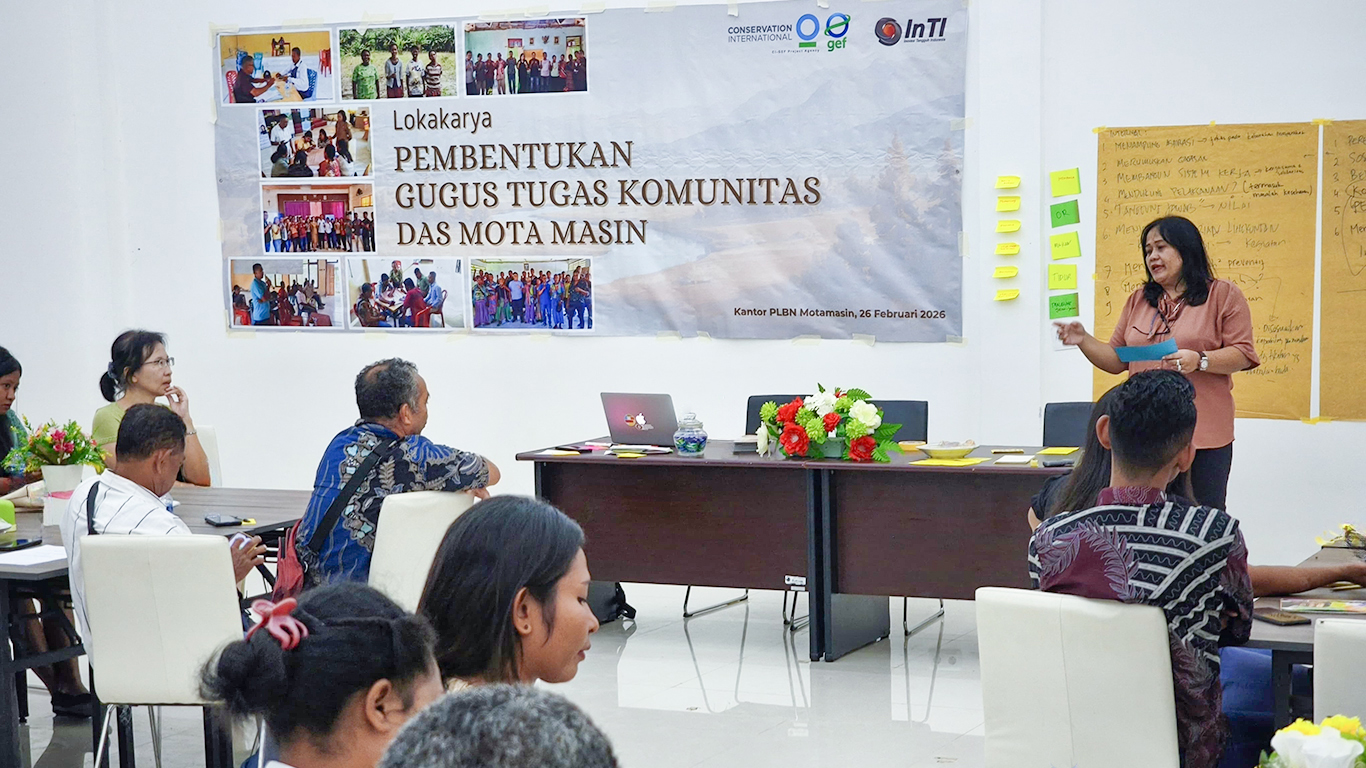
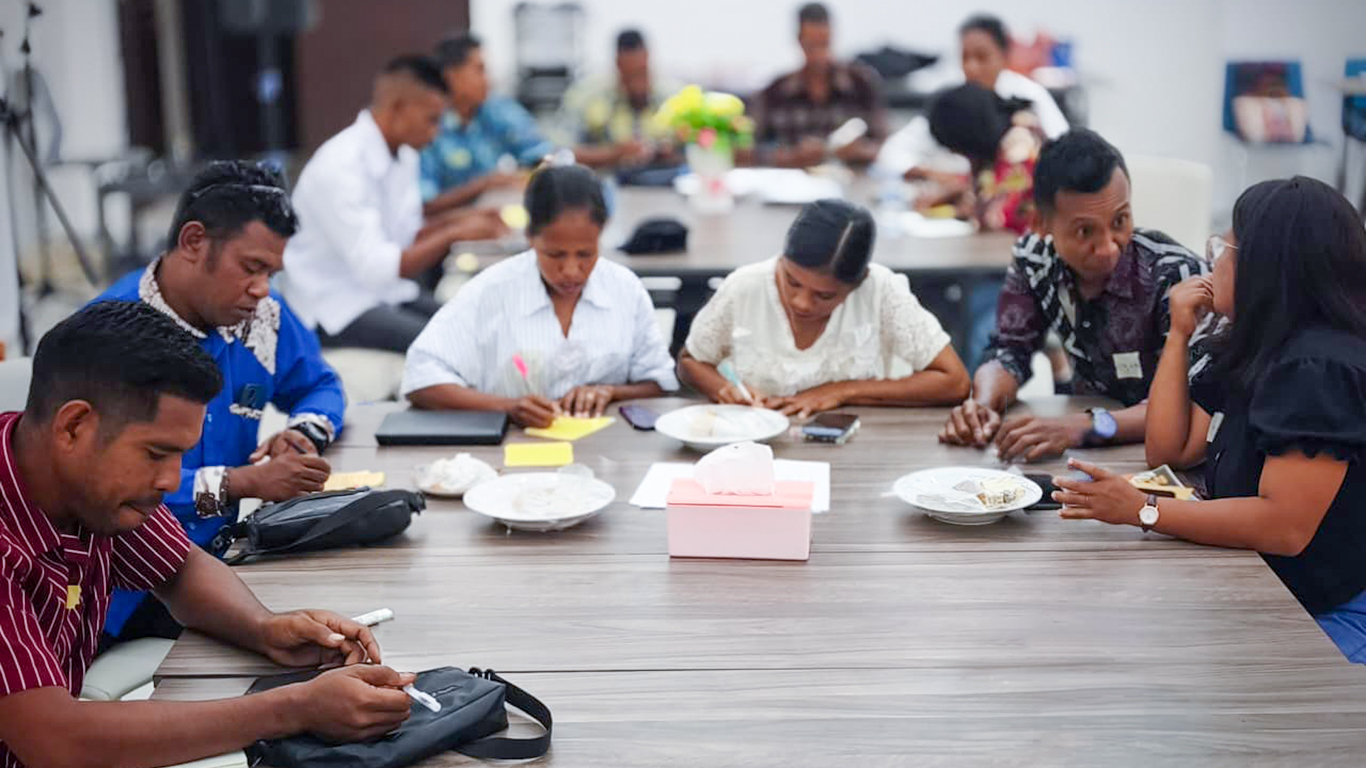
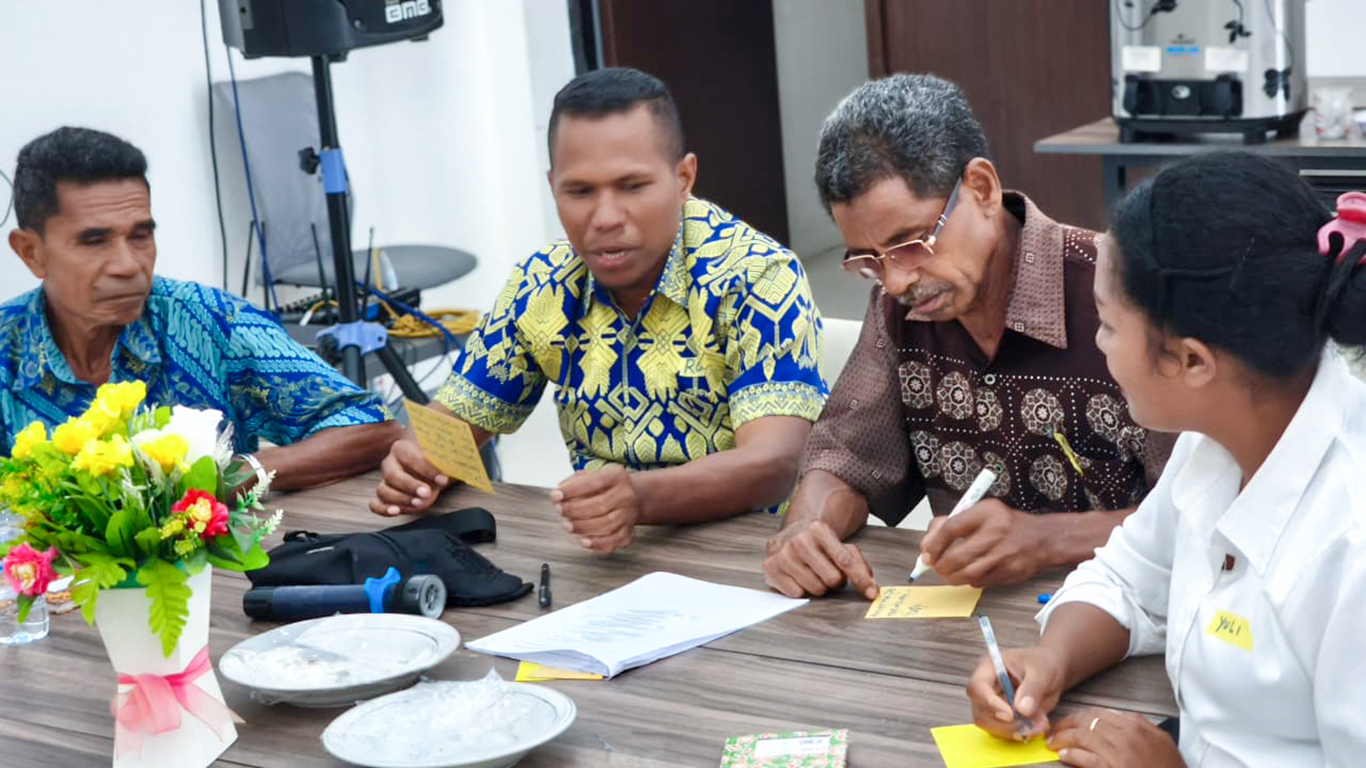
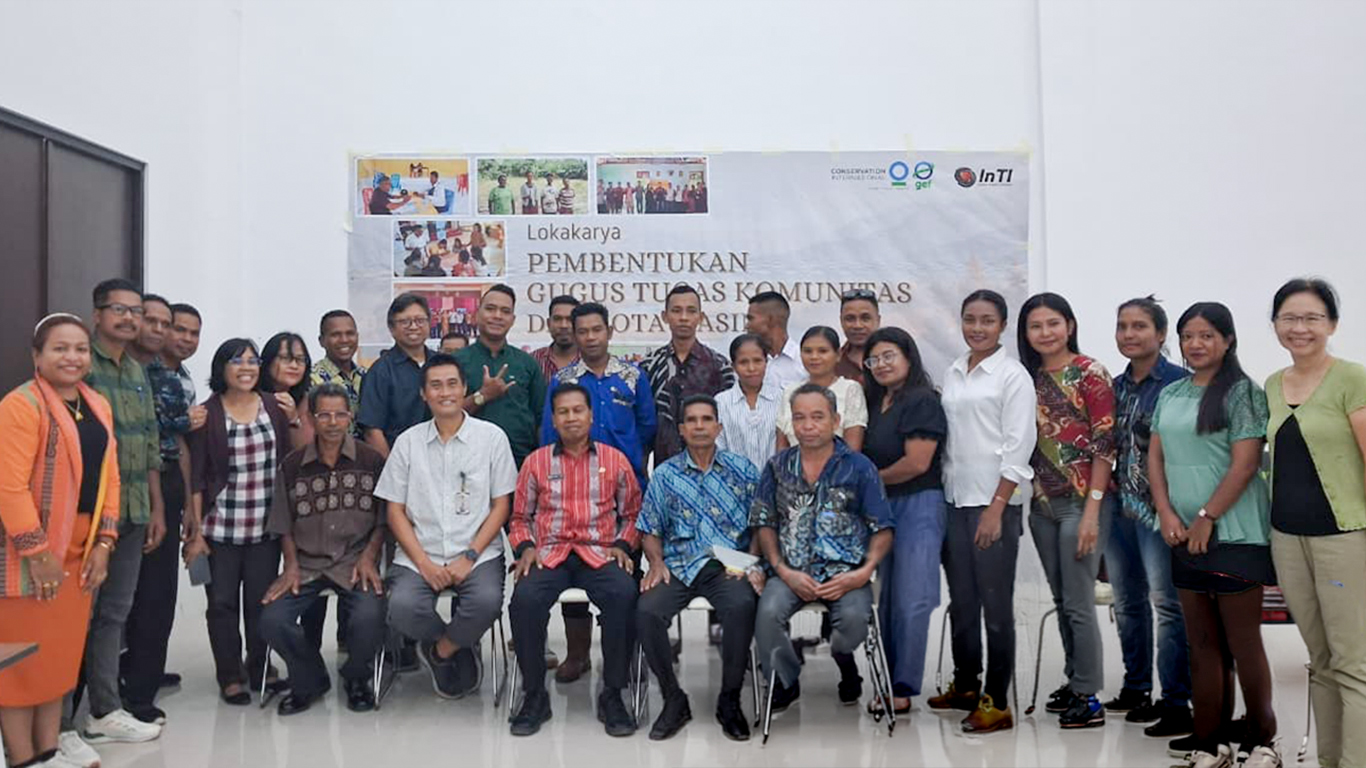
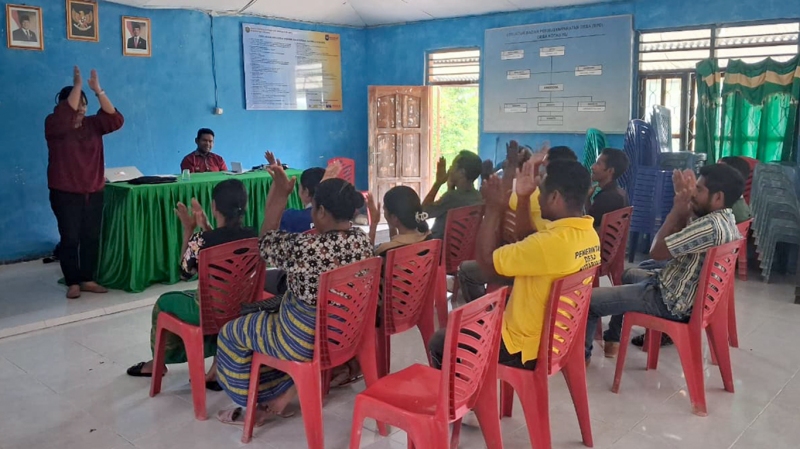
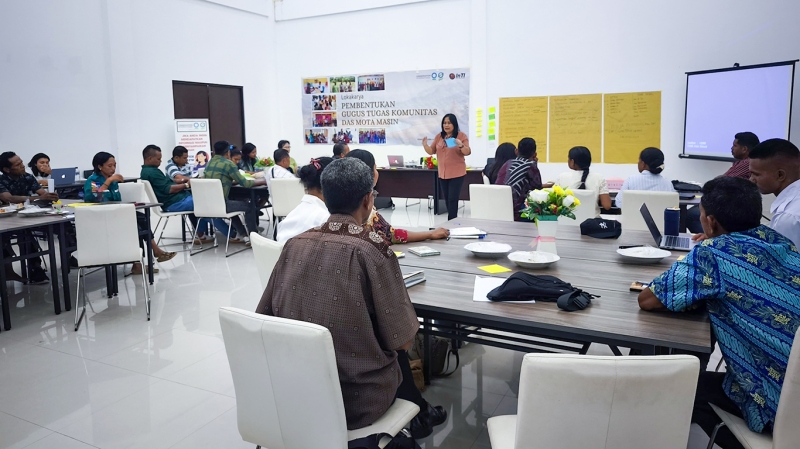
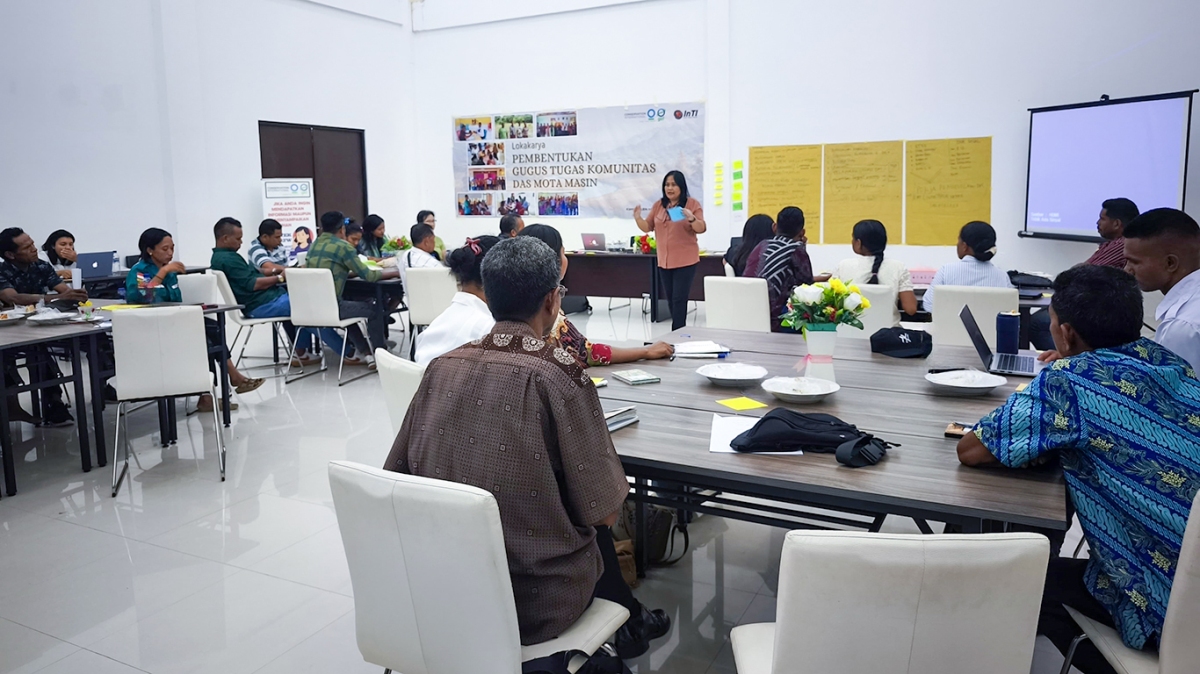
As part of strengthening transboundary watershed governance, MITLTW/TIWA facilitated the Mota Masin Watershed Community Task Force (GTK) Formation Workshop on February 26, 2026. This workshop was attended by 35 representatives from four villages in the Mota Masin watershed area, namely Alas Selatan Village, Alas Village, Kota Biru Village, and Alas Utara Village. Also present were the Kobalima Timur Sub-district Head, three Village Heads, four Village Secretaries, and eight women representatives from the four villages.
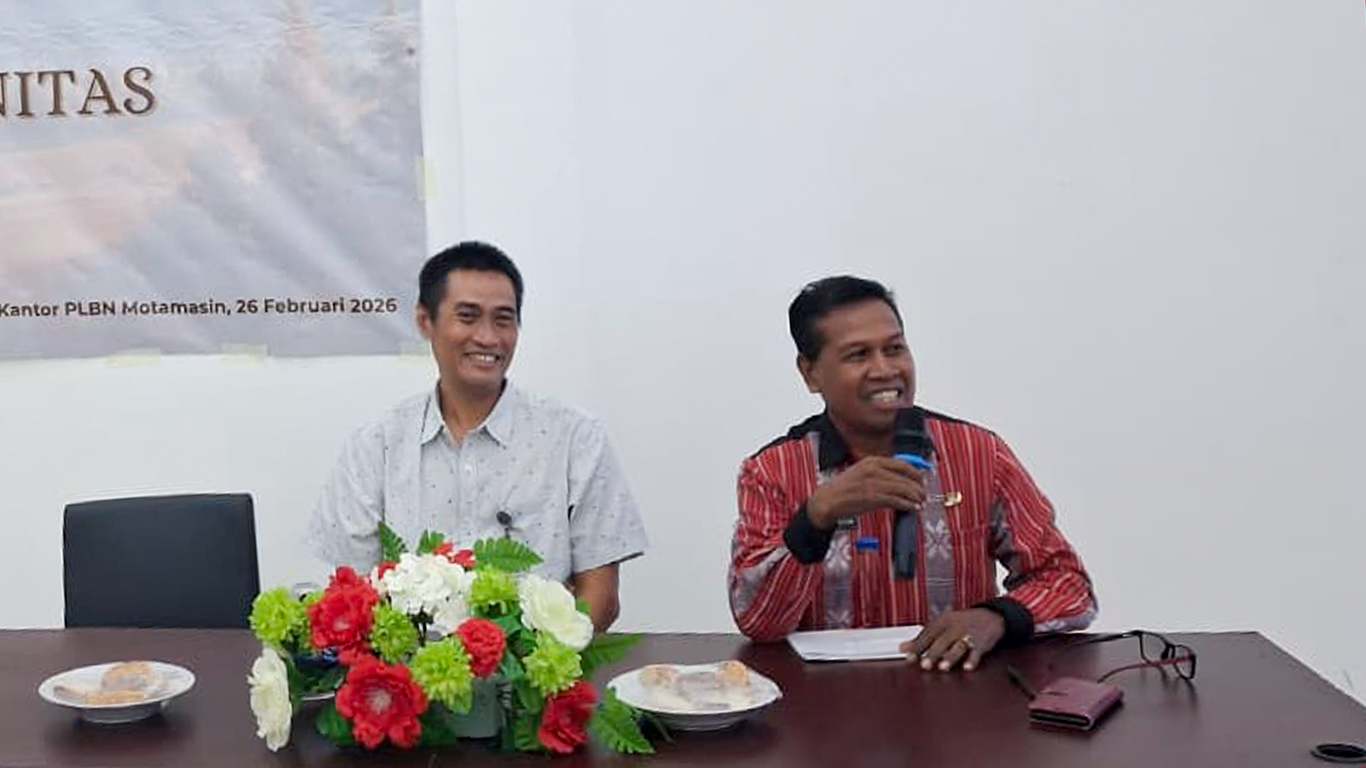
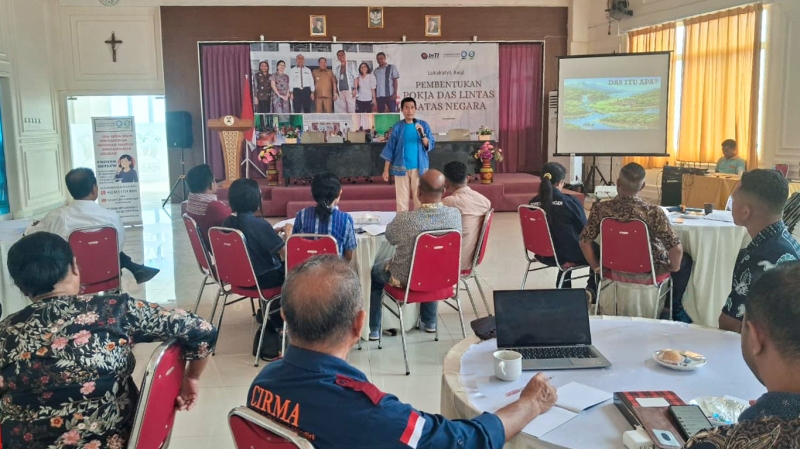
The activity was officially opened by the Head of the Malaka Regency Regional Border Management Agency, Wendelinus Y Un. In his remarks, he emphasized that watersheds are a vast ecosystem landscape, covering upstream, middle, and downstream areas, including settlements and community gardens.
"Therefore, its management is a shared responsibility. He said that GTK is expected to be the backbone in repairing the damage experienced in the Mota Masin watershed while maintaining the ecosystem so that it can be inherited to future generations," Wendelinus stated.
In the initial session, Technical Lead Indonesia from Inovasi Tangguh Indonesia (InTI), Johan Rachmat Santosa, invited participants to reflect on their understanding of what watersheds are.
"Watersheds are not only rivers or riverbanks, nor landslides or floods around them, but land landscapes that are home to rivers and their tributaries which also include water catchment areas, settlements, agricultural land, livestock, plantations, and forestry, human living spaces and other living things that all depend on the water in the landscape," Johan explained.
This affirmation became the common foundation before the participants discussed further about the role and structure of GTK.
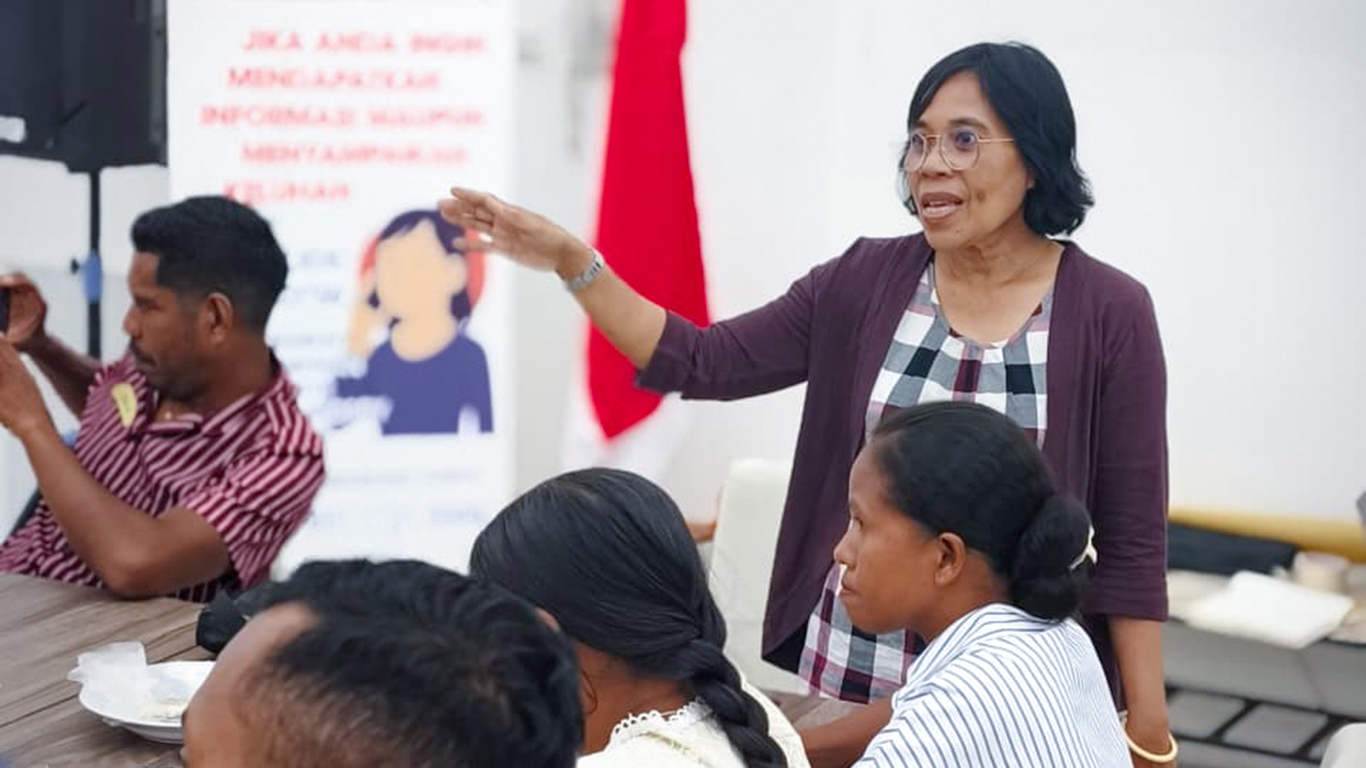
The workshop also discussed the complaint mechanism and safeguarding that had been discussed in the complaint mechanism consultation held previously. InTI's Project Lead Coordinator, Phoebe Pandyopranoto, informed that the public can submit questions and complaints related to the program through the InTI hotline, and every message received will be answered. This explanation emphasizes that the implementation of the program opens up space for the community to obtain information as well as provide input.
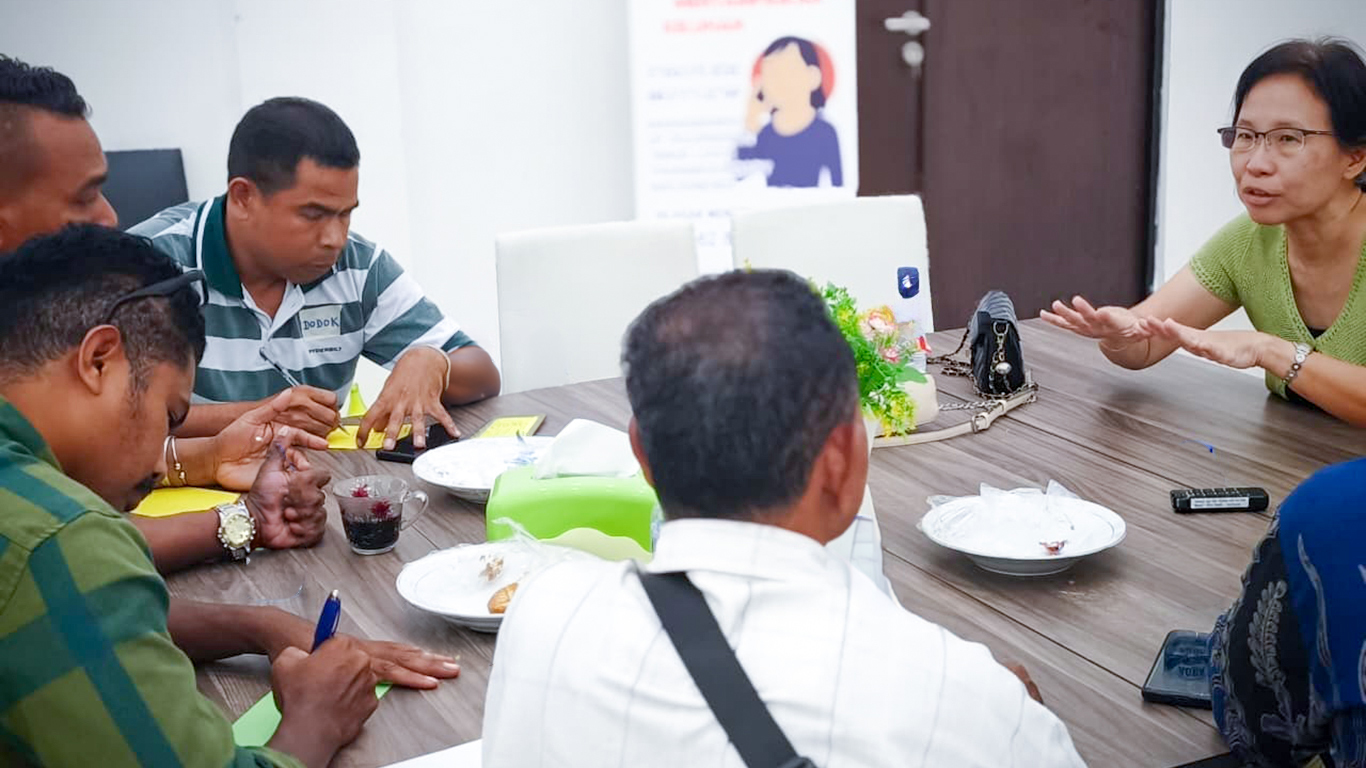
In the discussion about the purpose of establishing GTK, participants agreed that GTK has a planning function, identifying problems, solving problems, and coordinating functions. The discussion then continued on the organizational structure. After discussing possible differences with the GTK structure formed in Belu Regency, the participants agreed that the structure of the GTK Mota Masin watershed will follow the same pattern, consisting of the General Chairman, Chairman I, and Chairman II. Chairman I and Chairman II will each oversee several areas to facilitate coordination and share the burden of responsibility. Meanwhile, the determination of work areas will be discussed further in the next meeting.
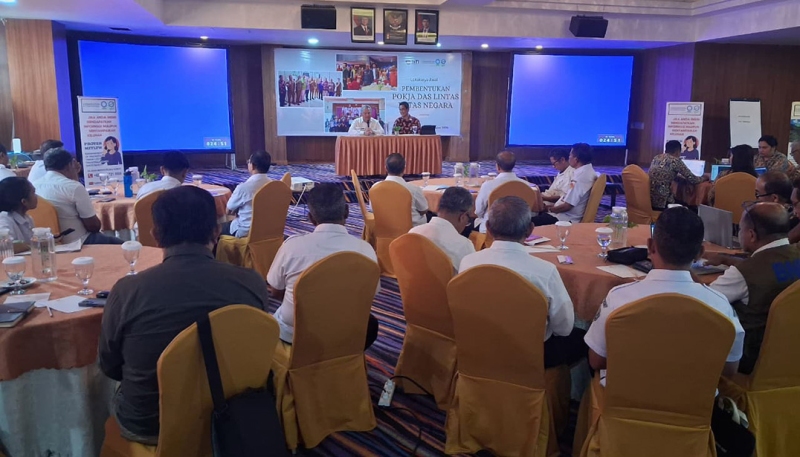
In the forum, information was also conveyed regarding the establishment of the Mota Masin Transboundary Watershed Working Group (Pokja DAS LBN) at the Malaka Regency level on February 27, 2026, as well as the existence of working groups at the provincial and national levels. It also mentioned that a similar working group would also be established in Timor-Leste, and that the two sides would jointly manage transboundary watersheds. GTK at the community level will coordinate a lot with the Working Group in Malaka Regency, so that watershed management runs in a connected manner from the village level to across countries.
The workshop was concluded by the East Kobalima Sub-district Head, Gaudentiana R. Nahak. He emphasized that the establishment of GTK is an important step because the Mota Masin watershed is a transnational watershed that cannot be managed alone.
"Cooperation between GTK and the Working Group is needed, as well as coordination with parties in Timor-Leste, so that watershed management can be carried out together," concluded Gaudentiana.
Through this workshop, the establishment of the Mota Masin Watershed GTK is the first step in strengthening the role of the community in transboundary watershed governance. With the involvement of villages, sub-district governments, and cross-level to transboundary coordination support, the spirit of collaboration is the basis for maintaining and managing the Mota Masin watershed as a shared living space. (InTI)