Bentang Lintas Batas #6 - Alas Village
Alas Village, East Kobalima District, Malaka Regency, is a living space formed by customs, nature, and local leadership. As the parent village for a number of other villages in the district, Alas Village has an important position in the management of the Motamasin watershed. Here, customs are not treated as mere cultural symbols, but as a system that regulates social life, relationships with nature, and shared decision-making.
Customs as a Social Governance System
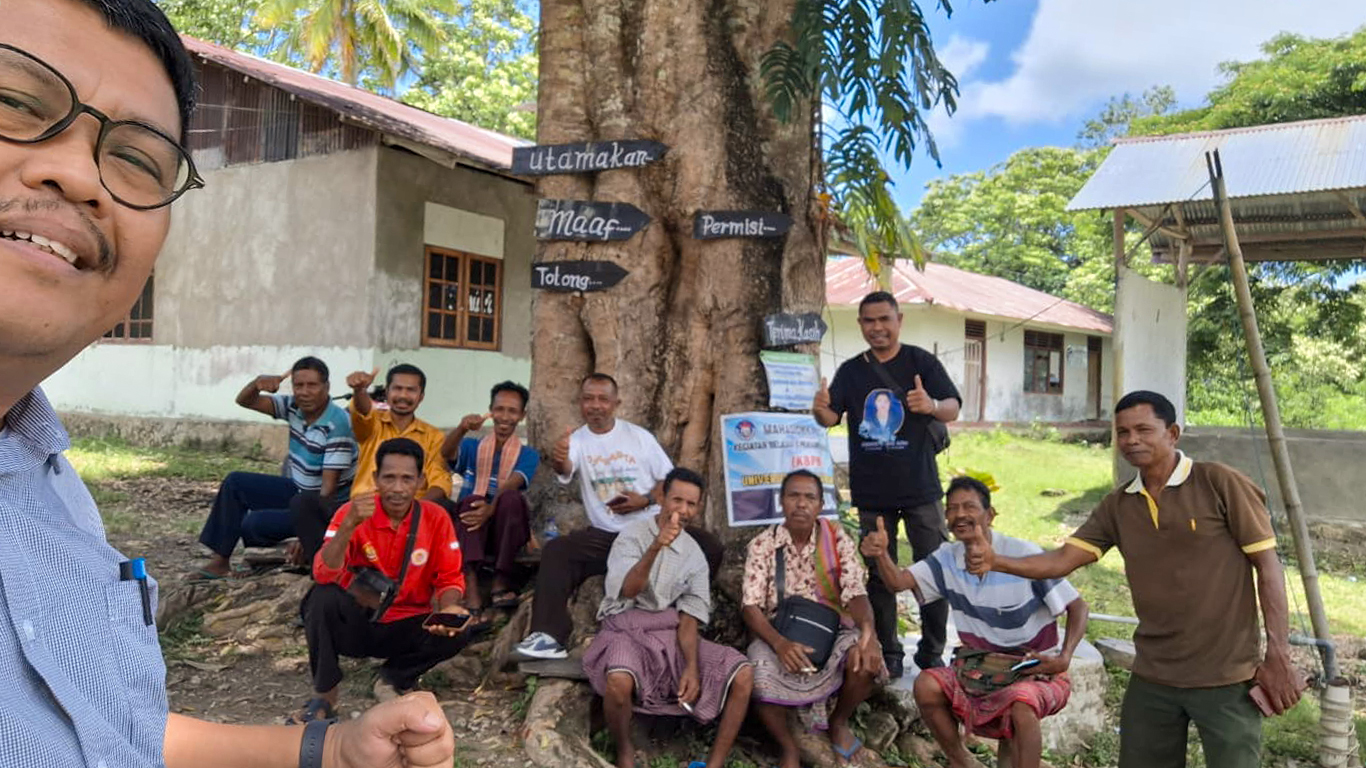
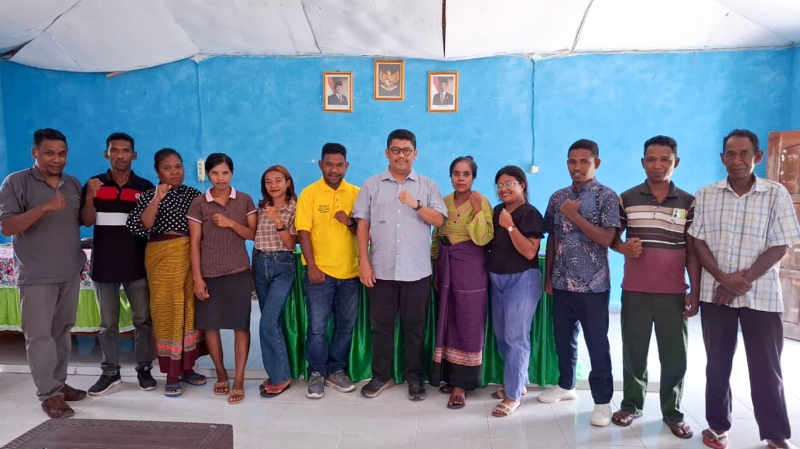
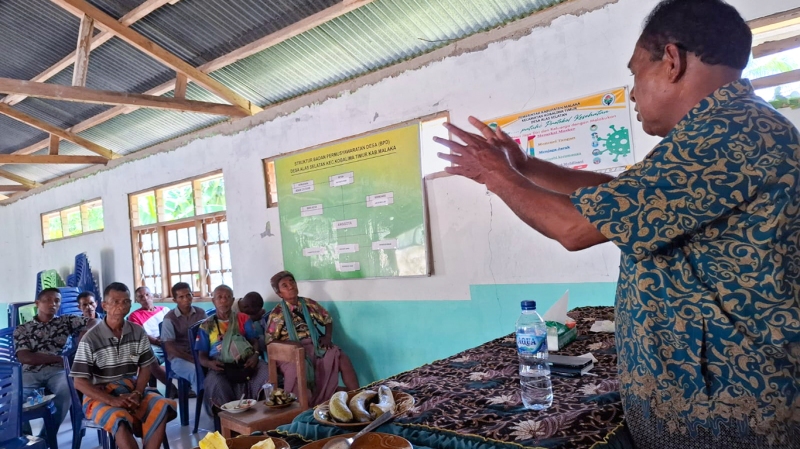
The social life of the people of Alas Village rests on strong customary ties where there are 44 tribes that coexist and are connected through kinship relationships, especially through the practice of inter-tribal marriage. This bond forms a real social solidarity in everyday life. When a member of community dies, for example, the tribe will raise joint contributions, either in the form of money or livestock as a form of collective responsibility.
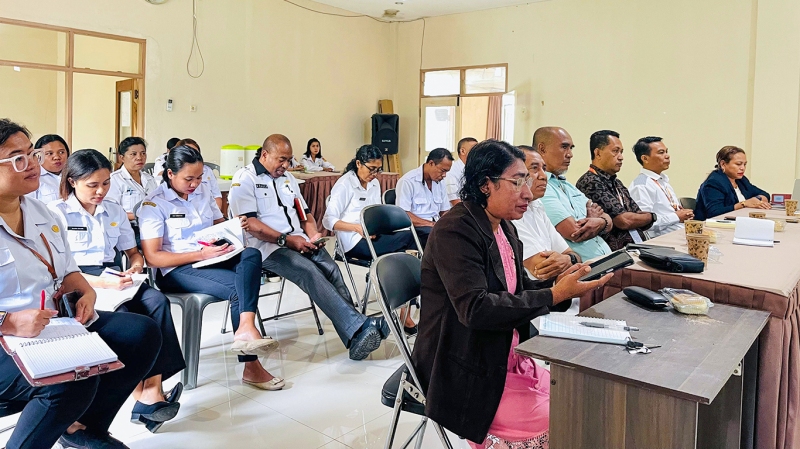
In practice, traditional leaders and religious leaders play an important role in maintaining social balance. Family and social problems are generally resolved through customary deliberation before being brought to the village government mechanism. If there is a family problem involving women, women are not only asked for their opinions, but also provide direction or input in the customary deliberation process which is the basis for decision-making for their resolution. This pattern shows that the custom functions as a living social governance system and is still trusted by the community. The experience of Alas Village shows that the customary deliberation mechanism is still effective in resolving problems at the community level. Resolving family and social problems through customary forums, involving traditional leaders, religious leaders, and related parties, shows that strengthening the role of customary people can be a community-based conflict resolution mechanism rooted in practices that have been carried out by the community.
Protecting Nature through Customary Law
The relationship between the people of Alas Village and nature is closely intertwined through customary law. The Motamasin River and the Babulu River are understood as shared living spaces that are used across communities. The river provides building materials in the form of sand and stones, as well as is regulated its use so as not to damage the environmental balance. The practice of natural resource exploitation and other unsustainable governance practices of rivers or springs, such as excessive extraction of sand and stone materials or actions that damage river flows and banks, are seen as customary violations and can be sanctioned, which in some cases are accompanied by customary rituals as a form of restoring balance between humans and nature, led by traditional leaders as a sign that the violation has been resolved customarily.
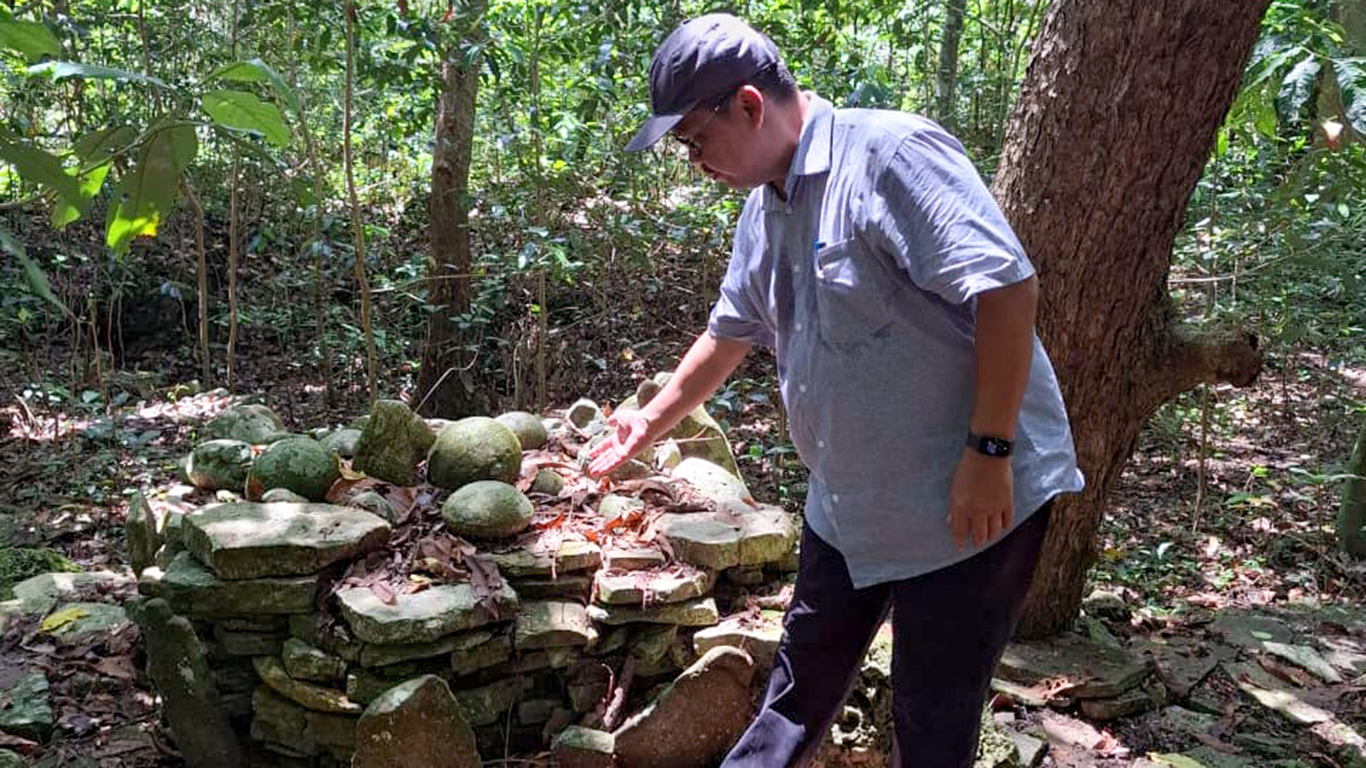
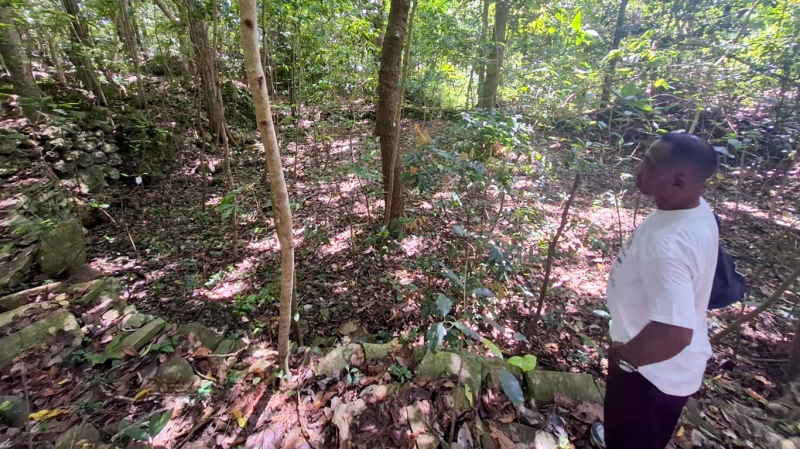
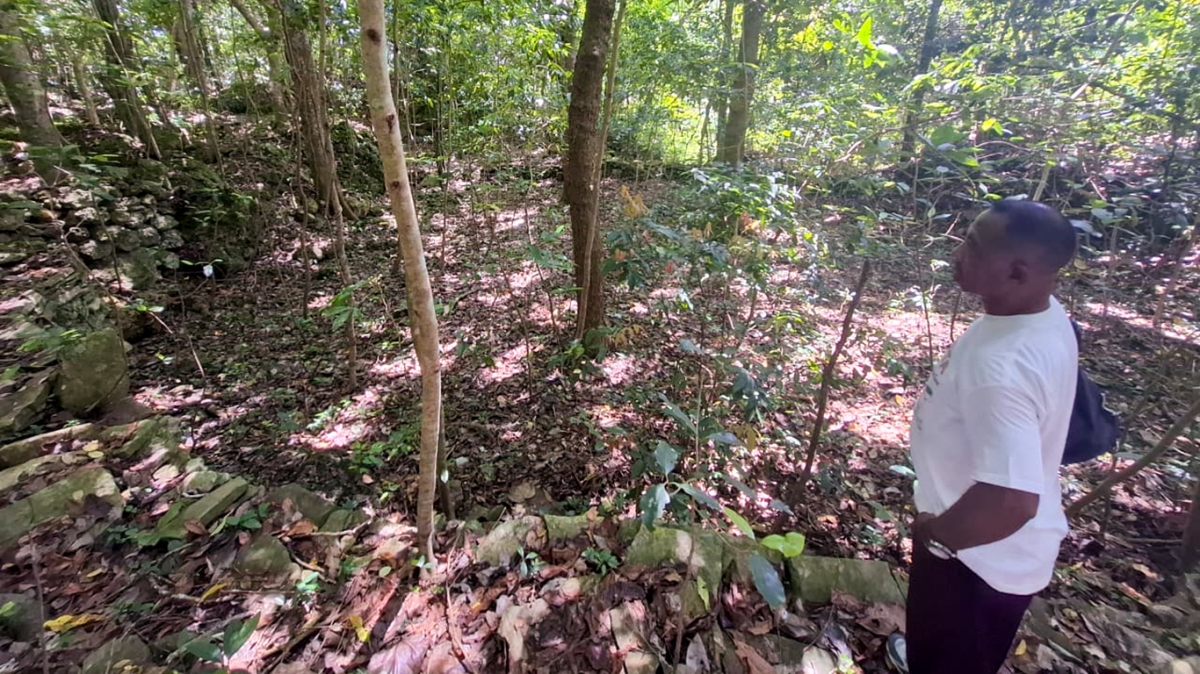
In addition to rivers, customary forests have an important position in people's lives. The Sadan Forest and the Maubese Forest are strictly guarded as areas that are not allowed to be opened for fields or cut down trees. These forests function to maintain the sustainability of spring water sources that are shared by residents. There is no private ownership of customary forests, but it is understood as shared ownership because it concerns the livelihood of many people. This practice shows that customary law has become the basis for the common rules for community-based natural resource protection. In the context of border areas, the existence of customary rules that are followed together is important to protect natural resources that are used cross-region and cross-community in 2 countries.
Key Figures and Directions for Future Strengthening
Leadership in Alas Village runs in a wedge between the customary and the village government. The village head carries out his role by referring to customary agreements, including in determining the head of the hamlet in a certain area that requires the origin of the tribe. The authority of leaders is maintained through symbols and customary rules, so that the social structure is still respected.
At the community level, local figures such as hamlet heads, traditional leaders, and traditional house keepers play the role of key central figures who ensure the sustainability of local values and knowledge. Regarding traditional houses, in Alas Village there is the term Umatolu or 3 houses consisting of Leowalu, Manunut, and Sanina. The three were cared for, especially by the old women of the village. It is in this space that local history, values, and knowledge are passed down through generations.
The experience of Alas Village opens up space to strengthen traditional practices that have lived in the community for more sustainable watershed governance. Strengthening the role of indigenous and religious leaders, recognition of customary law in village governance, and community-based protection of forests and rivers can be strategic steps to maintain the sustainability of nature and social life in the Motamasin watershed. Bentang Lintas Batas #6 shows that in Alas Village, customs are not only an identity, but a foundation to build a future based on local wisdom and community leadership. (Usep Setiawan/InTI)