Sharing Experiences, Sharing Lessons Learned
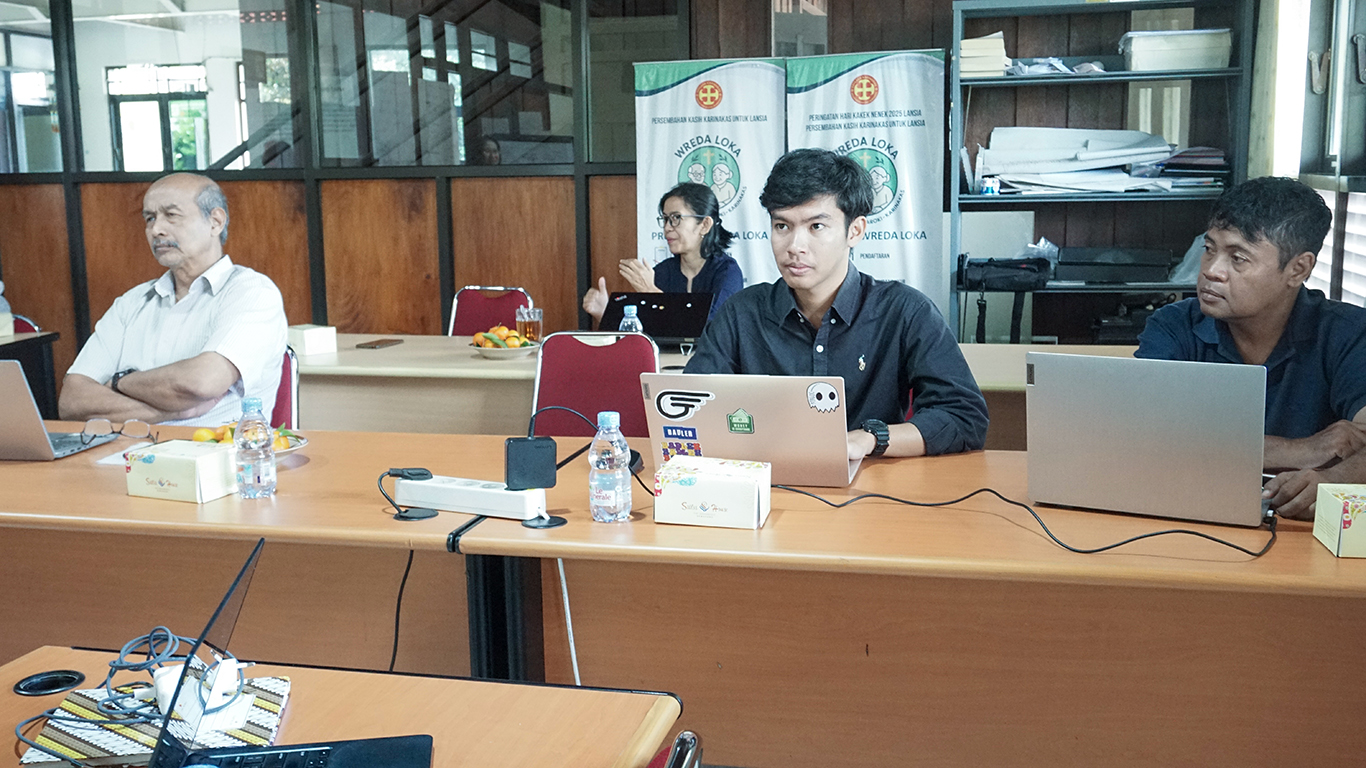
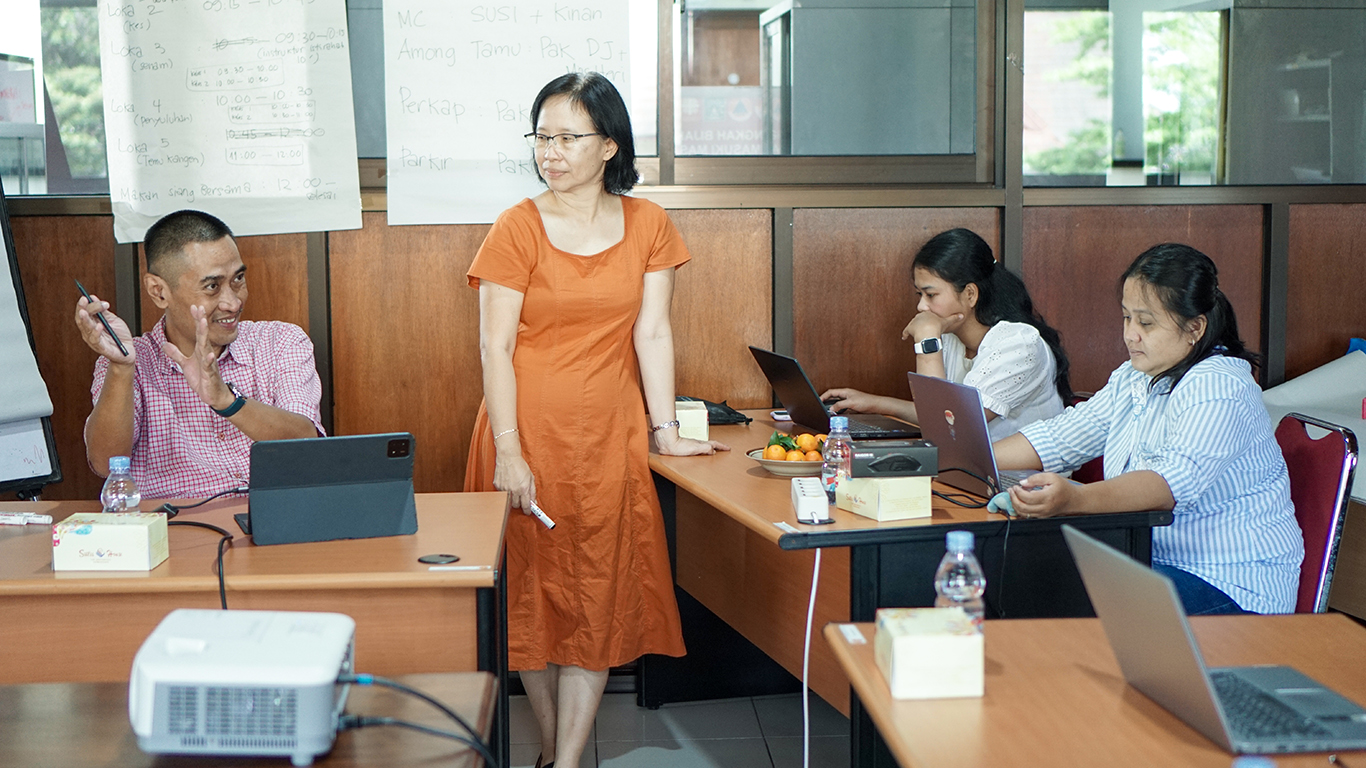
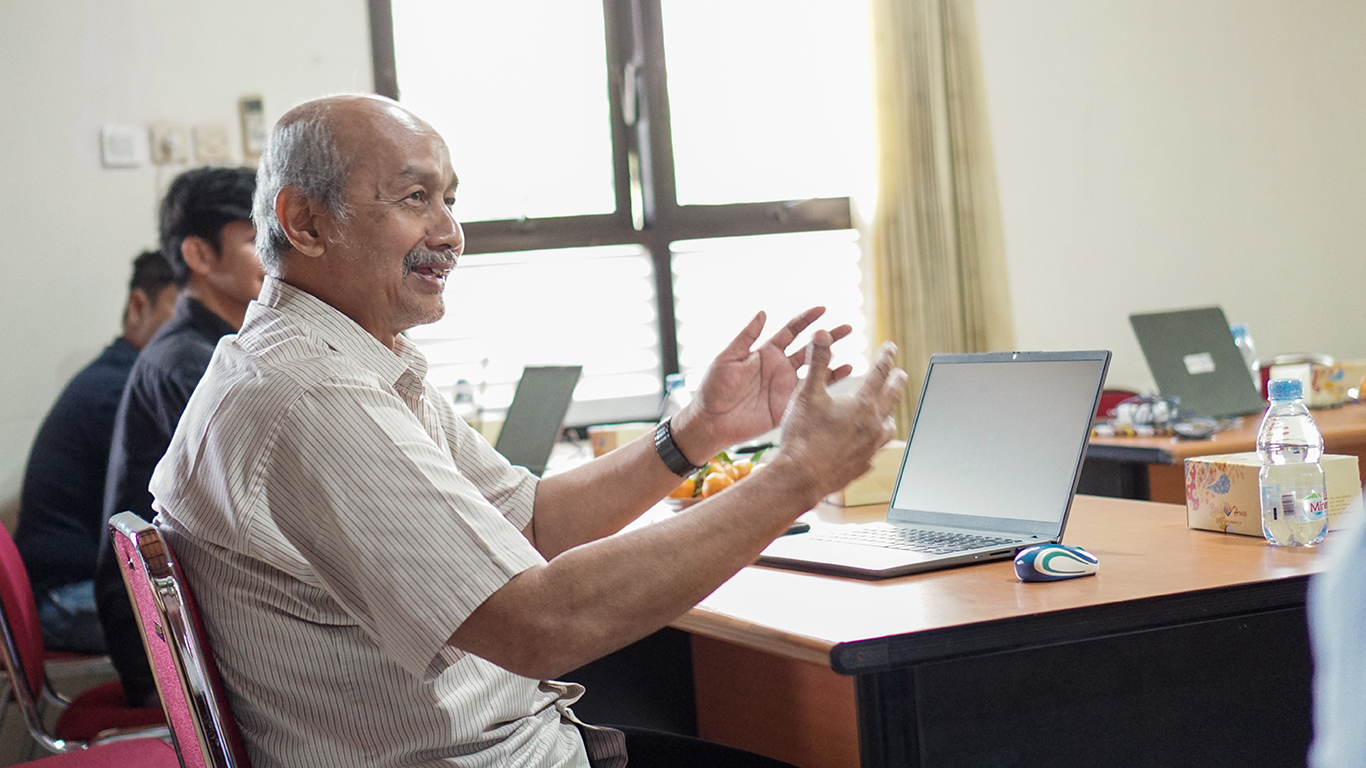
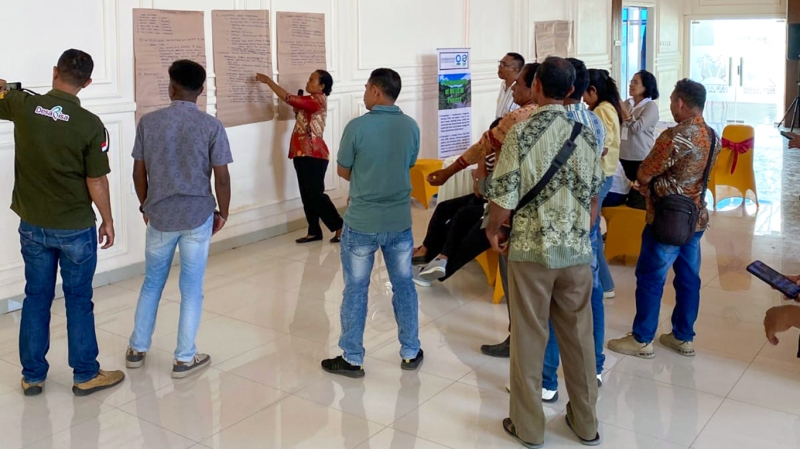
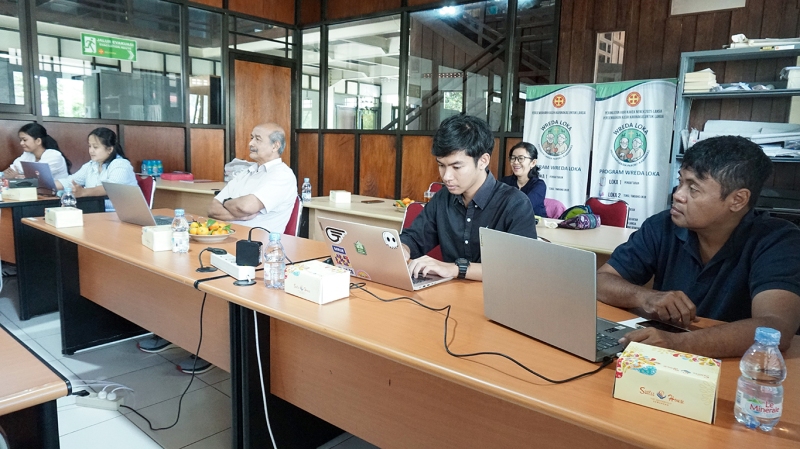
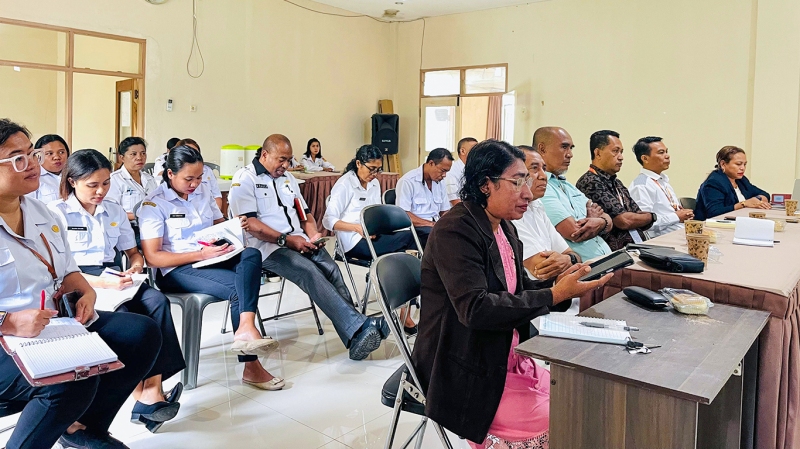
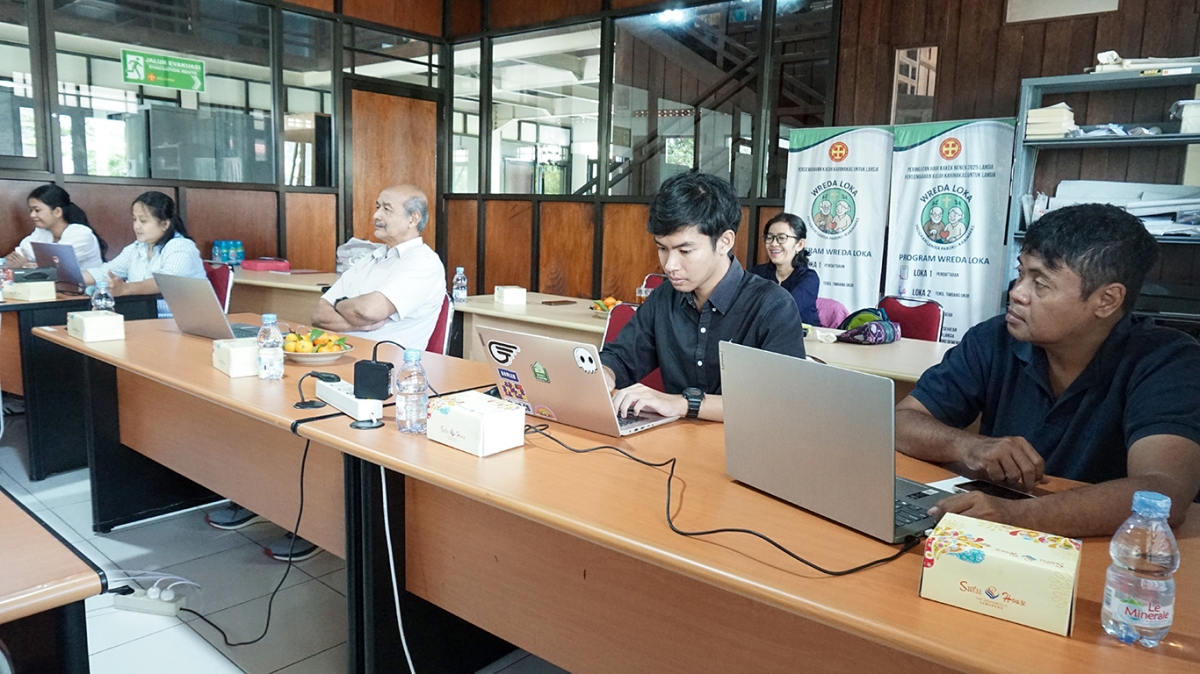
Yogyakarta, January 14, 2026 - Inovasi Tangguh Indonesia (InTI), KARINAKAS and Caritas Germany held a knowledge sharing activity as a space to share experiences and learn together. This meeting is designed as a forum for capacity building and equal dialogue, where each institution reviews the practices that have been carried out while tidying up how to convey the stories about the work of the program in a more orderly and easy to understand manner.
The discussion began with reflection on the results of the program activities that had been carried out. Discussion participants discussed the differences between the results that are immediately visible, the changes that are beginning to be felt by the beneficiaries of the program, to the long-term goals and impacts to be achieved. Examples of program experiences were brought up in this conversation, including experiences from the KARINAKAS and Caritas German aging programs, which were used as examples to clarify the link between field activities and expected changes.
"Program activities are a translation of proposals that become strategic tools to translate problems into solutions," said Fr. Bernardus Himawan, Pr. Director of KARINAKAS.
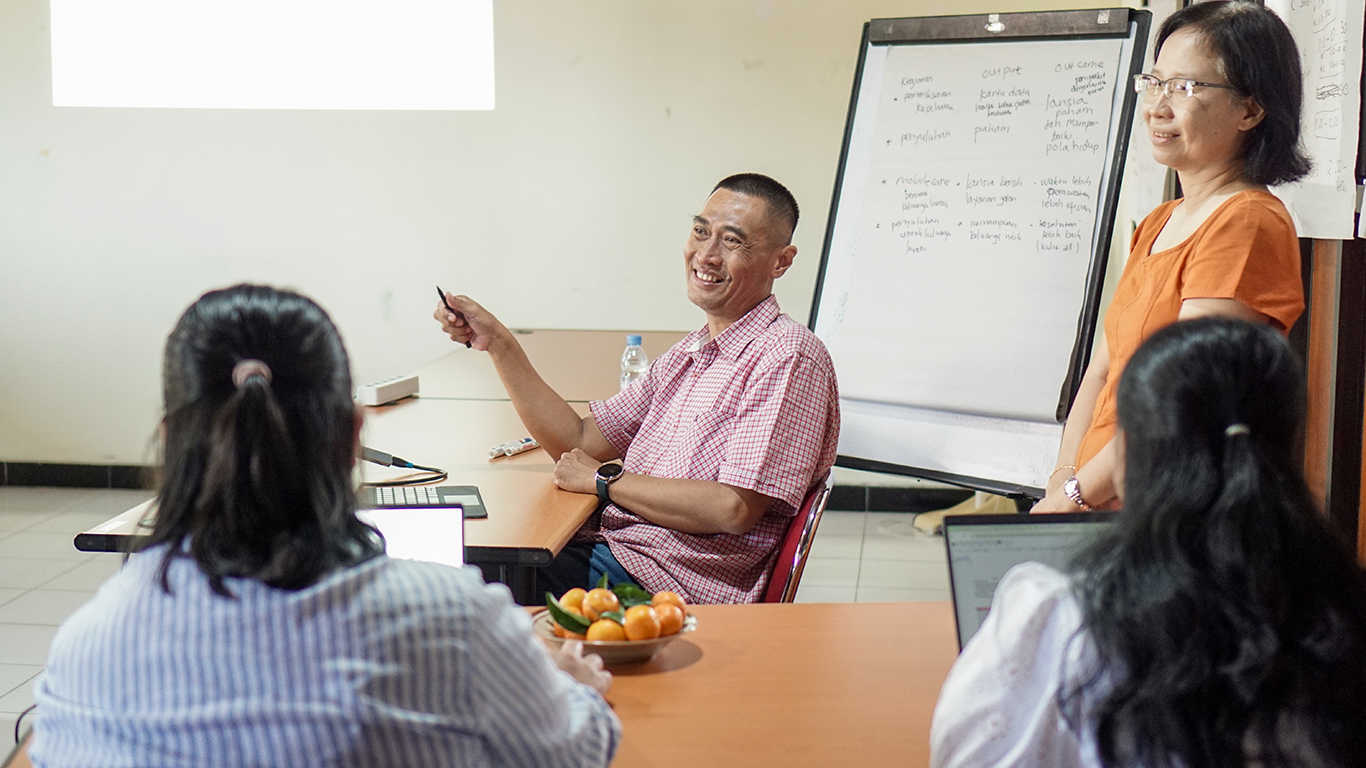
The activity then proceeds to the understanding of how change can occur through the perspective of Theory of Change. Through a discussion of the cause-and-effect relationship, the discussion participants jointly unravel the steps that are under the control of the program and the changes that are influenced by factors beyond the control of the program which are commonly referred to as program outcomes or impacts. The discussion participants discussed how to structure the program's storyline in a simple and logical way, starting from "if" an activity is carried out, "then" immediate results can be seen, "so that" changes begin to occur, until "finally" a broader impact can be pursued.
"This approach helps us see the program not just as a list of activities, but as an ongoing process in the specific context and dynamics of how the activity produces an expected change. That way we can simplify the way we tell stories about the programs carried out," said Johan Rachmat Santosa, Technical Lead Project MITLTW/TIWA from InTI.
How theory of change is used to see the logical framework of a program to be more flexible but still accountable is a topic of discussion as well. With a better understanding of this Theory of Change, the field experience was put together by the discussion participants into a more lively and communicative narrative.
Through this knowledge sharing, InTI, KARINAKAS, and Caritas Germany emphasized the importance of learning together as part of strengthening collaboration. More than just drafting documents, this process is a collaborative effort to ensure that each program truly reflects the experience, learning, and direction of work going forward. (InTI)
Yogyakarta, January 14, 2026 - Inovasi Tangguh Indonesia (InTI), KARINAKAS and Caritas Germany held a knowledge sharing activity as a space to share experiences and learn together. This meeting is designed as a forum for capacity building and equal dialogue, where each institution reviews the practices that have been carried out while tidying up how to convey the stories about the work of the program in a more orderly and easy to understand manner.
The discussion began with reflection on the results of the program activities that had been carried out. Discussion participants discussed the differences between the results that are immediately visible, the changes that are beginning to be felt by the beneficiaries of the program, to the long-term goals and impacts to be achieved. Examples of program experiences were brought up in this conversation, including experiences from the KARINAKAS and Caritas German aging programs, which were used as examples to clarify the link between field activities and expected changes.
"Program activities are a translation of proposals that become strategic tools to translate problems into solutions," said Fr. Bernardus Himawan, Pr. Director of KARINAKAS.
The activity then proceeds to the understanding of how change can occur through the perspective of Theory of Change. Through a discussion of the cause-and-effect relationship, the discussion participants jointly unravel the steps that are under the control of the program and the changes that are influenced by factors beyond the control of the program which are commonly referred to as program outcomes or impacts. The discussion participants discussed how to structure the program's storyline in a simple and logical way, starting from "if" an activity is carried out, "then" immediate results can be seen, "so that" changes begin to occur, until "finally" a broader impact can be pursued.
"This approach helps us see the program not just as a list of activities, but as an ongoing process in the specific context and dynamics of how the activity produces an expected change. That way we can simplify the way we tell stories about the programs carried out," said Johan Rachmat Santosa, Technical Lead Project MITLTW/TIWA from InTI.
How theory of change is used to see the logical framework of a program to be more flexible but still accountable is a topic of discussion as well. With a better understanding of this Theory of Change, the field experience was put together by the discussion participants into a more lively and communicative narrative.
Through this knowledge sharing, InTI, KARINAKAS, and Caritas Germany emphasized the importance of learning together as part of strengthening collaboration. More than just drafting documents, this process is a collaborative effort to ensure that each program truly reflects the experience, learning, and direction of work going forward. (InTI)