Bentang Lintas Batas #5 – Alas Selatan Village
Alas Selatan Village: Customs That Protect Water, Land, and Living Together
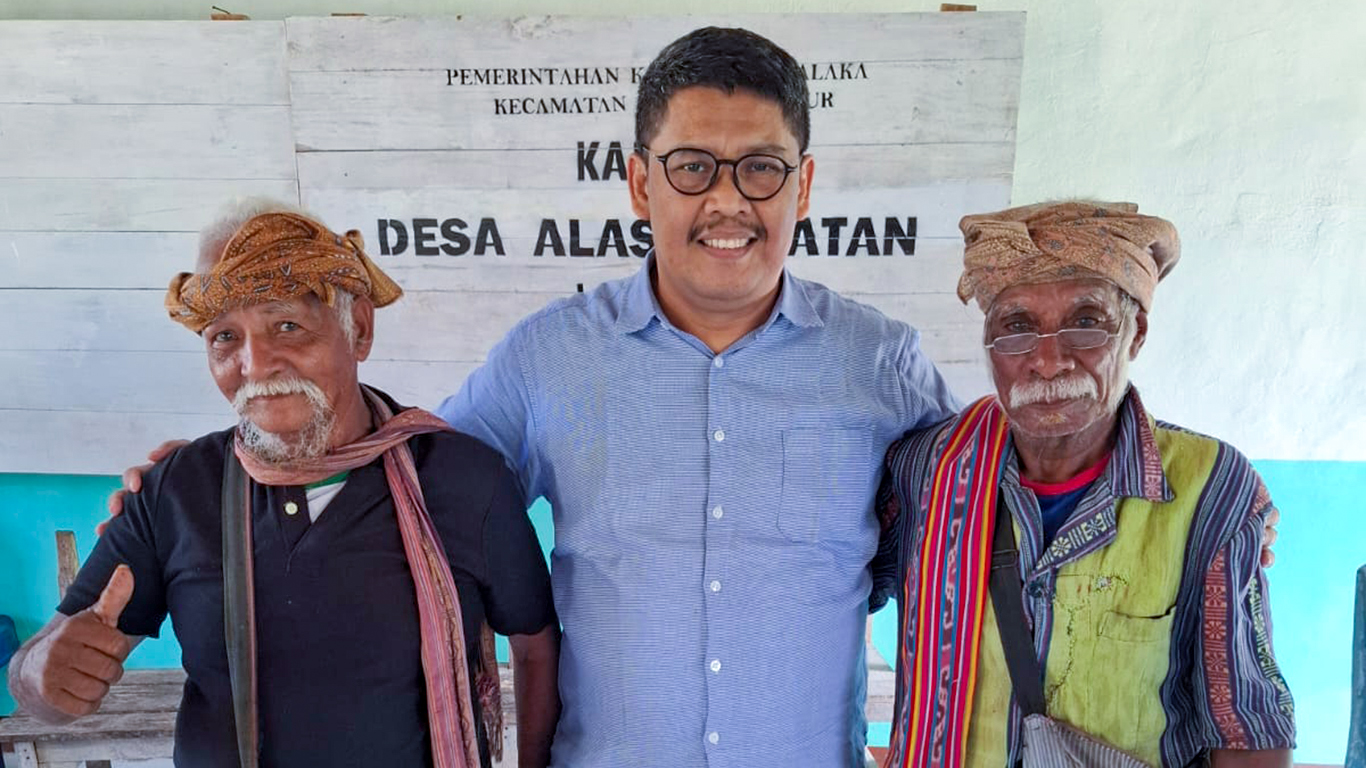
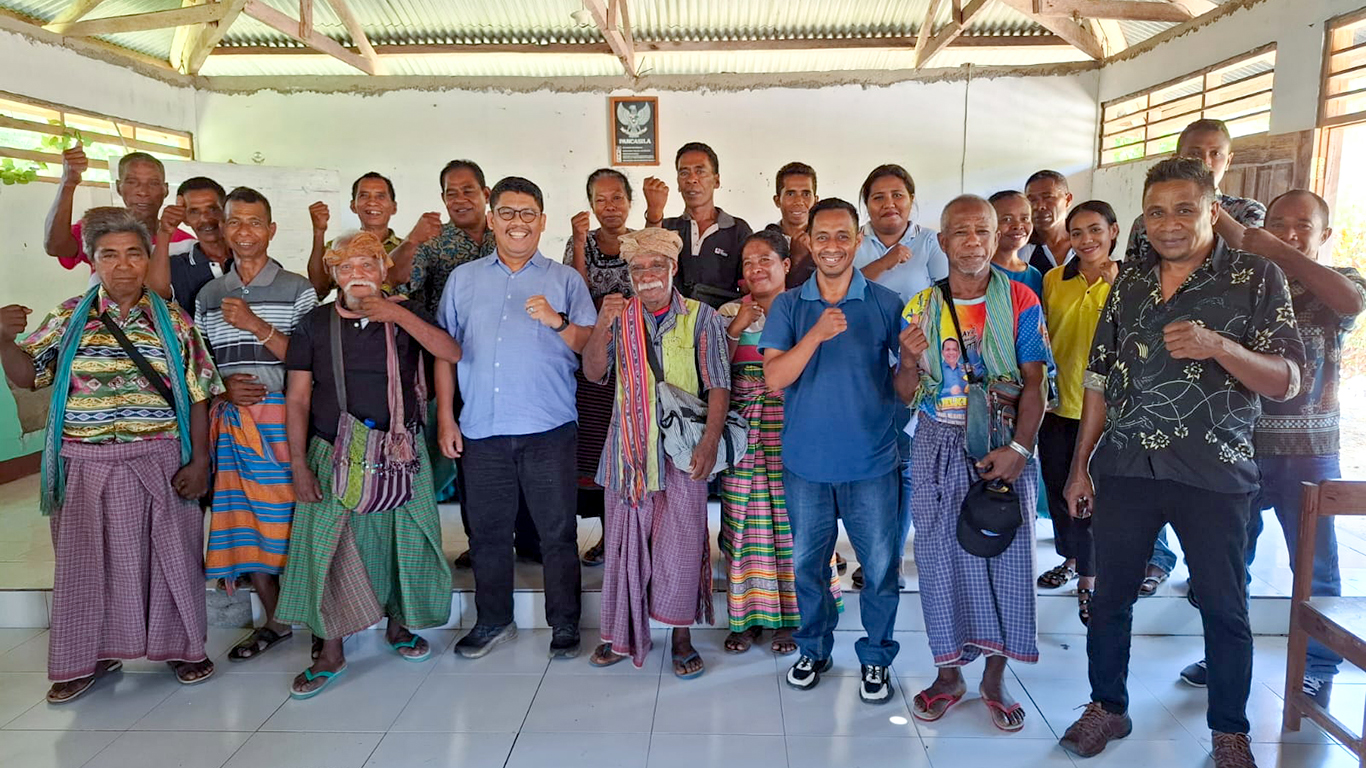
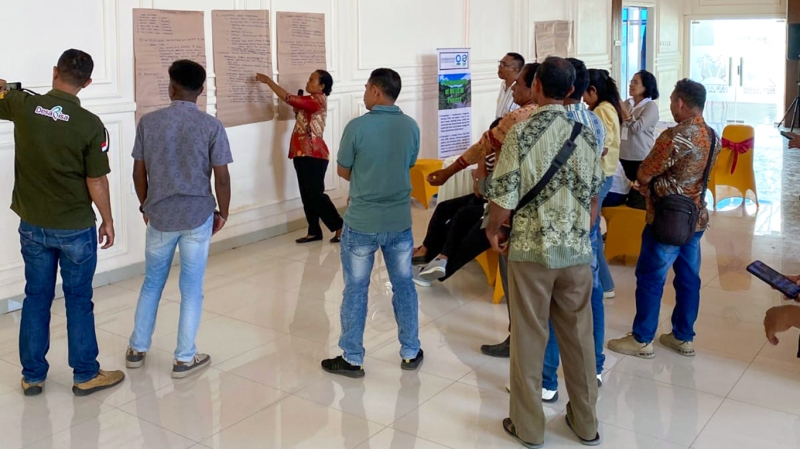
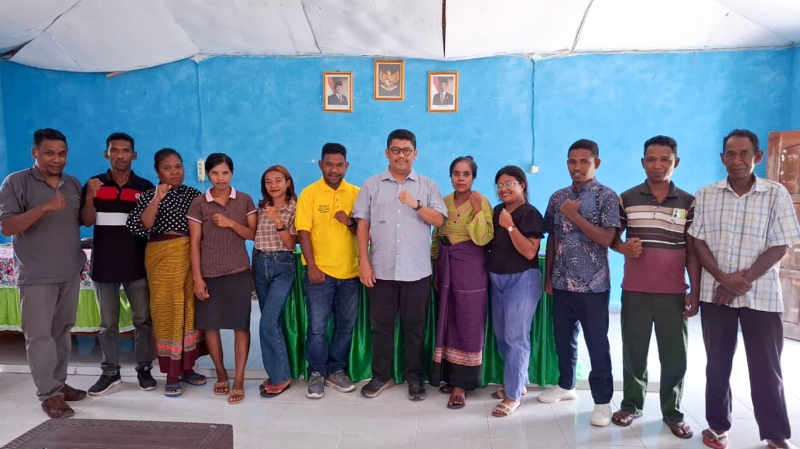
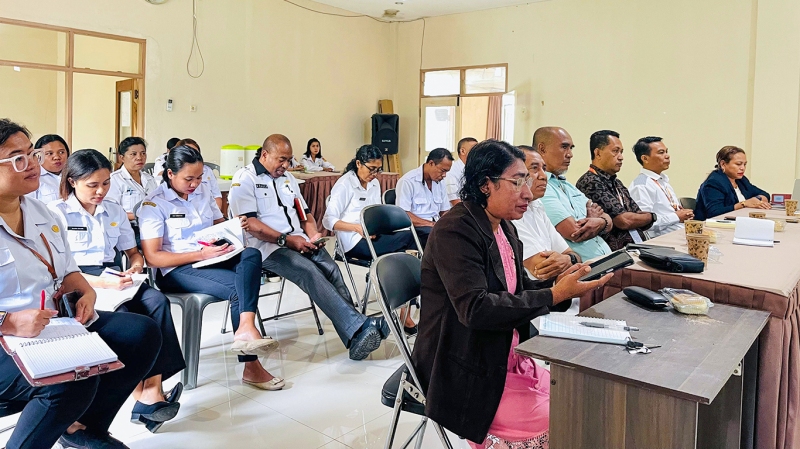
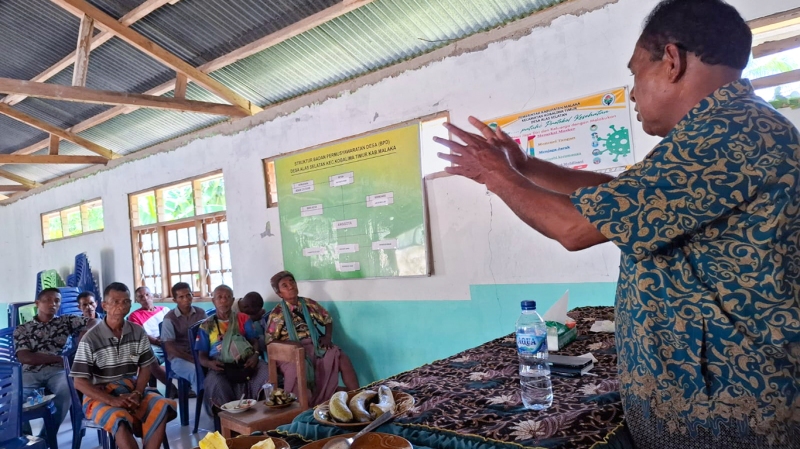
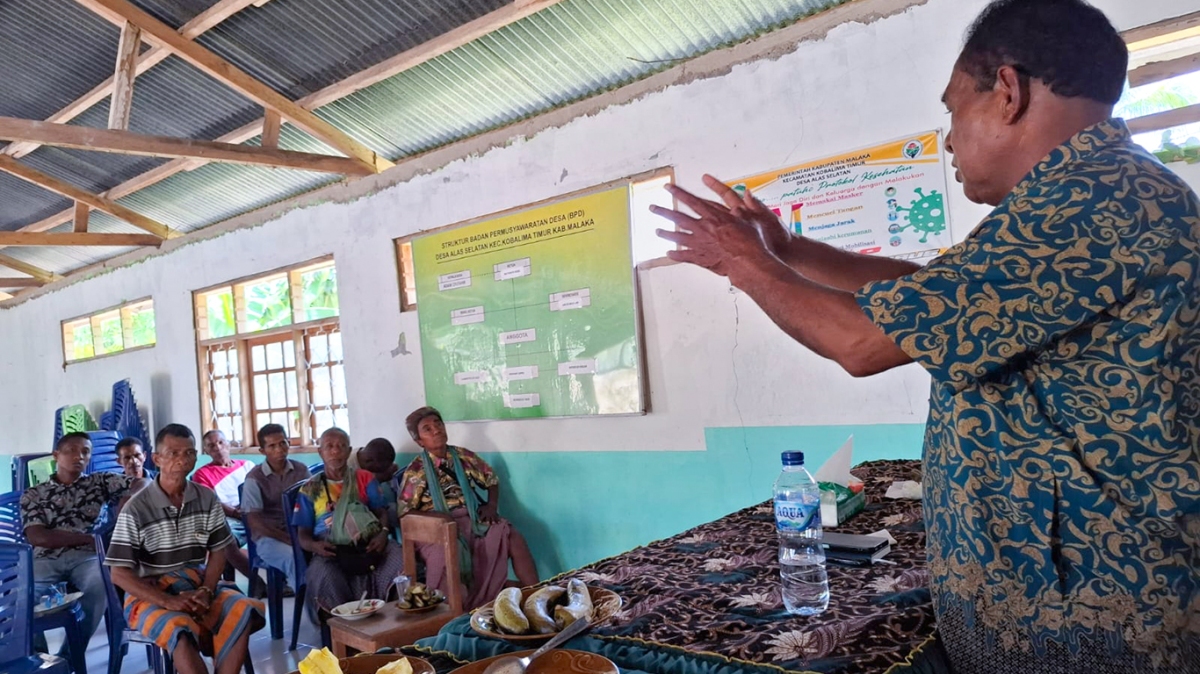
On Friday morning, November 7, 2025, the Alas Selatan Village Hall became a warm meeting and discussion room for about fifteen people consisting of village officials, traditional leaders, youth leaders, women's leaders, and community leaders. The discussion was guided by Desy, Head of Village Finance, and opened by the Head of Alas SelatanVillage, Gregorius Hale or familiarly called Pak Goris. The discussion opened with a simple message: water, land and forests are a matter of living together.
This discussion is part of a series of Inovasi Tangguh Indonesia (InTI) activities in Malaka Regency, especially in Alas Selatan Village. This discussion forum is not considered as an exposure to the program, but rather a story space about customs, about rivers, and about the way people organize their lives.
Participants spoke in Indonesian and local languages, with the help of translation from village officials. Traditional leaders such as Arkatius Asa from the Suklule Ogore Tribe and Donatius Kehi from the Lehak Bein Tribe, together with Andreas Seran from the Village Consultative Body (BPD), Alfonsius Mau from the village apparatus, and Irene Bere as female leaders, conveyed their life experiences with the main reference to the customs that are still being carried out.
Living in Traditional Bonds
The social life of the people of Alas Selatan Village is firmly rooted in customs. This village is inhabited by 36 tribes, and customs are the main reference in regulating relations between individuals, families, and communities. One of the traditional practices that is still carried out is the custom of marriage. In this custom, it is known as "belis", which is a gift from the male to the female as part and condition of the marriage bond. The amount of belis is determined through a customary agreement and becomes a symbol of the relationship between families and between tribes, so that it is maintained as part of the social bond of the community, for example, money in the amount of 25 million rupiah and a cow for a large tribe, accompanied by offerings to the spirits of ancestors. The practice of belis is currently still a long discussion in the context of gender equality.
In practice, marriage in Alas Selatan Village is known through several categories or groups determined by the kinship relationship of the parties. This difference in categories affects the series of rituals carried out, including the introduction stage, belis payments, and certain rituals such as "buka pintu" for the groom to enter the woman's family. There is also the principle of "kecapekan", which is an appreciation for women's parents which is manifested in the form of money or livestock. The entire process involves tribal members. Attendance becomes an obligation, where absence from traditional rituals can lead to customary sanctions set by the tribal chief.
Collective bonds are also seen in death rituals. When a member of the community dies, the traditional leader leads the ceremony, and all tribal members bear the costs together through dues. The funds are used for ritual purposes, such as the purchase of pigs or cows. In daily life, the influence of village heads, hamlet heads, religious leaders, tribal heads, and also women leaders complement each other in arranging the social life of the community.
Rivers, Forests, and Laws Obeyed
For the residents of Alas SelatanVillage, the Motamasin River and the Babulu River have an important meaning in their daily lives. The river is used to support livestock activities such as bathing and watering livestock. In addition, the river is also a source of stones and sand used to build residents' houses. Some of the river material is sold to buyers who come directly by truck as additional income.
The use of the river goes hand in hand with customary law. Violations around the river are subject to customary sanctions, for example for acts of environmental destruction on the riverbanks. In cases like this, the tribal chief leads the sanctioning process and coordinates with the village head. If customary sanctions are not complied with, the case can be delegated to the police.
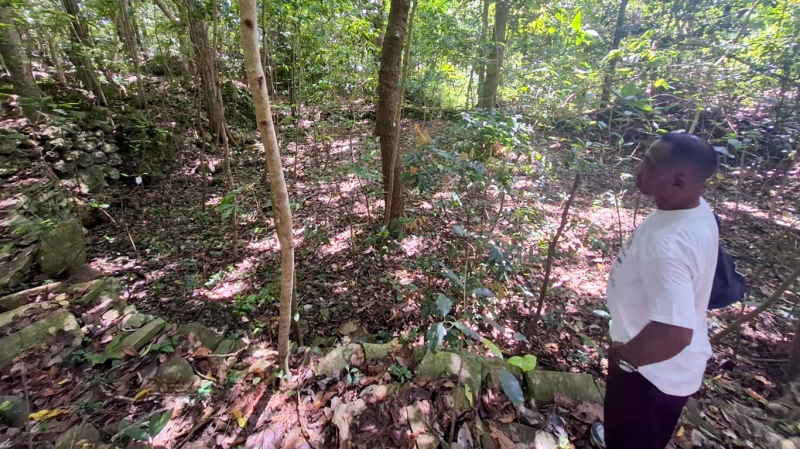
About five percent of the area of Alas Selatan Village is in the form of forest areas that are under customary control. This forest area is known to the community as a "hutan larangan" (prohibited forest), which is an area of forest that should not be destroyed or cleared carelessly. The forest is overseen by the tribal chief and the village government. Within this forest area there is a Saluhu spring water source, which is used by several villages and flows to five hamlets in Alas Selatan Village. In addition, there is a We Kun spring which is now privately owned, located on the side of the highway that crosses the Alas Selatan Village area. Around this spring still grow large trees and bamboo clumps. Water from the We Kun spring is distributed to people's houses through pipes and reservoirs.
Awareness of the importance of water and forests prompted the village government to draft a Village Regulation as an effort to formalize customary law that has been effectively implemented by the community. Until now, the Village Regulation is still in the design stage, there has been no determination.
Land and Deliberation as a Solution
Land in Alas Selatan Village is jointly controlled by tribes, but some are privately owned. In daily practice, it is known that the term borrowing and using land for agriculture is carried out based on the principle of mutual trust and unwritten agreements. In addition, there is also the practice of buying and selling land between individuals, which residents refer to as "jual beli putus", which is the transfer of full ownership of land to other parties.
The control of land in Alas Selatan Village is inseparable from the long history of this region, when in the time of the King he handed over his royal land to the local government, in this case to the Regent of Belu. Subsequent changes occurred as political dynamics changed in the mid-1960s and continued after the 1999 polls, when there was a displacement of the population and the need to provide residential land for the former Timor-Leste people. Some of the land is provided for housing, while in its development there is the problem of limited access to land for gardens and fields.
This condition encourages the village government to draft a Village Regulation that regulates land issues. If a land dispute occurs, the first mechanism taken is customary deliberation. The tribal chief led the process by presenting the village government and hamlet officials. The parties were asked to explain the chronology and show evidence of land tenure. In many cases, these customary mechanisms are able to resolve conflicts without involving the state. Only if no agreement is reached will the matter be transferred to the village government and, as a last resort, to the police.
Towards the end of the discussion, Mr. Goris again reminded of the message that was discussed in the forum from the beginning: water is the source of life, land and forests must not be destroyed. The TIWA program carried out by the Ministry of Forestry of the Republic of Indonesia and Perkumpulan InTI is aimed at preserving the Mota Masin watershed which in the future will bring concrete benefits to the communities of Alas Selatan Village. Protecting the Motamasin watershed means preserving the common life: humans, plants, and animals in this landscape of the border region. (Usep Setiawan/InTI)