From Tomato Harvesting to Preparing Demonstration Plots
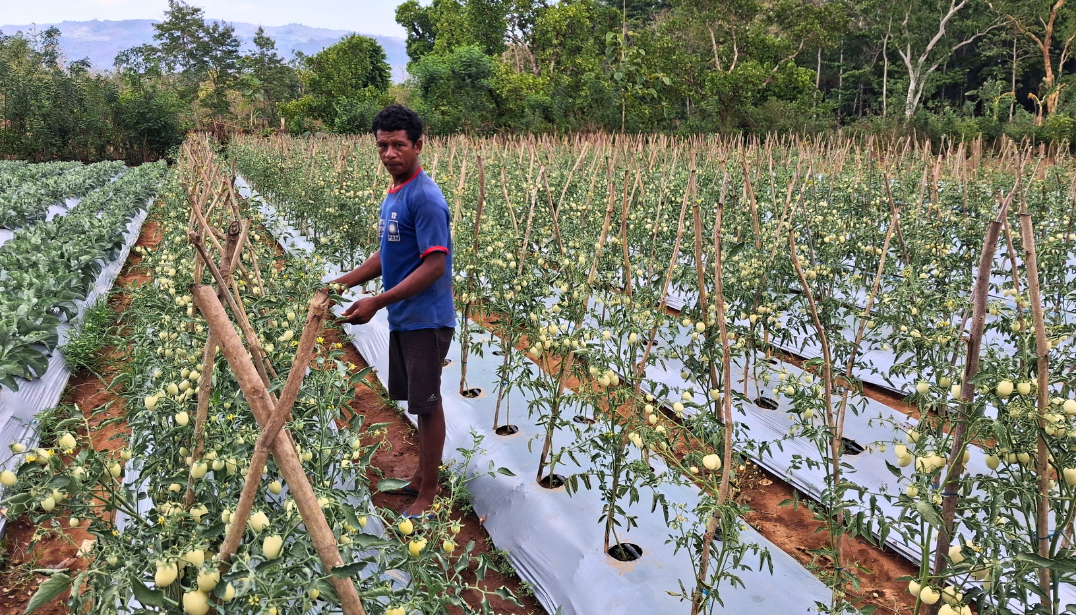
The Rai Saluhu group in Malaka has harvested tomatoes from the demonstration plots they manage. In Belu, several farmer groups have started planting and preparing land for the next commodity. Interest also comes from independent farmers who want to learn better cultivation practices. Around 1,600 Servo F1 tomato trees are part of the Rai Saluhu Group's cultivation activities in Motamasin Hamlet, Alas Selatan Village, Malaka Regency. From these plants, the group has harvested with sales valued at around Rp1.2 million. For this group of six members, the harvest is one of the results of cultivation activities they carry out together with the assistance of the Inovasi Tangguh Indonesia (InTI) through Project TIWA.
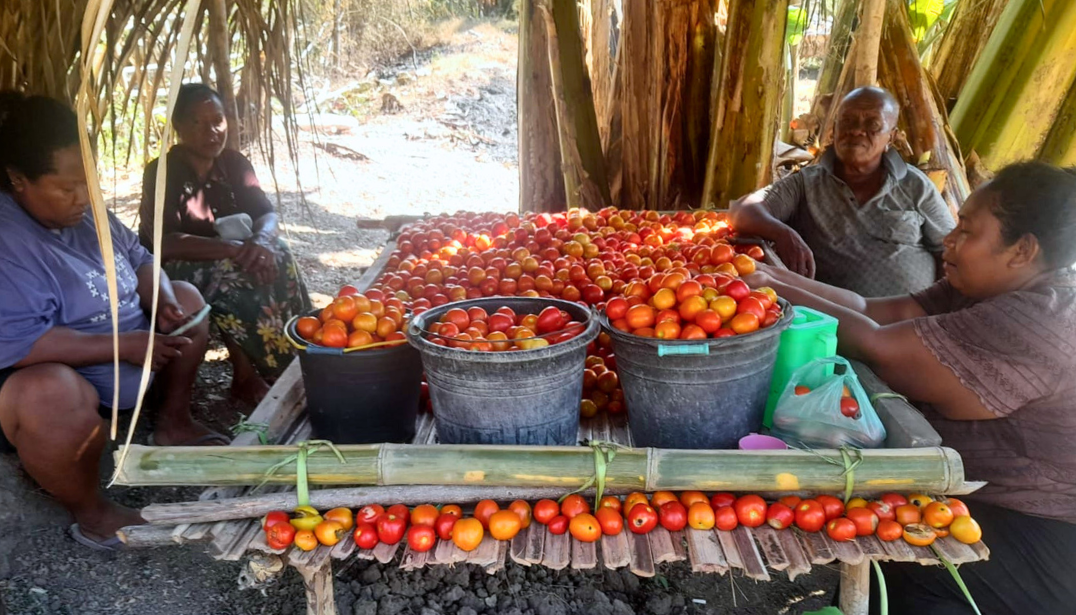
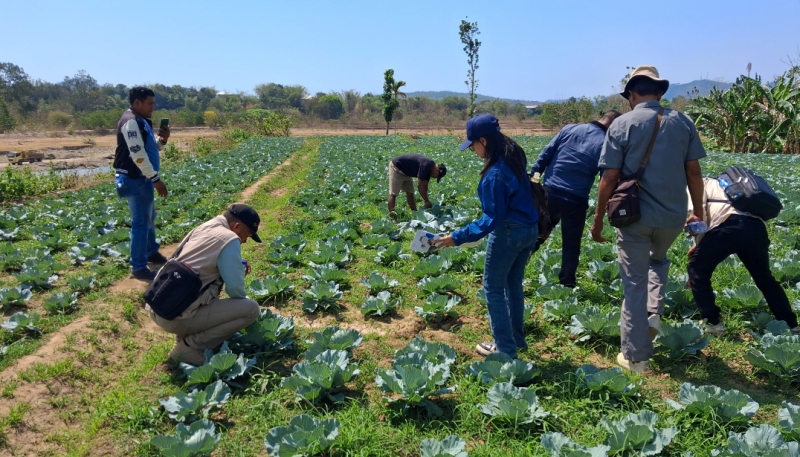
Since August 13, 2026, Rai Saluhu has received assistance to implement Good Agricultural Practice (GAP) in Dryland Agriculture for vegetable cultivation. On a demonstration plot measuring 50 x 78 meters, group members not only plant tomatoes but also develop various other commodities, such as chili, pakcoy, mustard greens, petcay, lettuce, and pumpkin. The development of this demonstration plot is an opportunity for group members to learn and practice cultivation activities directly. The tomato harvest that has been carried out is one of the developments they can observe from this process.
In Belu, Farmers Begin Preparing and Managing Demonstration Plots
While Rai Saluhu has experienced tomato harvesting, the implementation of GAP in Dryland Agriculture in Belu Regency is still ongoing at several stages. In Tohe Village and Maumutin Village, farmer groups have begun utilizing available demonstration plots and preparing new land for cultivation activities.
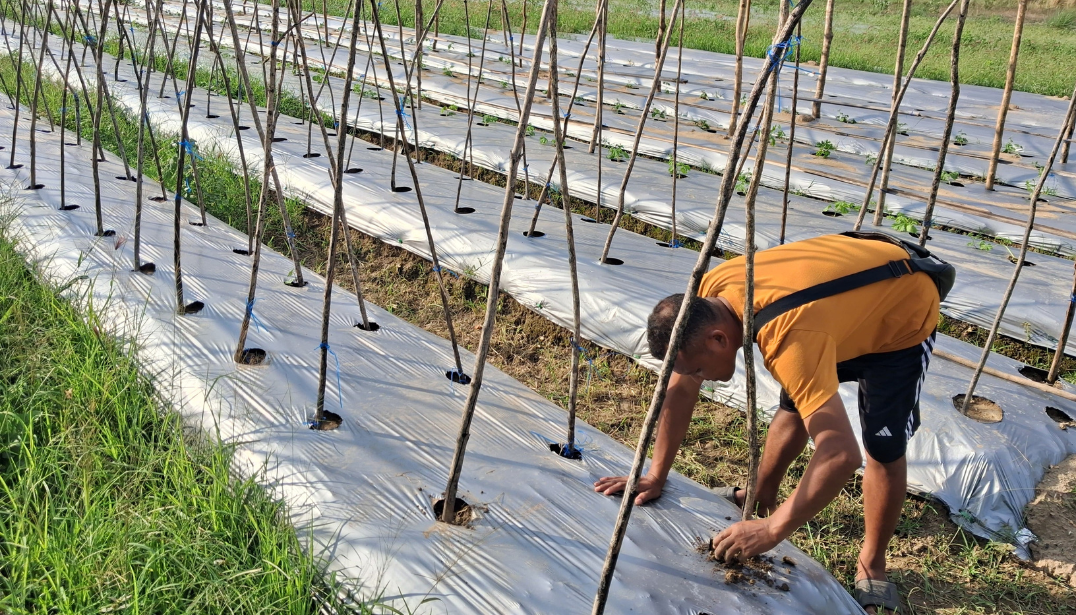
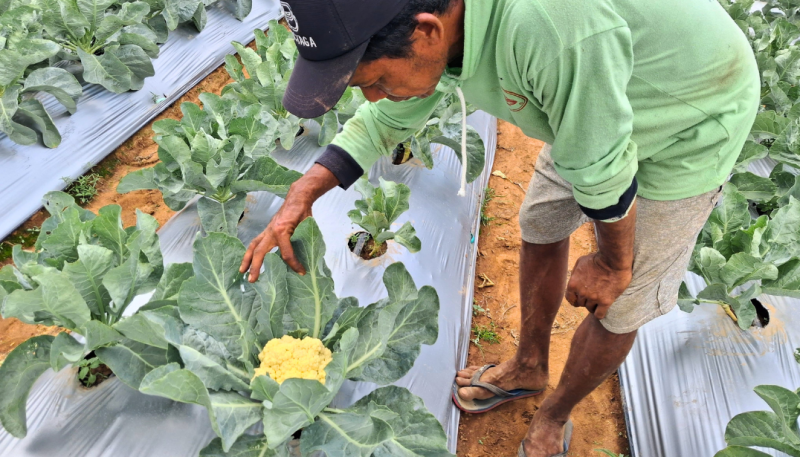
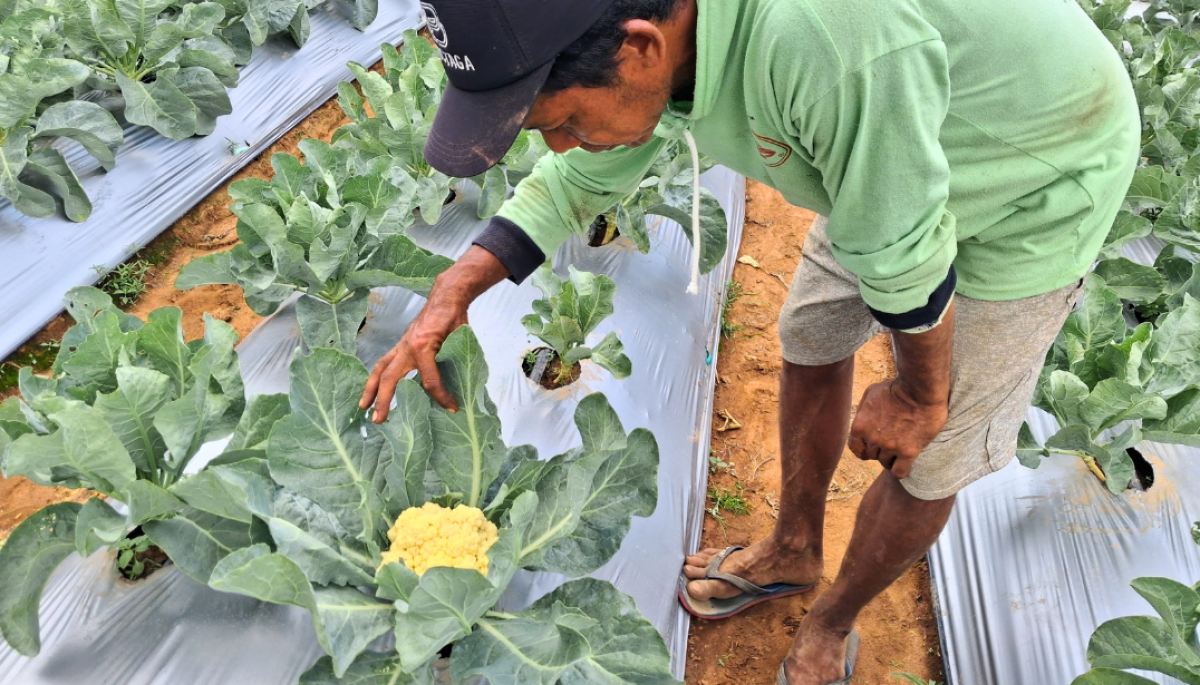
In Tohe Village, the Pacul Mas B Group has already planted white cauliflower and bitter melon in the demonstration plot that was previously prepared. They also plan to plant cucumbers after the land is completed. The Pacul Mas group is preparing a new demonstration plot. Long beans, green beans, and green mustard greens are the three commodities planned to be planted on the land.
A similar activity took place in Maumutin Village. The Sinar Tani Farmers Group had utilized the available demonstration plots to plant white cauliflower and tomatoes. Green beans and cucumbers are planned to follow in the next planting. Each group has its own planting activities and plans. Some have already started planting, some are preparing the land, and some are still planning the next commodity. Amid these activities, another interesting story emerged from Maumutin Village.
Interested in Learning
Martinus Mauk is an independent farmer in Maumutin Village. Previously, he had never applied GAP in his cultivation activities. His interest in learning arose after seeing the Sinar Tani Farmers Group, which regularly receives assistance from InTI. The experience of witnessing the group's activities encouraged Om Martinus, as he is commonly called, to learn and try to apply better cultivation practices on his own land. He is currently preparing a new demonstration plot covering 20 ares. The land is planned to be planted with several types of vegetables and food crops, with the planting area divided into predetermined areas. The front part will be planted with white pakcoy, water spinach, and green spinach. The middle part is prepared for tomatoes, while the back part is planned for sweet corn and long beans.
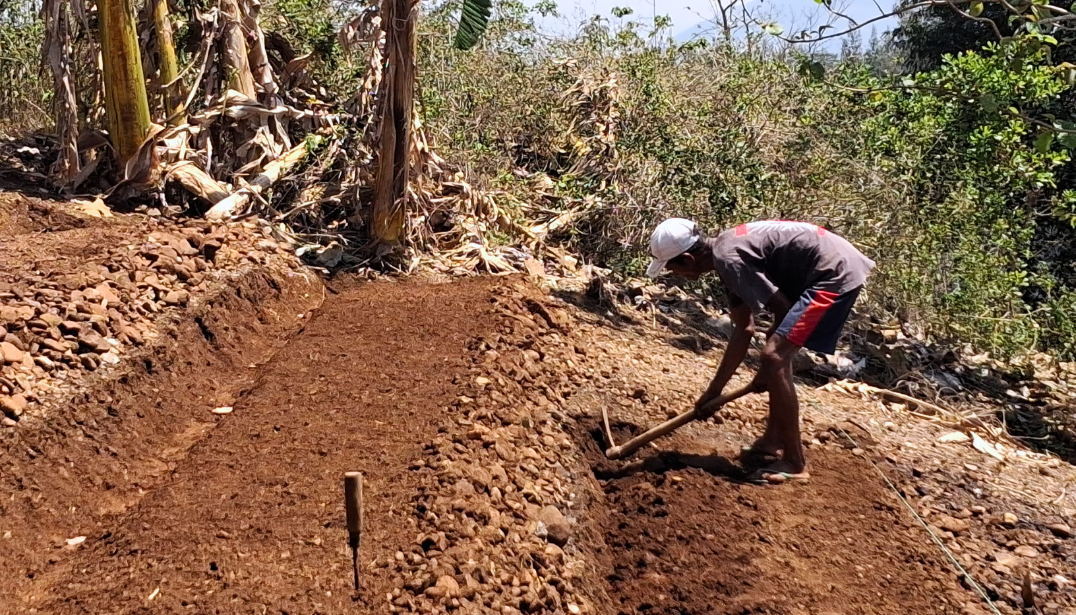
Om Martinus's demonstration plot is still in the preparation stage. However, his interest in learning becomes a story in the midst of the farmer group's activities in Maumutin. He began to get to know GAP after seeing mentoring practices conducted by other groups, then took the initiative to prepare land to try.
Learning from Your Own Land
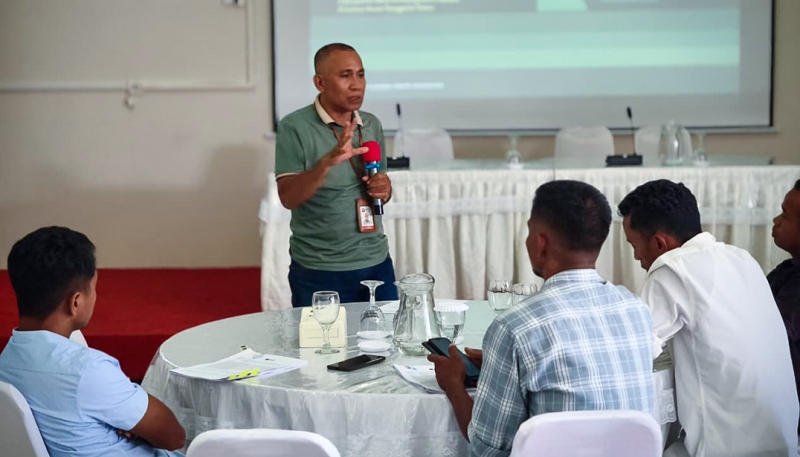
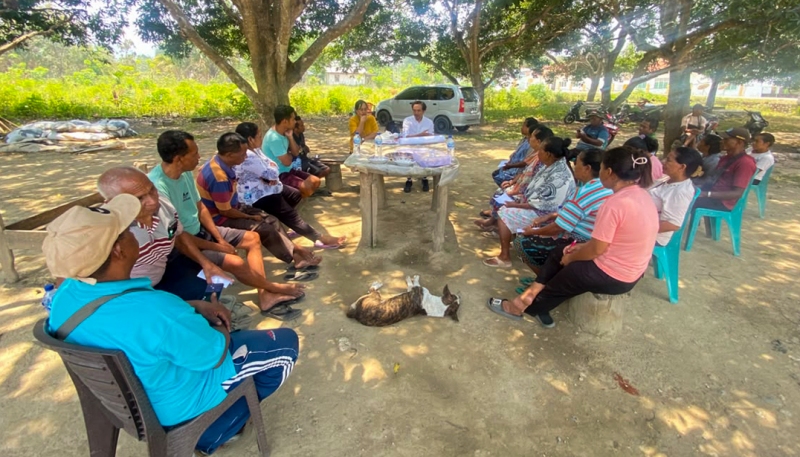
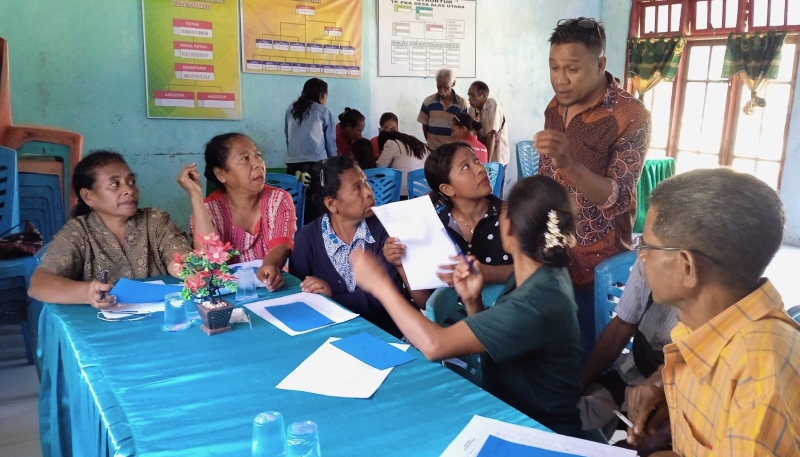
Through Project TIWA, InTI assists farmer groups in getting to know and practicing GAP in Dryland Agriculture through cultivation activities at demonstration plots. Farmers have the opportunity to directly try various stages of cultivation on the land they manage. For farmers, this learning process takes place through daily activities on the land. What has been planted can be observed for its development, while the next planting plan is prepared according to the conditions of each group.
In Malaka, Rai Saluhu has already felt the results of his tomato harvest. In Belu, the farmer group is still continuing planting activities and preparing demonstration plots. Meanwhile, Om Martinus has begun taking steps to learn after observing the experiences of other groups. Each has its own process. From the harvest that has been done to the land still prepared, this activity is part of farmers' efforts to learn and apply better cultivation practices. (InTI)